Sell Closing Property Without Consent In Michigan
Description

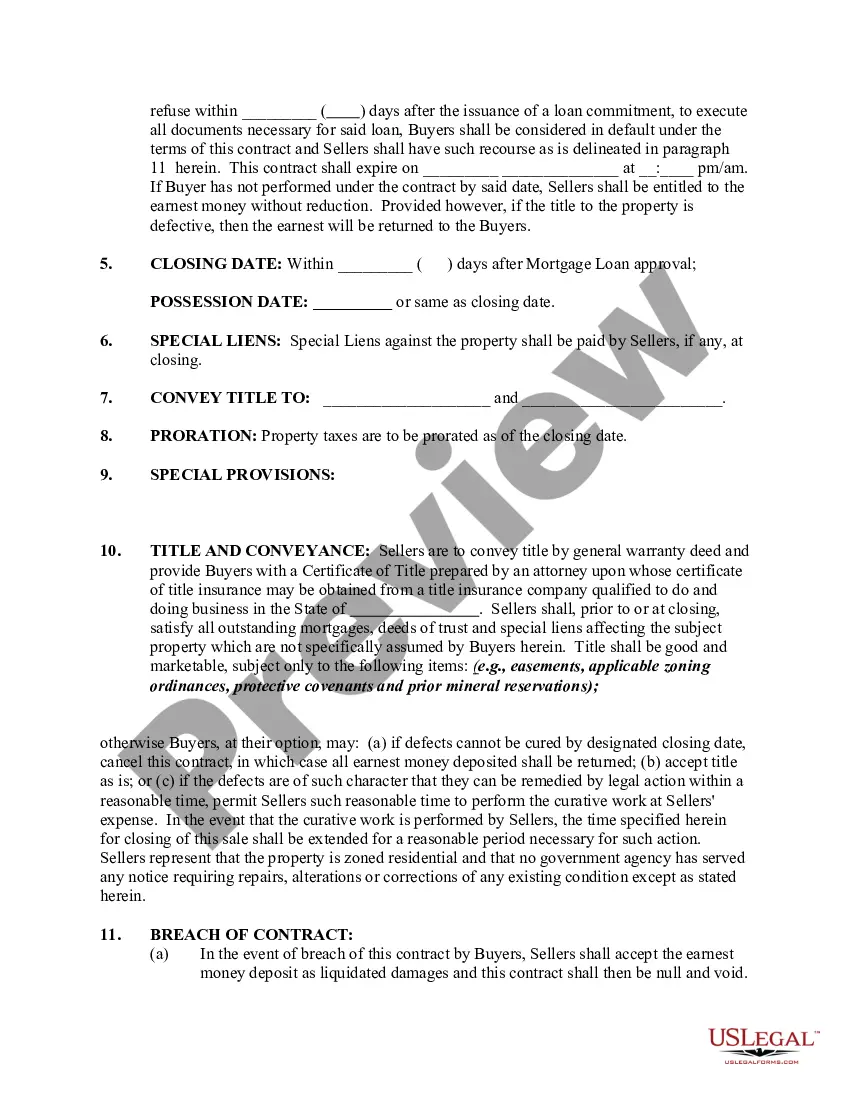
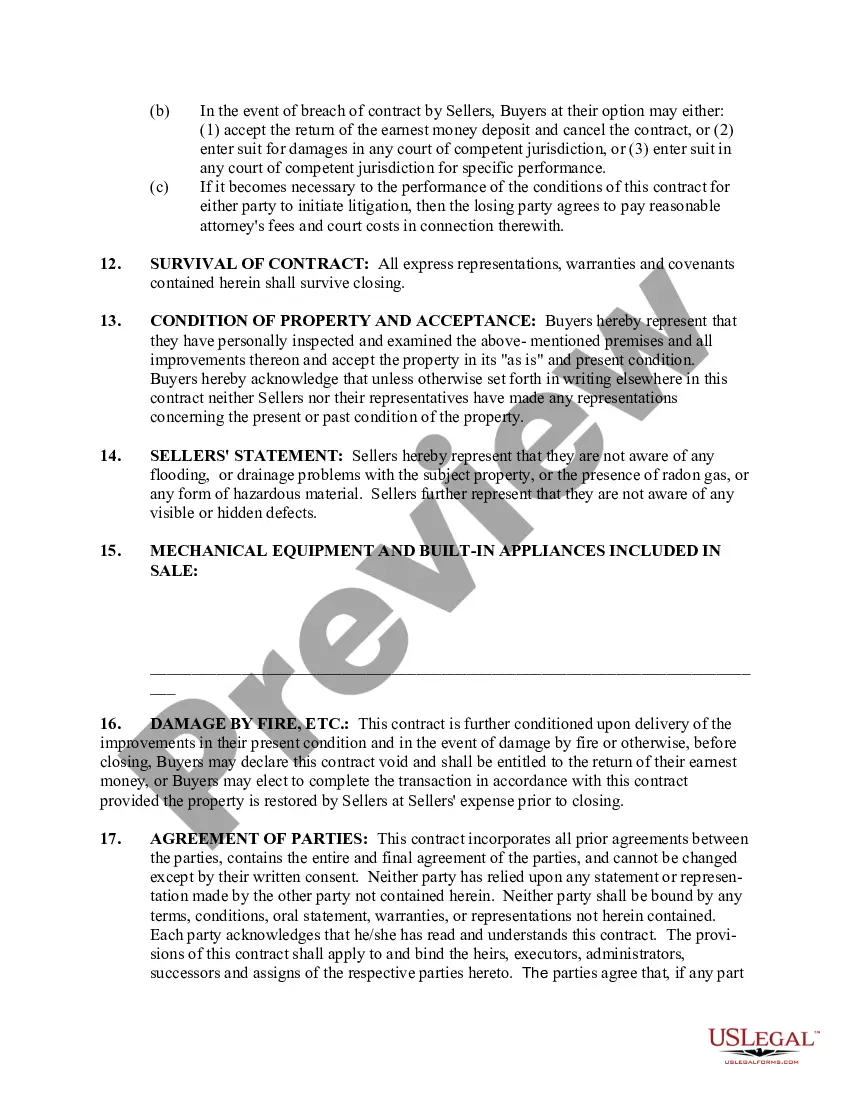
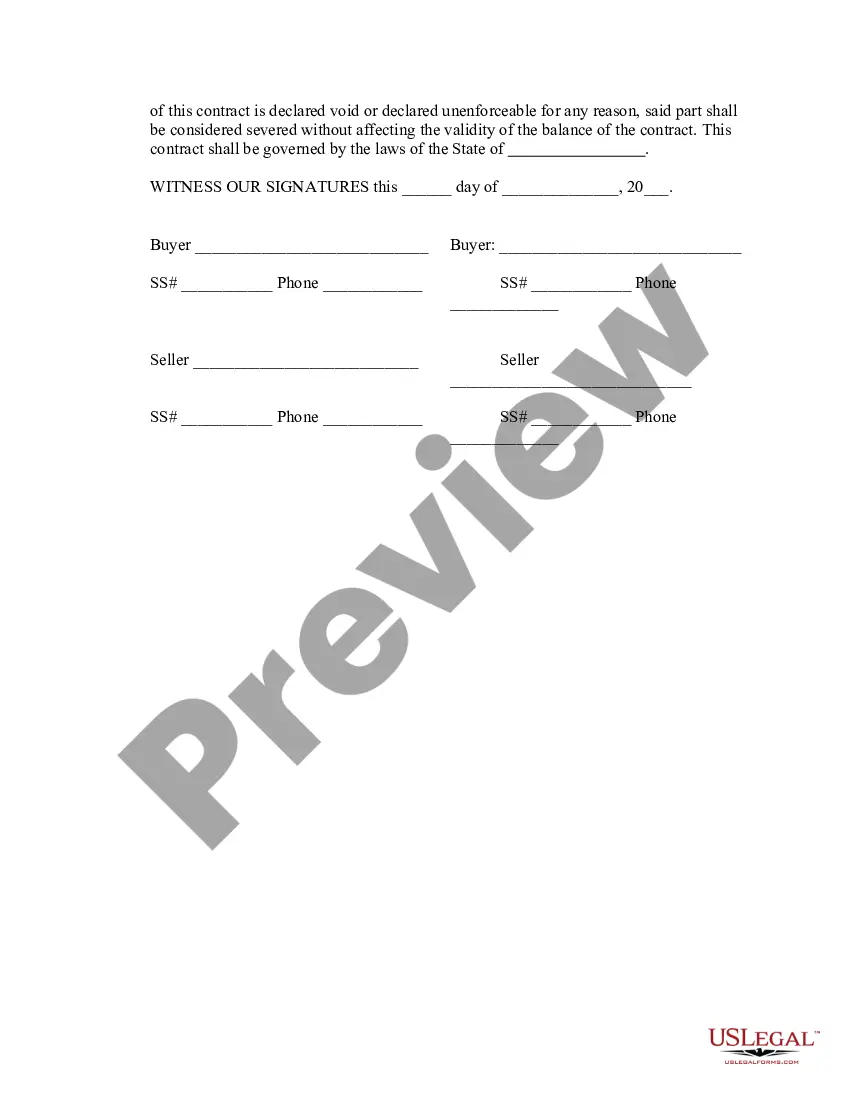
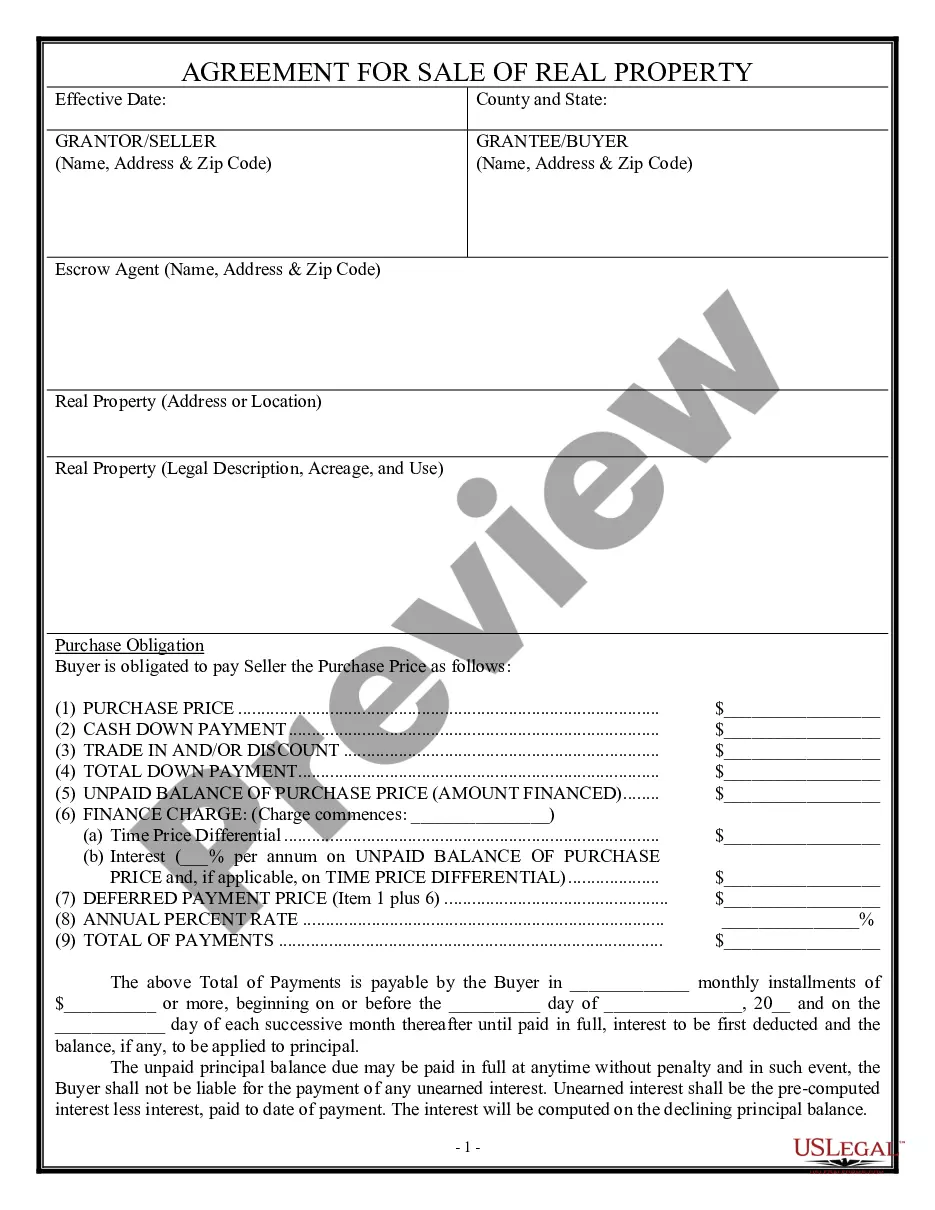
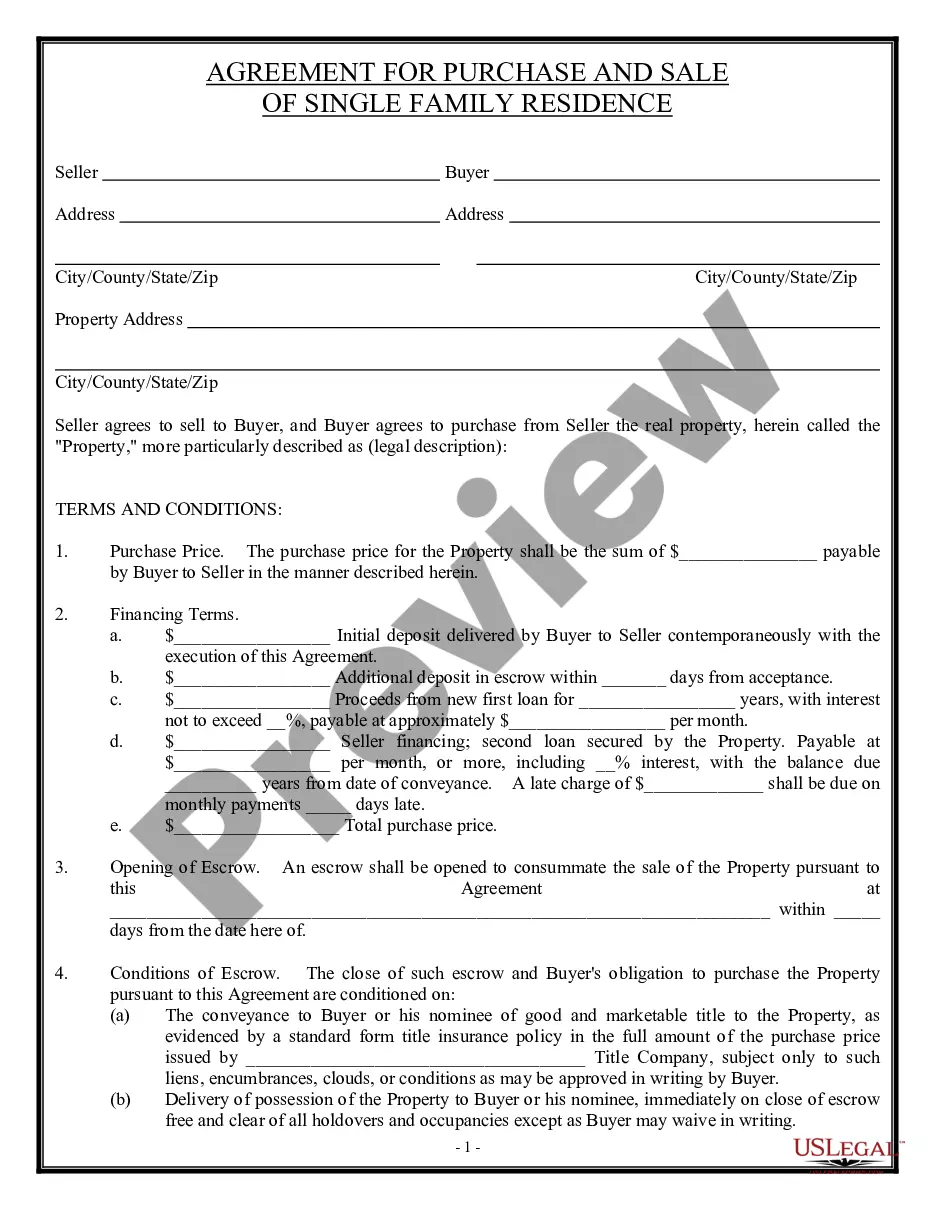
Get your form ready online
Our built-in tools help you complete, sign, share, and store your documents in one place.
Make edits, fill in missing information, and update formatting in US Legal Forms—just like you would in MS Word.
Download a copy, print it, send it by email, or mail it via USPS—whatever works best for your next step.
Sign and collect signatures with our SignNow integration. Send to multiple recipients, set reminders, and more. Go Premium to unlock E-Sign.
If this form requires notarization, complete it online through a secure video call—no need to meet a notary in person or wait for an appointment.
We protect your documents and personal data by following strict security and privacy standards.

Make edits, fill in missing information, and update formatting in US Legal Forms—just like you would in MS Word.

Download a copy, print it, send it by email, or mail it via USPS—whatever works best for your next step.

Sign and collect signatures with our SignNow integration. Send to multiple recipients, set reminders, and more. Go Premium to unlock E-Sign.

If this form requires notarization, complete it online through a secure video call—no need to meet a notary in person or wait for an appointment.

We protect your documents and personal data by following strict security and privacy standards.
Looking for another form?

Form popularity
FAQ
In Michigan, a buyer and seller are not required to hire a real estate attorney.
In Michigan, a buyer and seller are not required to hire a real estate attorney. However, many people hire real estate attorneys to answer questions and ensure that the transaction goes smoothly.
Unlike some states, Michigan does not require that sellers involve a lawyer in the house-selling transaction. Even if it's not required, you might decide to engage a lawyer at some point in the process—for example, to review the final contract or to assist with closing details.
However, the most important documents in real estate are offers, agreements, and contracts between the buyer and seller.
The Seller Can Forfeit the Contract. Most land contracts have a forfeiture clause.
Not all properties or sellers are required to provide disclosures under Michigan law. Some exceptions include: Transfers between co-owners, such as spouses or family members. Sales ordered by a court, such as foreclosures or estate sales.
What is a title state in real estate closings? StateAttorney State or Title State? Michigan Title state Minnesota Title state Mississippi Attorney state Missouri Title state47 more rows •
Not all properties or sellers are required to provide disclosures under Michigan law. Some exceptions include: Transfers between co-owners, such as spouses or family members. Sales ordered by a court, such as foreclosures or estate sales.
