Closing Property Title Without Paying Taxes In Michigan
Description

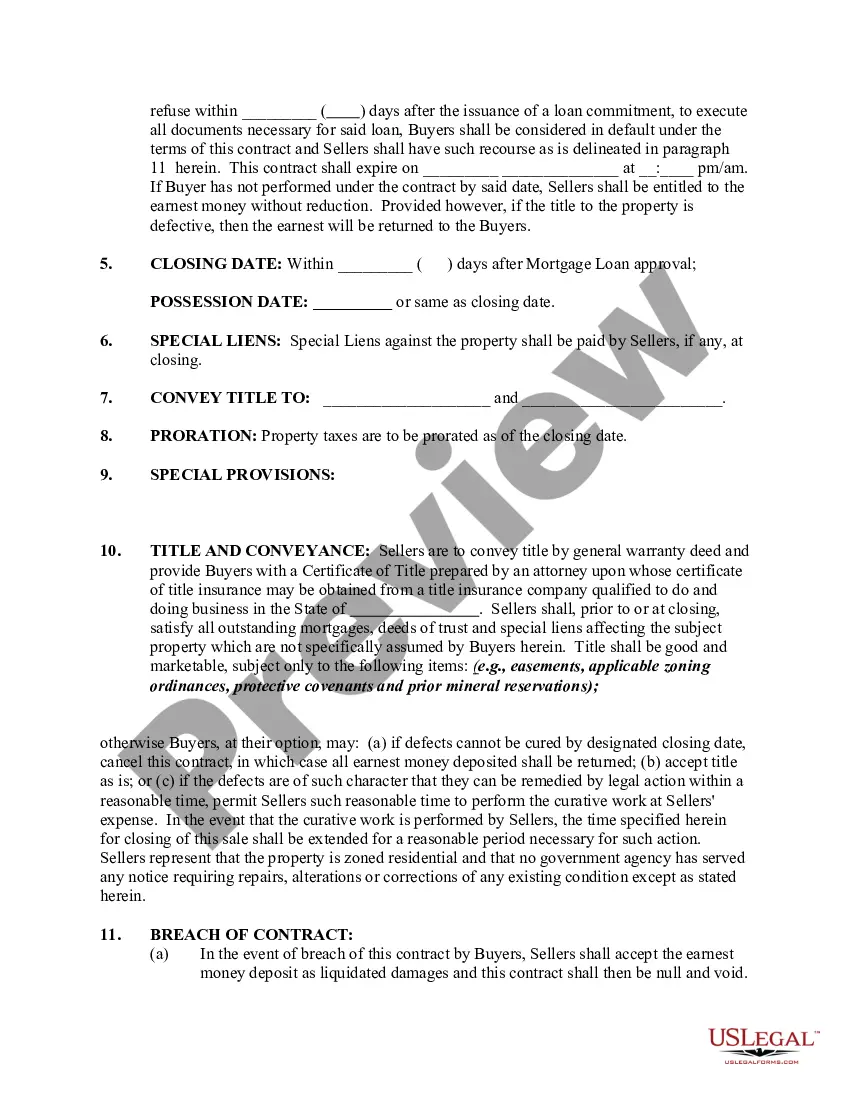
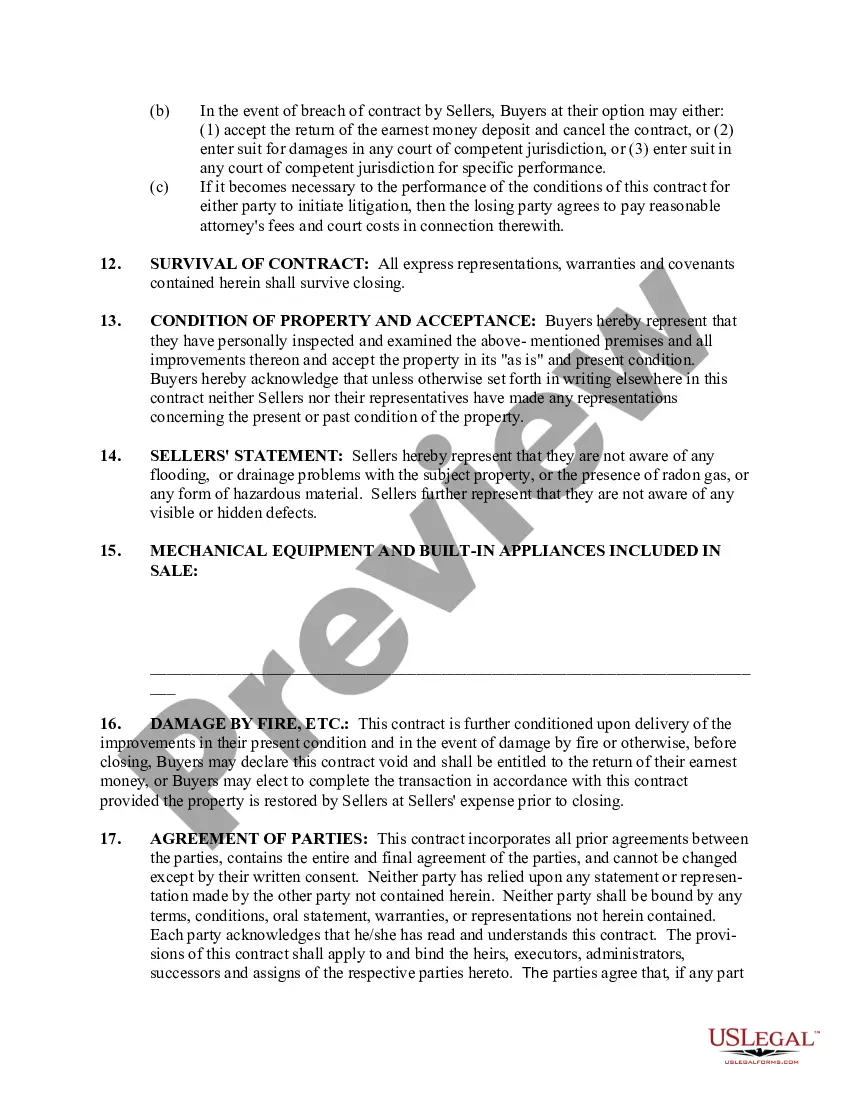
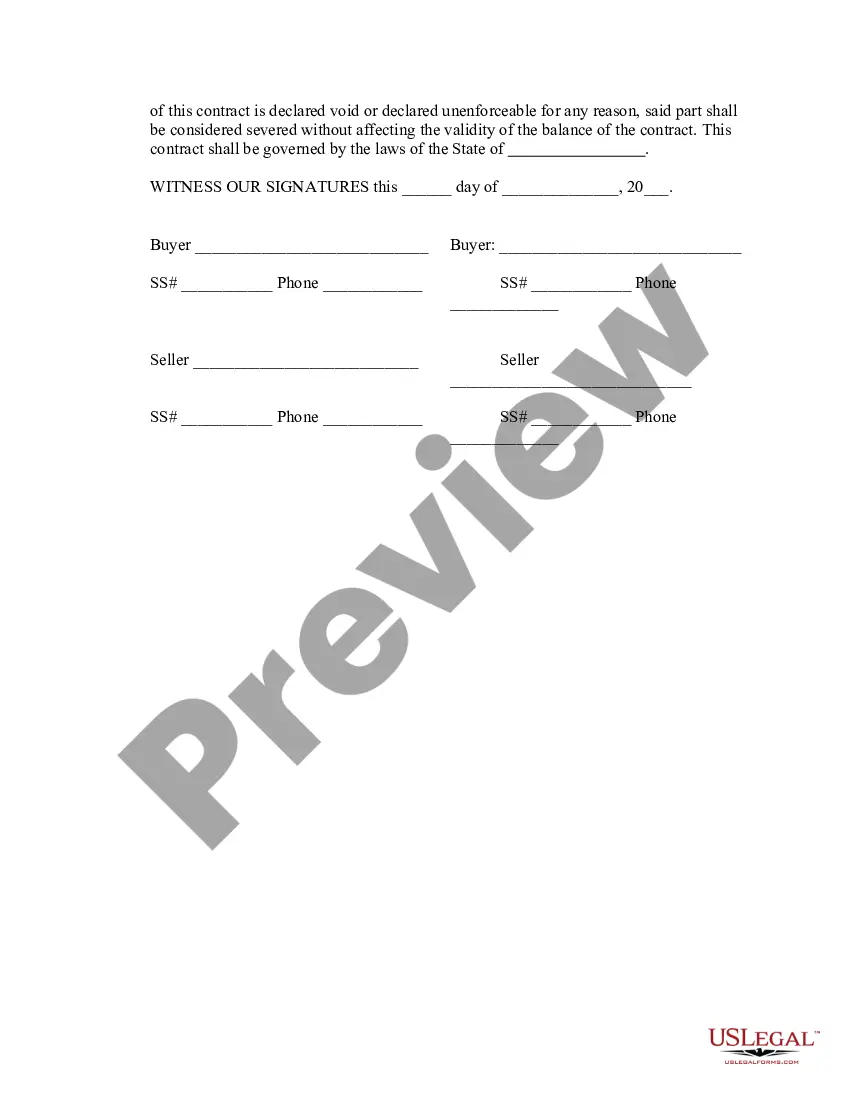
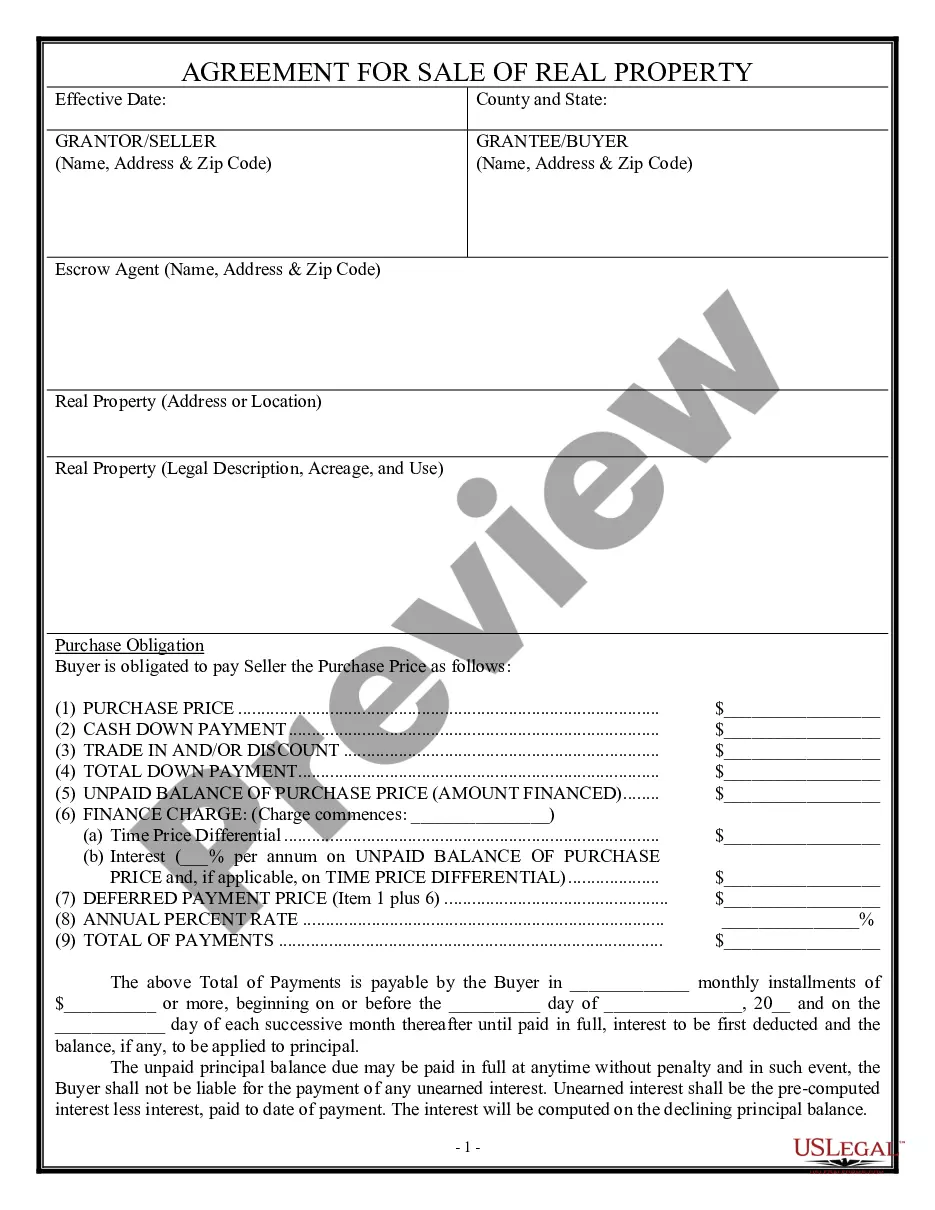
Get your form ready online
Our built-in tools help you complete, sign, share, and store your documents in one place.
Make edits, fill in missing information, and update formatting in US Legal Forms—just like you would in MS Word.
Download a copy, print it, send it by email, or mail it via USPS—whatever works best for your next step.
Sign and collect signatures with our SignNow integration. Send to multiple recipients, set reminders, and more. Go Premium to unlock E-Sign.
If this form requires notarization, complete it online through a secure video call—no need to meet a notary in person or wait for an appointment.
We protect your documents and personal data by following strict security and privacy standards.

Make edits, fill in missing information, and update formatting in US Legal Forms—just like you would in MS Word.

Download a copy, print it, send it by email, or mail it via USPS—whatever works best for your next step.

Sign and collect signatures with our SignNow integration. Send to multiple recipients, set reminders, and more. Go Premium to unlock E-Sign.

If this form requires notarization, complete it online through a secure video call—no need to meet a notary in person or wait for an appointment.

We protect your documents and personal data by following strict security and privacy standards.
Looking for another form?









Form popularity
FAQ
The State Real Estate Transfer Tax Exemption Affidavit (form L-4259) must be completed for any transfer where an exemption is claimed under MCL 207.526(r) of the State Real Estate Transfer Tax Act. Line 1: Enter the county and state where property being recorded is located.
Pursuant to MCL 211.51, senior citizens, disabled people, veterans, surviving spouses of veterans and farmers may be able to postpone paying property taxes.
To avoid uncapping for future taxpayers, owners should consider transferring their interest into a commonly controlled entity, joint ownership, or transferring their interest into a trust.
Property Tax Exemption An eligible person must own and occupy his/her home as a principal residence (homestead) and meet poverty income standards. The local Board of Review may interview the applicant in order to determine eligibility, ing to the local guidelines, and will review all applications.
If you have gotten behind on your property taxes and/or are facing a forfeiture auction or sale, you can immediately and legally stop the sale by filing a Chapter 13 reorganization plan. This is a legal means of creating structured repayment terms with your creditors.
Six (6) months: The Redemption Period starts day of Sheriff Sale – Six (6) months is most common. If the amount claimed to be due on the mortgage at the date of foreclosure is less than 2/3 of the original indebtedness, the redemption period is 12 months.
