Sell Closure Property For Integers In Los Angeles
Description

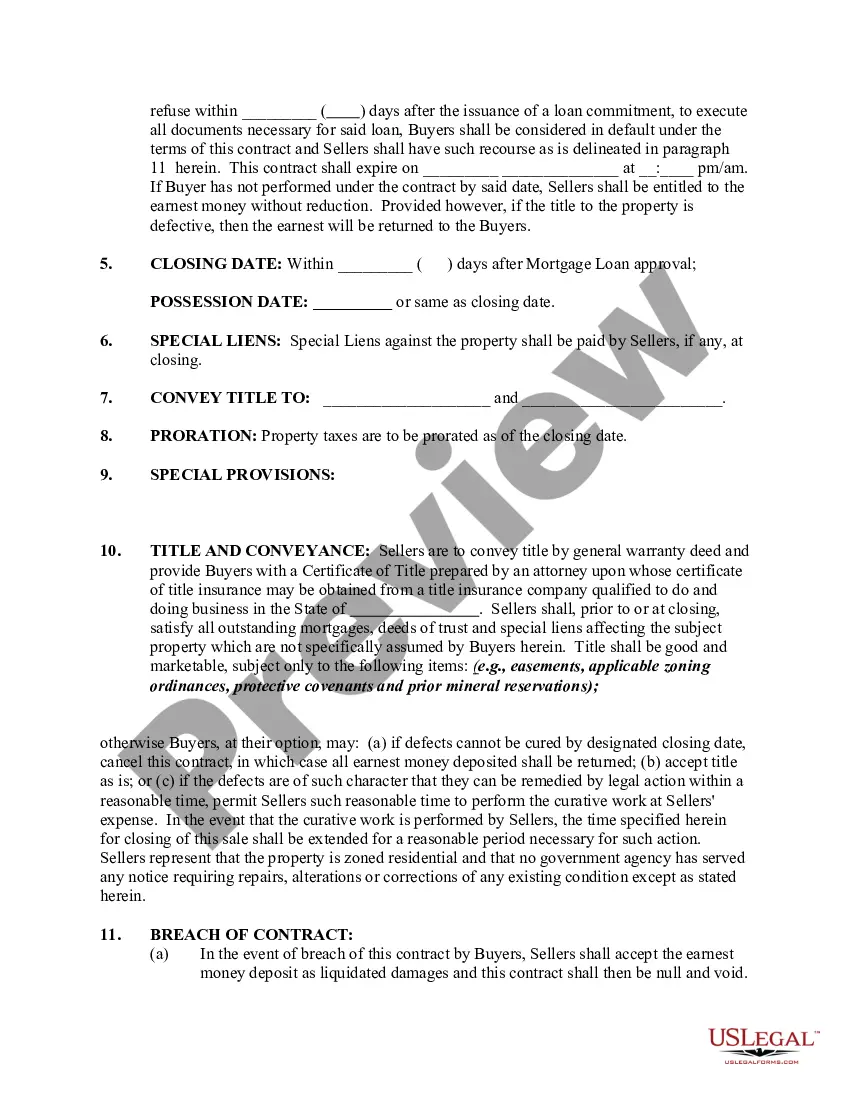
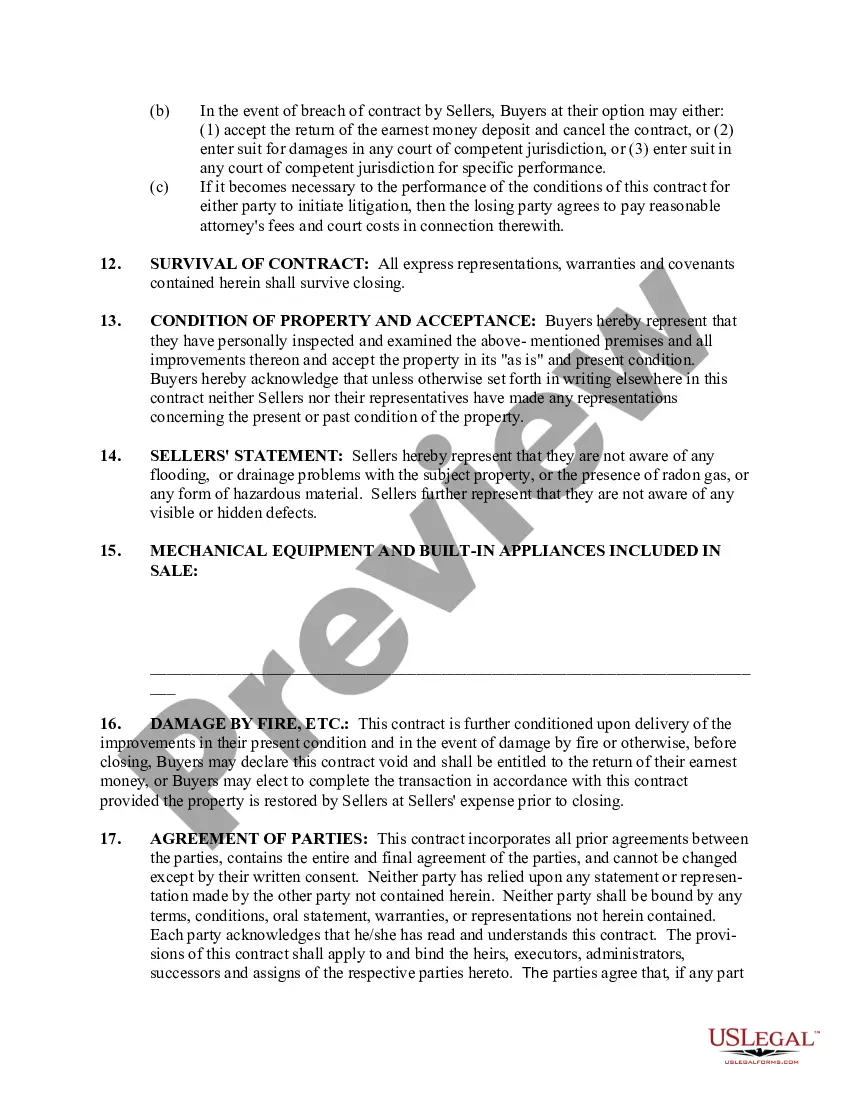



Get your form ready online
Our built-in tools help you complete, sign, share, and store your documents in one place.
Make edits, fill in missing information, and update formatting in US Legal Forms—just like you would in MS Word.
Download a copy, print it, send it by email, or mail it via USPS—whatever works best for your next step.
Sign and collect signatures with our SignNow integration. Send to multiple recipients, set reminders, and more. Go Premium to unlock E-Sign.
If this form requires notarization, complete it online through a secure video call—no need to meet a notary in person or wait for an appointment.
We protect your documents and personal data by following strict security and privacy standards.

Make edits, fill in missing information, and update formatting in US Legal Forms—just like you would in MS Word.

Download a copy, print it, send it by email, or mail it via USPS—whatever works best for your next step.

Sign and collect signatures with our SignNow integration. Send to multiple recipients, set reminders, and more. Go Premium to unlock E-Sign.

If this form requires notarization, complete it online through a secure video call—no need to meet a notary in person or wait for an appointment.

We protect your documents and personal data by following strict security and privacy standards.
Looking for another form?










Form popularity
FAQ
Among the various properties of integers, closure property under addition and subtraction states that the sum or difference of any two integers will always be an integer i.e. if x and y are any two integers, x + y and x − y will also be an integer.
Closure Property of Multiplication ing to this property, if two integers a and b are multiplied then their resultant a × b is also an integer. Therefore, integers are closed under multiplication. Examples: 2 x -1 = -2.
Lesson Summary If the division of two numbers from a set always produces a number in the set, we have closure under division. The set of whole numbers are not closed under division, and the set of integers are not closed under division because they both produce fractions.
Closure property states that when a set of numbers is closed under any arithmetic operation such as addition, subtraction, multiplication, and division, it means that when the operation is performed on any two numbers of the set with the answer being another number from the set itself.
The set of real numbers is closed under addition. If you add two real numbers, you will get another real number. There is no possibility of ever getting anything other than a real number. For example: 5 + 10 = 15 , 2.5 + 2.5 = 5 , 2 1 2 + 5 = 7 1 2 , 3 + 2 3 = 3 3 , etc.
Definition. The closure property for multiplication of even numbers states that the product of any two even numbers is always an even number.
Any remitter (individual, business entity, trust, estate, or REEP) who withheld on the sale/transfer of California real property must file Form 593 to report the amount withheld. If this is an installment sale payment after escrow closed, the buyer/transferee is the responsible person.
The Closure Property: The closure property of a whole number says that when we add two Whole Numbers, the result will always be a whole number. For example, 3 + 4 = 7 (whole number).
Closure property holds for addition, subtraction and multiplication of integers. Closure property of integers under addition: The sum of any two integers will always be an integer, i.e. if a and b are any two integers, a + b will be an integer.
SUPPLEMENTAL PROPERTY TAXES Any time there is a change in ownership or new construction, the Los Angeles County Assessor re-assesses the value. If the property has been reassessed at a higher value, you will receive one or more Supplemental Tax Bills in addition to the Annual Secured Property Tax Bill mentioned above.
