Closing Any Property Within The State In Kings
Description

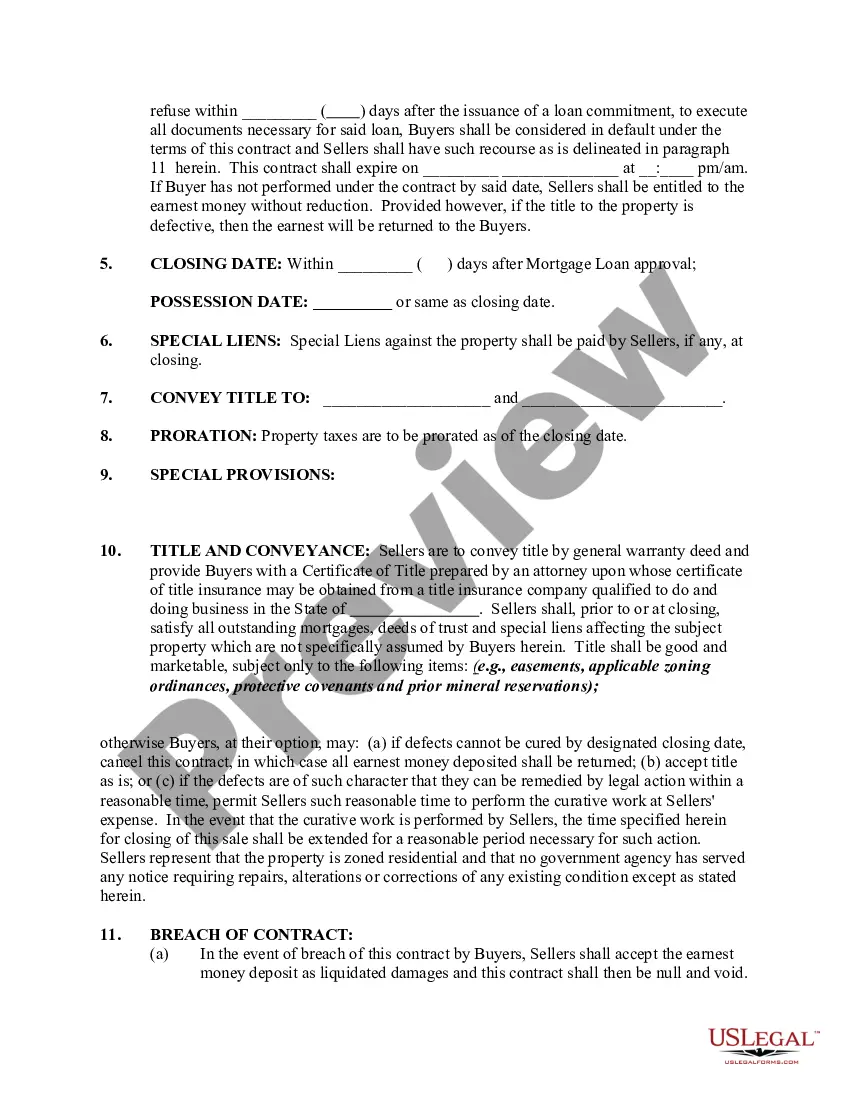
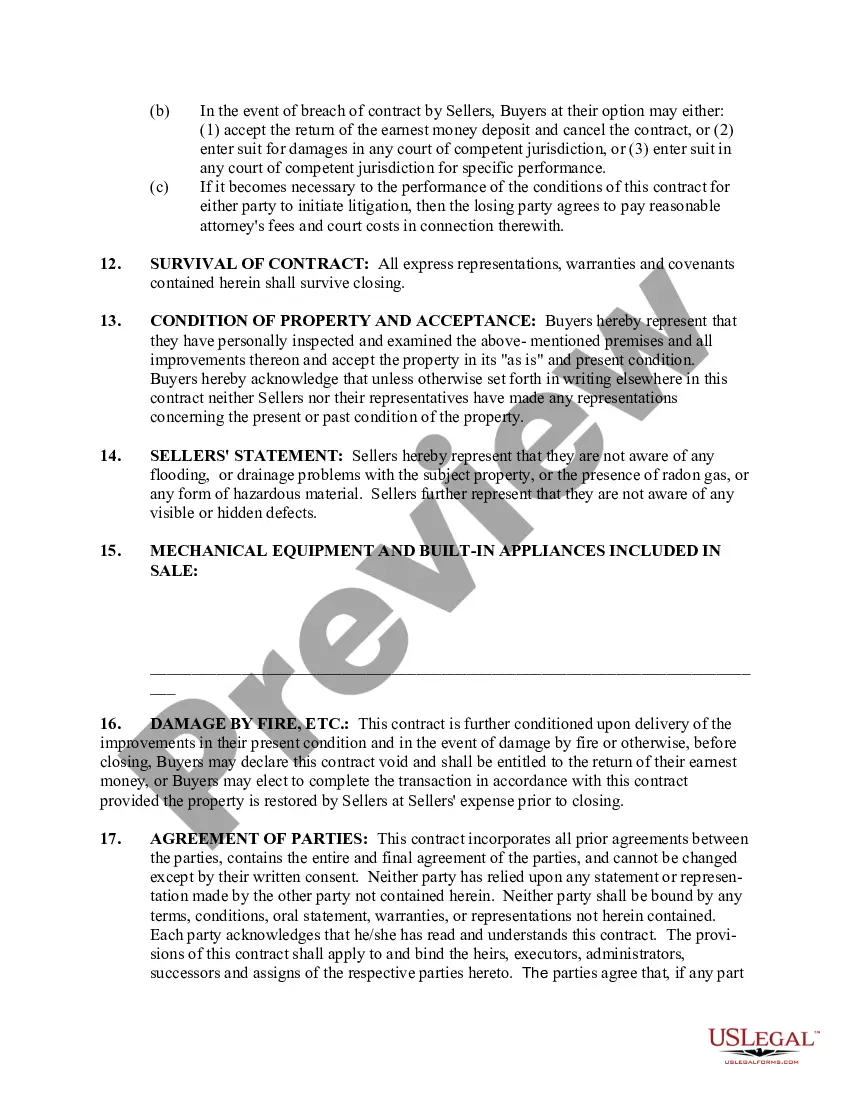
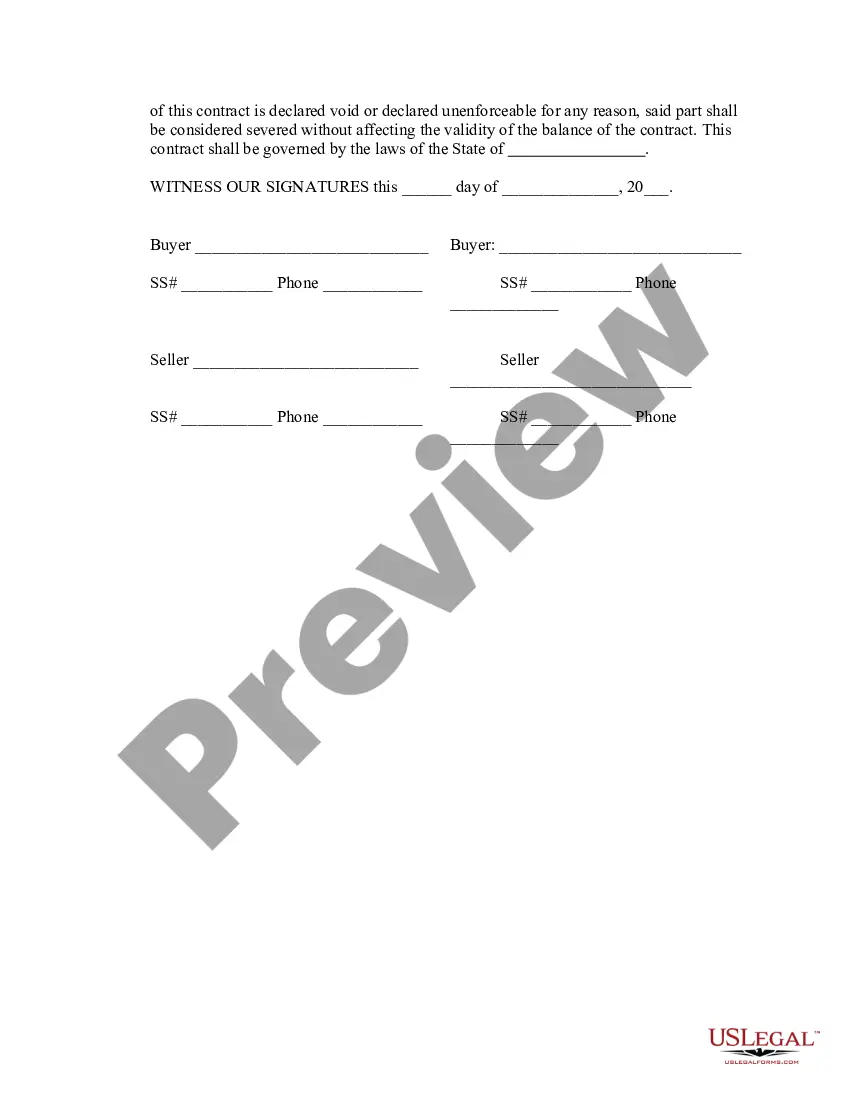
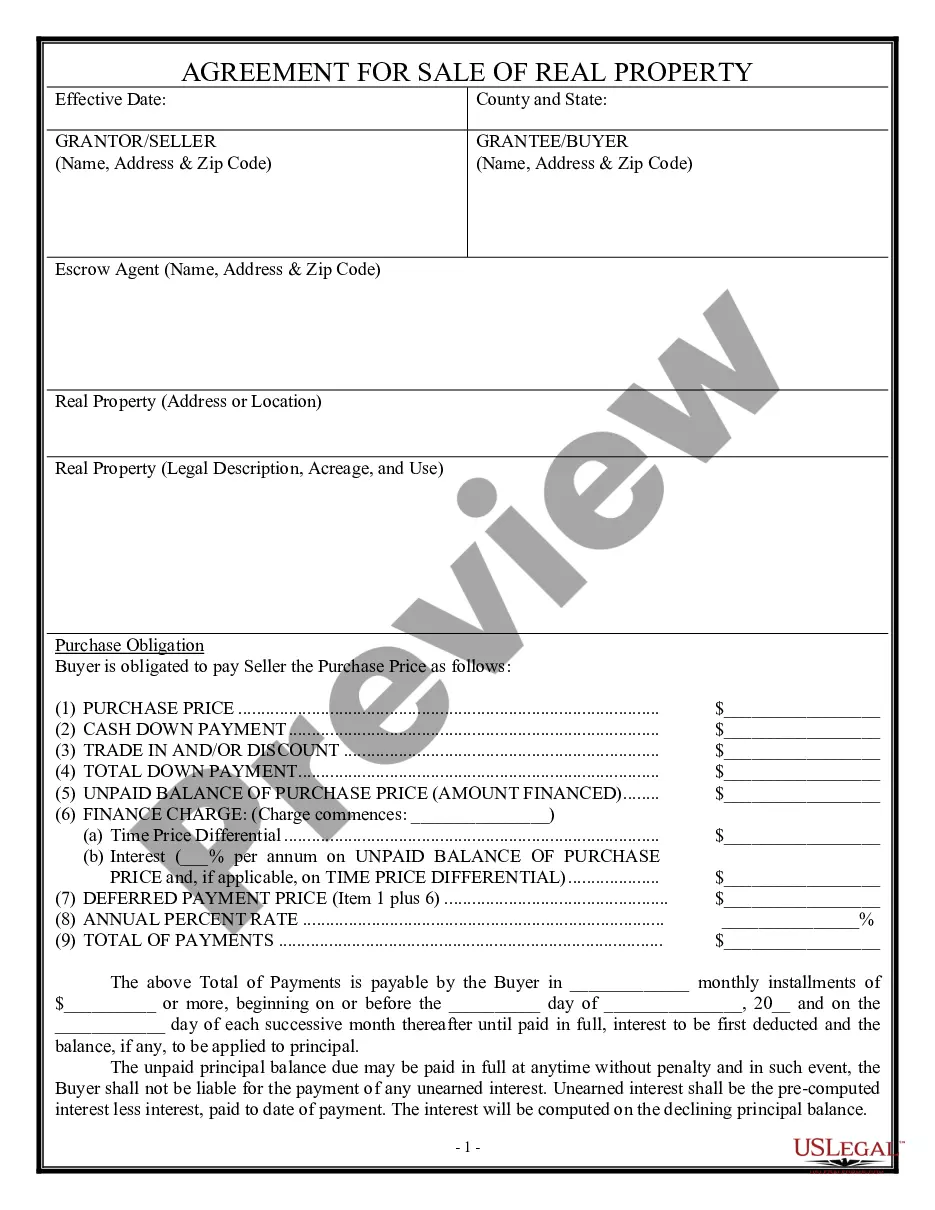
Get your form ready online
Our built-in tools help you complete, sign, share, and store your documents in one place.
Make edits, fill in missing information, and update formatting in US Legal Forms—just like you would in MS Word.
Download a copy, print it, send it by email, or mail it via USPS—whatever works best for your next step.
Sign and collect signatures with our SignNow integration. Send to multiple recipients, set reminders, and more. Go Premium to unlock E-Sign.
If this form requires notarization, complete it online through a secure video call—no need to meet a notary in person or wait for an appointment.
We protect your documents and personal data by following strict security and privacy standards.

Make edits, fill in missing information, and update formatting in US Legal Forms—just like you would in MS Word.

Download a copy, print it, send it by email, or mail it via USPS—whatever works best for your next step.

Sign and collect signatures with our SignNow integration. Send to multiple recipients, set reminders, and more. Go Premium to unlock E-Sign.

If this form requires notarization, complete it online through a secure video call—no need to meet a notary in person or wait for an appointment.

We protect your documents and personal data by following strict security and privacy standards.
Looking for another form?








Form popularity
FAQ
In Microsoft Word, "Closing" a document and "Exiting" the program are two different actions: Closing a document refers to closing the specific file that is currently open, but leaving the Microsoft Word program open to work with other files.
Mortgage Pre-Approval Is a Good Idea. Open an Escrow Account. Title Search and Insurance. Hire an Attorney. Negotiate Closing Costs. Complete the Home Inspection. Get a Pest Inspection. Renegotiate the Offer.
Closure documentation refers to the process of formally concluding a project or task by compiling comprehensive records and insights for future reference. This ensures transparency, continuity, and knowledge transfer, as well as helping teams identify successes and areas of improvement.
Probate proceedings are not necessary for all estates. Factors including the value, nature, and titling of assets de- termines whether a probate is required. Washington law provides a simpli- fied procedure for the transfer of assets in a small estate when the value of such does not exceed $100,000.
After all of the estate assets have been distributed, you can close the estate. Your attorney will prepare a declaration for your signature providing a summary of your actions as personal representative. The declaration, together with the receipts from the beneficiaries, will be filed with the court.
There are several ways to record a document at the King County Recorder's Office. You can visit our counter at the King County Customer Service Center in downtown Seattle, drop off documents to be recorded in the drop box outside the CSC building, send documents by mail, or by e-recording.
If you are the moving party and are striking a motion, please call or email the Ex Parte Coordinator at 206-477-2517 or scexparteorders@kingcounty and provide the cause number, case name, date and time of hearing, and whether you are re-noting the matter and would like working papers to be moved.
Bottom-line: As a Personal Representative, you need to either: Close your probate estate within 12 months, or. Petition the Court for an extension of time to close it, or. File a Status Report.
Ing to Washington state executor requirements, an executor has no exact timeframe to settle an estate. It can take several months and up to a year for an estate to pass through probate.
How to wind up a deceased estate Step 1: Reporting the estate. The following documents are required. Step 2: Appointing an executor. Step 3: Gathering and valuing assets. Step 4: Settling debts and liabilities. Step 5: Preparing the liquidation and distribution account. Step 6: Paying creditors and taxes.