Closure Any Property Formula In Georgia
Description

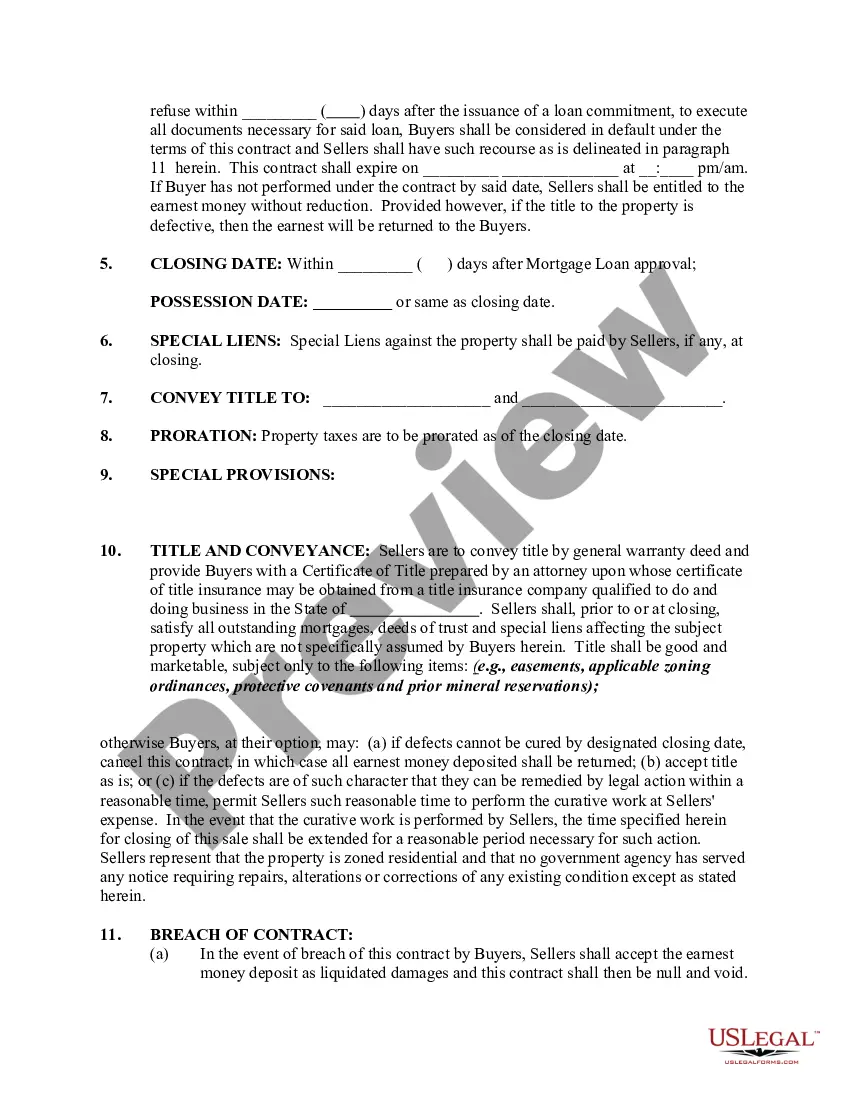
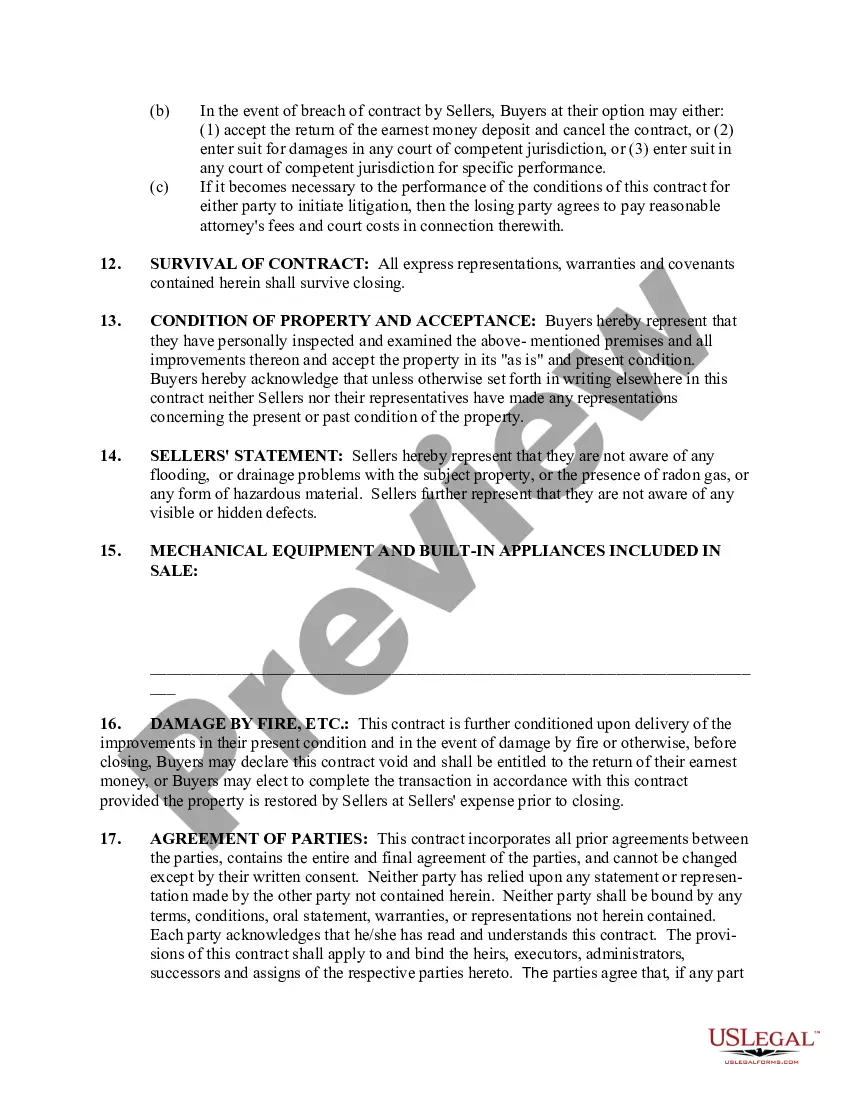
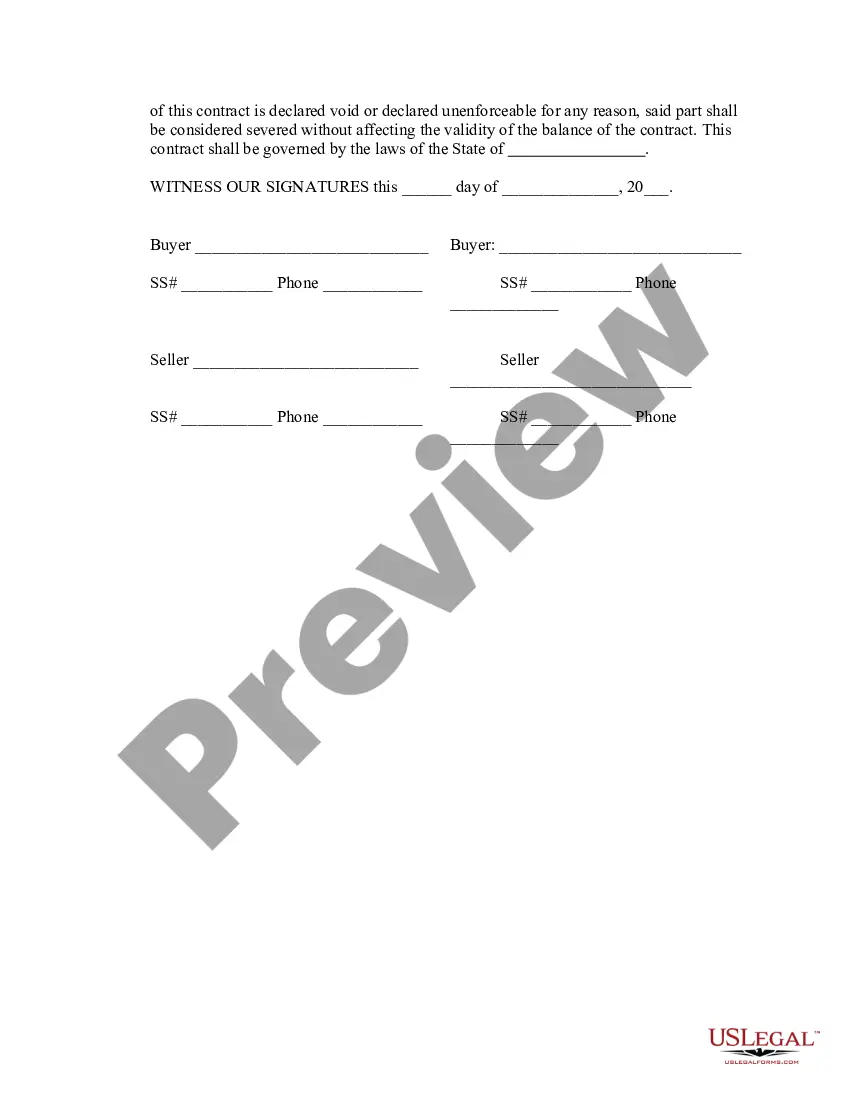
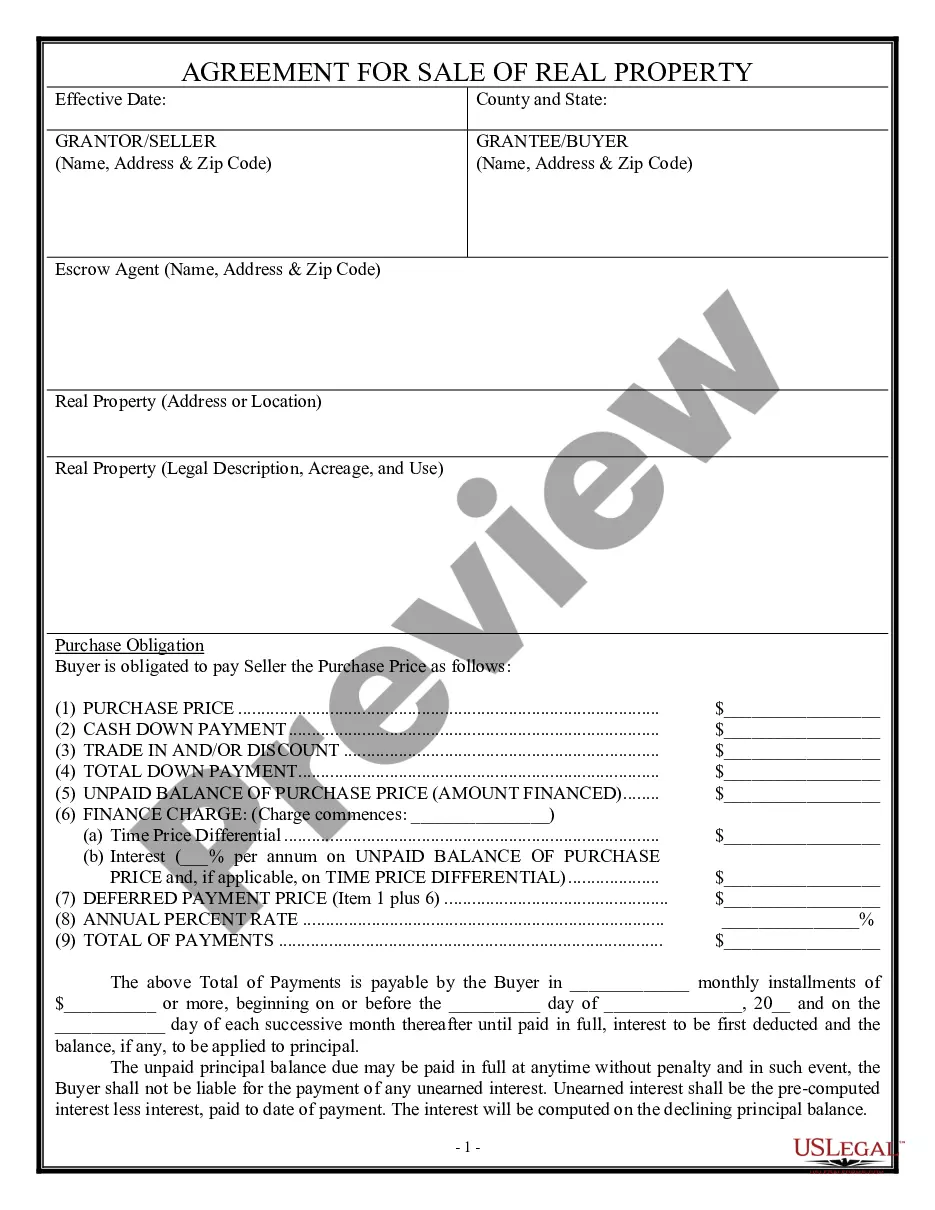
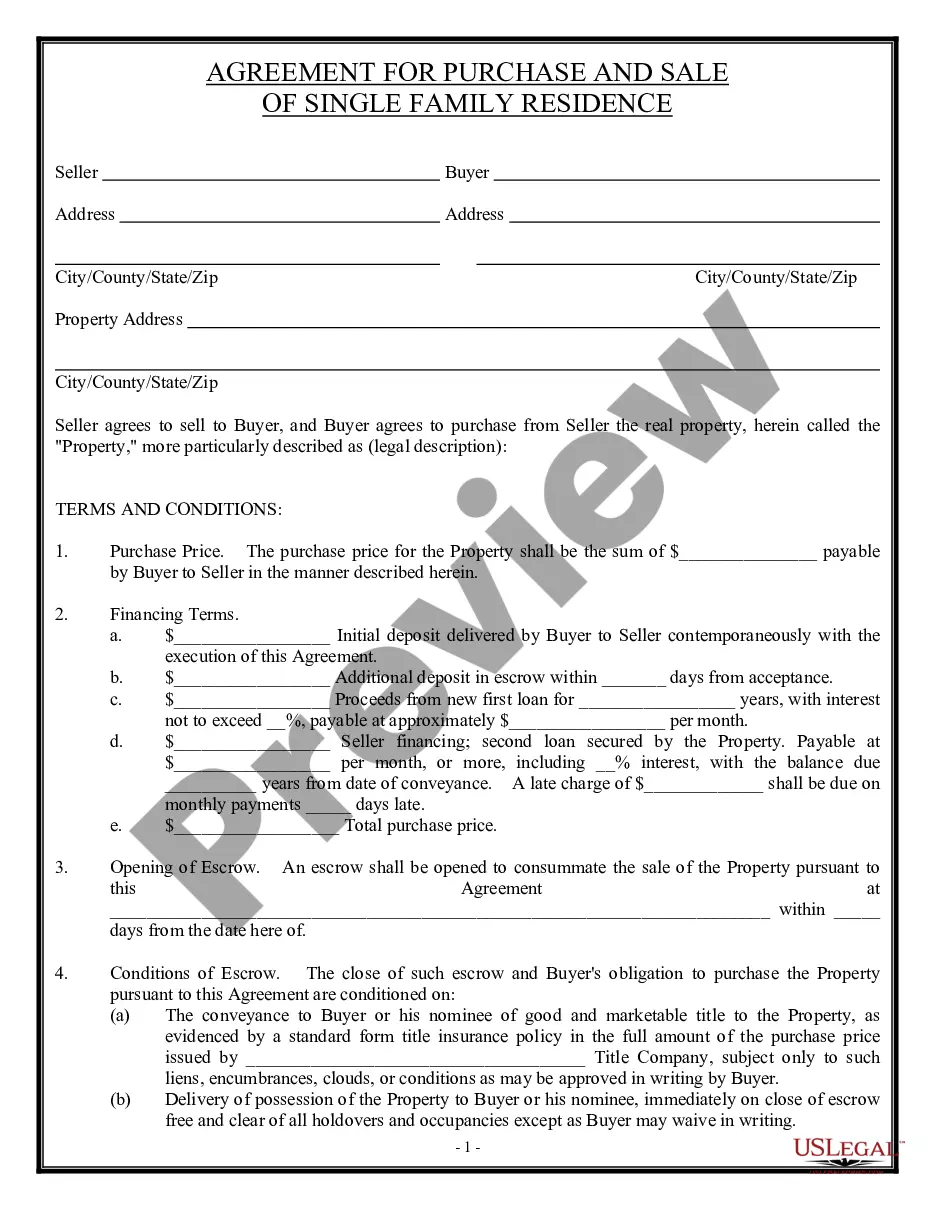
Get your form ready online
Our built-in tools help you complete, sign, share, and store your documents in one place.
Make edits, fill in missing information, and update formatting in US Legal Forms—just like you would in MS Word.
Download a copy, print it, send it by email, or mail it via USPS—whatever works best for your next step.
Sign and collect signatures with our SignNow integration. Send to multiple recipients, set reminders, and more. Go Premium to unlock E-Sign.
If this form requires notarization, complete it online through a secure video call—no need to meet a notary in person or wait for an appointment.
We protect your documents and personal data by following strict security and privacy standards.

Make edits, fill in missing information, and update formatting in US Legal Forms—just like you would in MS Word.

Download a copy, print it, send it by email, or mail it via USPS—whatever works best for your next step.

Sign and collect signatures with our SignNow integration. Send to multiple recipients, set reminders, and more. Go Premium to unlock E-Sign.

If this form requires notarization, complete it online through a secure video call—no need to meet a notary in person or wait for an appointment.

We protect your documents and personal data by following strict security and privacy standards.
Looking for another form?









Form popularity
FAQ
Sellers do not usually need to be present at a Georgia closing. Typically, the buyers will sign the final documents at the office of their title company or escrow agent or virtually, and also pick up the keys.
In the State of Georgia a Real Estate Closing (which is the entire process by which title to the property is transferred) must be conducted by a licensed Georgia attorney.
A judicial foreclosure begins when the lender files a lawsuit asking a court for an order allowing a foreclosure sale. If you don't respond with a written answer, the lender will automatically win the case. But if you choose to defend the foreclosure lawsuit, the court will review the evidence and determine the winner.
Scotty: Not as a personal representative, but in Georgia, an attorney is required to complete all aspects of the closing. So, ultimately an attorney will have to be involved as part of the closing process.
Pre-foreclosure is a legal process that occurs before the lender repossesses a property. If a homeowner is late on a certain number of payments, the lender may issue a notice of default, sending the home into pre-foreclosure. Mortgage borrowers may still have some options during pre-foreclosure to save their homes.
The redemption must take place within 12 months of the date of the sale or at any time after the sale until the right to redeem is foreclosed.
How to Figure Tax: The assessed value (40 percent of the fair market value) of a house that is worth $100,000 is $40,000. In a county where the millage rate is 25 mills the property tax on that house would be $1,000; $25 for every $1,000 of assessed value or $25 multiplied by 40 is $1,000.
In Georgia, a licensed Georgia attorney must close all real estate transactions, unlike in many states in which title companies handle escrow and closing matters.
An Attorney is Required Anyone selling, conveying, obtaining a reverse mortgage, or refinancing real estate in Georgia needs an attorney to conduct the closing.
