Closing Property Title With Deed In Fulton
Description

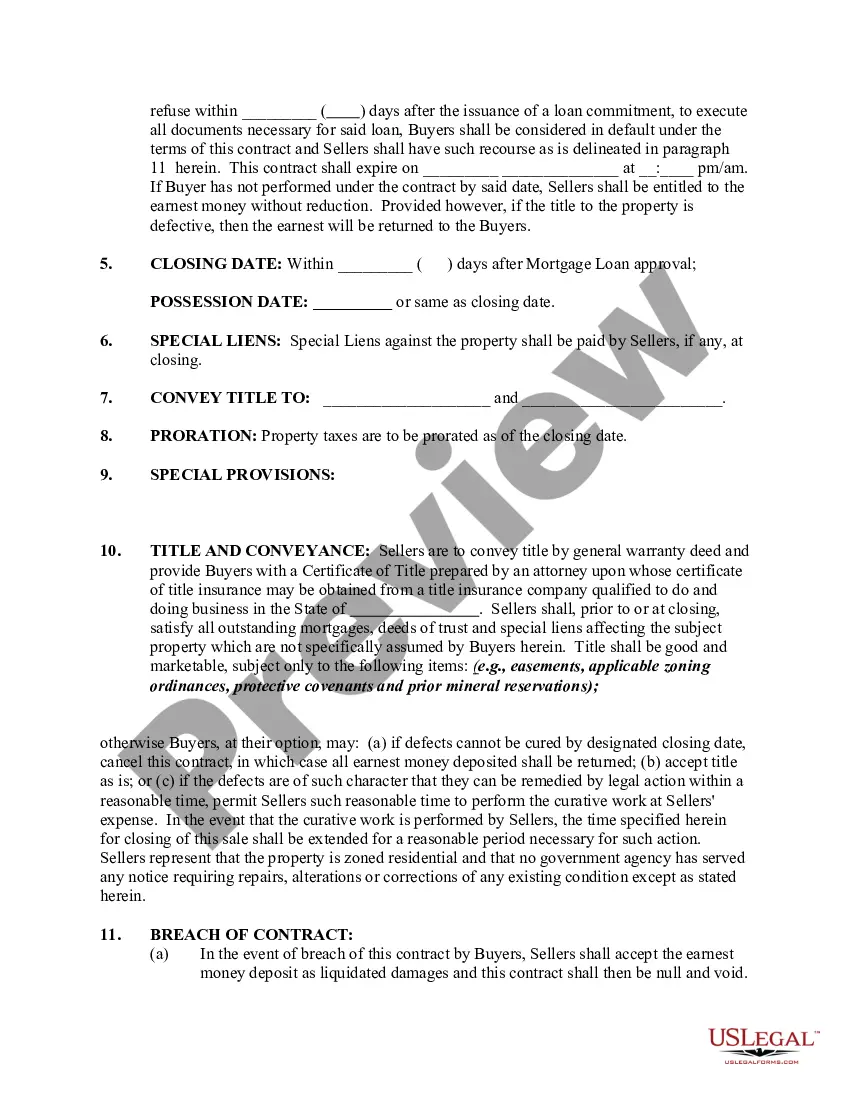
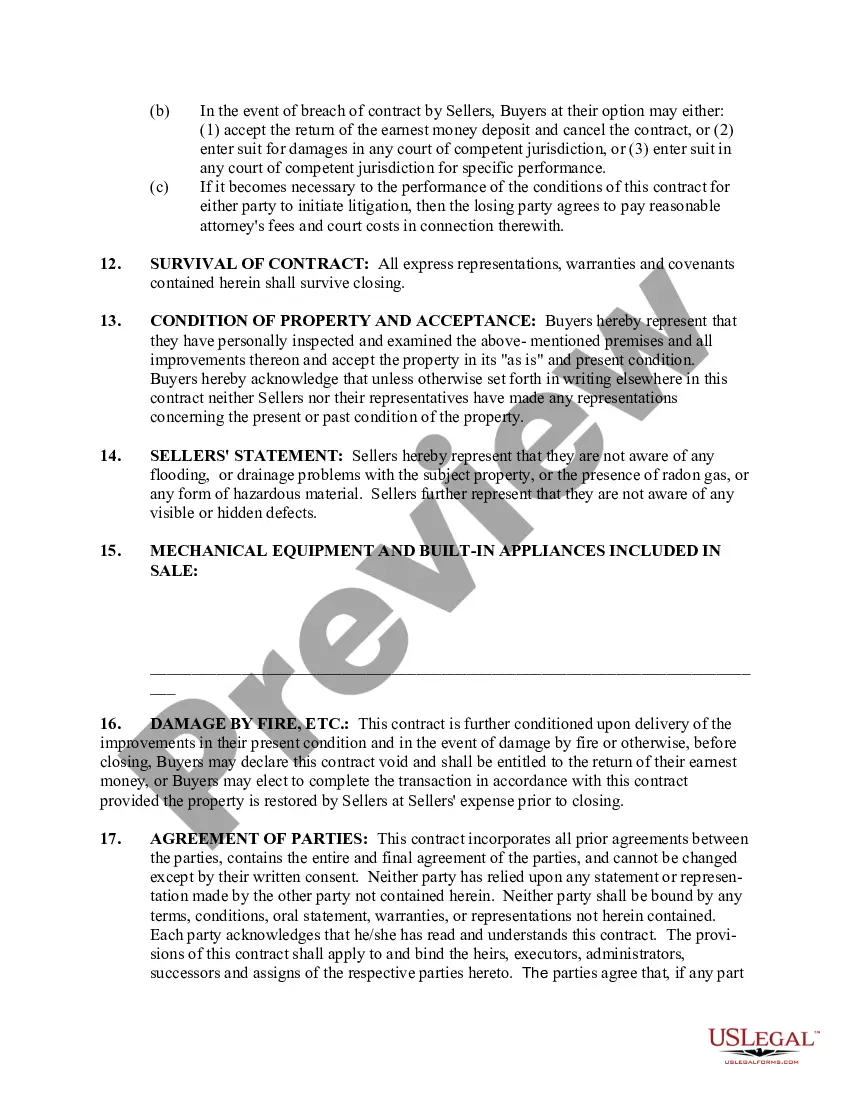
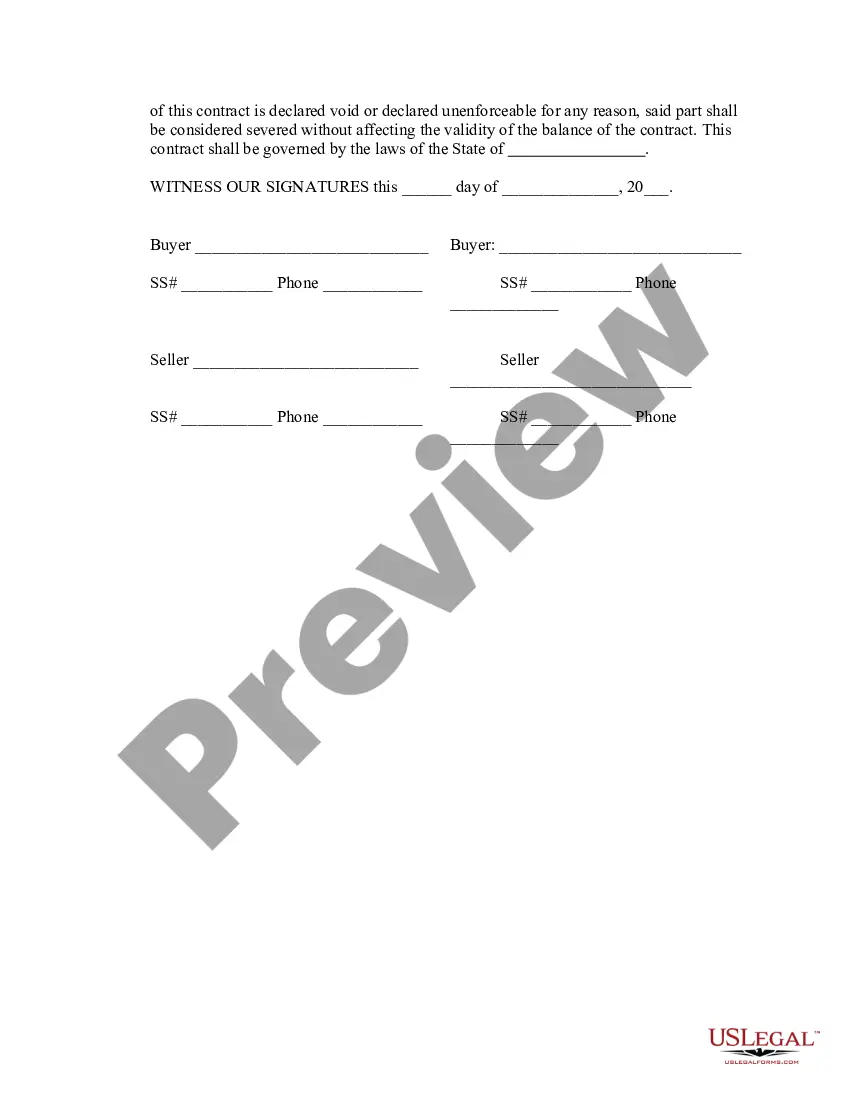
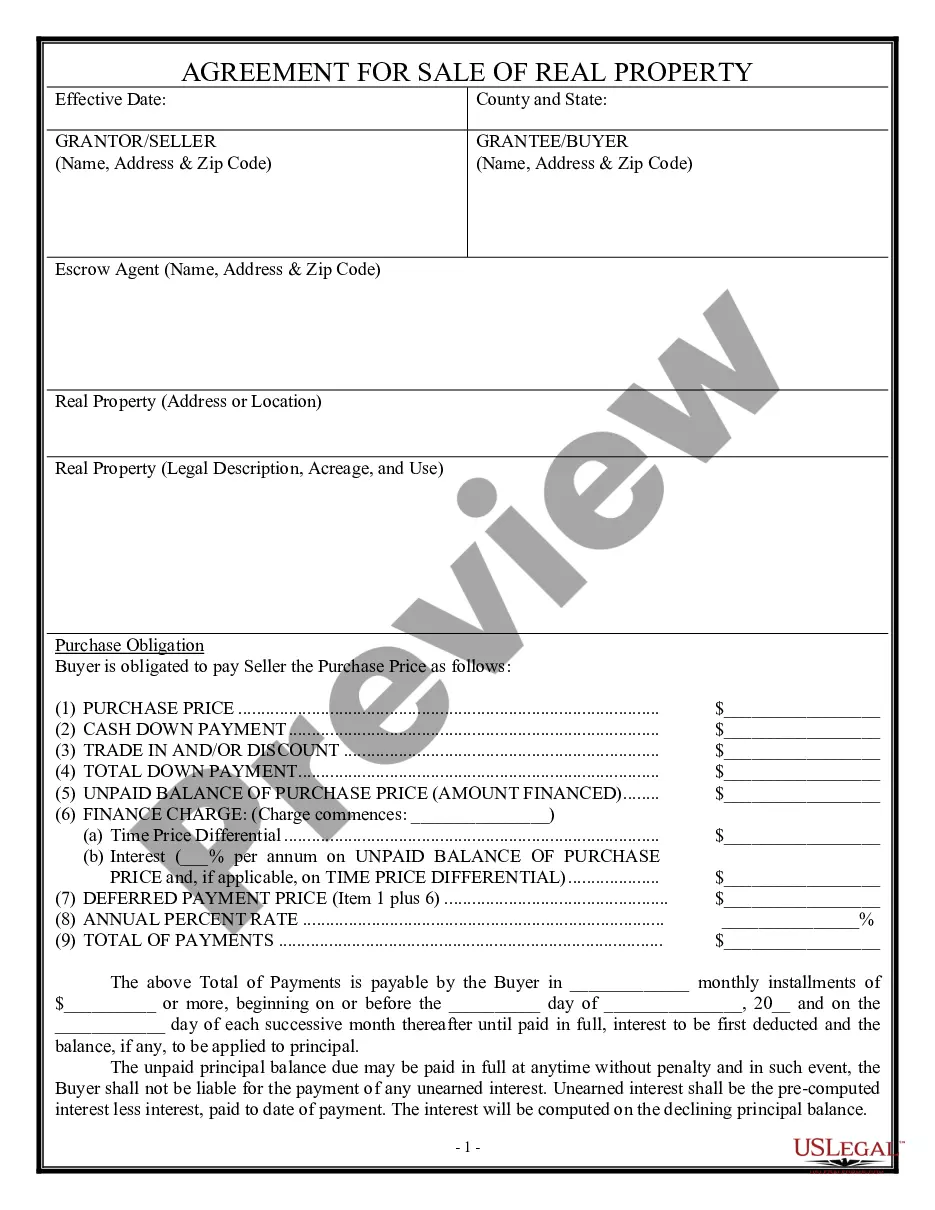
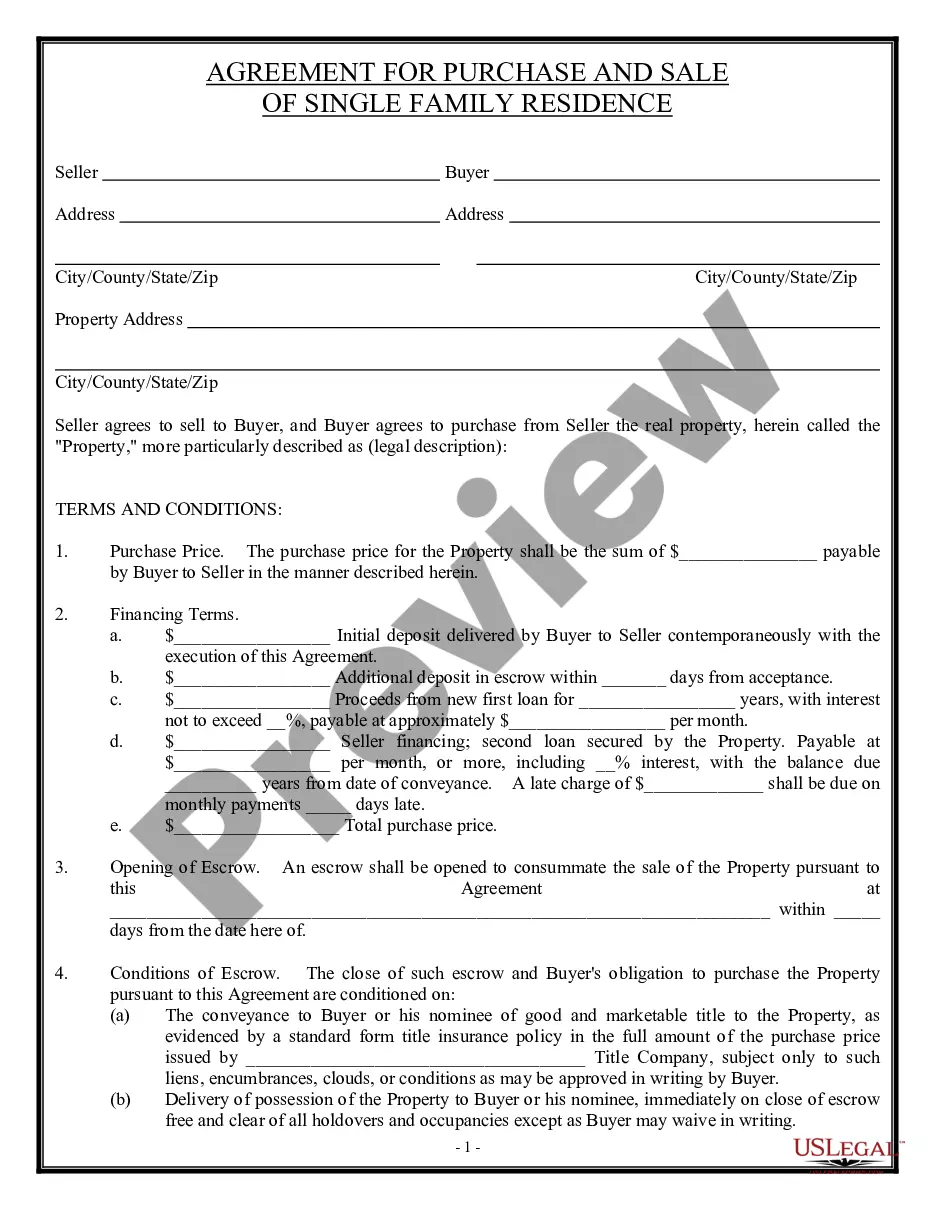
Get your form ready online
Our built-in tools help you complete, sign, share, and store your documents in one place.
Make edits, fill in missing information, and update formatting in US Legal Forms—just like you would in MS Word.
Download a copy, print it, send it by email, or mail it via USPS—whatever works best for your next step.
Sign and collect signatures with our SignNow integration. Send to multiple recipients, set reminders, and more. Go Premium to unlock E-Sign.
If this form requires notarization, complete it online through a secure video call—no need to meet a notary in person or wait for an appointment.
We protect your documents and personal data by following strict security and privacy standards.

Make edits, fill in missing information, and update formatting in US Legal Forms—just like you would in MS Word.

Download a copy, print it, send it by email, or mail it via USPS—whatever works best for your next step.

Sign and collect signatures with our SignNow integration. Send to multiple recipients, set reminders, and more. Go Premium to unlock E-Sign.

If this form requires notarization, complete it online through a secure video call—no need to meet a notary in person or wait for an appointment.

We protect your documents and personal data by following strict security and privacy standards.
Looking for another form?





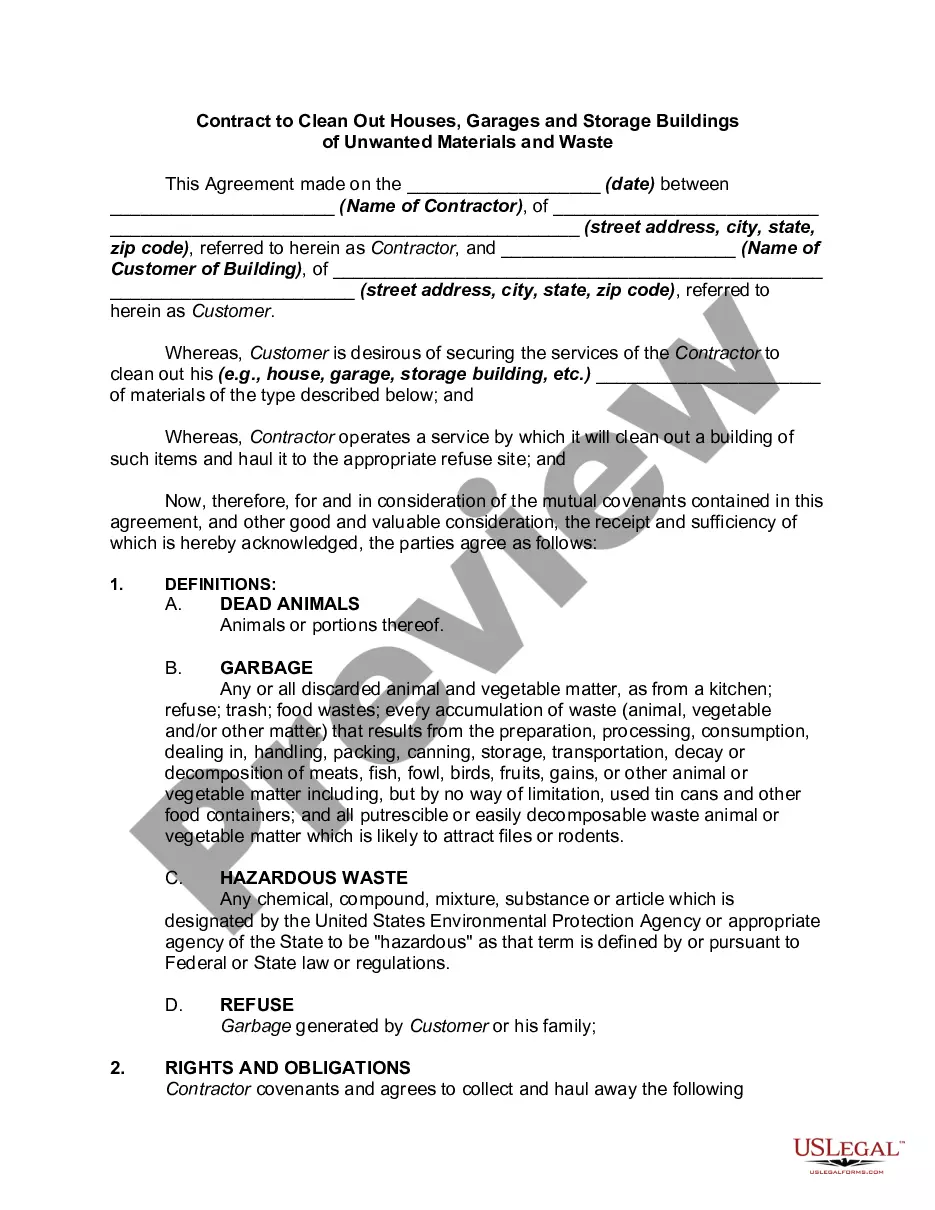




Form popularity
FAQ
Quick Claim Deed Ga While you will not require an attorney for this legal form, it must be signed, and a notary public will be required to notarize the signatures of both parties, the grantor and the grantee. This verifies that both individuals signing the form are who they represent themselves to be.
Except for documents electronically filed as provided for in Chapter 12 of Title 10 and Part 1 of Article 1 of Chapter 2 of this title, a deed to lands shall be an original document, in writing, signed by the maker, attested by an officer as provided in Code Section 44-2-15, and attested by one other witness.
In the state of Georgia, a quitclaim deed needs to be signed by both parties and two witnesses in the presence of a notary. One witness can be used if the notary also signs as a witness.
Deed must be attested, acknowledged, or proven by affidavit. - To admit a deed to record, it must be a perfect deed. It must be attested by two witnesses. It must be attested or acknowledged, if executed in this state, as provided in former Civil Code 1910, § 4202 (see O.C.G.A.
You can access all recorded deeds, liens, plats and UCC's online at gsccca or visit our office at 75 Langley Drive, Lawrenceville GA 30046.
Requirements to be filed The deed must describe the real property, full legal description. Name the party/parties transferring the property (grantor) Name the party/parties receiving the property (grantee) Be signed and notarized by the grantor with a witness.
- To admit a deed to record, it must be a perfect deed. It must be attested by two witnesses. It must be attested or acknowledged, if executed in this state, as provided in former Civil Code 1910, § 4202 (see O.C.G.A. § 44-2-15), or it must be probated as provided in former Civil Code 1910, § 4205 (see O.C.G.A.
Georgia law requires the grantor's signature to be notarized and also signed by another witness. Therefore, the grantor must sign the deed in the presence of a notary public and the other witness. This step certifies that the correct party has indeed signed the document, reducing the risk of fraud.
"It is the opinion of the State Bar of Georgia that the physical presence of an attorney is required for the preparation and execution of a deed of conveyance (including, but not limited to, a warranty deed, limited warranty deed, quitclaim deed, security deed, and deed to secure debt).
Here are the steps to completing a deed transfer in Georgia: Names the Current Owner and New Owner. Contains a Description of the Property. Signed by Current Owner. Two Witnesses: Unofficial Witness & Notary Public. Complete a PT-61, Transfer Tax Form. Record Deed in County Real Estate Records.
