Closing Property Title Form Texas In Fulton
Description

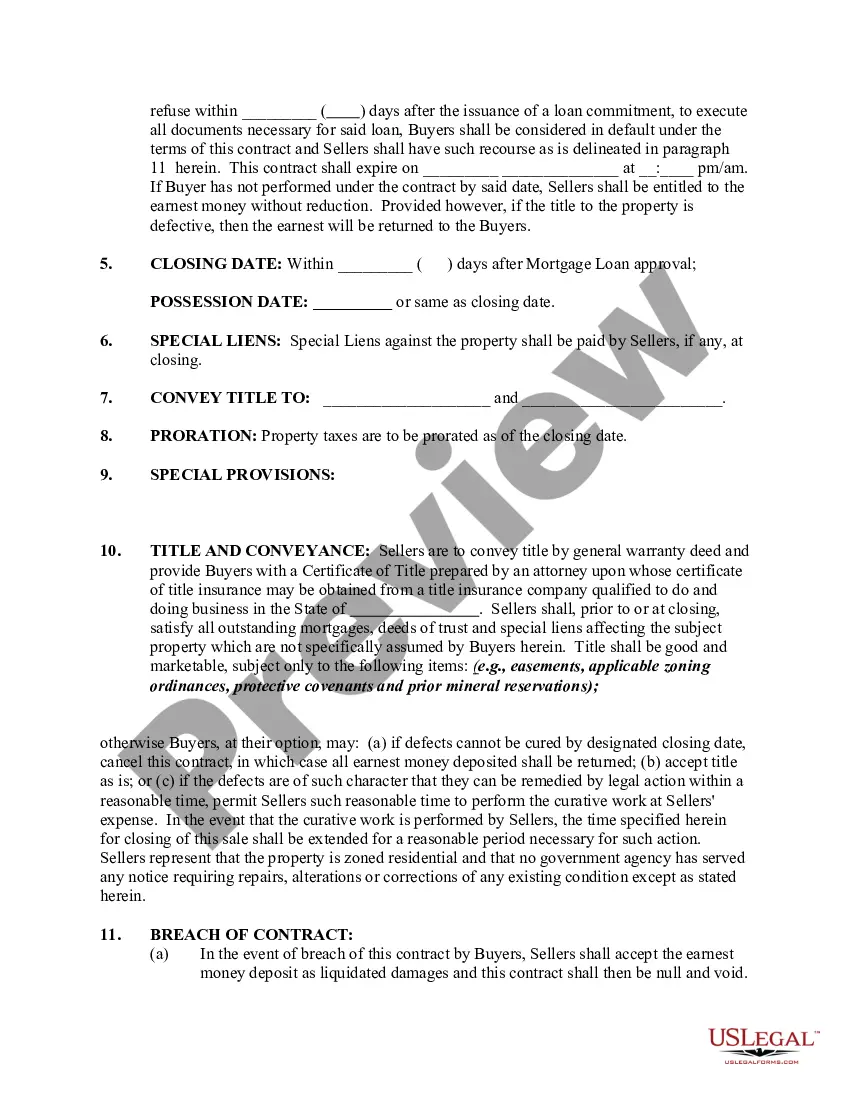
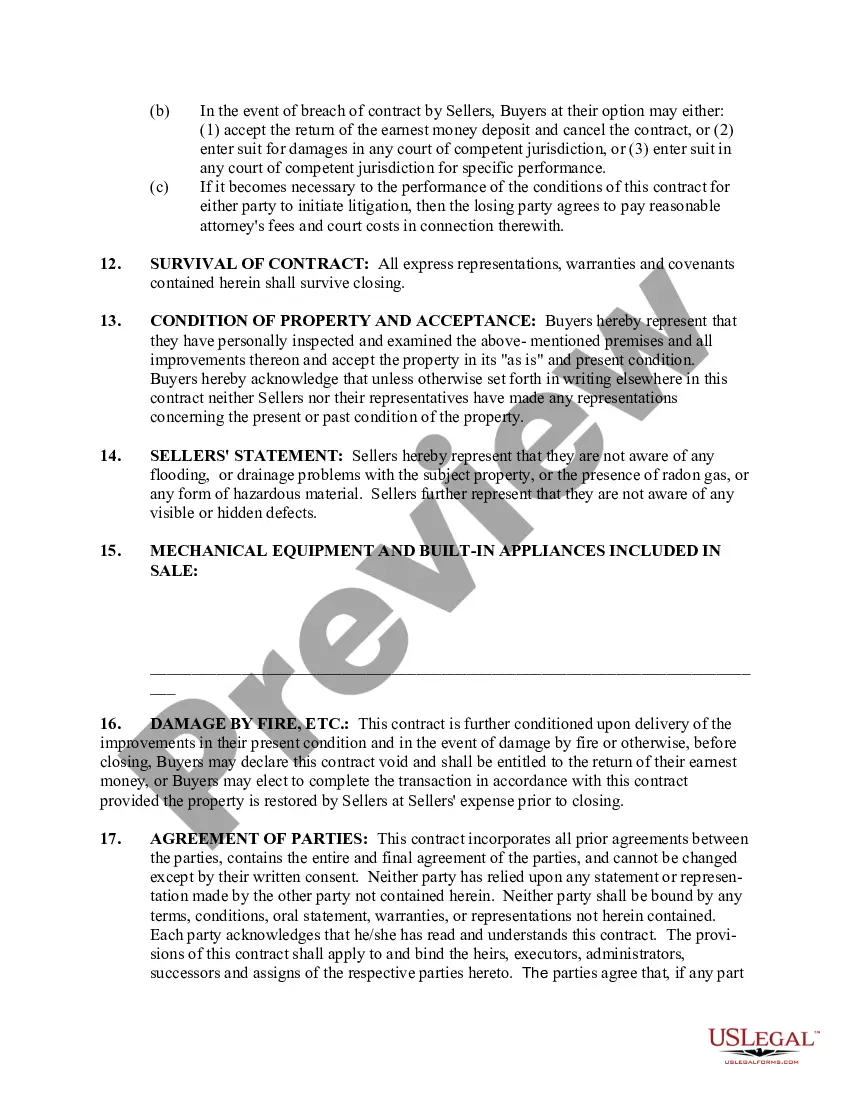
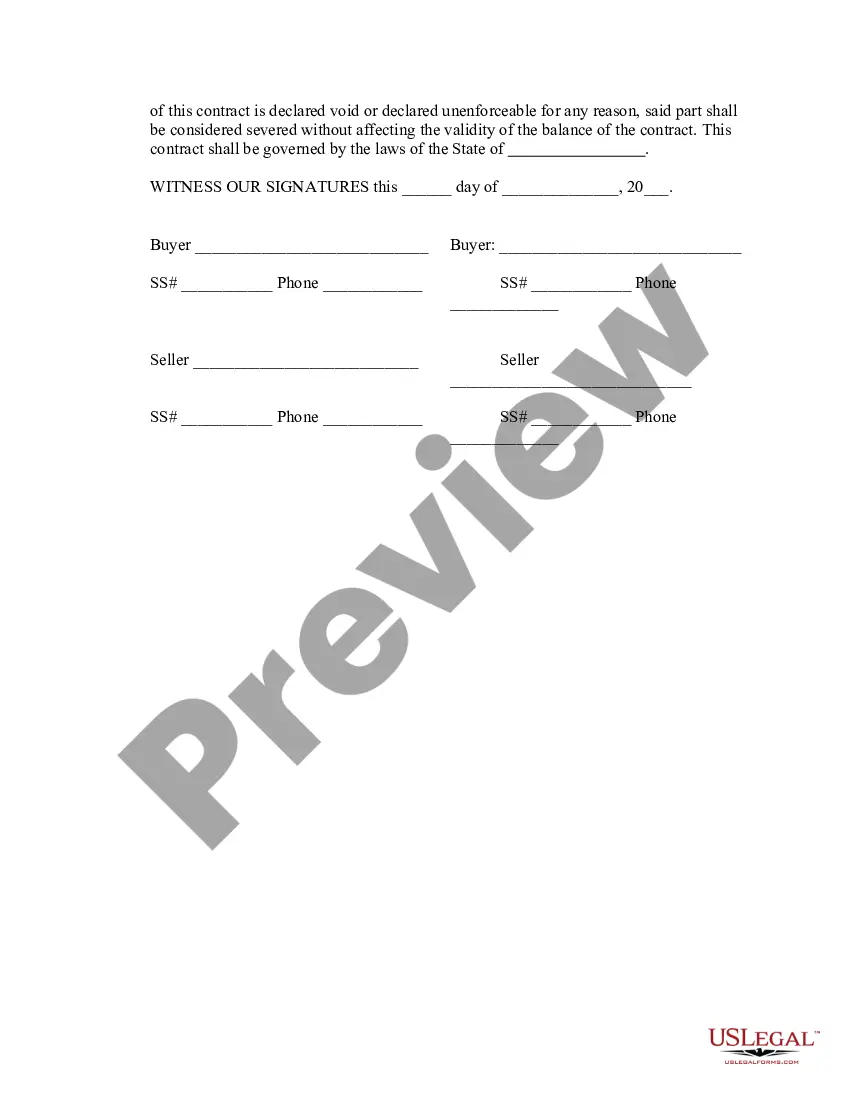
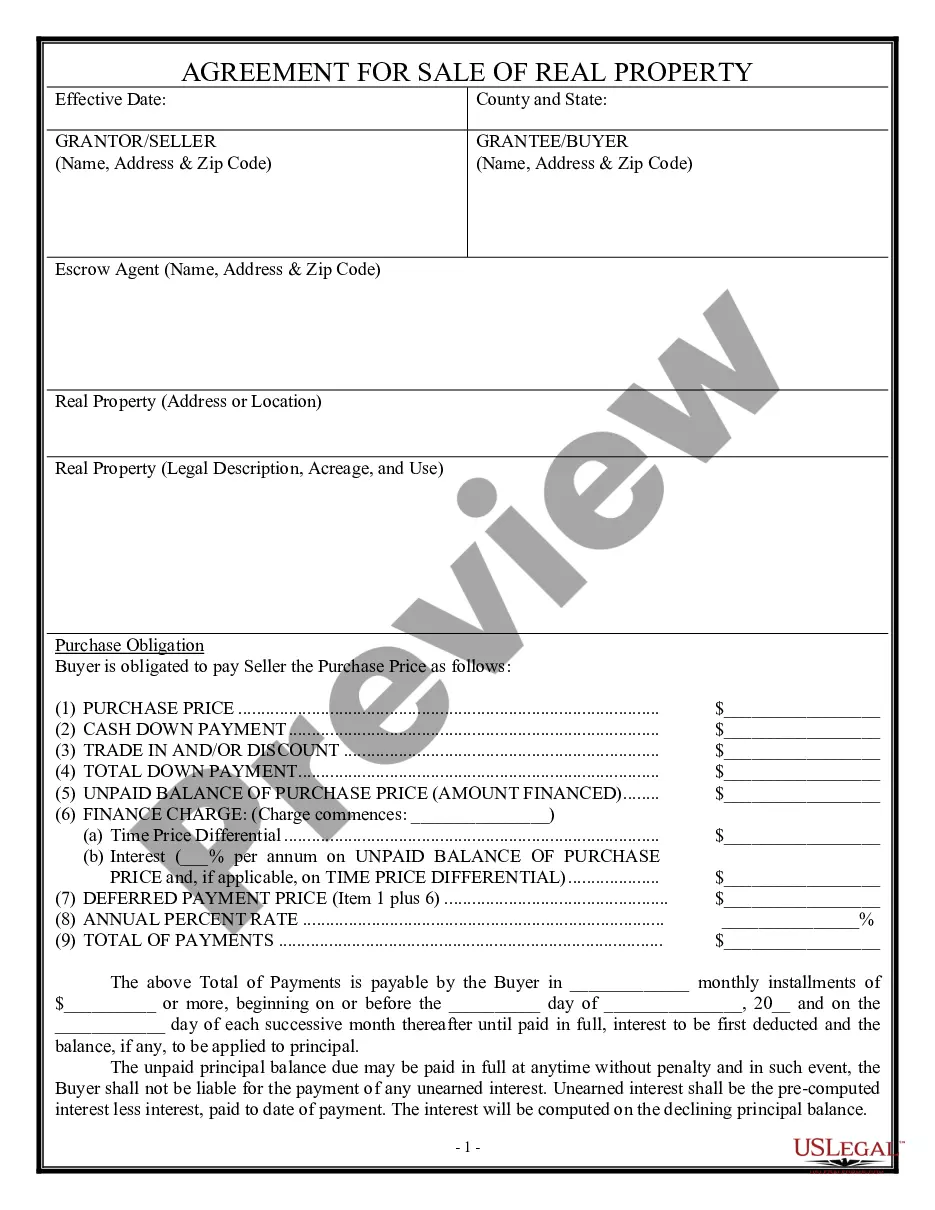
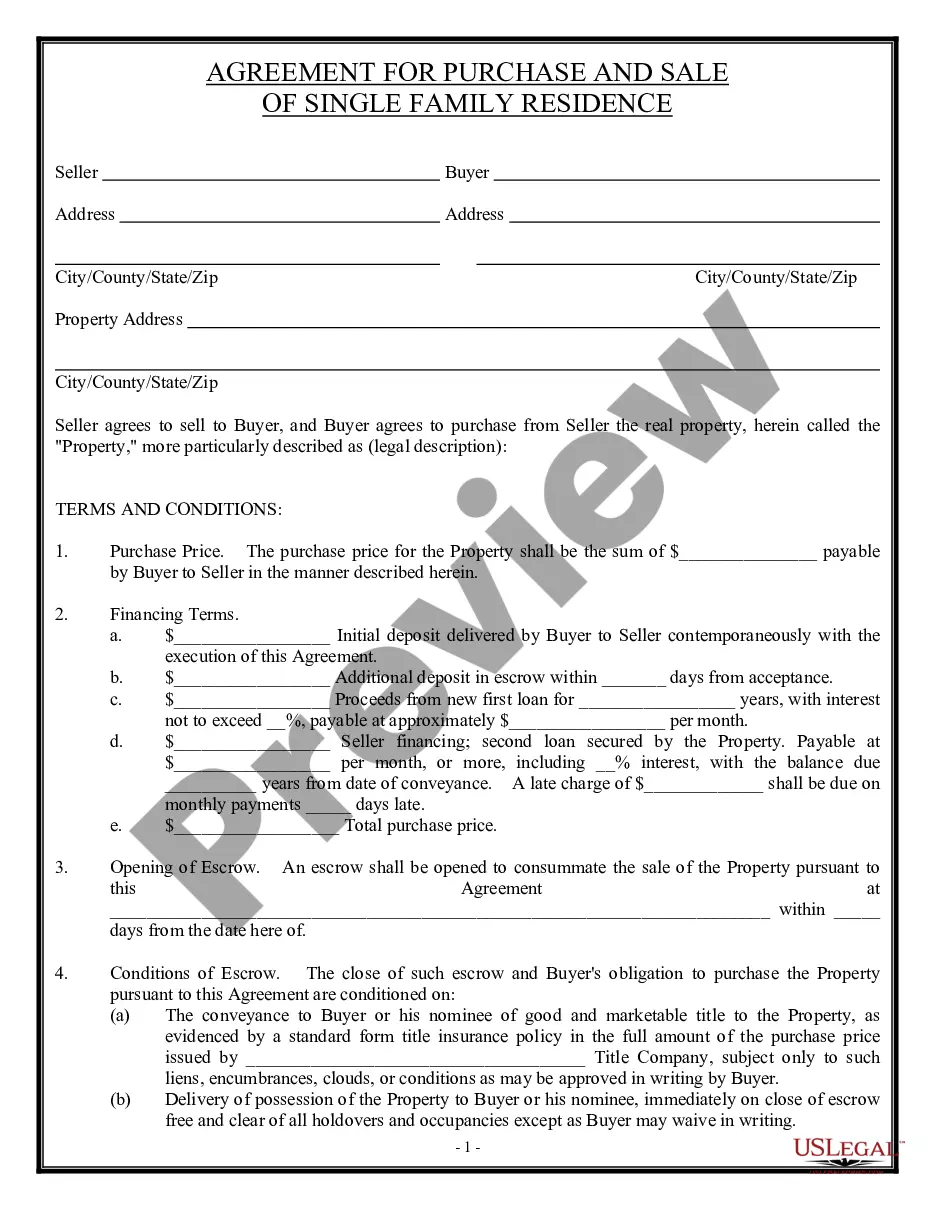
Get your form ready online
Our built-in tools help you complete, sign, share, and store your documents in one place.
Make edits, fill in missing information, and update formatting in US Legal Forms—just like you would in MS Word.
Download a copy, print it, send it by email, or mail it via USPS—whatever works best for your next step.
Sign and collect signatures with our SignNow integration. Send to multiple recipients, set reminders, and more. Go Premium to unlock E-Sign.
If this form requires notarization, complete it online through a secure video call—no need to meet a notary in person or wait for an appointment.
We protect your documents and personal data by following strict security and privacy standards.

Make edits, fill in missing information, and update formatting in US Legal Forms—just like you would in MS Word.

Download a copy, print it, send it by email, or mail it via USPS—whatever works best for your next step.

Sign and collect signatures with our SignNow integration. Send to multiple recipients, set reminders, and more. Go Premium to unlock E-Sign.

If this form requires notarization, complete it online through a secure video call—no need to meet a notary in person or wait for an appointment.

We protect your documents and personal data by following strict security and privacy standards.
Looking for another form?

Form popularity
FAQ
Transfers of real property must be in writing and notarized. Deeds should be recorded in the county where the property is located. To ensure a legal change to the property title, you'll want the services of an attorney. A qualified attorney will prepare and file the real estate transfer deed.
Transfers of real property must be in writing and notarized. Deeds should be recorded in the county where the property is located. To ensure a legal change to the property title, you'll want the services of an attorney. A qualified attorney will prepare and file the real estate transfer deed.
In Texas, you record your deed with the County Clerk in the county where the property exists. If the property is in more than one county, record it in each. It is important to record your deed. In Texas, the property is legally transferred when the grantee accepts the signed deed.
It usually takes four to six weeks to complete the legal processes involved in the transfer of title.
A deed is an official written document declaring a person's legal ownership of a property, while a title is a legal concept that refers to ownership rights. Here's a way to remember the difference: You can own a physical copy of a book, but you can't hold the book's title in your hand.
The most common proof of ownership we receive is a deed. While it is common for deeds to be recorded in the County Clerk's office public records, there is no requirement.
Title Transfer The original title assigned from the seller to the buyer. An Application for Texas Title (130-U) completed by buyer(s), buyer(s) signature must be original. Government issued photo ID for buyer. Proof of Texas liability insurance. Supporting documents for example:
To prove title to real property, you'll need to file certain documents with the county's clerk office. This must be done in the county where the property is located. It will help establish the chain of title, allow you to sell the property, etc. The county cannot add your name to the deed or issue a new deed.
Once a deed has been recorded by the County Clerk's Office, copies of the deed may be requested if the original deed has been misplaced. Plain copies can be found by using the Official Public Records Search and selecting "Land Records". A certified copy may be purchased through request either in person or by mail.
47 affidavit, also known as the "Affidavit of Physical Condition," is a legal document used in the state of Texas during a property sale. It is used to certify that the seller of a property has not made any changes or alterations to the property since the survey was completed.
