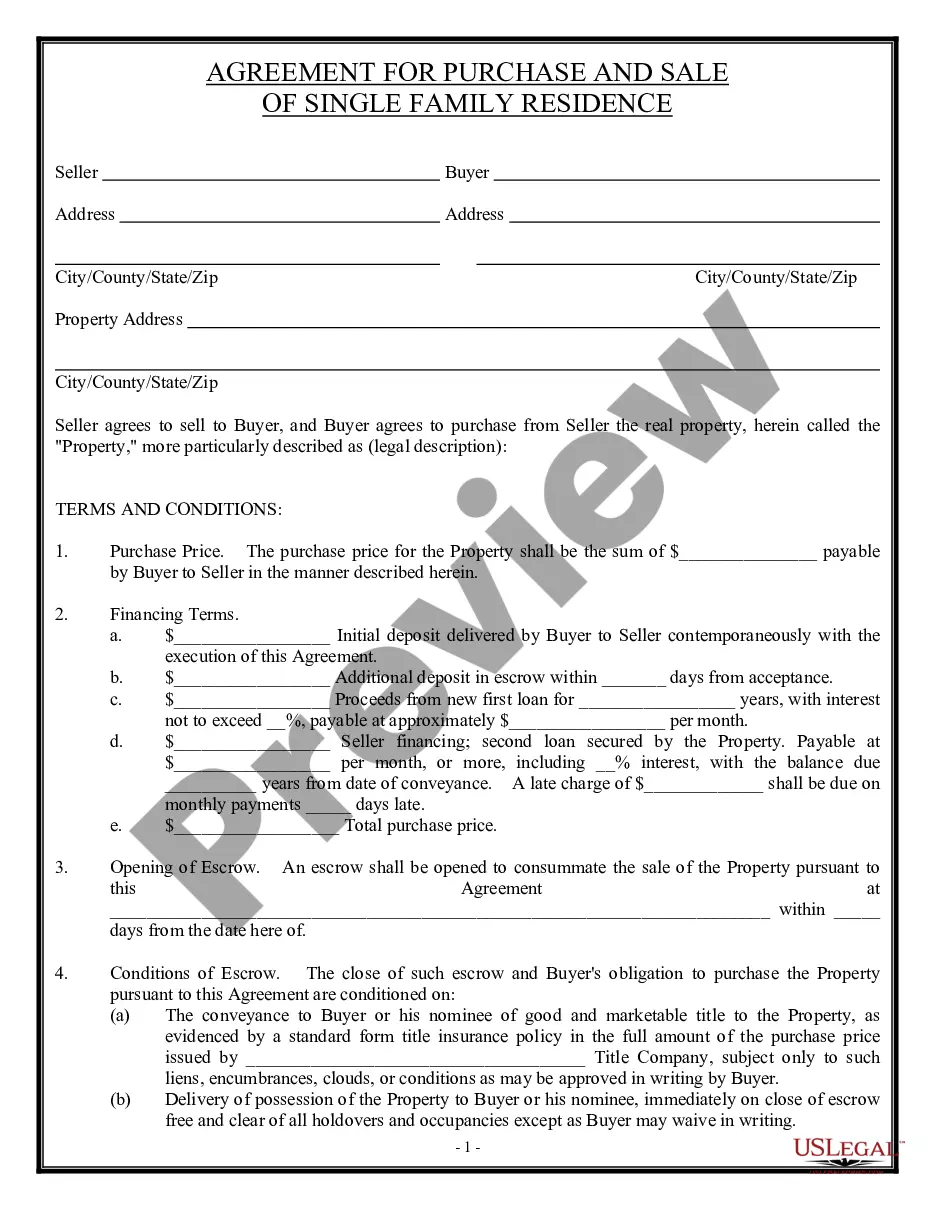
Sell Closure Property With Example In Franklin
Description

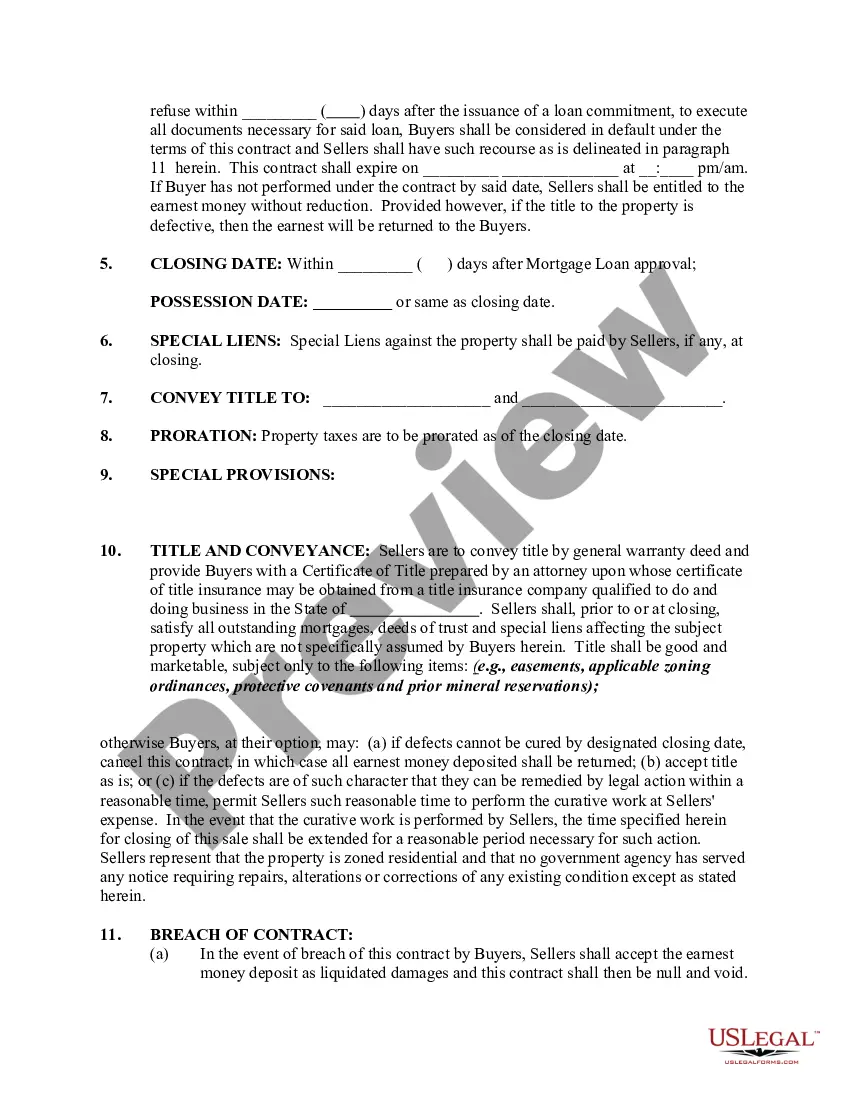
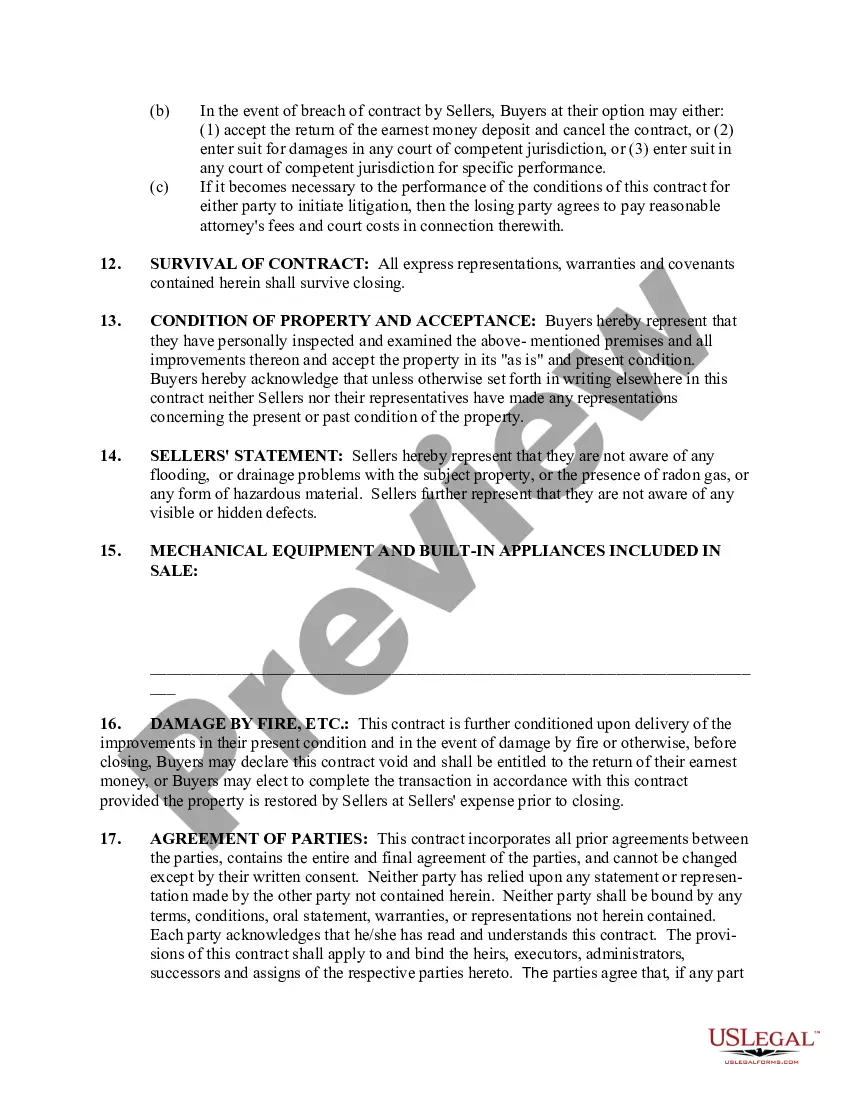
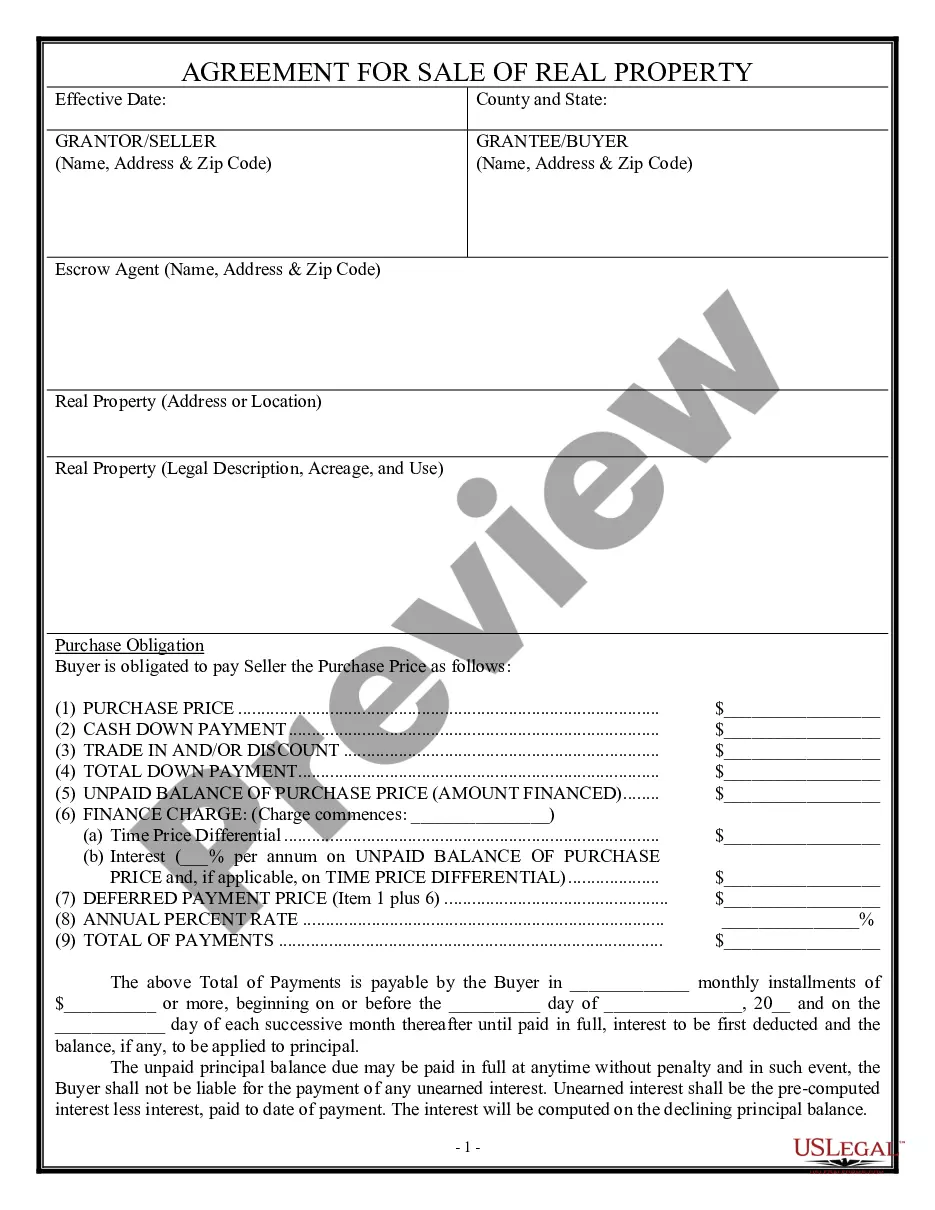
Get your form ready online
Our built-in tools help you complete, sign, share, and store your documents in one place.
Make edits, fill in missing information, and update formatting in US Legal Forms—just like you would in MS Word.
Download a copy, print it, send it by email, or mail it via USPS—whatever works best for your next step.
Sign and collect signatures with our SignNow integration. Send to multiple recipients, set reminders, and more. Go Premium to unlock E-Sign.
If this form requires notarization, complete it online through a secure video call—no need to meet a notary in person or wait for an appointment.
We protect your documents and personal data by following strict security and privacy standards.

Make edits, fill in missing information, and update formatting in US Legal Forms—just like you would in MS Word.

Download a copy, print it, send it by email, or mail it via USPS—whatever works best for your next step.

Sign and collect signatures with our SignNow integration. Send to multiple recipients, set reminders, and more. Go Premium to unlock E-Sign.

If this form requires notarization, complete it online through a secure video call—no need to meet a notary in person or wait for an appointment.

We protect your documents and personal data by following strict security and privacy standards.
Looking for another form?


Form popularity
FAQ
By conducting the kite experiment Franklin proved that lighting was an electrical discharge and realized that it can be charged over a conductor into the ground providing a safe alternative path and eliminating the risk of deadly fires.
The “1 to 10” close is a sales technique that works particularly well with conscientious customers who like to analyze things before deciding. When you want to try and close the sale, ask them how close they are to deciding on a scale from 1 to 10, with 1 being not interested and 10 being ready to buy.
Best closing questions in sales Which of these two options would you prefer? ... What do you think? ... Do you have any queries? ... Do you need this functionality or that? ... Can you see any advantages to that? ... Does that make sense to you? ... What are your impressions of the product/service? ... Why do you require that specific feature?
Franklin had a powerful exercise called "Assets and Liabilities." It's a brutally honest look at your strengths and weaknesses—a balance sheet for your character. Think of it as a strengths and weaknesses inventory, but with a twist. You don't just list them—you work to shift your weaknesses into strengths.
The Ben Franklin Close is a sales closing strategy where a salesperson builds a pros-and-cons list with a prospect about a specific offering. The method lets a sales rep better understand their prospect's values and priorities while allowing them to clearly convey a product or service's benefits.
The Probability Close permits prospects to focus in on their own objections. It allows the true, or hidden, objections to surface. You'll soon realize that the more prospects fight you and the less candid they are about the probability of closing, the less likely they are to buy anything.
