Closing Property Title With Mortgage In Florida
Description

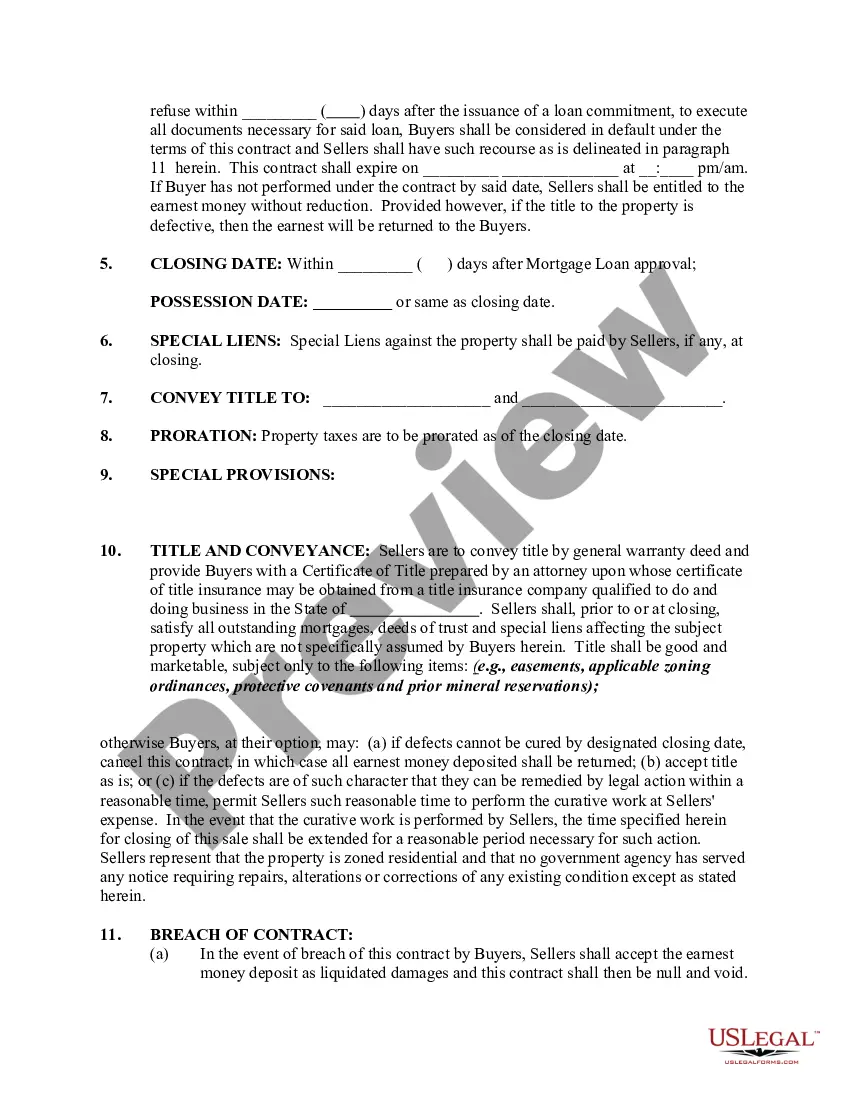
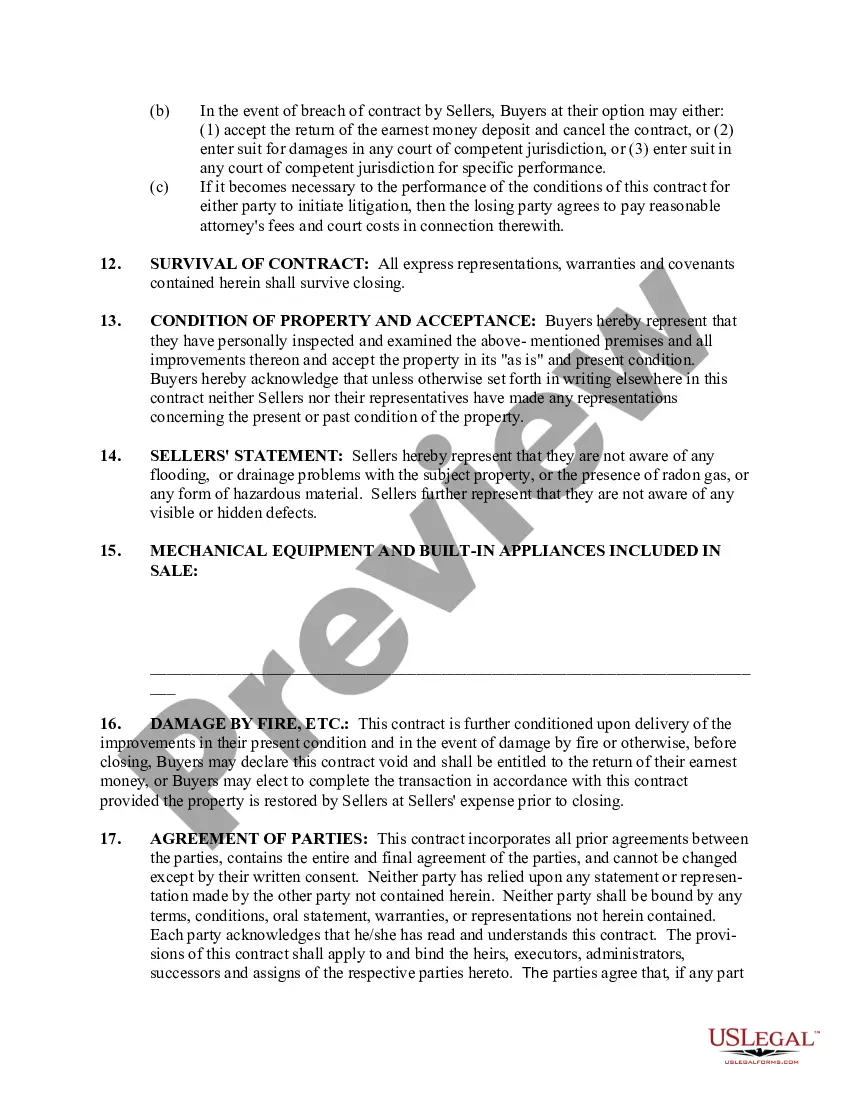
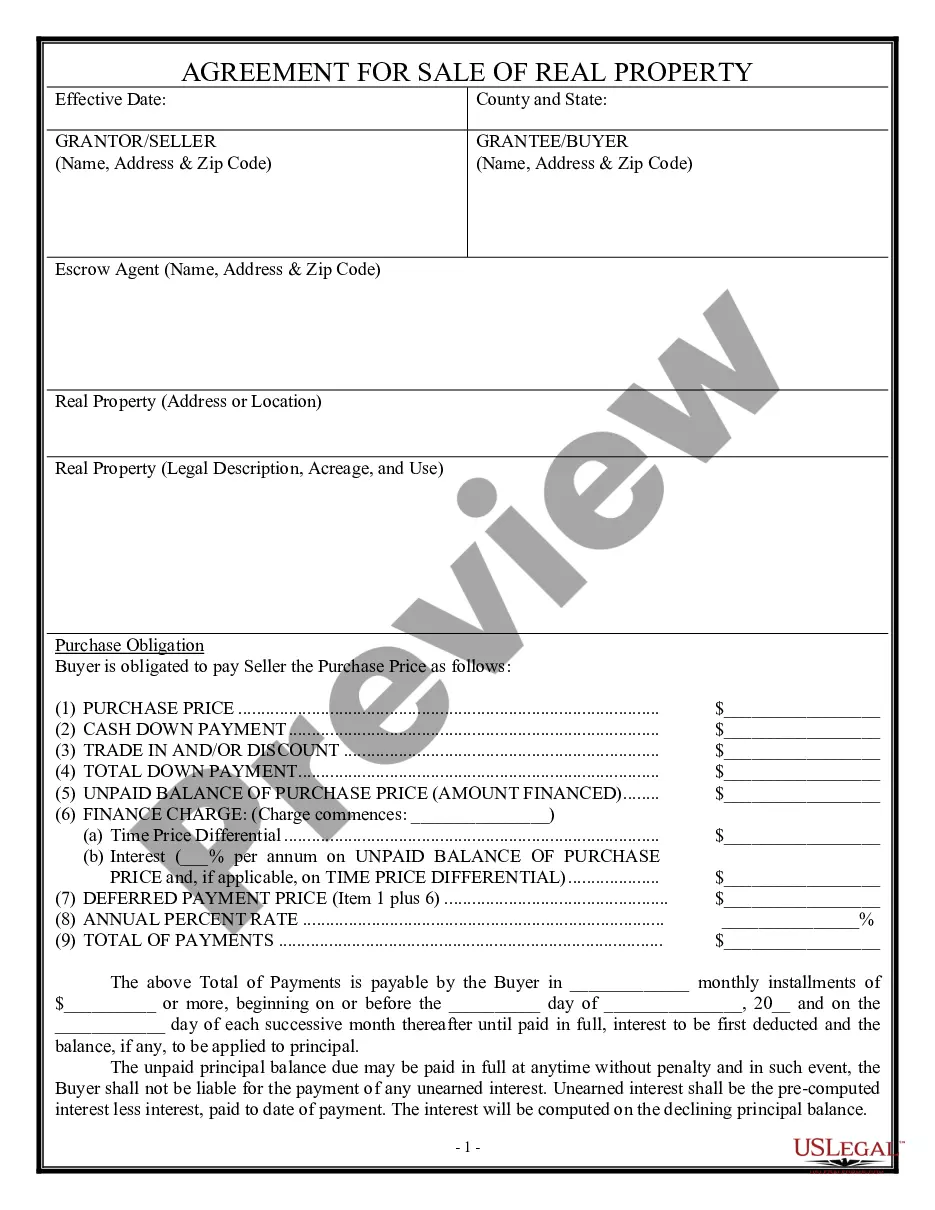
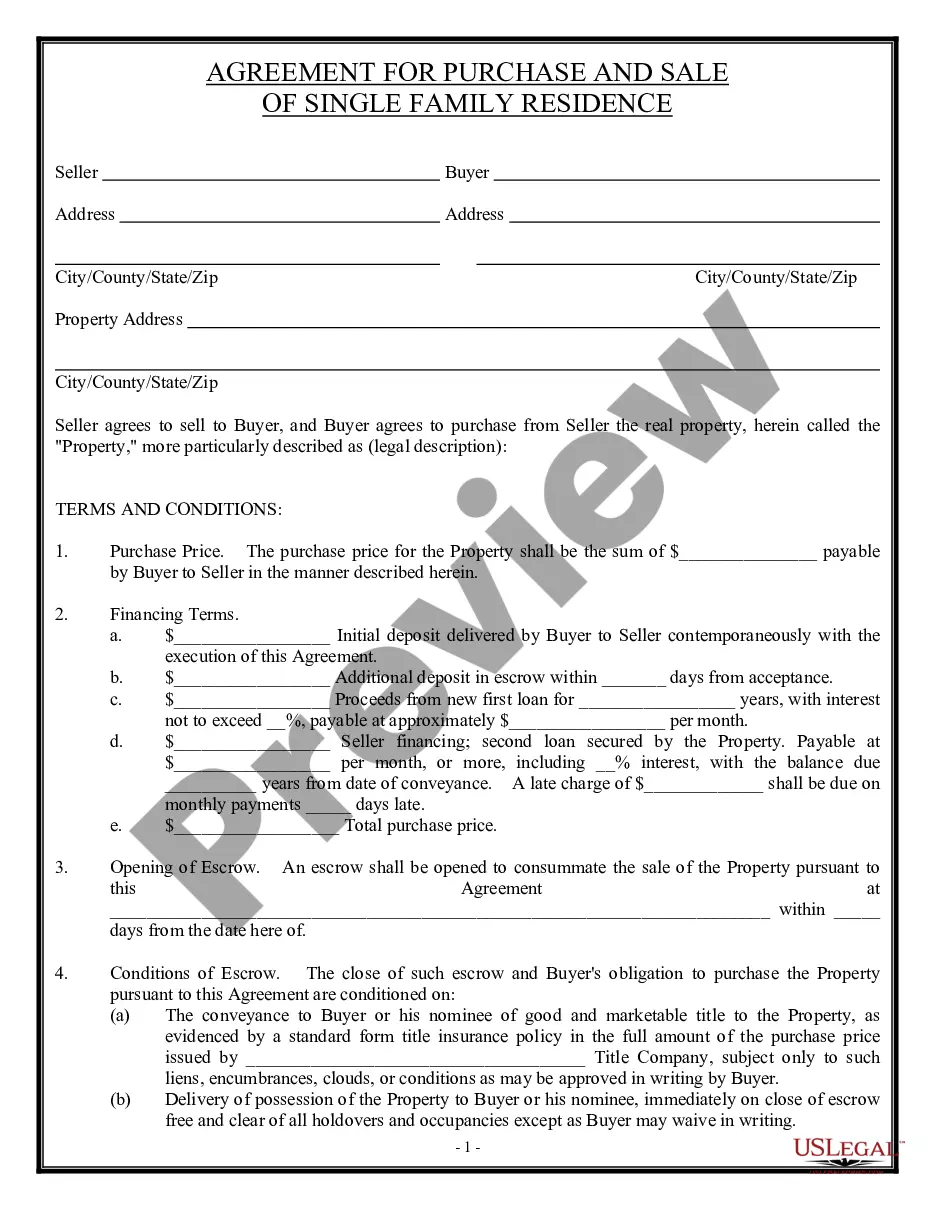
Get your form ready online
Our built-in tools help you complete, sign, share, and store your documents in one place.
Make edits, fill in missing information, and update formatting in US Legal Forms—just like you would in MS Word.
Download a copy, print it, send it by email, or mail it via USPS—whatever works best for your next step.
Sign and collect signatures with our SignNow integration. Send to multiple recipients, set reminders, and more. Go Premium to unlock E-Sign.
If this form requires notarization, complete it online through a secure video call—no need to meet a notary in person or wait for an appointment.
We protect your documents and personal data by following strict security and privacy standards.

Make edits, fill in missing information, and update formatting in US Legal Forms—just like you would in MS Word.

Download a copy, print it, send it by email, or mail it via USPS—whatever works best for your next step.

Sign and collect signatures with our SignNow integration. Send to multiple recipients, set reminders, and more. Go Premium to unlock E-Sign.

If this form requires notarization, complete it online through a secure video call—no need to meet a notary in person or wait for an appointment.

We protect your documents and personal data by following strict security and privacy standards.
Looking for another form?






Form popularity
FAQ
This requirement of the Florida constitution is referred to as 'joinder of spouse' and simply means that the non-owner spouse must sign the deed or mortgage for it to be valid. Joinder of spouse is required even if the other spouse isn't a co-owner of the property and/or is no longer residing on the property.
There are four different ways to hold title in real property in Florida: (1) tenants in common; (2) joint tenancy; (3) joint tenants with right of survivorship; and (4) tenancy by the entireties.
In most real estate closings, the seller is responsible for providing the deed that is signed at closing. A seller can allow a buyer's attorney to prepare the deed or the seller can retain a Daytona real estate attorney to represent the seller during the real estate closing process.
Generally speaking, the person who inherits must either assume the mortgage and start making payments or arrange to sell the property. When multiple heirs agree to assume the mortgage, they become co-borrowers and continue making mortgage payments.
In most Florida counties, the seller pays title insurance and therefore gets to choose the title company. This is with the exception of Broward, Collier, Sarasota, and Miami-Dade counties where the buyer typically covers title insurance and therefore gets to choose the title company.
The most common approach has sellers covering the costs of title searches, insurance, and broker fees while buyers handle the costs of property inspections and appraisals.
A title is transferred via a deed, and this is the standard process in Florida real estate transactions. Both are important to leave a record of a title transfer, but a deed works as physical proof. This is why sellers and buyers are required to sign the deed during the closing.
If properly executed, a Florida quitclaim deed usually requires two weeks to three months to be recorded. The parties involved in real estate transactions generally seek to record the deed immediately after the closing process is concluded.
