Sell Closing Property For Sale In Fairfax
Description

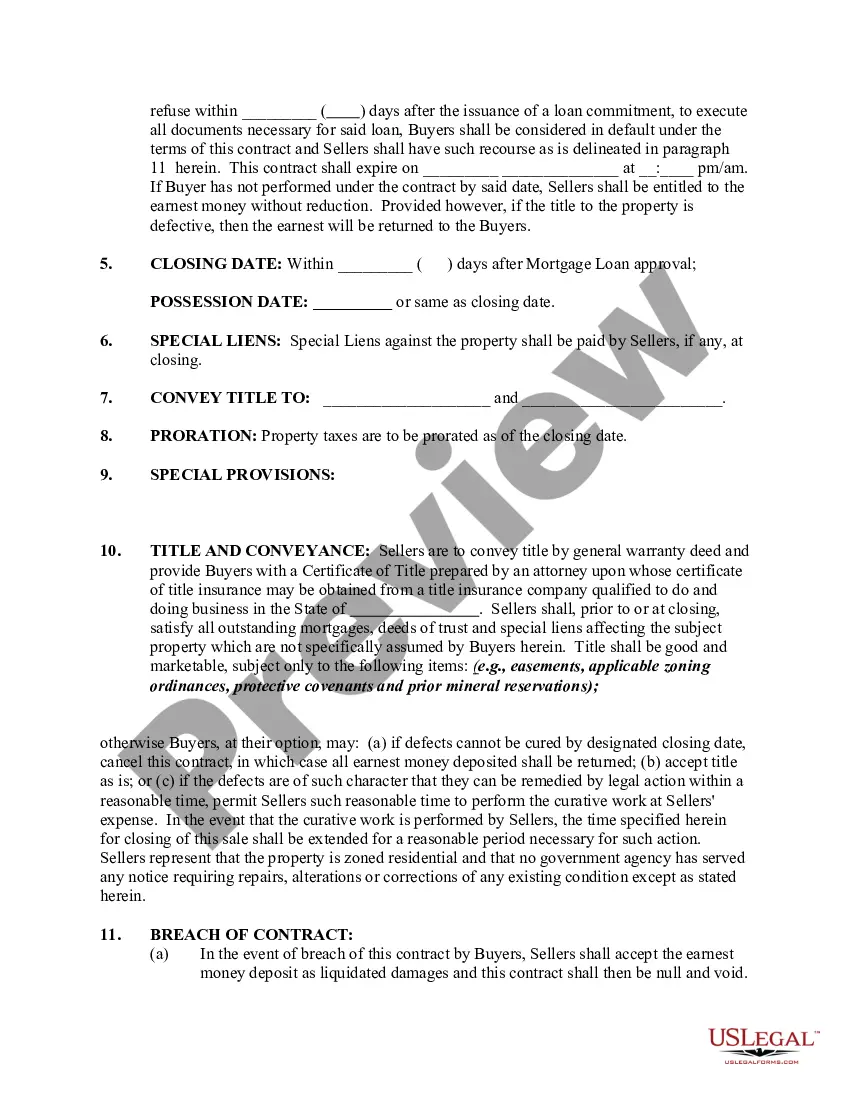
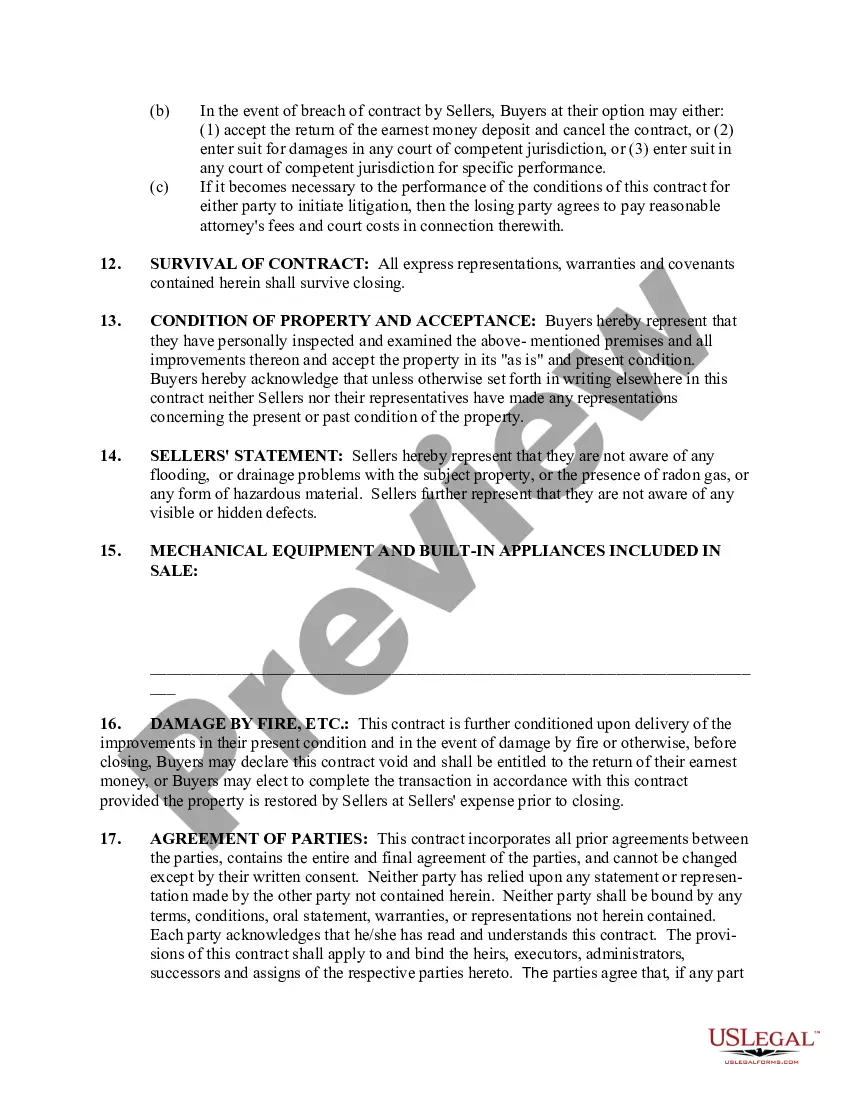
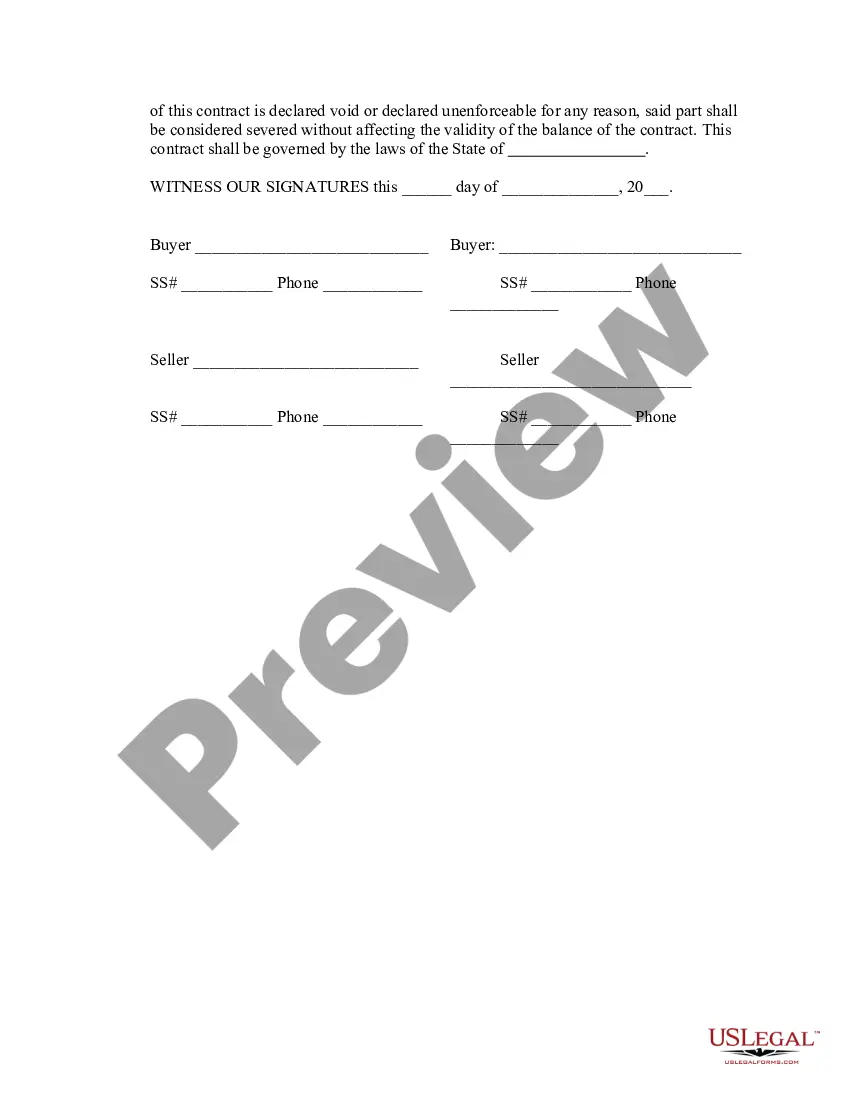
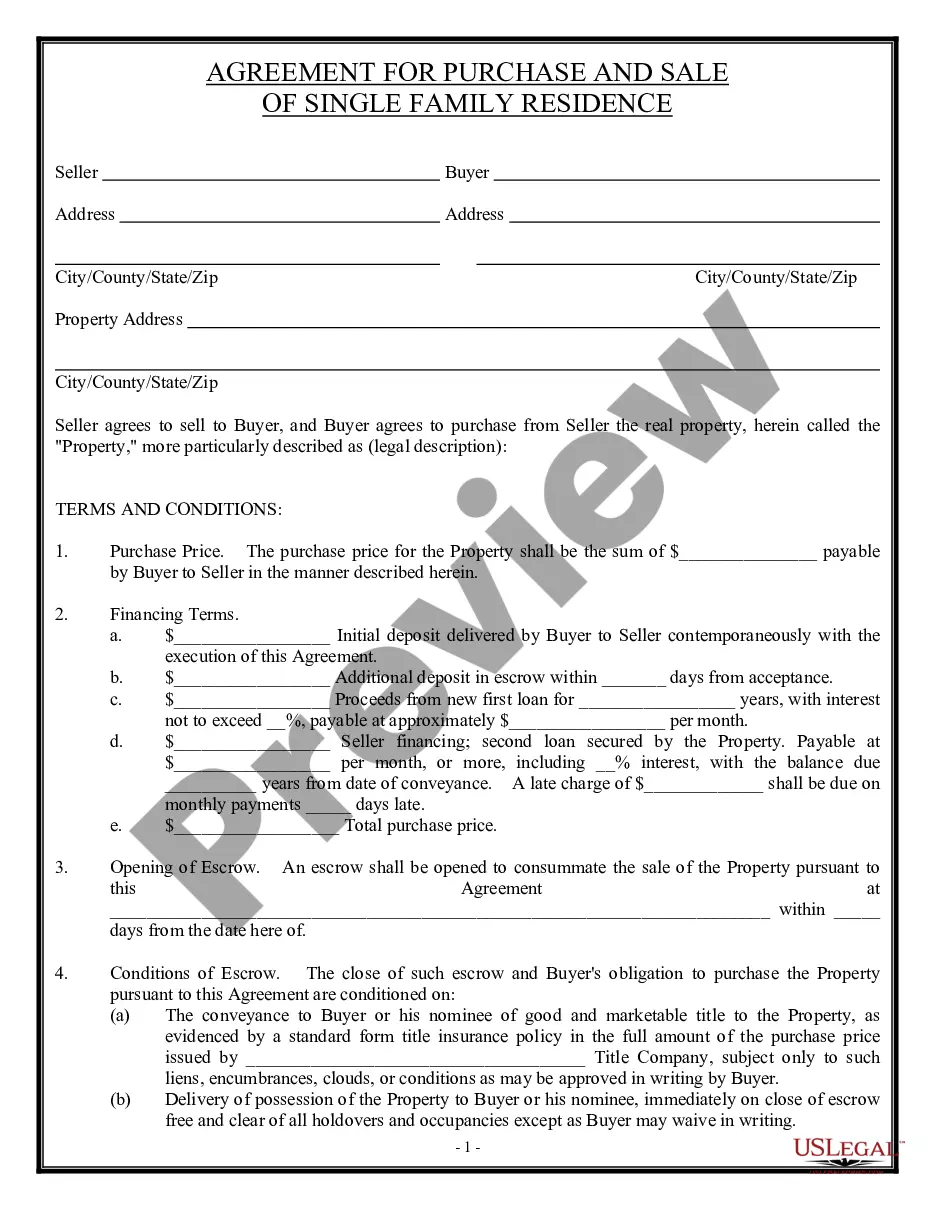
Get your form ready online
Our built-in tools help you complete, sign, share, and store your documents in one place.
Make edits, fill in missing information, and update formatting in US Legal Forms—just like you would in MS Word.
Download a copy, print it, send it by email, or mail it via USPS—whatever works best for your next step.
Sign and collect signatures with our SignNow integration. Send to multiple recipients, set reminders, and more. Go Premium to unlock E-Sign.
If this form requires notarization, complete it online through a secure video call—no need to meet a notary in person or wait for an appointment.
We protect your documents and personal data by following strict security and privacy standards.

Make edits, fill in missing information, and update formatting in US Legal Forms—just like you would in MS Word.

Download a copy, print it, send it by email, or mail it via USPS—whatever works best for your next step.

Sign and collect signatures with our SignNow integration. Send to multiple recipients, set reminders, and more. Go Premium to unlock E-Sign.

If this form requires notarization, complete it online through a secure video call—no need to meet a notary in person or wait for an appointment.

We protect your documents and personal data by following strict security and privacy standards.
Looking for another form?
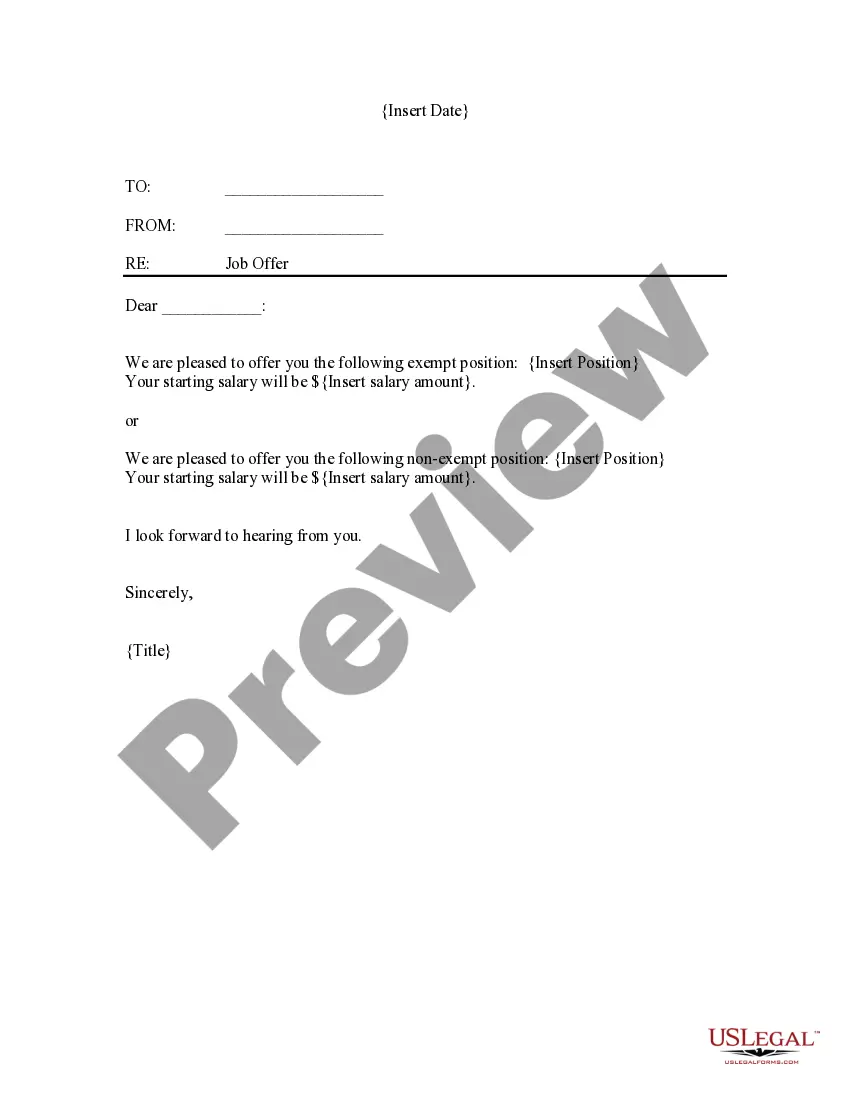
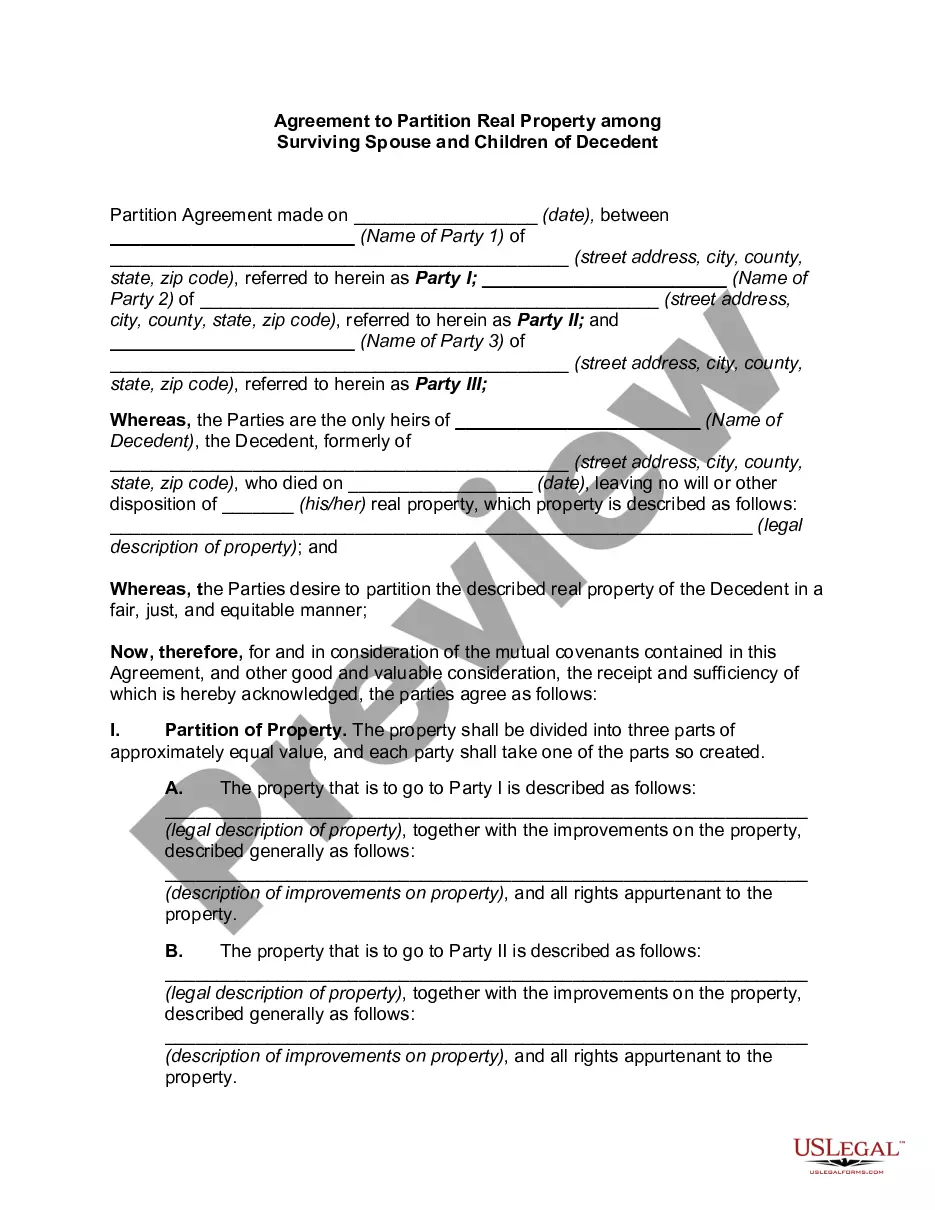
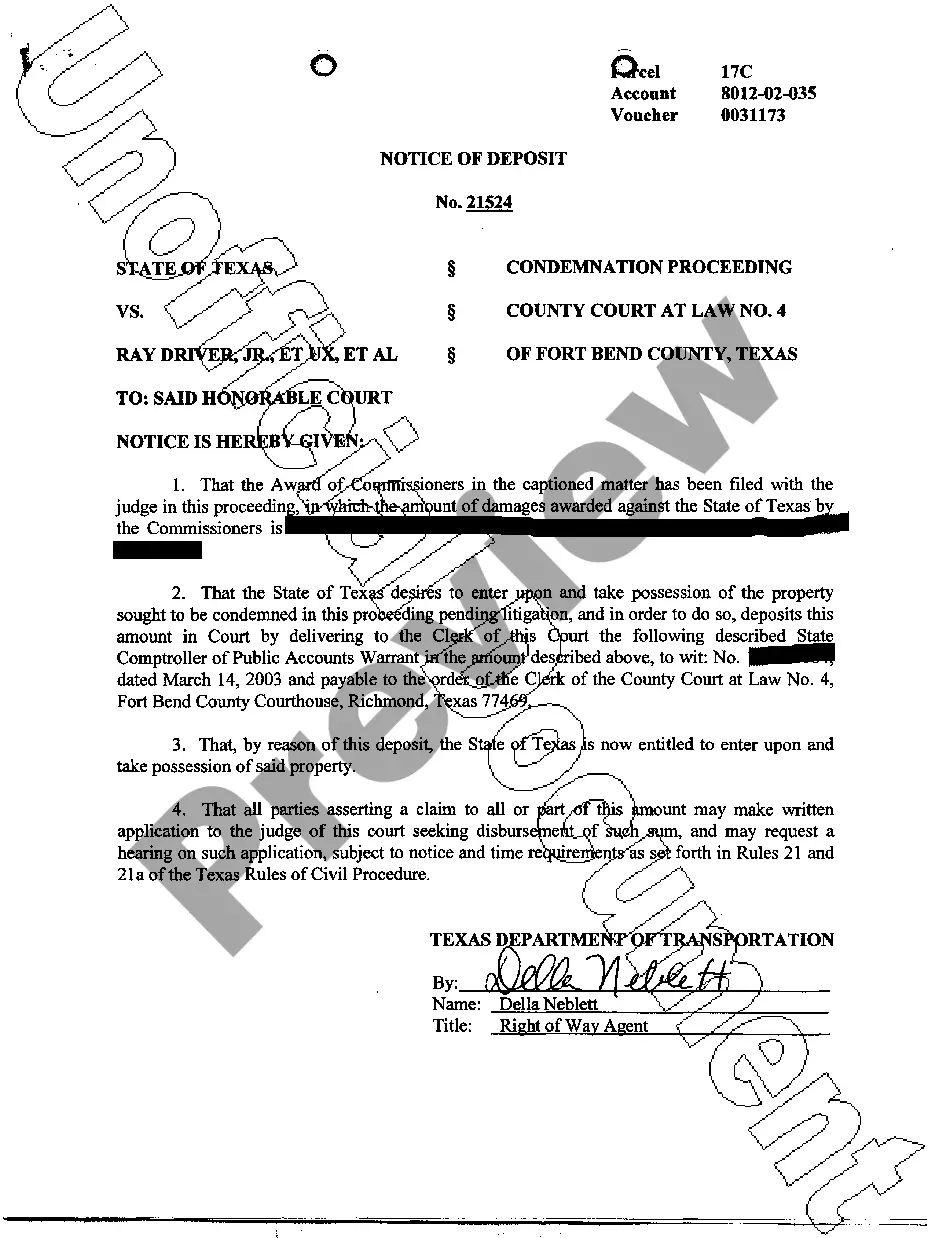
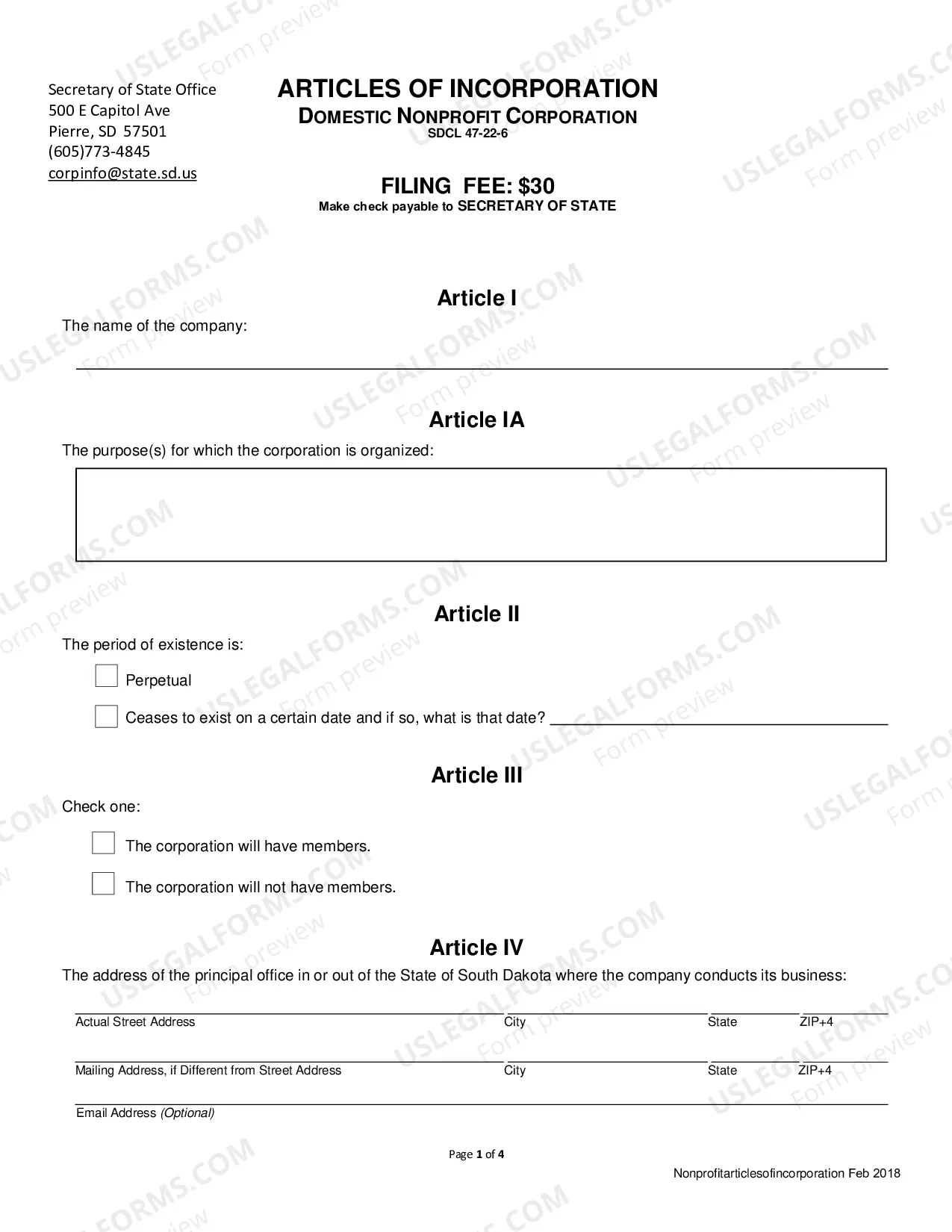
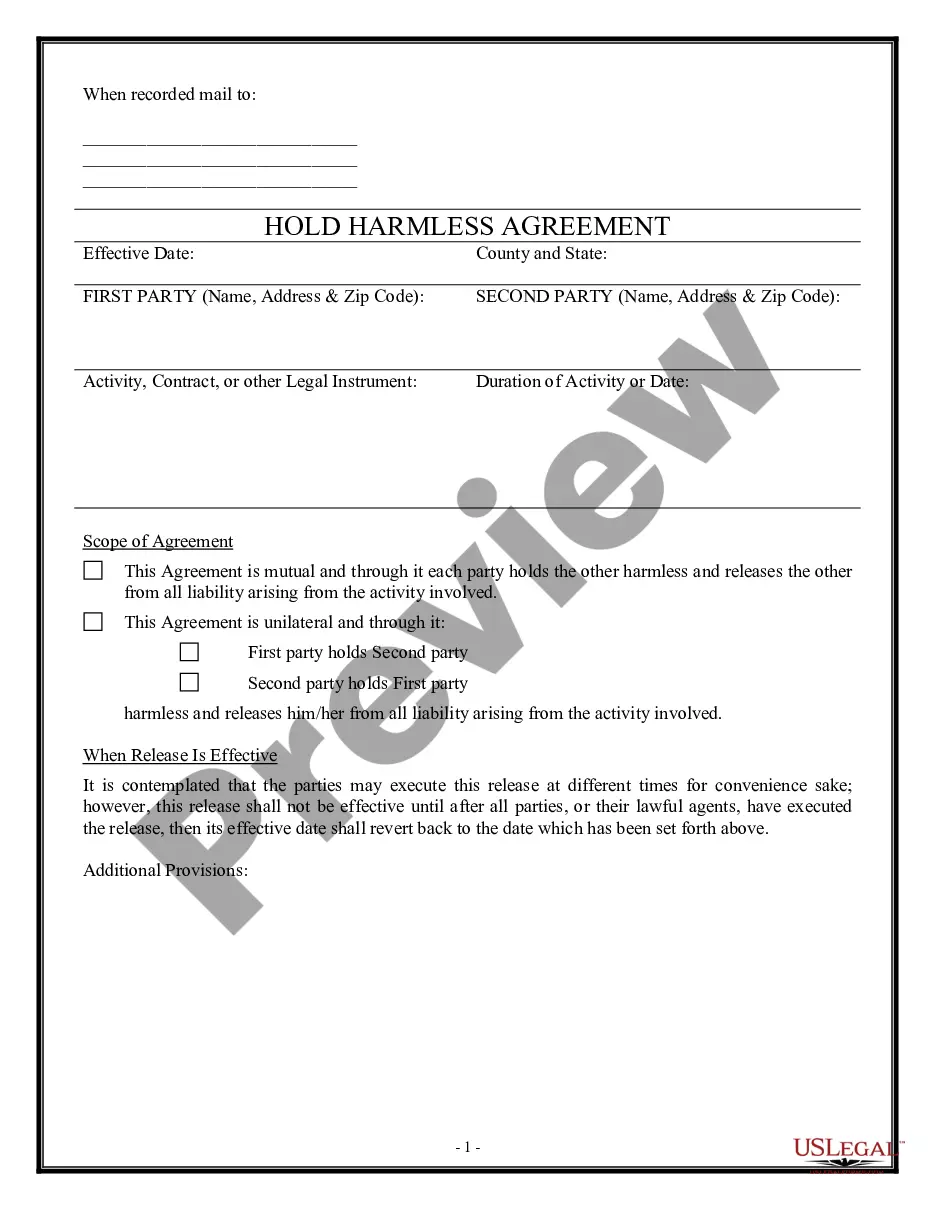
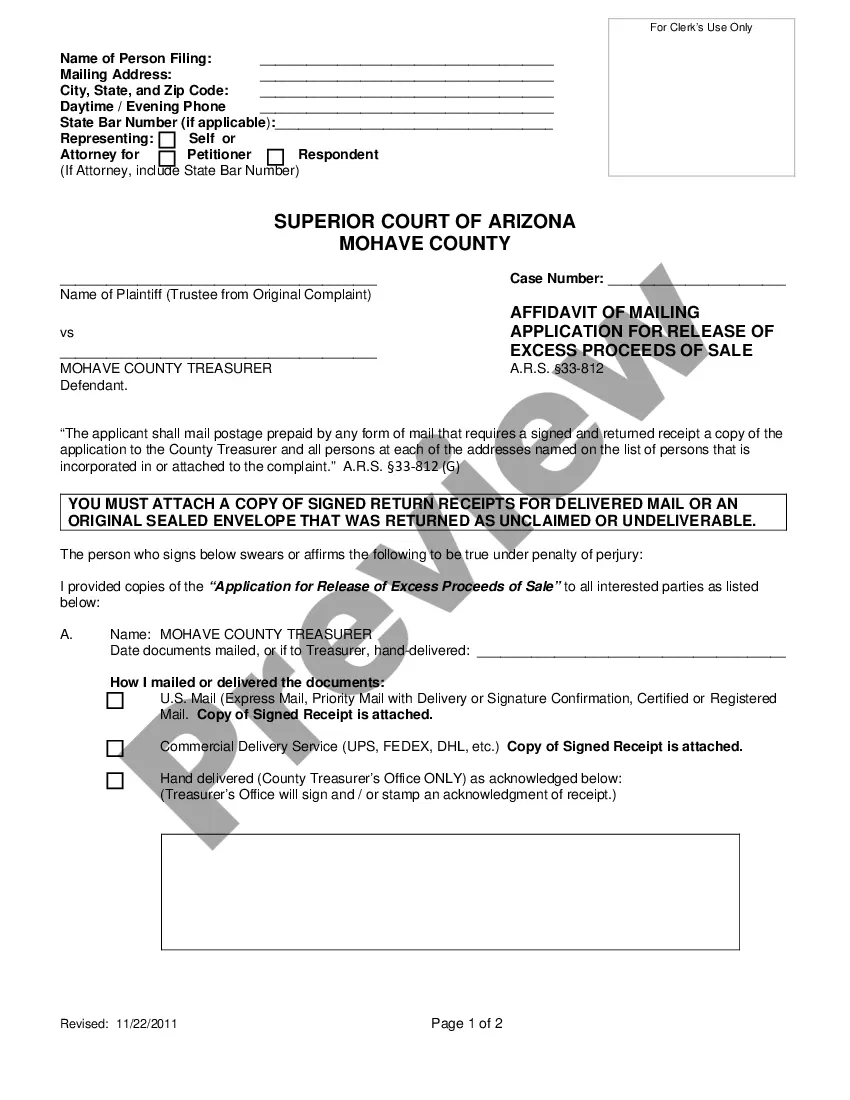
Form popularity
FAQ
While there are many states that require the use of an attorney in a real estate transaction, Virginia law lets buyers and sellers choose whether they want to use an attorney or a title and escrow company to handle their real estate settlement.
Working With a Lawyer Unlike in some states, Virginia does not require that sellers involve a lawyer in the house-selling transaction. Even if it's not required, you might decide to engage a lawyer at some point in the process—for example, to review the final contract or to assist with closing details.
Virginia law does not require home sellers to hire an attorney, whether a Realtor is part of the process or not. However, legal counsel is useful for all sellers and especially important for FSBO sellers. Real estate transactions are complex, and this is likely to be one of the biggest financial deals of your life.
The address of the Land Records Division is: Fairfax Circuit Court, 4110 Chain Bridge Road, Suite 317, Fairfax, VA 22030. The telephone number is 703/691-7320 (press 3, then 3). The office is open from a.m. – p.m. Monday through Friday.
The Code of Virginia requires a written brokerage agreement when a brokerage relationship, as defined in § 54.1-2130, is created. When a customer becomes a client is based upon the party's intent.
Which states require attorneys for real estate closings? Here's a list of Attorney Only States: Alabama, Delaware, Georgia, Massachusetts, New York, North Carolina, South Carolina, Virginia, West Virginia.
Understanding the Role of a Closing Agent This professional ensures that all aspects of the transaction are conducted smoothly and ing to legal regulations. From preparing documents to facilitating the transfer of funds, the closing agent is there to guide both the buyer and seller toward a successful conclusion.
However, the most important documents in real estate are offers, agreements, and contracts between the buyer and seller.
We recommend seeing a licensed attorney in the Commonwealth familiar with recordation/land records to prepare the deed so that it is prepared properly as it is a legal document transferring property. All deeds have to meet all standards within the Code of Virginia and the Library of Virginia Recordation Standards.
