Sell Closure Property Formula In Collin
Description

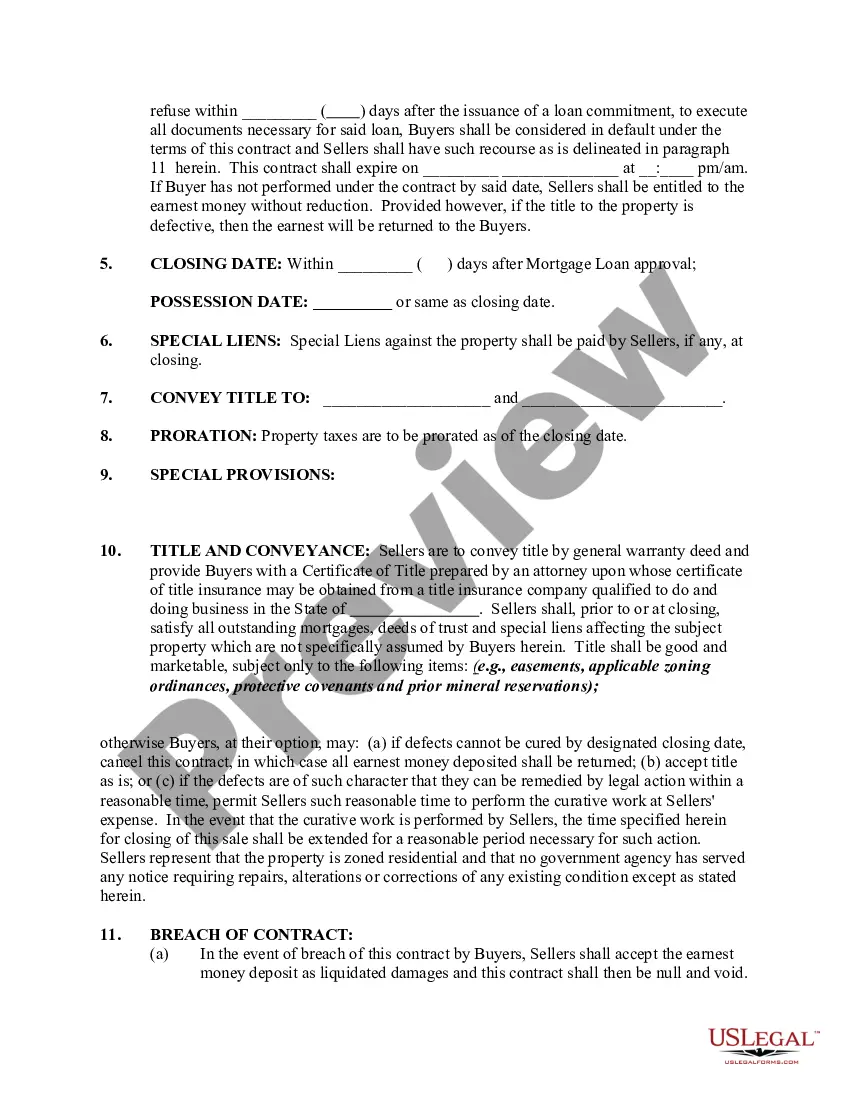
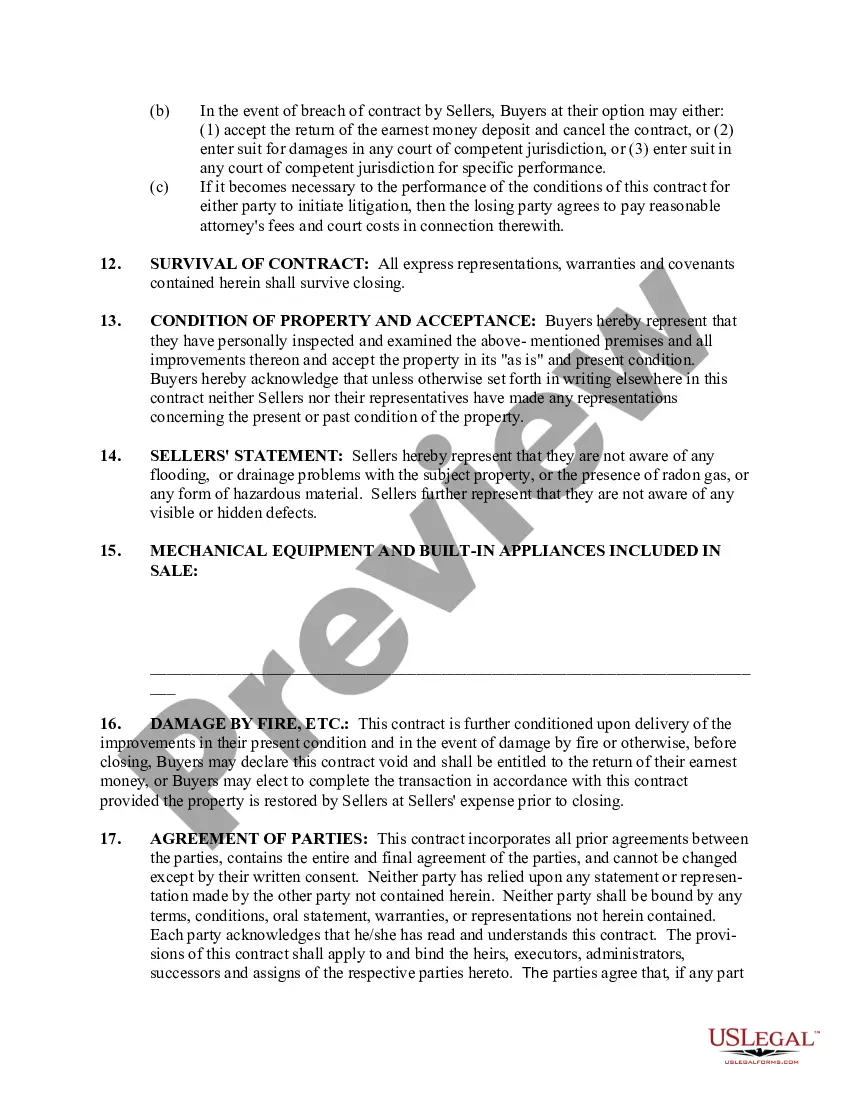
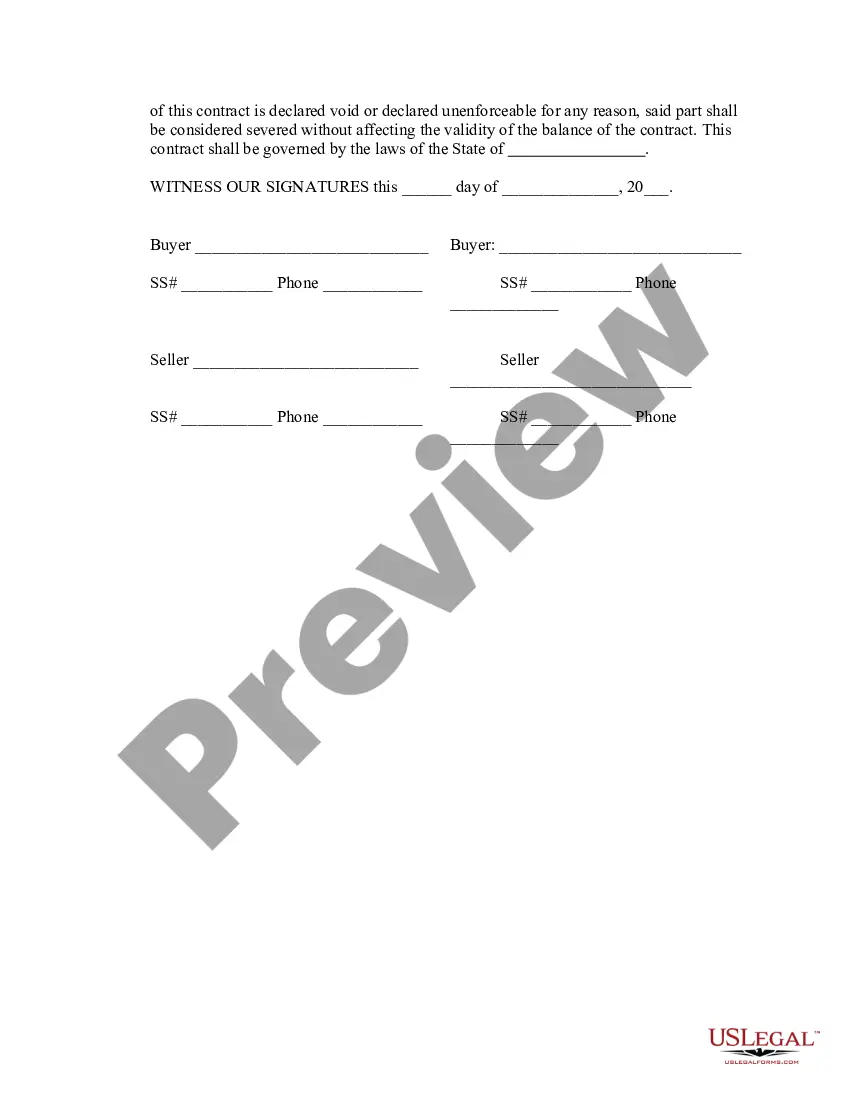
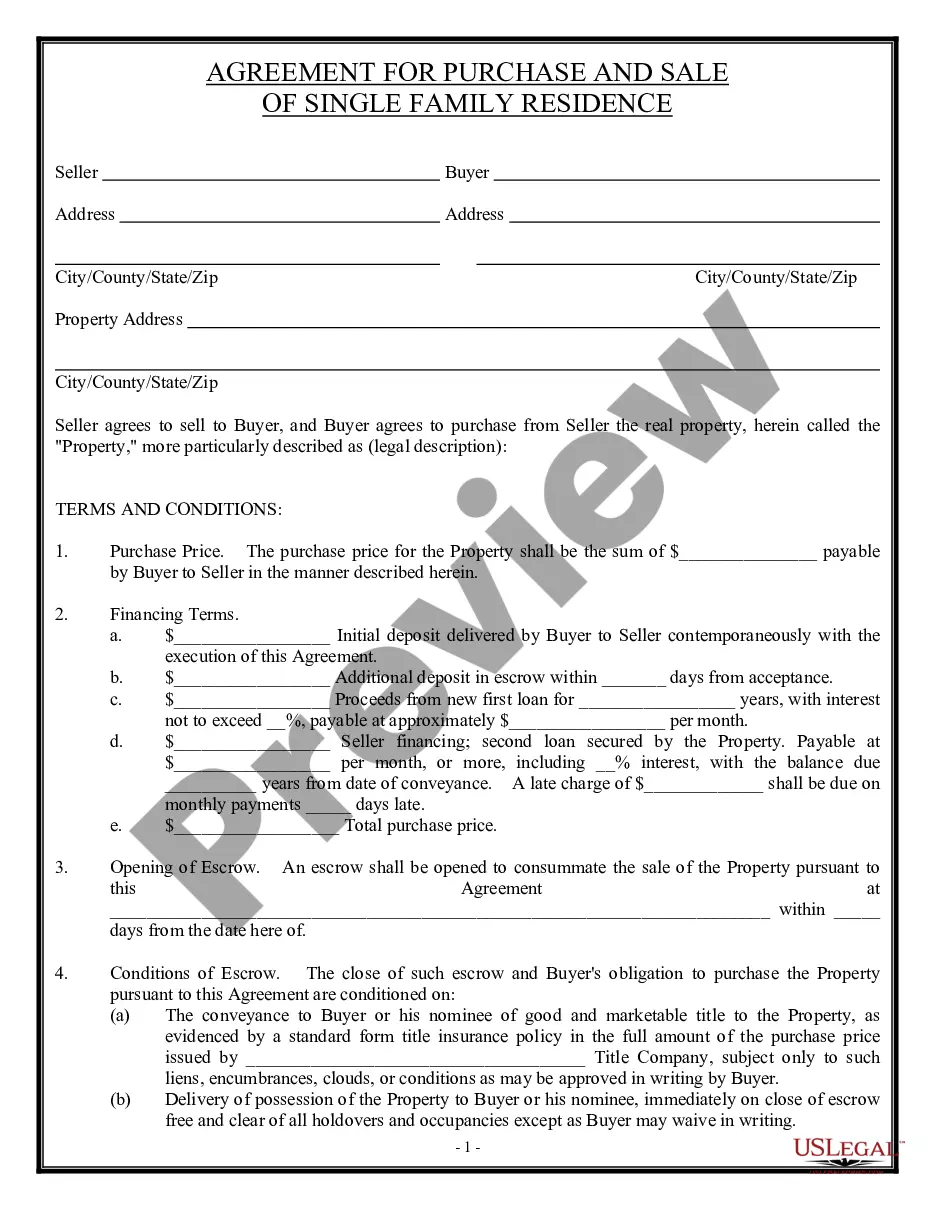
Get your form ready online
Our built-in tools help you complete, sign, share, and store your documents in one place.
Make edits, fill in missing information, and update formatting in US Legal Forms—just like you would in MS Word.
Download a copy, print it, send it by email, or mail it via USPS—whatever works best for your next step.
Sign and collect signatures with our SignNow integration. Send to multiple recipients, set reminders, and more. Go Premium to unlock E-Sign.
If this form requires notarization, complete it online through a secure video call—no need to meet a notary in person or wait for an appointment.
We protect your documents and personal data by following strict security and privacy standards.

Make edits, fill in missing information, and update formatting in US Legal Forms—just like you would in MS Word.

Download a copy, print it, send it by email, or mail it via USPS—whatever works best for your next step.

Sign and collect signatures with our SignNow integration. Send to multiple recipients, set reminders, and more. Go Premium to unlock E-Sign.

If this form requires notarization, complete it online through a secure video call—no need to meet a notary in person or wait for an appointment.

We protect your documents and personal data by following strict security and privacy standards.
Looking for another form?

Form popularity
FAQ
A property owner must apply for an exemption in most circumstances. Applications for property tax exemptions are filed with the appraisal district in the county in which the property is located. The general deadline for filing an exemption application is before May 1.
Well, it's a bit like a check-up for your property's value. The Central Appraisal District (CAD) takes a gander at your property to see if its value has changed. If it has, your taxes might change, too. In Texas, this reassessment generally happens once a year, but certain events can trigger an additional review.
Tax Code Section 25.18 requires appraisal districts to reappraise all property in their jurisdictions at least once every three years.
To put it in simple terms, the seller will be responsible for the property tax balance that accrued from the beginning of the tax year until the date of closing, and the buyer will be responsible for property taxes that are due for the period after the closing date. This is a process called proration.
Again and type the closing. Parenthesis the final formula.MoreAgain and type the closing. Parenthesis the final formula.
How to Use Queries in Google Sheets in Three Simple Steps Name your data. You will first want to create your first named range, so you don't have to copy cells every time you want to use them. Specify what data you want. Now you can specify which headers you want your query to address. Get more detailed data.
And same goes for any other columns. So that's how to select rows and columns there. If. I wanted toMoreAnd same goes for any other columns. So that's how to select rows and columns there. If. I wanted to select the entire sheet. I would actually click this area between the row and the column heading.
Create a dropdown list on cells with existing data In Google Sheets, open a spreadsheet. Select the cell or cells with existing data. Right-click. Dropdown. Optional: If you enter data in a cell that doesn't match an item on the list, it is rejected. Click Done.
The syntax for CHOOSE() is as follows: CHOOSE(index, choice1, choice2, …) "index" is the number that indicates which choice to select. It must be a positive integer value between 1 and 254.
And same goes for any other columns. So that's how to select rows and columns there. If. I wanted toMoreAnd same goes for any other columns. So that's how to select rows and columns there. If. I wanted to select the entire sheet. I would actually click this area between the row and the column heading.
