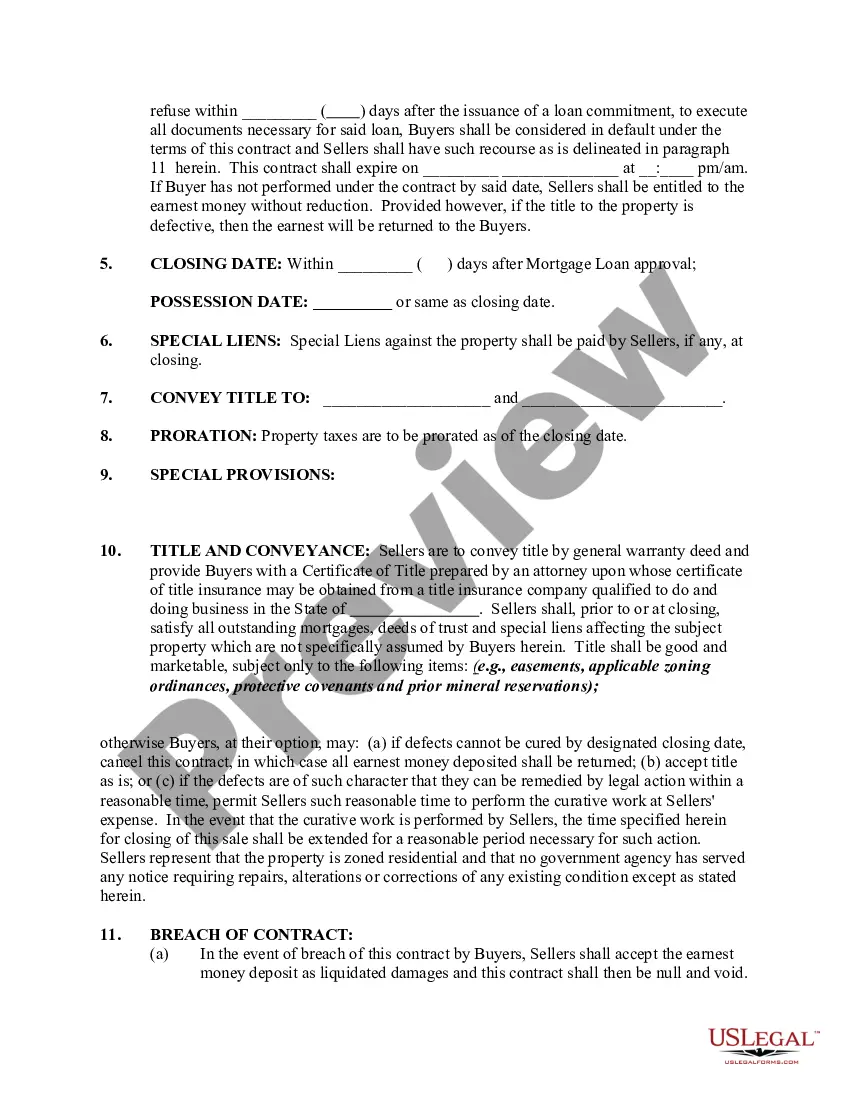
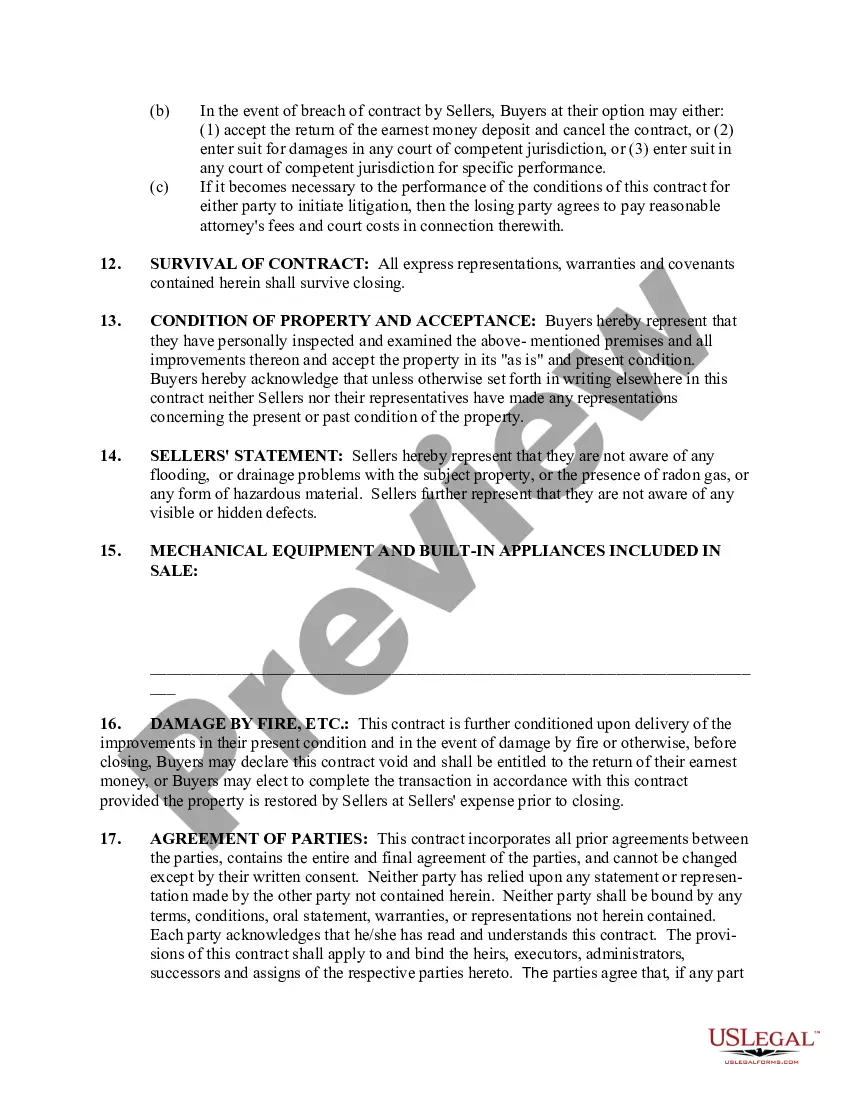
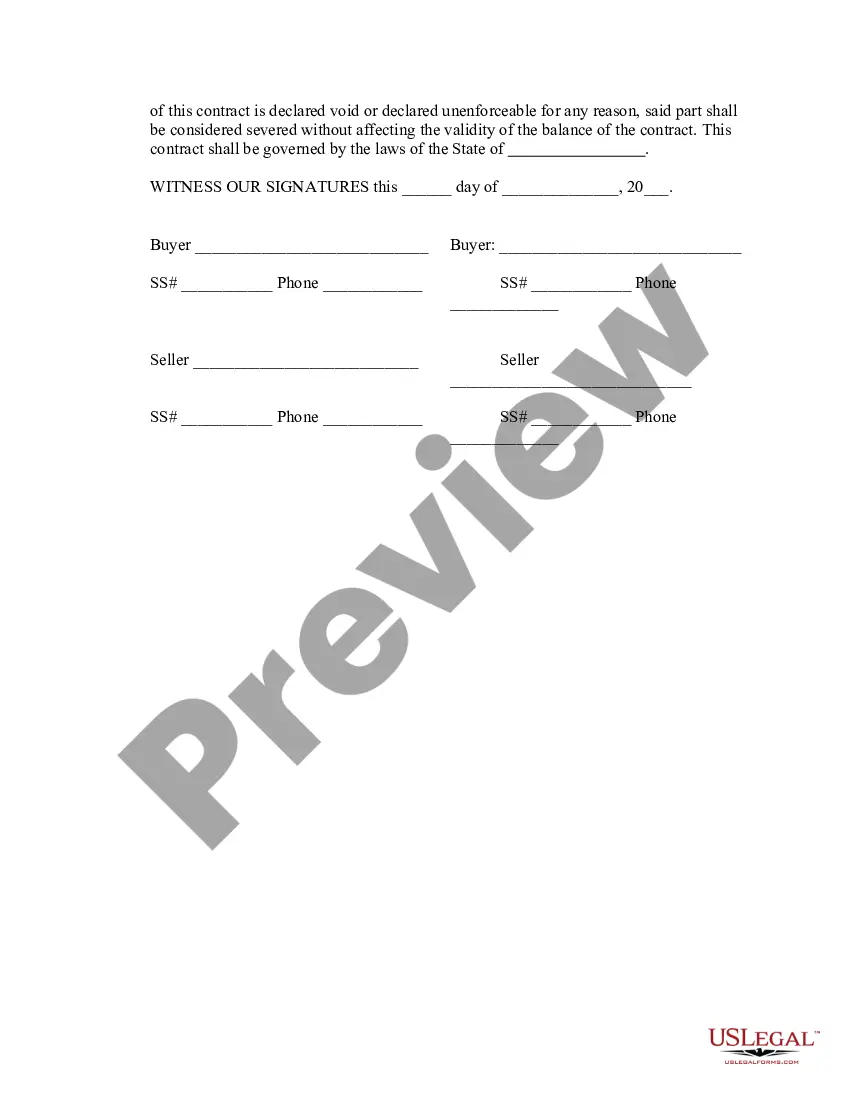
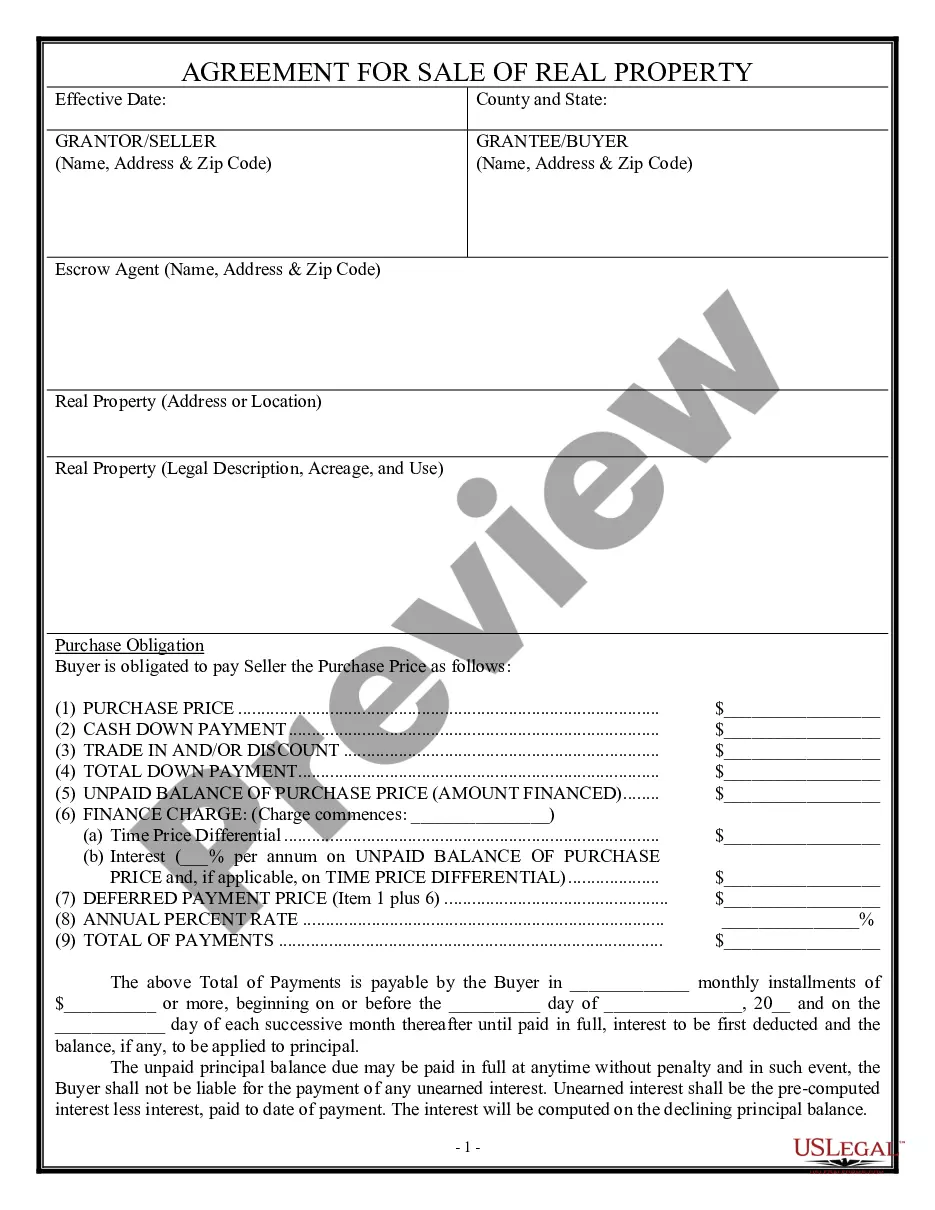
Closing Property Title Format In Collin
Description

Get your form ready online
Our built-in tools help you complete, sign, share, and store your documents in one place.
Make edits, fill in missing information, and update formatting in US Legal Forms—just like you would in MS Word.
Download a copy, print it, send it by email, or mail it via USPS—whatever works best for your next step.
Sign and collect signatures with our SignNow integration. Send to multiple recipients, set reminders, and more. Go Premium to unlock E-Sign.
If this form requires notarization, complete it online through a secure video call—no need to meet a notary in person or wait for an appointment.
We protect your documents and personal data by following strict security and privacy standards.

Make edits, fill in missing information, and update formatting in US Legal Forms—just like you would in MS Word.

Download a copy, print it, send it by email, or mail it via USPS—whatever works best for your next step.

Sign and collect signatures with our SignNow integration. Send to multiple recipients, set reminders, and more. Go Premium to unlock E-Sign.

If this form requires notarization, complete it online through a secure video call—no need to meet a notary in person or wait for an appointment.

We protect your documents and personal data by following strict security and privacy standards.
Looking for another form?
Form popularity
FAQ
Transfers of real property must be in writing and notarized. Deeds should be recorded in the county where the property is located. To ensure a legal change to the property title, you'll want the services of an attorney. A qualified attorney will prepare and file the real estate transfer deed.
Visit Texas/PropertyTaxes to find a link to your local property tax database on which you can easily access information regarding your property taxes, including information regarding the amount of taxes that each entity that taxes your property will impose if the entity adopts its proposed tax rate.
Is It Possible To Remove Spouse From Deed Without Divorce? There is no problem with removing a spouse from a property deed. However, a legal process is typically required, and their consent is generally required. To transfer ownership or remove one spouse's name, both spouses must prepare and sign a new deed.
A General Warranty Deed or Special Warranty Deed may be used, however, the most common deed used after a divorce is a Special Warranty Deed. The spouse whose name is to be removed from the title will need to sign the deed in front of any notary.
Transfers of real property must be in writing and notarized. Deeds should be recorded in the county where the property is located. To ensure a legal change to the property title, you'll want the services of an attorney. A qualified attorney will prepare and file the real estate transfer deed.
If you need to remove your name or your spouse's name from the deed to your home after a Texas divorce, the spouse that no longer owns the property will need to sign a Warranty Deed and file it with the county clerk's office where the property is located.
The title transfer process in Collin County involves changing the ownership of a property. It requires gathering necessary documents, such as the current title and proof of identity, completing specific forms, and filing them with the County Clerk's office, along with any applicable fees.
Texas Land Records and County Records. Search county clerk records and mineral owners. TexasFile provides instant access to official public records and mineral ownership data.
If the project is located in Collin county, then yes, you will want to record your lien with the Collin County, Texas Clerk's office.
