Closing Property Title For Married Couple In California
Description

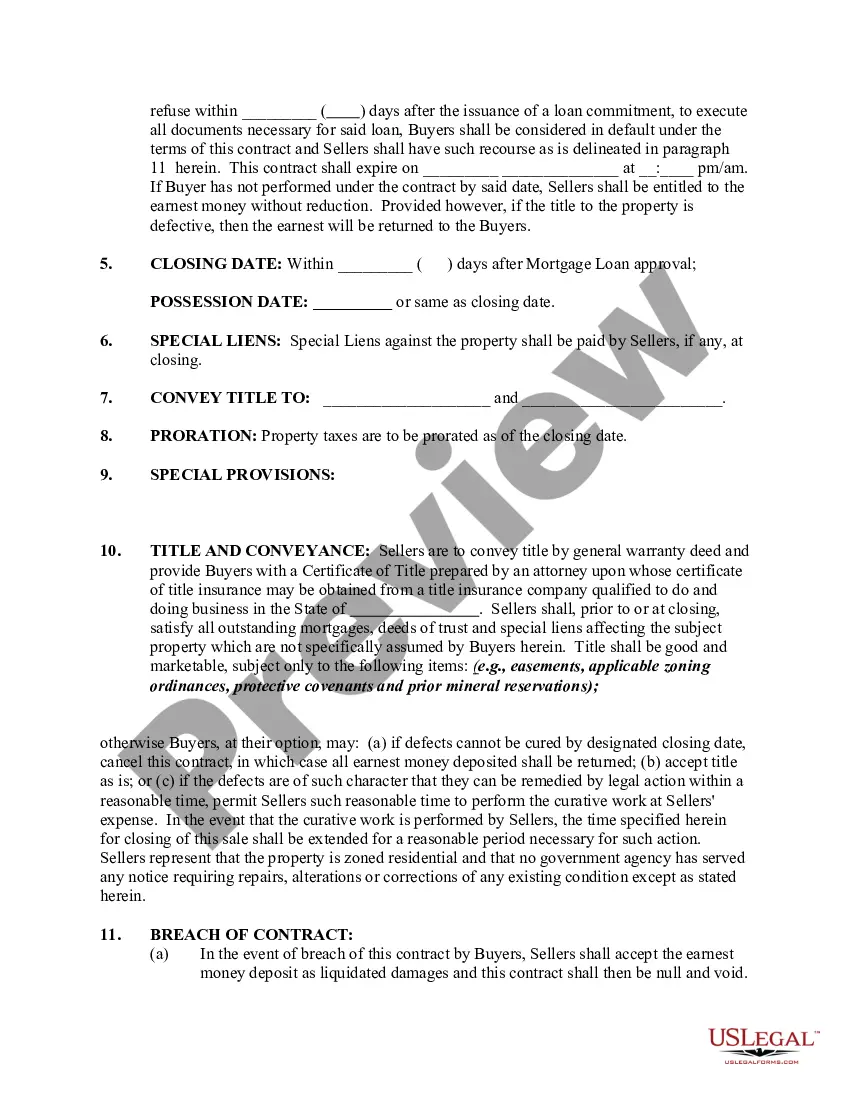
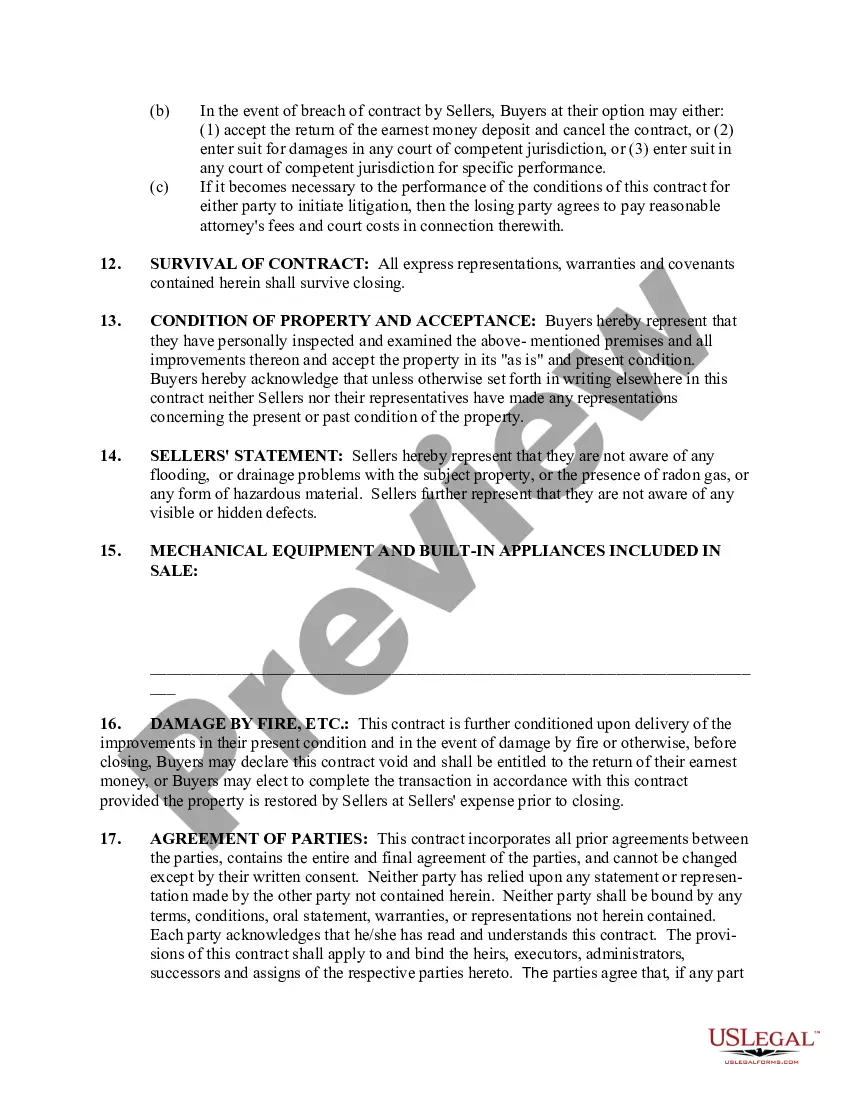
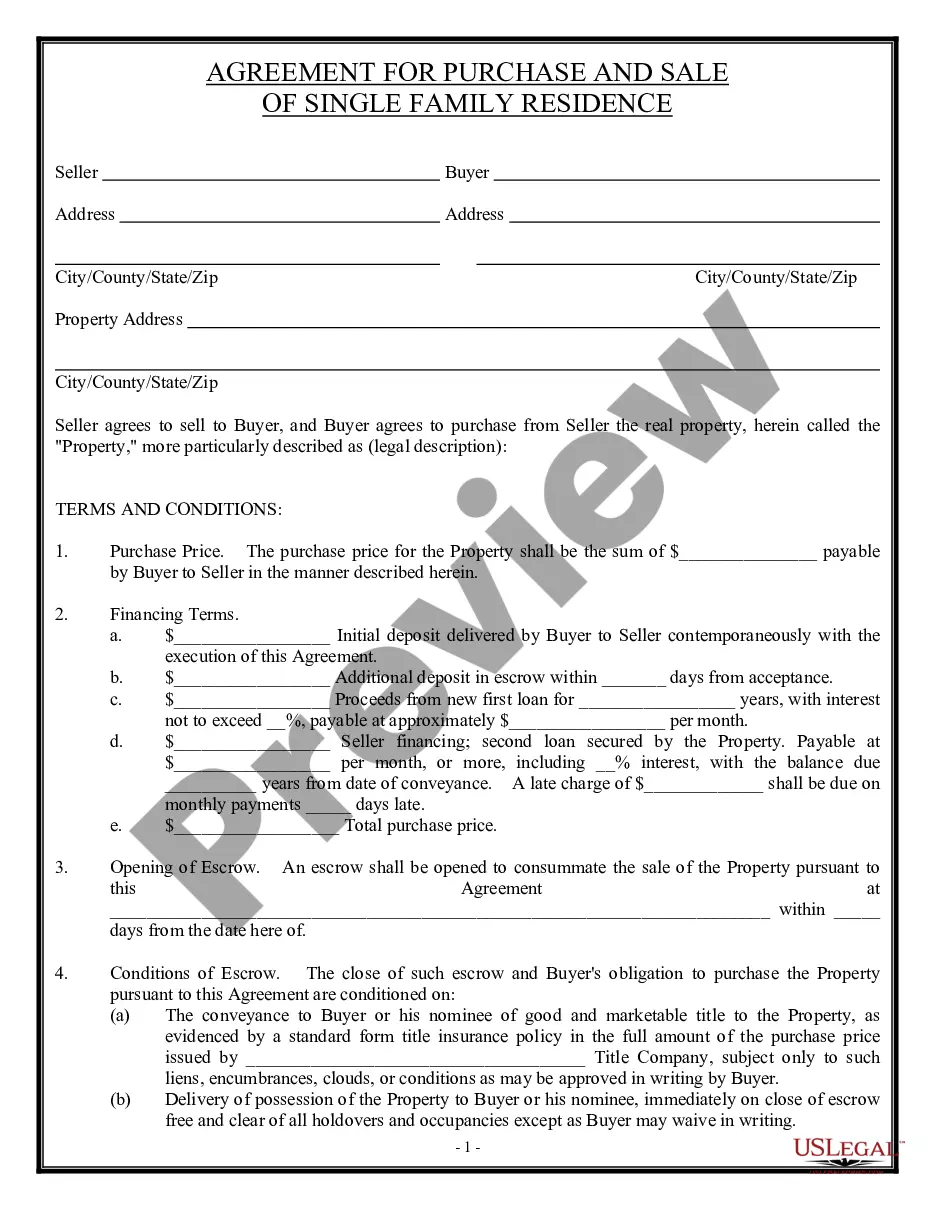
Get your form ready online
Our built-in tools help you complete, sign, share, and store your documents in one place.
Make edits, fill in missing information, and update formatting in US Legal Forms—just like you would in MS Word.
Download a copy, print it, send it by email, or mail it via USPS—whatever works best for your next step.
Sign and collect signatures with our SignNow integration. Send to multiple recipients, set reminders, and more. Go Premium to unlock E-Sign.
If this form requires notarization, complete it online through a secure video call—no need to meet a notary in person or wait for an appointment.
We protect your documents and personal data by following strict security and privacy standards.

Make edits, fill in missing information, and update formatting in US Legal Forms—just like you would in MS Word.

Download a copy, print it, send it by email, or mail it via USPS—whatever works best for your next step.

Sign and collect signatures with our SignNow integration. Send to multiple recipients, set reminders, and more. Go Premium to unlock E-Sign.

If this form requires notarization, complete it online through a secure video call—no need to meet a notary in person or wait for an appointment.

We protect your documents and personal data by following strict security and privacy standards.
Looking for another form?
Form popularity
FAQ
Technically, the traditional way for a married couple with the same last name is ``Mr. and Mrs. John Doe,'' which also turns my inner feminist tomato red, but a lot of the other options (married, different last names, for example) use the ``Mr. John Doe and Mrs. Jane Day'' format. :)
Bride and groom cohabitants man and woman Mr. and Mrs. wedded pair.
Adding your spouse's name to the title of your house can provide shared ownership and equal rights, but it also comes with financial and legal implications. Ultimately, the decision should be based on your individual circumstances and what's best for you and your spouse in the long run.
A married couple should have both names on the title of every vehicle they own (doesn't matter if it is AND or OR). If one spouse dies and the others name is not on the title, it is a nightmare to retain possession of the vehicle.
Community property with right of survivorship is usually best for married couples in CA. Provides full step-up in basis for both halves when one spouse dies. Avoids probate. Simplifies estate planning. Talk to an estate attorney to confirm best option for your situation.
Joint tenancy is most common among married couples because it helps property owners avoid probate. Without joint tenancy, a spouse would have to wait for their partner's Last Will to go through a legal review process—which can take months or even years.
California is a community property state, which means that any property acquired over the course of a marriage by either spouse is regarded as belonging equally to both spouses, regardless of who purchased the property.
The other common way by which married couples hold property is community property. California is one of the nine states that allow for community property. Under community property rules, property acquired by either spouse during a marriage is presumed to be equally owned by both spouses.
Adding a family member to the deed as a joint owner for no consideration is considered a gift of 50% of the property's fair market value for tax purposes. If the value of the gift exceeds the annual exclusion limit ($16,000 for 2022) the donor will need to file a gift tax return (via Form 709) to report the transfer.