Sell Closing Property For Money In Bronx
Description

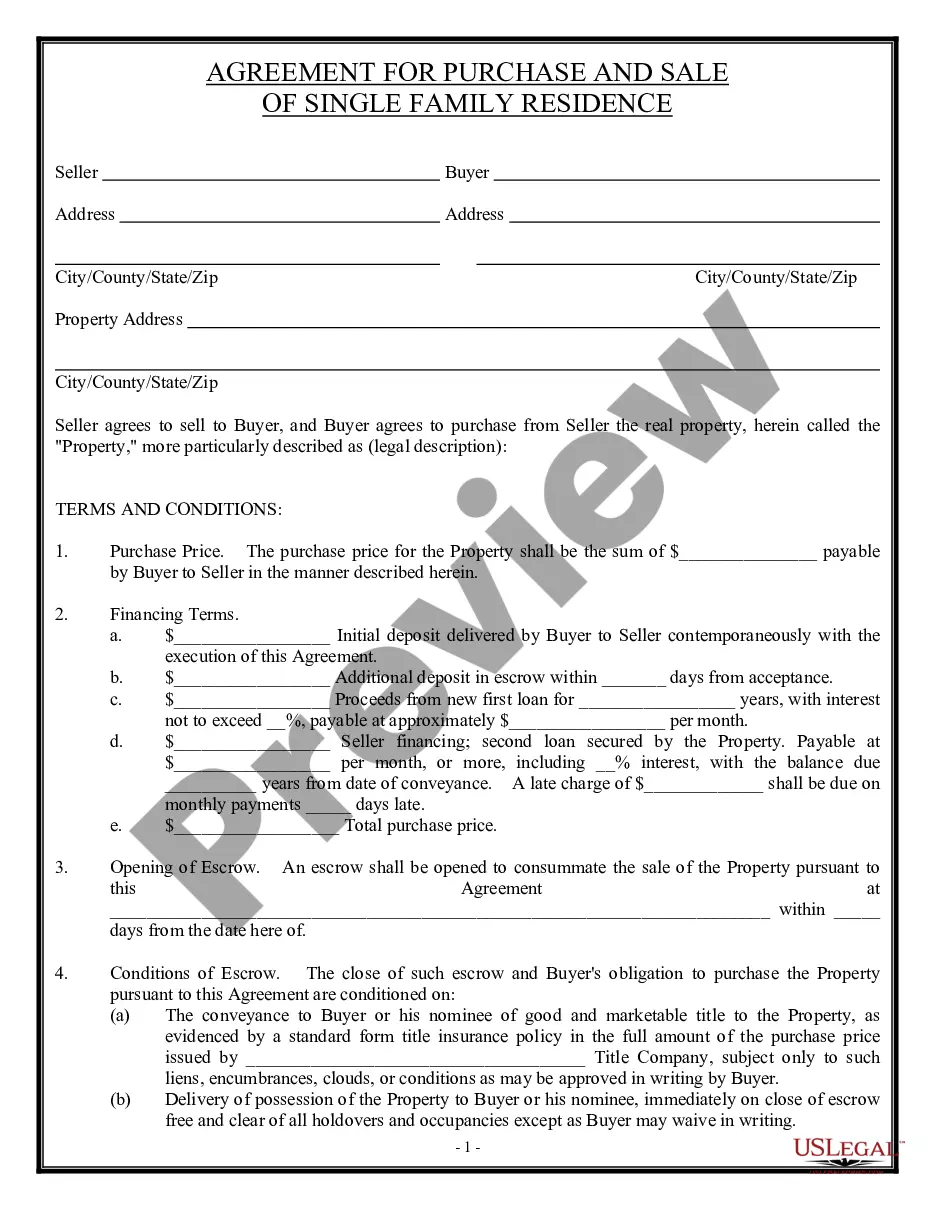
Get your form ready online
Our built-in tools help you complete, sign, share, and store your documents in one place.
Make edits, fill in missing information, and update formatting in US Legal Forms—just like you would in MS Word.
Download a copy, print it, send it by email, or mail it via USPS—whatever works best for your next step.
Sign and collect signatures with our SignNow integration. Send to multiple recipients, set reminders, and more. Go Premium to unlock E-Sign.
If this form requires notarization, complete it online through a secure video call—no need to meet a notary in person or wait for an appointment.
We protect your documents and personal data by following strict security and privacy standards.

Make edits, fill in missing information, and update formatting in US Legal Forms—just like you would in MS Word.

Download a copy, print it, send it by email, or mail it via USPS—whatever works best for your next step.

Sign and collect signatures with our SignNow integration. Send to multiple recipients, set reminders, and more. Go Premium to unlock E-Sign.

If this form requires notarization, complete it online through a secure video call—no need to meet a notary in person or wait for an appointment.

We protect your documents and personal data by following strict security and privacy standards.
Looking for another form?








Form popularity
FAQ
Unlike many states, New York requires sellers to involve a lawyer in the house-selling transaction. (N.Y. Jud. Law § 484), fulfilling the tasks described above.
The two most common payment methods are cashier's checks and wire transfers. Even if you receive a check at the closing, you may not have access to those funds for a few days since it will take your bank a few days to process it.
A New York real estate license unlocks lucrative career and investment opportunities. Real estate education equips you with essential industry knowledge and strategies. Earning your license is the beginning of a rewarding journey in property management and sales.
The basic steps for buying and selling real property include: Hire a real estate agent. Buyer makes an offer. Seller accepts offer. Buyer arranges home inspection. Buyer and seller retain attorneys. Buyer and seller negotiate contract terms. Buyer makes a down-payment.
Generally, closing takes place between 60 to 90 days after a contract of sale has been signed. It includes many steps that take place at several locations and will include all the parties involved in the sale – buyers, sellers, lenders, attorneys and possibly, even real estate agents.
As for the seller goes, they actually are not required to be present at the closing. They can sign what's called a 'power of attorney', and their attorney can actually sign documents on their behalf in their absence.
Ninety-nine percent of the time, attorneys are present on both sides of a real estate transaction in New York state: the seller's side and the buyer's side. That's because in NYS, all real estate contracts of sale need to drawn up by the principle or their attorney.
“At the actual closing … the only ones physically present are usually myself, the buyer and seller, title officer, and (sometimes) the lender will come too,” Friesen said. “Sometimes the lender doesn't come at all and I answer any questions.
