House For Sale By Owner Forms With Property In Bronx
Description

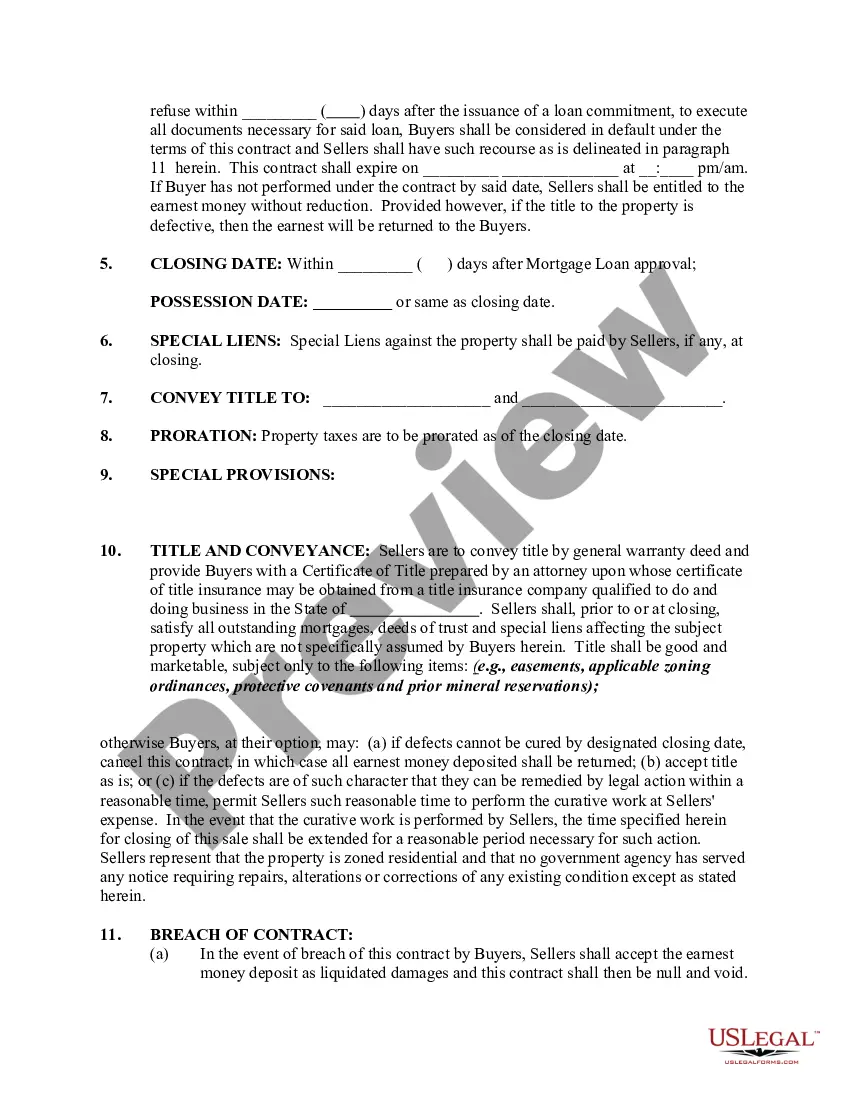
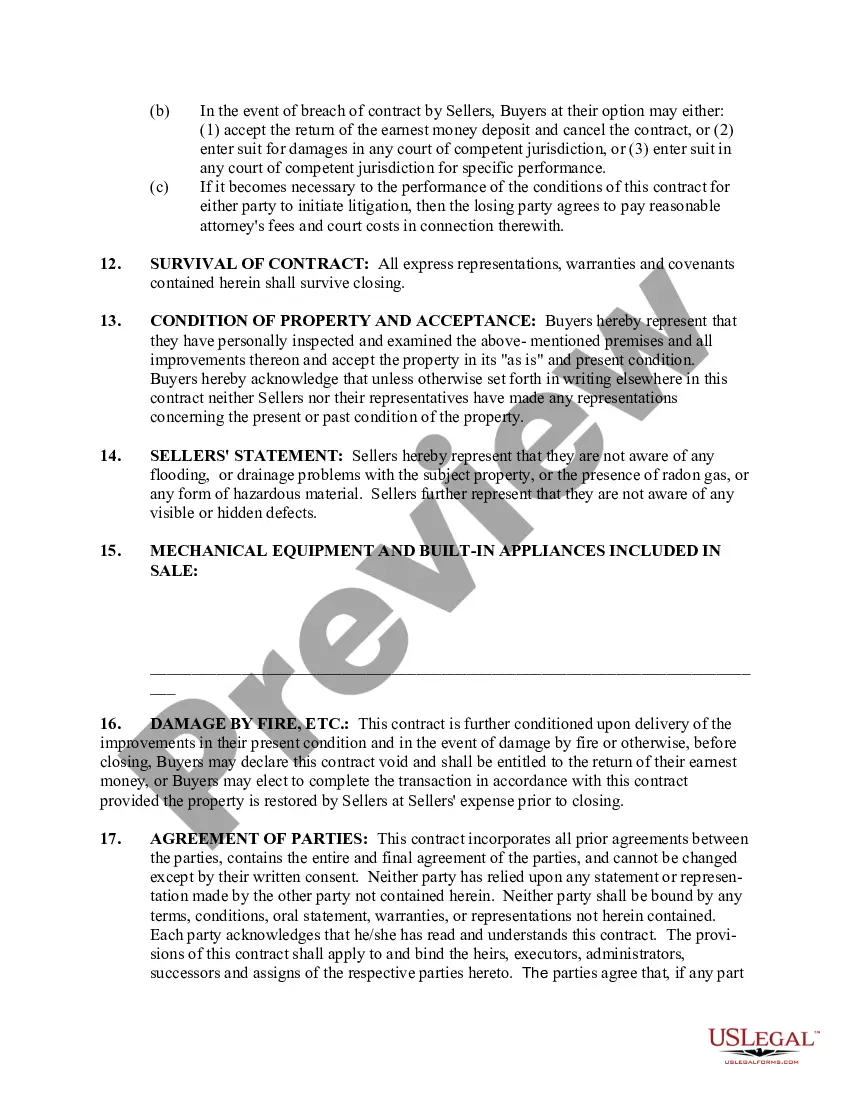
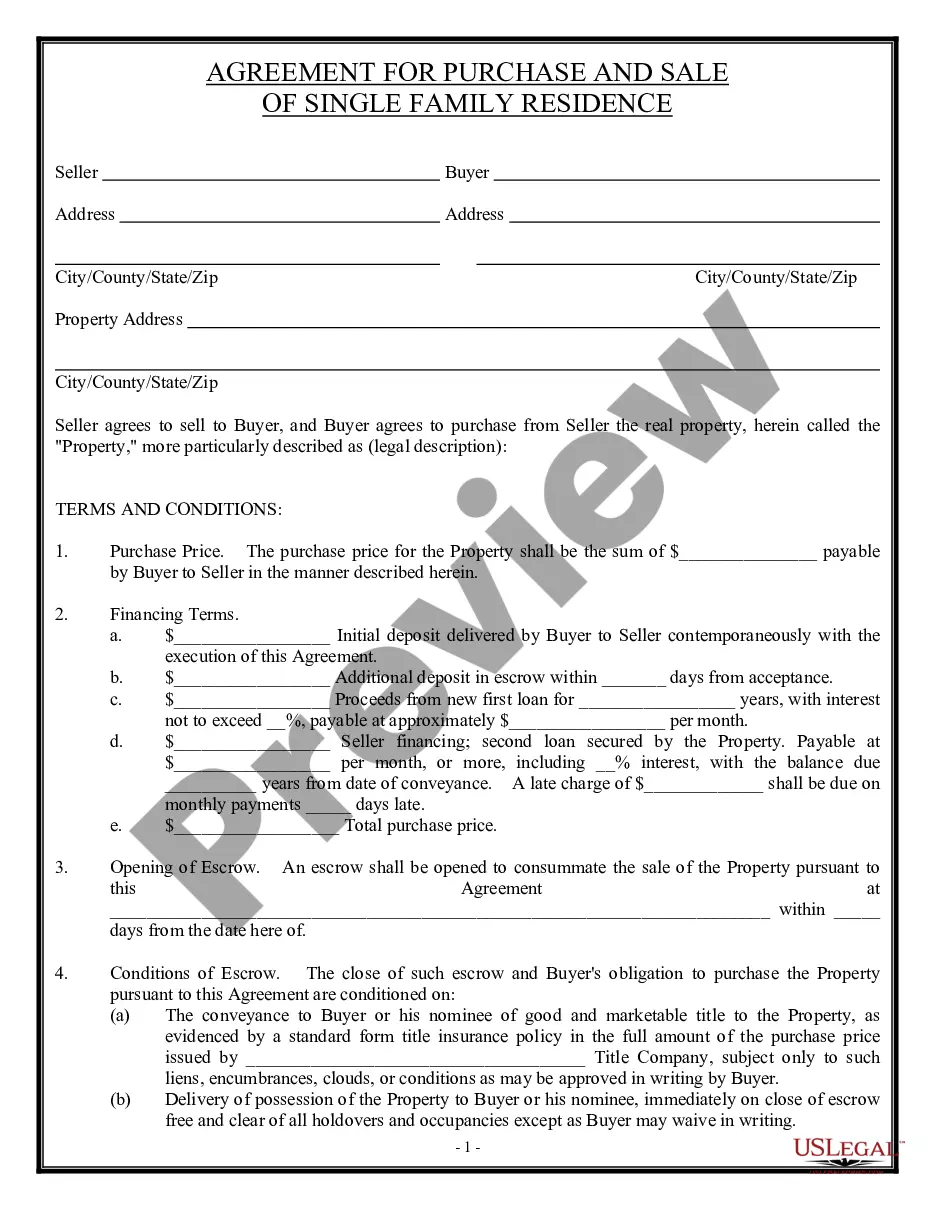
Get your form ready online
Our built-in tools help you complete, sign, share, and store your documents in one place.
Make edits, fill in missing information, and update formatting in US Legal Forms—just like you would in MS Word.
Download a copy, print it, send it by email, or mail it via USPS—whatever works best for your next step.
Sign and collect signatures with our SignNow integration. Send to multiple recipients, set reminders, and more. Go Premium to unlock E-Sign.
If this form requires notarization, complete it online through a secure video call—no need to meet a notary in person or wait for an appointment.
We protect your documents and personal data by following strict security and privacy standards.

Make edits, fill in missing information, and update formatting in US Legal Forms—just like you would in MS Word.

Download a copy, print it, send it by email, or mail it via USPS—whatever works best for your next step.

Sign and collect signatures with our SignNow integration. Send to multiple recipients, set reminders, and more. Go Premium to unlock E-Sign.

If this form requires notarization, complete it online through a secure video call—no need to meet a notary in person or wait for an appointment.

We protect your documents and personal data by following strict security and privacy standards.
Looking for another form?
Form popularity
FAQ
In New York, hiring an attorney to handle the closing of a real estate transaction is both highly recommended and legally required. This requirement is in place to properly address the complexity of property sales and to protect the interests of all parties involved.
Sellers Will Be Exposed To Liability Even After Closing may subject the seller to claims by the buyer prior to or after the transfer of title. That means buyers can sue sellers after closing. And the statute of limitations on these claims may be as long as six years.
Unlike many states, New York requires sellers to involve a lawyer in the house-selling transaction. (N.Y. Jud. Law § 484), fulfilling the tasks described above.
You can search for property records and property ownership information online, in person, or over the phone with a 311 representative. Property owners of all boroughs except Staten Island can visit ACRIS. To search documents for Staten Island property, visit the Richmond County Clerk's website.
You would have to record a new deed adding or removing the person(s) name. Because it is a legal document with legal consequences, we HIGHLY advise you work with an attorney to do so.
How do I add/remove a name on a Deed? You would have to record a new deed adding or removing the person(s) name. Because it is a legal document with legal consequences, we HIGHLY advise you work with an attorney to do so.
To be a deed the document must: be in writing. make clear on its face that it is intended to be a deed by the person making it or the parties to it. This can be done by the document describing itself as a deed or expressing itself to be executed as a deed 'or otherwise'
Execution – A deed must be in writing and signed by the grantor(s). Generally, deeds conveying a homestead estate must also be signed by the grantor's spouse.
How do I register? Contact HPD at register@hpd.nyc with the borough, address, block and lot of your property, as well as your contact information. HPD will research the property, add the information to its database and generate a Property Registration Form for you.
The grantor must sign the deed form and that signature must be properly acknowledged by a notary public. All signatures must be original; we cannot accept photocopies. A complete description of the property including the village, town, county and state where the property is located must also be included on the form.
