Closing Any Property For Sale In Bronx
Description

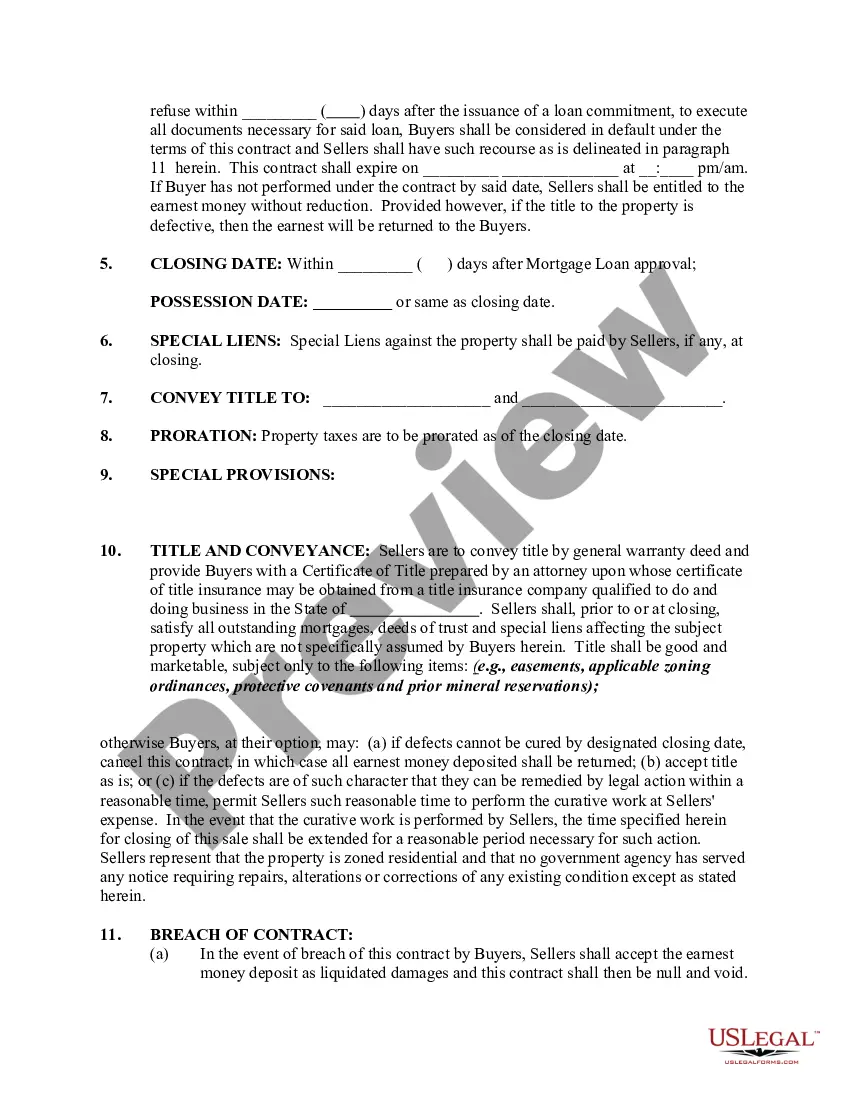
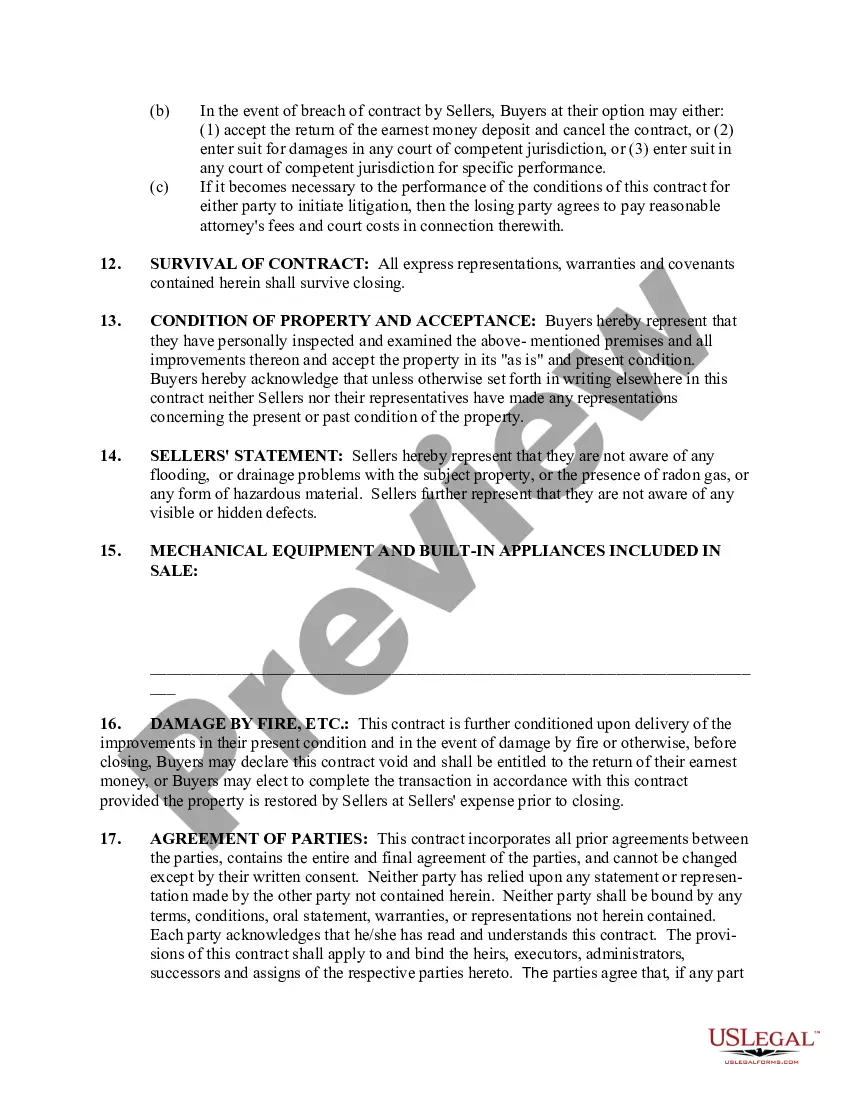
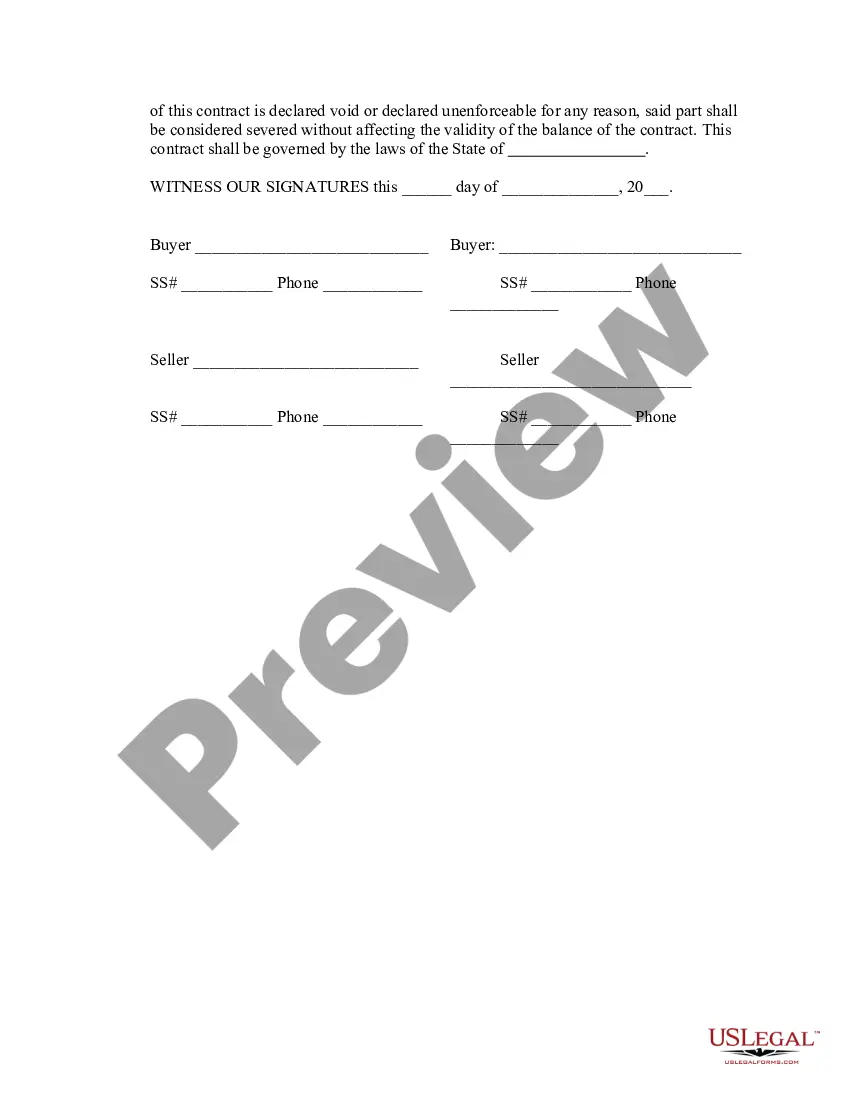
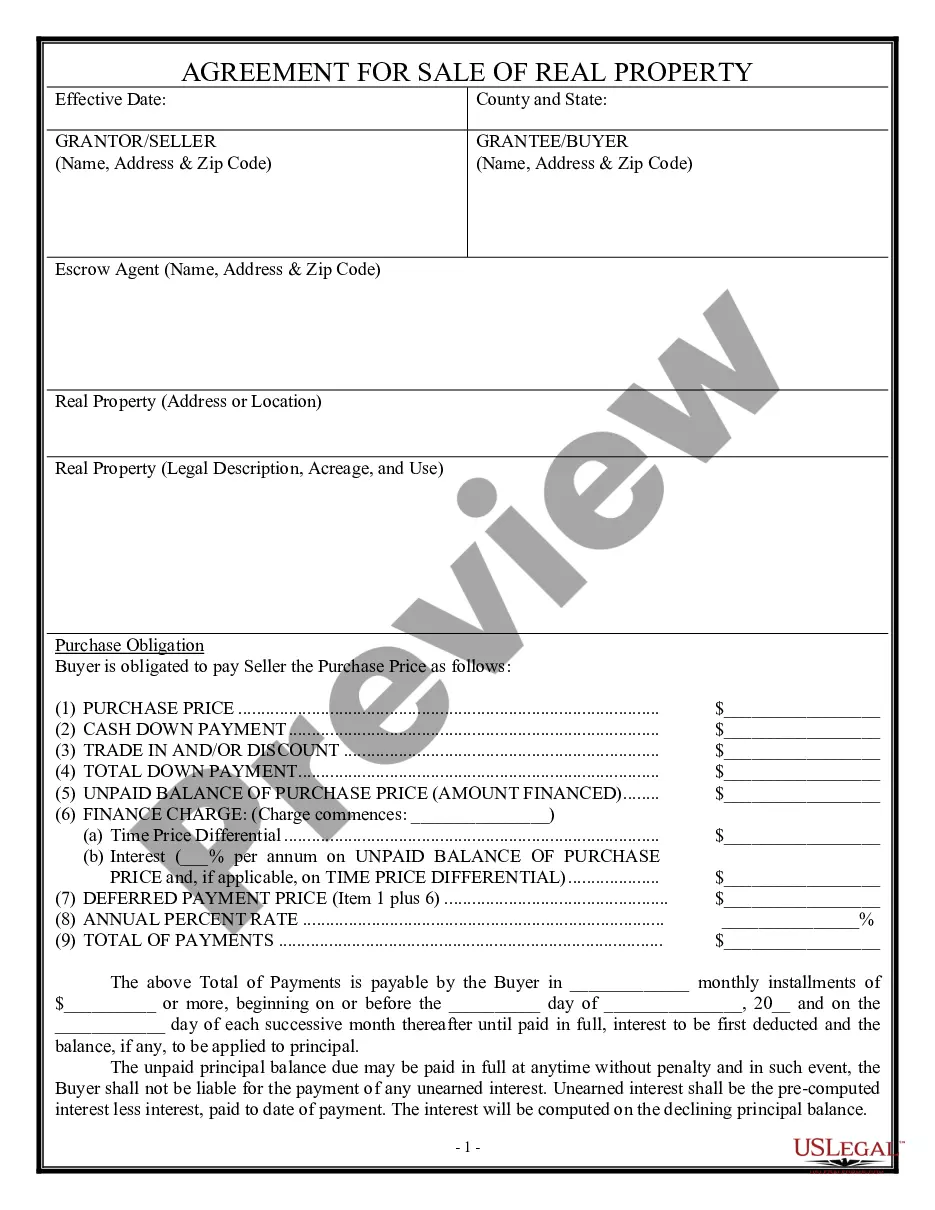
Get your form ready online
Our built-in tools help you complete, sign, share, and store your documents in one place.
Make edits, fill in missing information, and update formatting in US Legal Forms—just like you would in MS Word.
Download a copy, print it, send it by email, or mail it via USPS—whatever works best for your next step.
Sign and collect signatures with our SignNow integration. Send to multiple recipients, set reminders, and more. Go Premium to unlock E-Sign.
If this form requires notarization, complete it online through a secure video call—no need to meet a notary in person or wait for an appointment.
We protect your documents and personal data by following strict security and privacy standards.

Make edits, fill in missing information, and update formatting in US Legal Forms—just like you would in MS Word.

Download a copy, print it, send it by email, or mail it via USPS—whatever works best for your next step.

Sign and collect signatures with our SignNow integration. Send to multiple recipients, set reminders, and more. Go Premium to unlock E-Sign.

If this form requires notarization, complete it online through a secure video call—no need to meet a notary in person or wait for an appointment.

We protect your documents and personal data by following strict security and privacy standards.
Looking for another form?







Form popularity
FAQ
The closing disclosure document provides the final details about your mortgage. It explains the terms of your mortgage, projected monthly payments and how much your closing costs will be. The law requires your lender to provide the closing disclosure at least three days before closing.
30-60 Days Before Closing On Your Home Consider your moving date. Review your contract. Understand you are legally obligated to perform. Schedule Fire Certificate. Get packing supplies. Assess what items are not moving with you. Start packing. Provide the closing attorney with any paperwork.
Closing agents, who aid in the selling of a property to a buyer, prepare closing statements. Real estate attorneys, title firms, and escrow officers often act as closing agents.
Unlike many states, New York requires sellers to involve a lawyer in the house-selling transaction. (N.Y. Jud. Law § 484), fulfilling the tasks described above.
Closing in 30 days is ideal. But it's usually only possible if the buyer's financial readiness isn't a barrier and no issues arise during the appraisal and inspection.
Generally, closing takes place between 60 to 90 days after a contract of sale has been signed. It includes many steps that take place at several locations and will include all the parties involved in the sale – buyers, sellers, lenders, attorneys and possibly, even real estate agents.
What is the most important document at closing and why? The deed is the most important document because it transfers the property to the purchaser.
The closing process typically begins with reviewing and reconciling accounts to identify discrepancies and errors. Adjusting entries are then recorded to account for accruals, deferrals, depreciation, and other adjustments necessary to reflect the correct financial position.
The closing process involves four specific steps: Step 1: Close revenue accounts to Income Summary. Income Summary is a temporary account used during the closing process. Step 2: Close expense accounts to Income Summary. Step 3: Close Income Summary to Retained Earnings. Step 4: Close dividends to Retained Earnings.
As for the seller goes, they actually are not required to be present at the closing. They can sign what's called a 'power of attorney', and their attorney can actually sign documents on their behalf in their absence.
