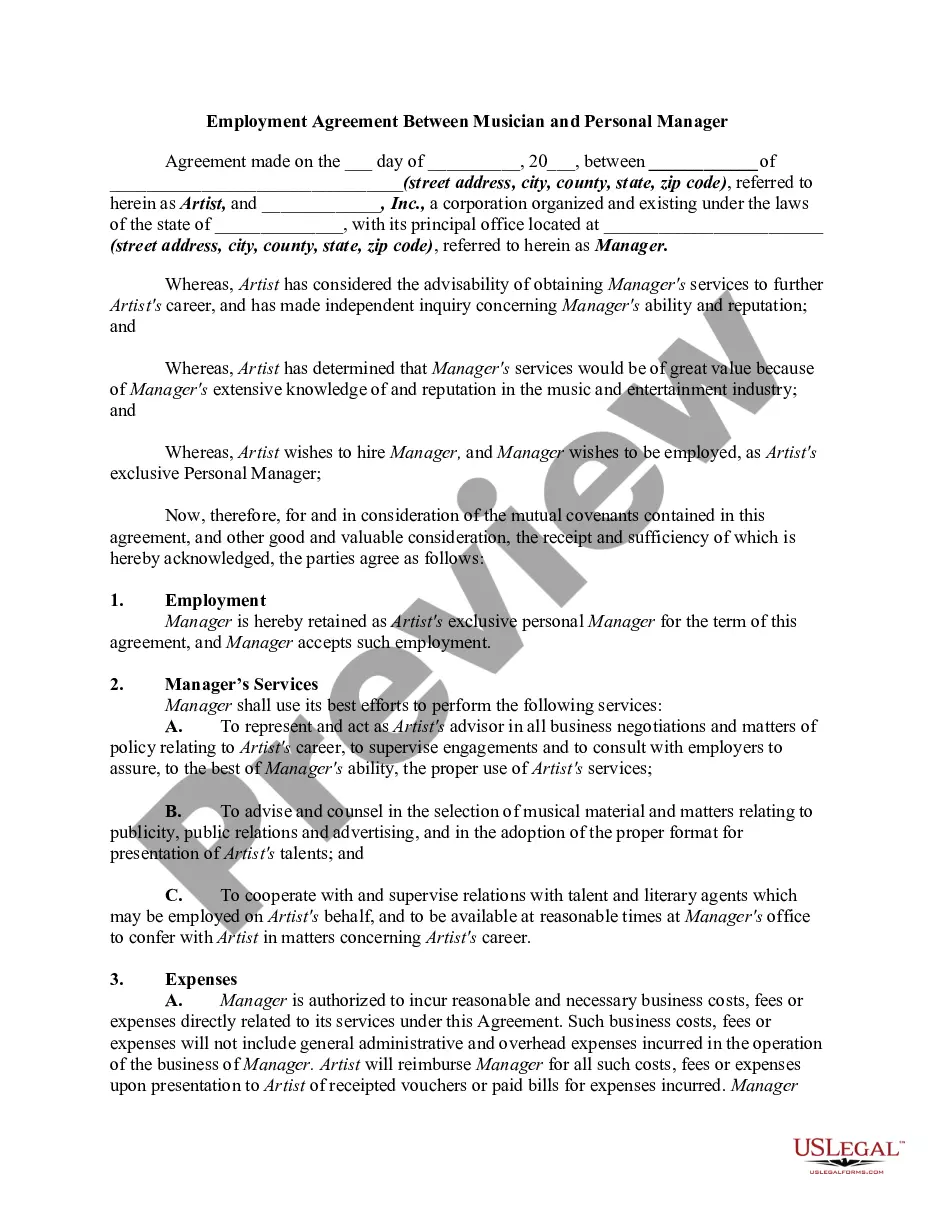
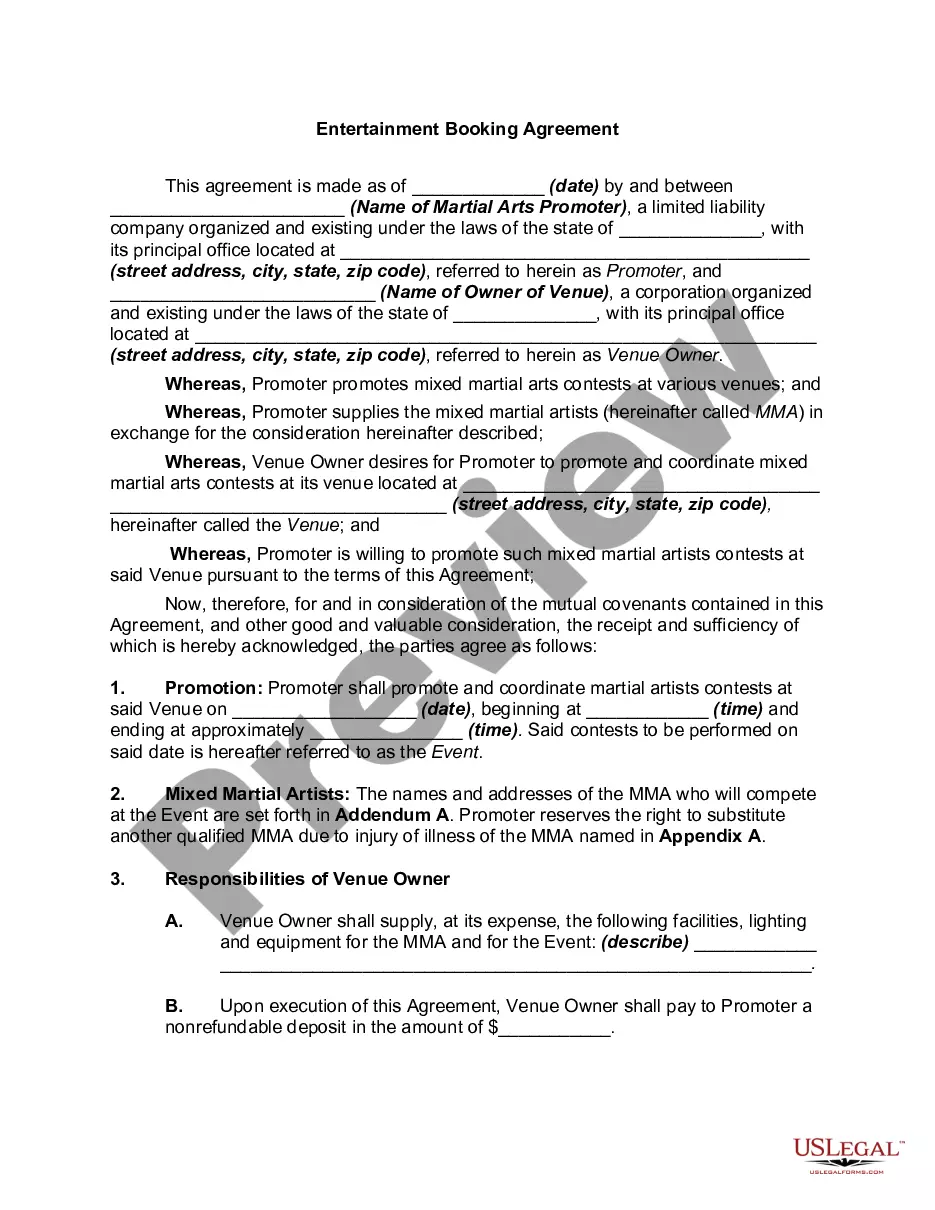
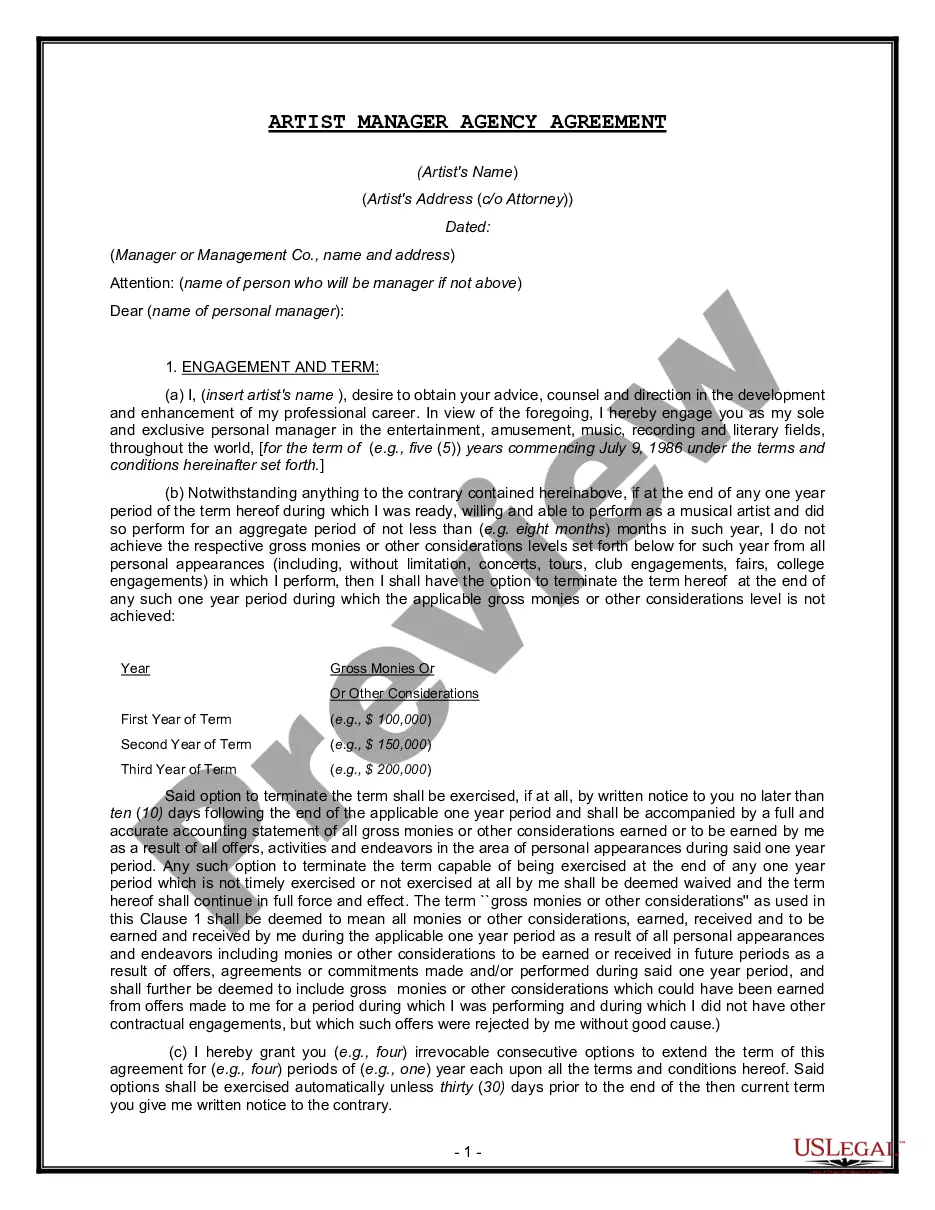
Artist Agreement Form Contract For Debt In King
Description

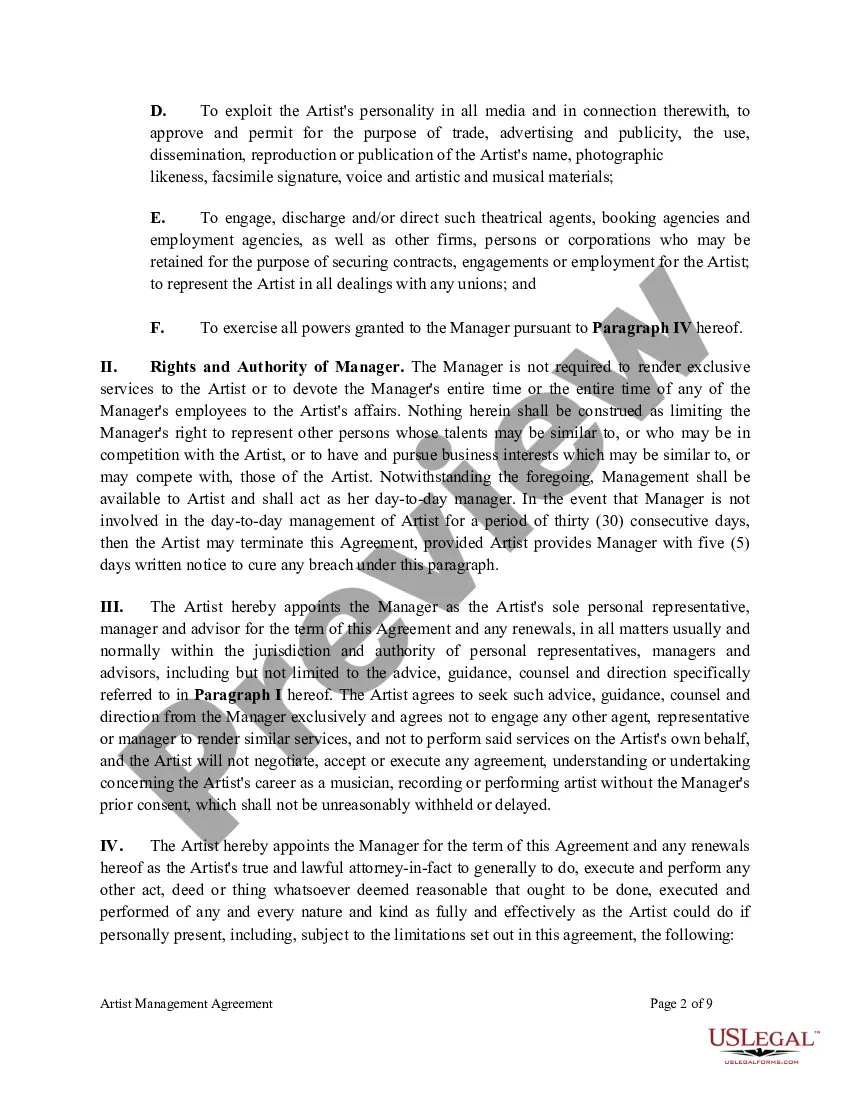
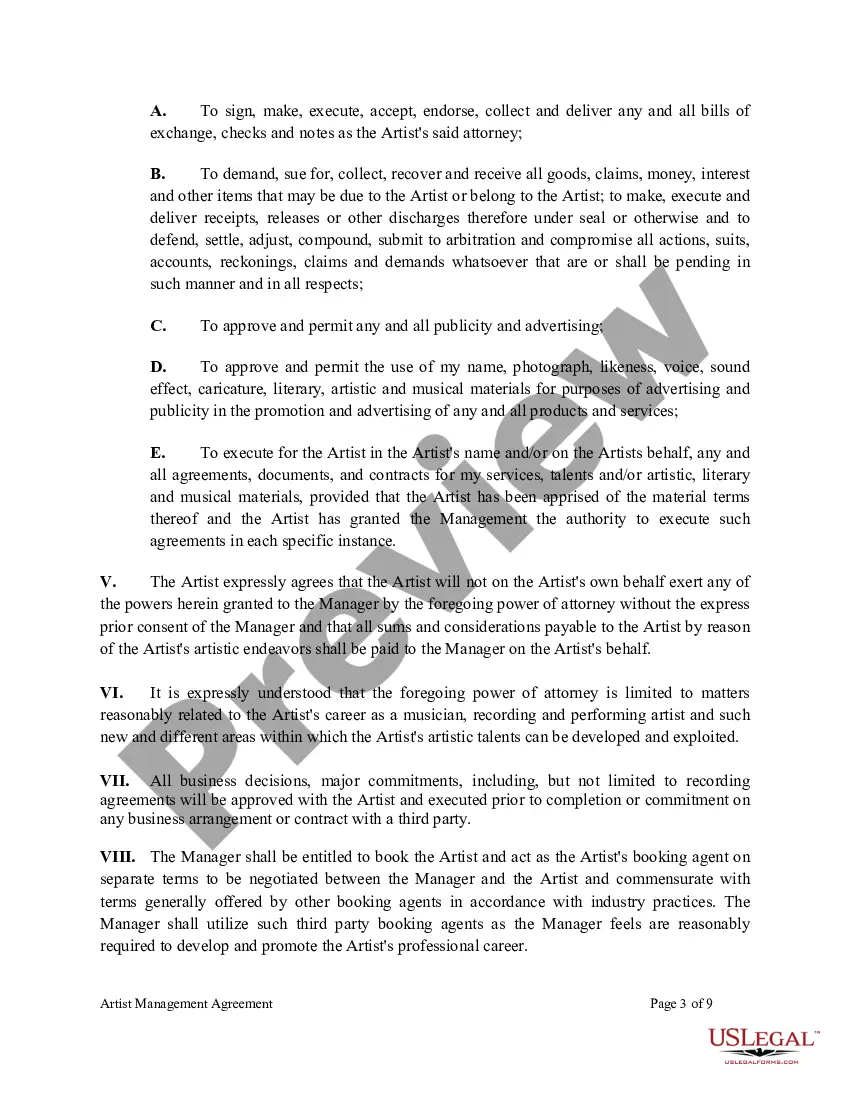
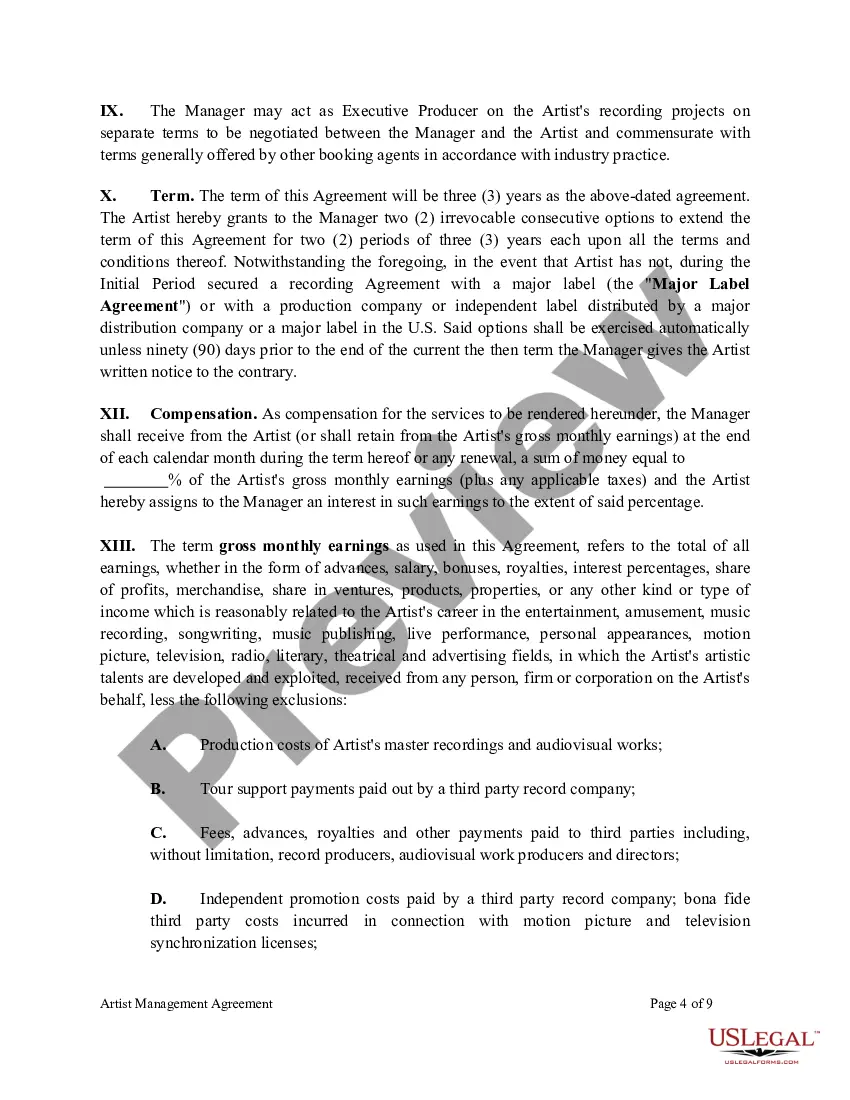
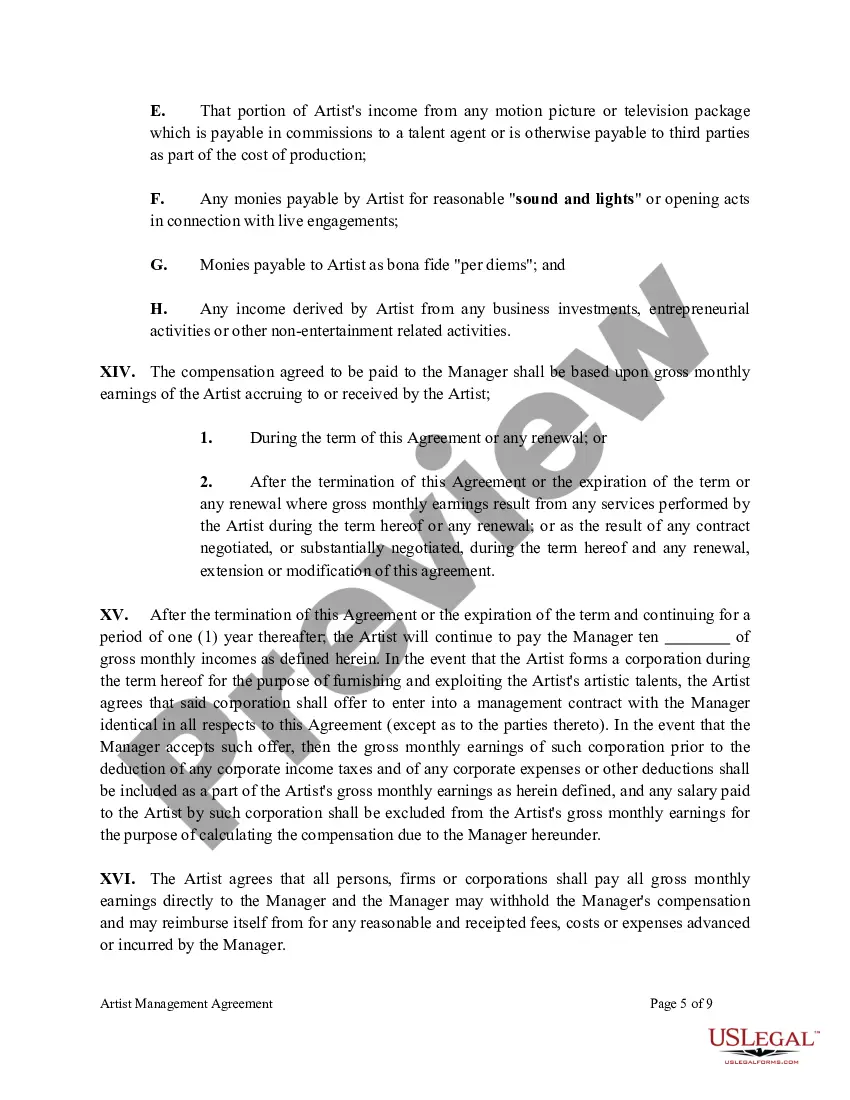
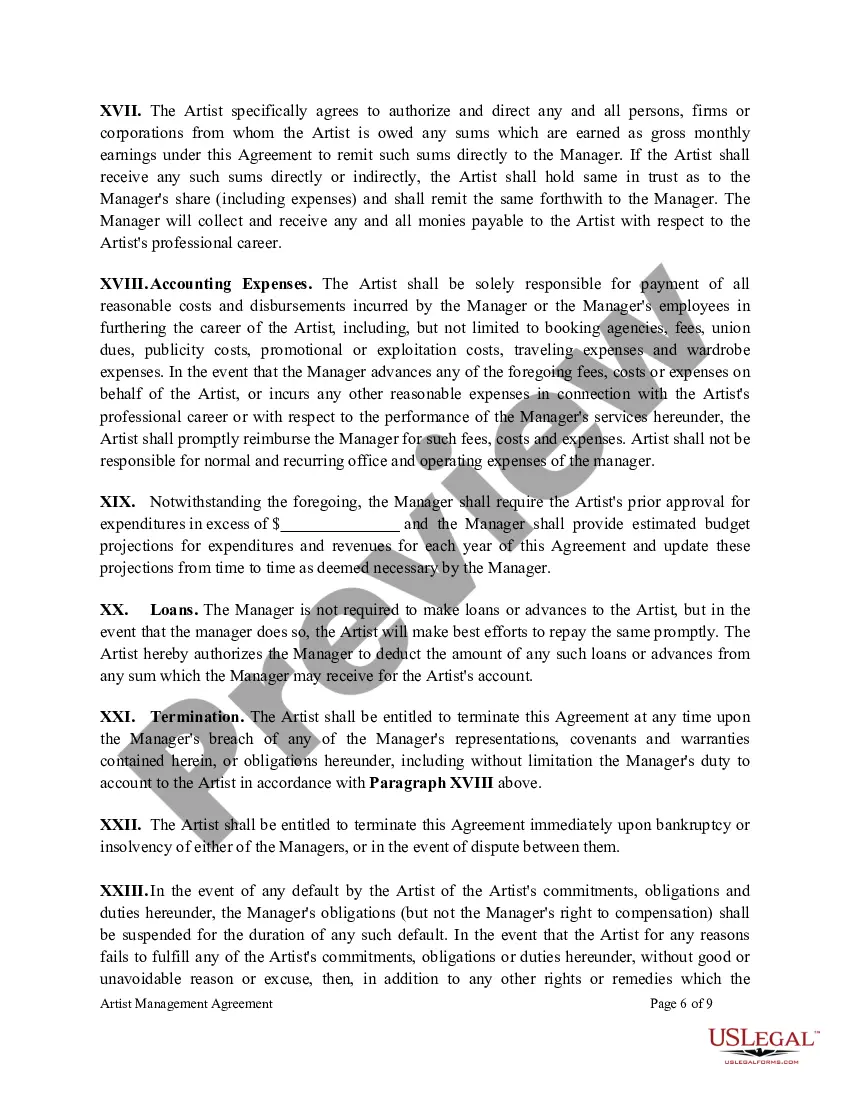
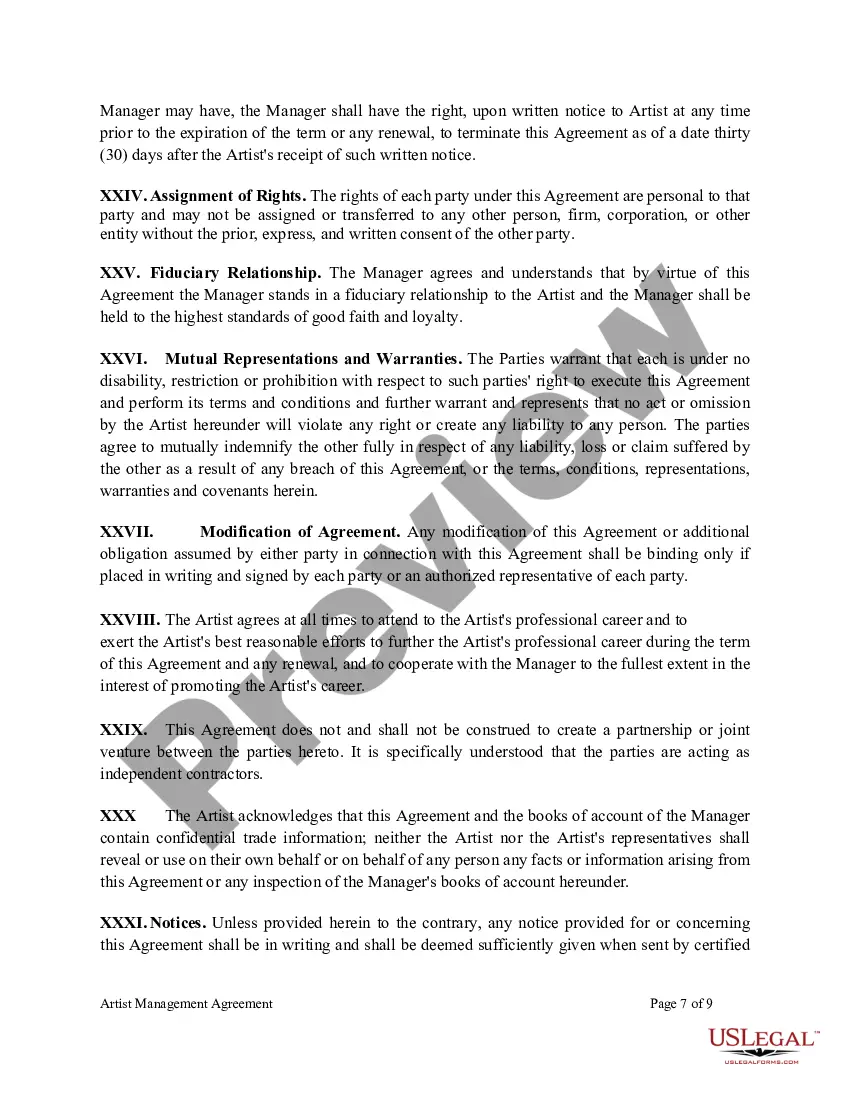
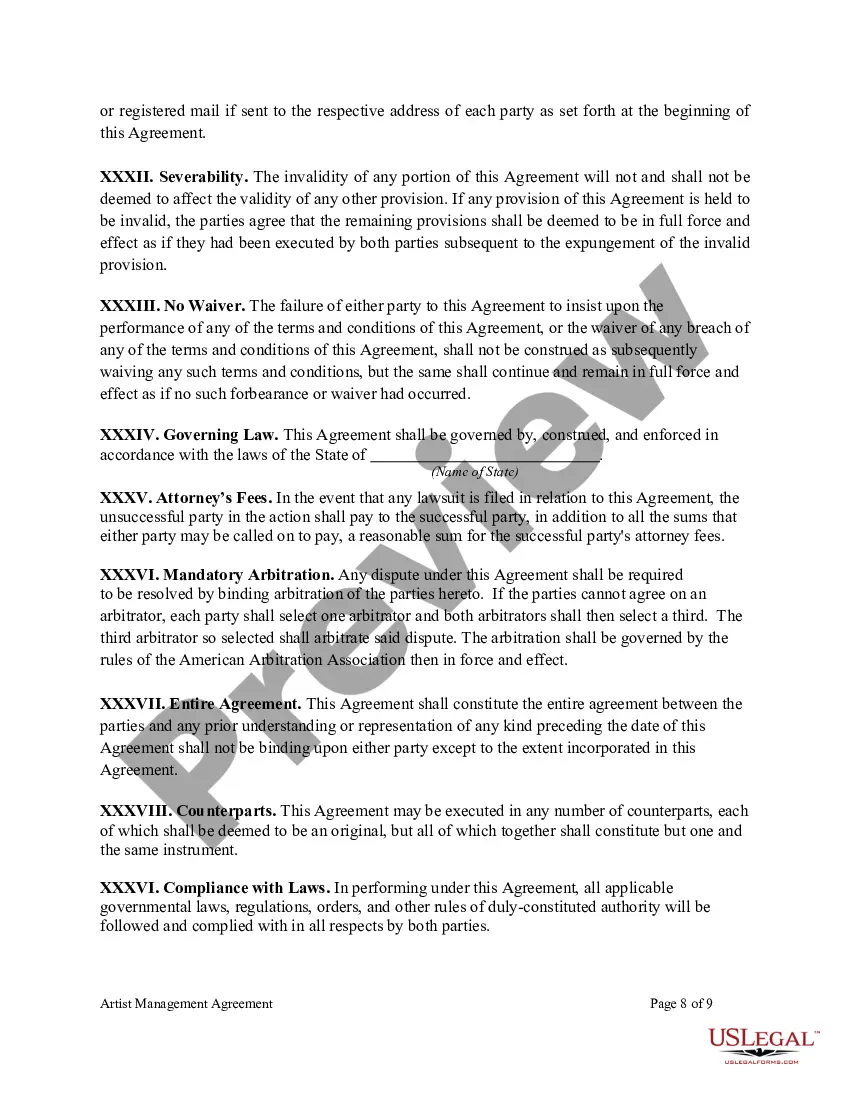
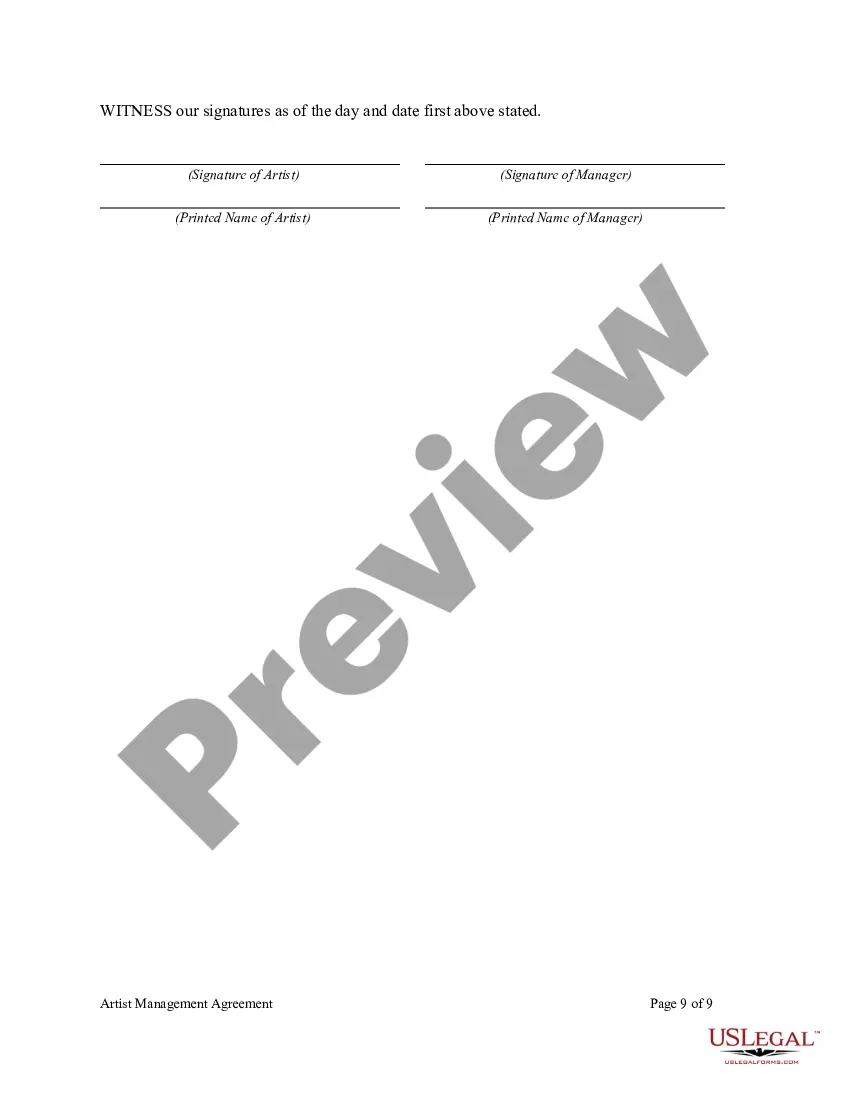
Get your form ready online
Our built-in tools help you complete, sign, share, and store your documents in one place.
Make edits, fill in missing information, and update formatting in US Legal Forms—just like you would in MS Word.
Download a copy, print it, send it by email, or mail it via USPS—whatever works best for your next step.
Sign and collect signatures with our SignNow integration. Send to multiple recipients, set reminders, and more. Go Premium to unlock E-Sign.
If this form requires notarization, complete it online through a secure video call—no need to meet a notary in person or wait for an appointment.
We protect your documents and personal data by following strict security and privacy standards.

Make edits, fill in missing information, and update formatting in US Legal Forms—just like you would in MS Word.

Download a copy, print it, send it by email, or mail it via USPS—whatever works best for your next step.

Sign and collect signatures with our SignNow integration. Send to multiple recipients, set reminders, and more. Go Premium to unlock E-Sign.

If this form requires notarization, complete it online through a secure video call—no need to meet a notary in person or wait for an appointment.

We protect your documents and personal data by following strict security and privacy standards.
Looking for another form?








Form popularity
FAQ
Handwritten contracts are legally binding if they meet the necessary conditions that apply to all contracts: mutual agreement, capacity, consideration, and legal validity. There are no legal differences between typed and handwritten agreements when it comes to enforceability.
A personal contract is a written agreement between an individual and themselves, outlining their personal goals, values, and commitments. It is a powerful tool for personal growth and development, as it helps individuals to clarify their aspirations and make concrete plans for achieving them.
Legally binding contracts can be done both in writing or orally. However, when it comes to business transactions, it's best to have the majority of your contracts in writing. There is no law requiring contracts to be written by a lawyer. There are no laws that indicate any specific form or font they should be in.
Write the contract in six steps Start with a contract template. Open with the basic information. Describe in detail what you have agreed to. Include a description of how the contract will be ended. Write into the contract which laws apply and how disputes will be resolved. Include space for signatures.
How to write a contract agreement in 7 steps. Determine the type of contract required. Confirm the necessary parties. Choose someone to draft the contract. Write the contract with the proper formatting. Review the written contract with a lawyer. Send the contract agreement for review or revisions.
Yes, you can write your own contract. However, including all necessary elements is crucial to make it legally binding.
The most common form of “Production Agreement” is where a studio owner, producer or a manager with access to a studio signs a band to a recording agreement with the intention of making recordings which can then be “sold on” to a major or large independent record company.
During the Term of this Agreement, you will not enter into. any agreement which would interfere with the full and prompt performance of. your obligations hereunder, and you will not perform or render any services for. the purpose of making Records or Master Recordings for any Person other than. Company.
It is a legal agreement that binds the Artist and the Company to fulfill all the terms and conditions contained in it. All Individual Artist Agreements must be in compliance with the respective Collective Bargaining Agreement.
Like its name suggests, an exclusive contract is one that restricts a party from providing the same goods/services to others for a specified period of time. This can also be applied in the context where a company obtains exclusive rights and agrees to do business exclusively with another company.
