Sell Closing Property Without Consent In Arizona
Description

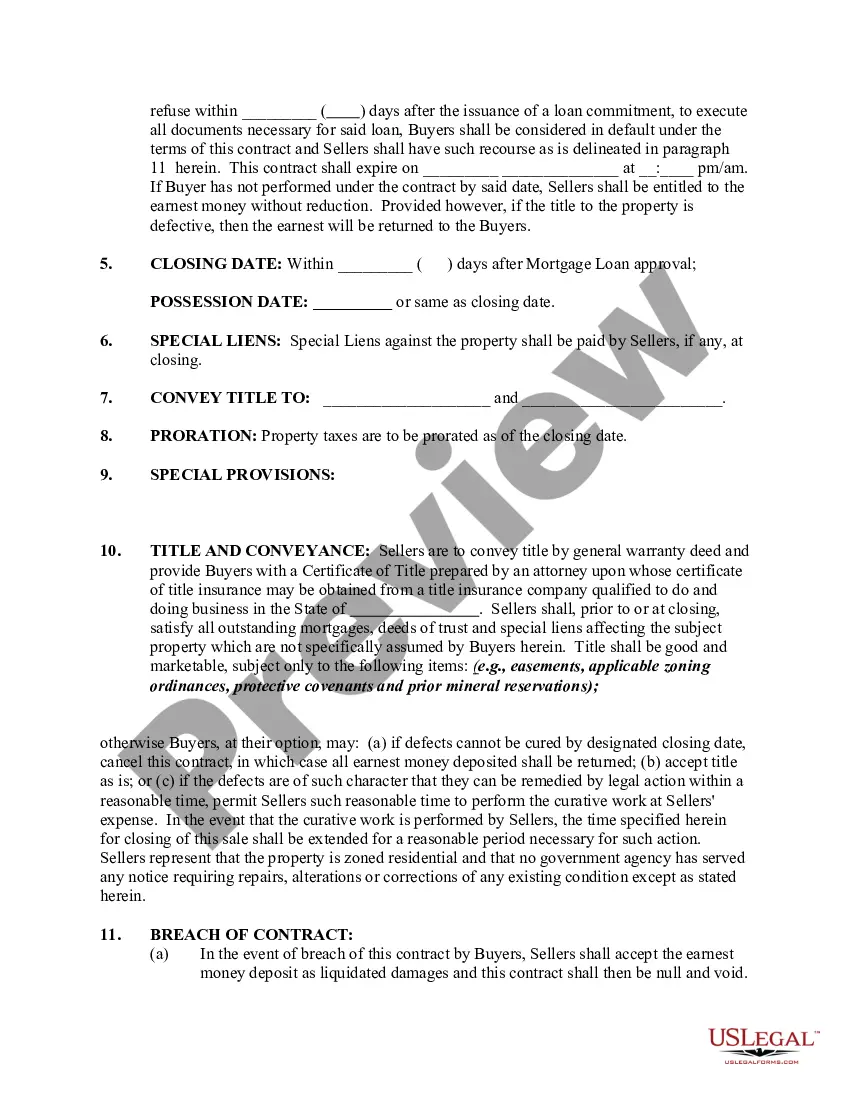
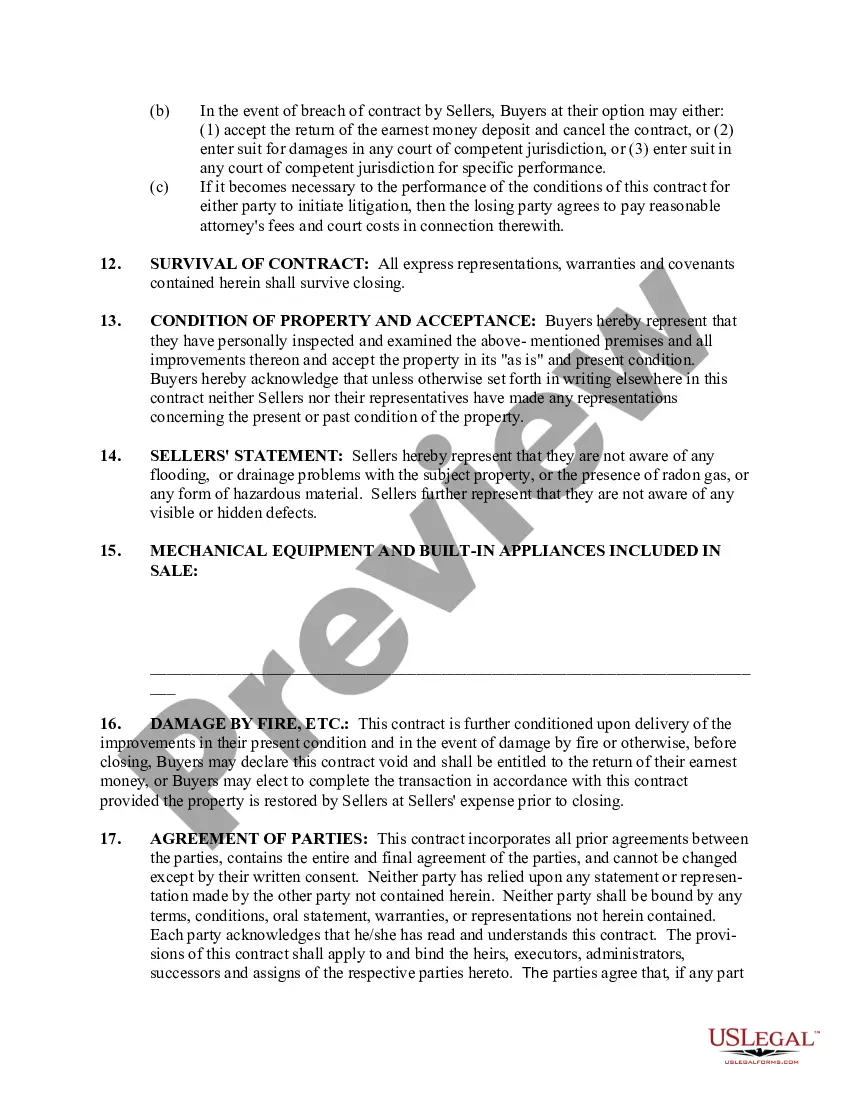
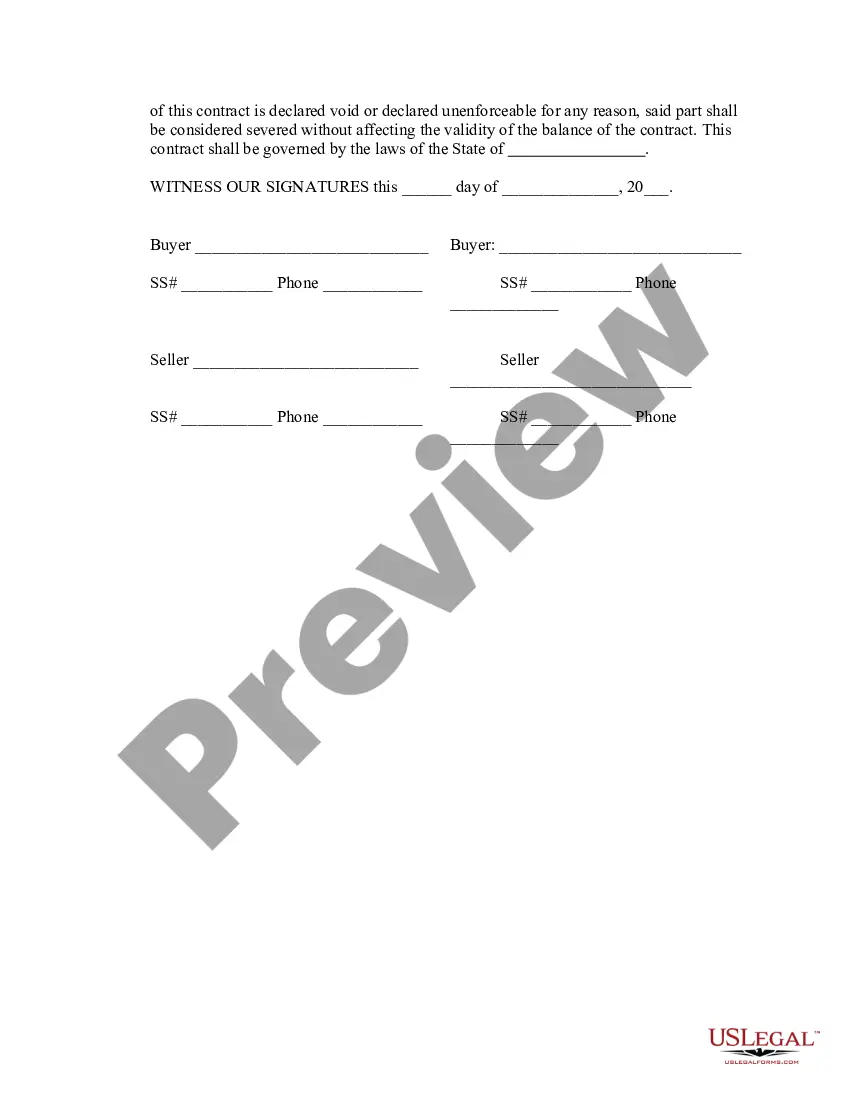
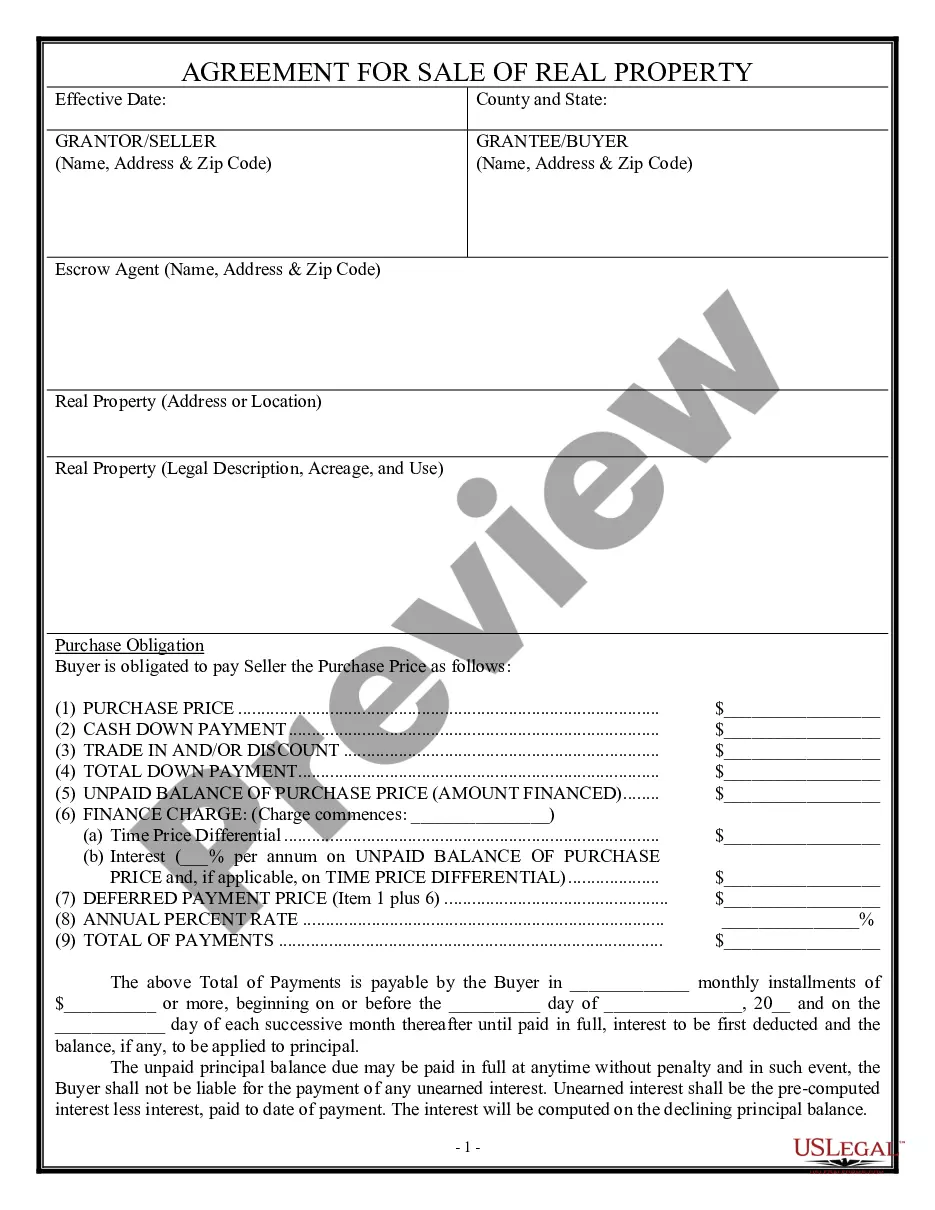
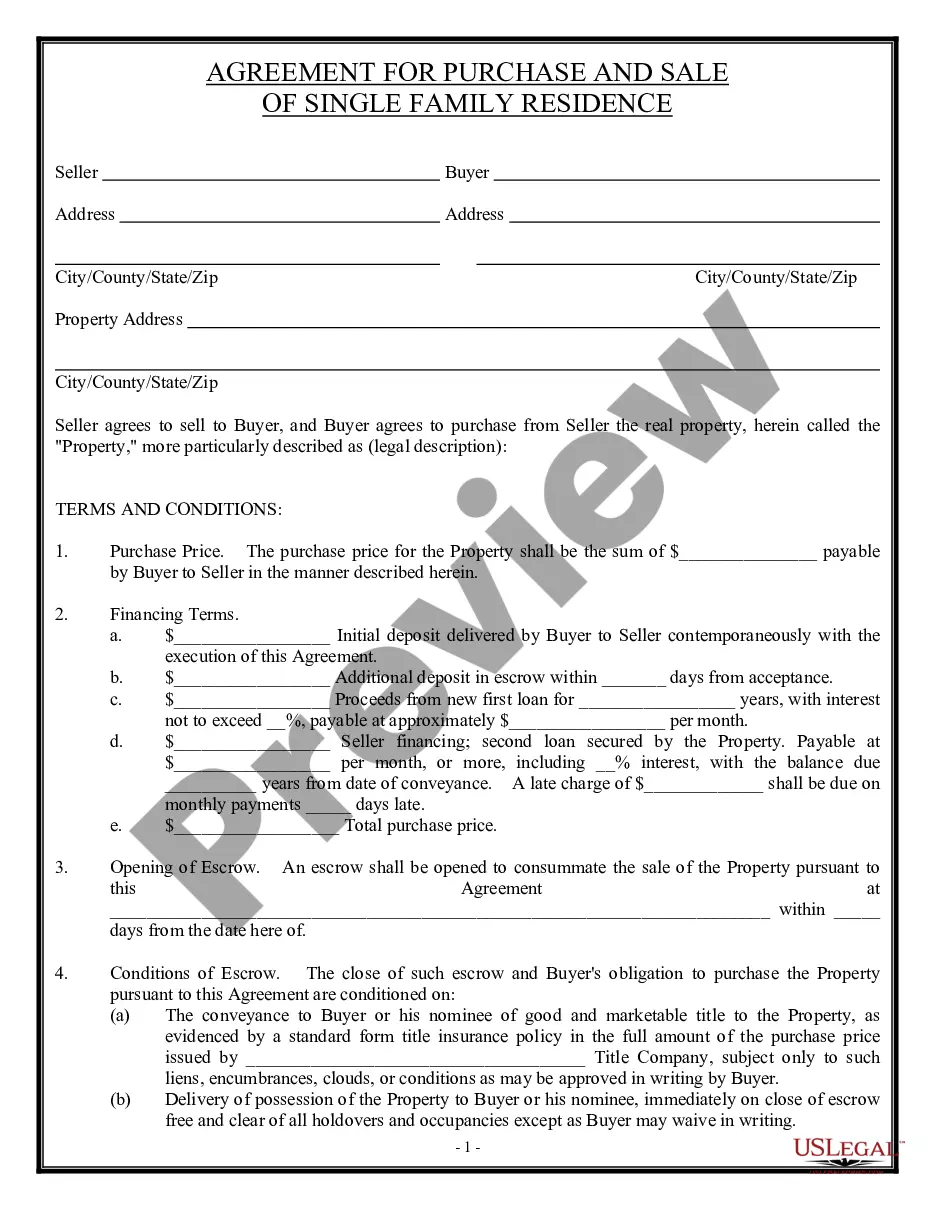
Get your form ready online
Our built-in tools help you complete, sign, share, and store your documents in one place.
Make edits, fill in missing information, and update formatting in US Legal Forms—just like you would in MS Word.
Download a copy, print it, send it by email, or mail it via USPS—whatever works best for your next step.
Sign and collect signatures with our SignNow integration. Send to multiple recipients, set reminders, and more. Go Premium to unlock E-Sign.
If this form requires notarization, complete it online through a secure video call—no need to meet a notary in person or wait for an appointment.
We protect your documents and personal data by following strict security and privacy standards.

Make edits, fill in missing information, and update formatting in US Legal Forms—just like you would in MS Word.

Download a copy, print it, send it by email, or mail it via USPS—whatever works best for your next step.

Sign and collect signatures with our SignNow integration. Send to multiple recipients, set reminders, and more. Go Premium to unlock E-Sign.

If this form requires notarization, complete it online through a secure video call—no need to meet a notary in person or wait for an appointment.

We protect your documents and personal data by following strict security and privacy standards.
Looking for another form?





Form popularity
FAQ
Deed fraud — also called home title fraud, title theft, or house stealing — is the illegal transfer and recording of a real estate title without the knowledge or consent of the legal owner. Criminals often target vacant properties — such as vacation homes — especially if the legal owner is deceased.
Most states don't have any death disclosure requirements. Among those that do, rules can be straightforward and explicitly require prior death to be disclosed to homebuyers. Even those rules may only apply to recent deaths or more stigmatizing events such as .
If you live in California, for example, you must disclose whether any deaths occurred on the property within the last three years. Few other states' laws contain such a requirement, however.
Buyers can bring liability claims against sellers when agreed-upon repairs in the sales contract weren't completed properly or weren't done at all. Property Boundary Issues. Buyers can sue sellers if there are known boundary disputes that they have to deal with after the sale.
A death in the home Sellers also do not have to disclose if anyone passed away in the home. It doesn't matter if it was a homicide, a suicide or a natural death. Sellers also don't have to disclose other types of crime that may have occurred on the property, even felonies.
Answer: Yes. In Arizona, when multiple owners cannot agree on the use or disposition of real estate, one or more of the owners may obtain a court order to “partition” the property. Where the property is vacant land and a fair division can be made by dividing the property, the court will do so.
The legislators don't want you dragging the seller into court 20 years after the sale, when no one recalls what happened and evidence might be long lost. Most statutes of limitations are somewhere between two and ten years, but this will depend on where you are and what type of claim you have.
October is the worst month to sell That's sandwiched in-between September and November, both of which come in at 9.5 percent. Of course, if you're a buyer, the opposite holds true: The cooler months can actually be a hot time to house-hunt.
Best month to sell your house? Conventional wisdom says the best months are: April / May. September / October.
Best Month To Sell A House Homeowners looking for a fast home sale and maximum profit should consider listing their homes in either May or June. Experts have found that the real estate market begins to pick up around March as people start listing their homes.
