Closing Property Title Format In Allegheny
Description

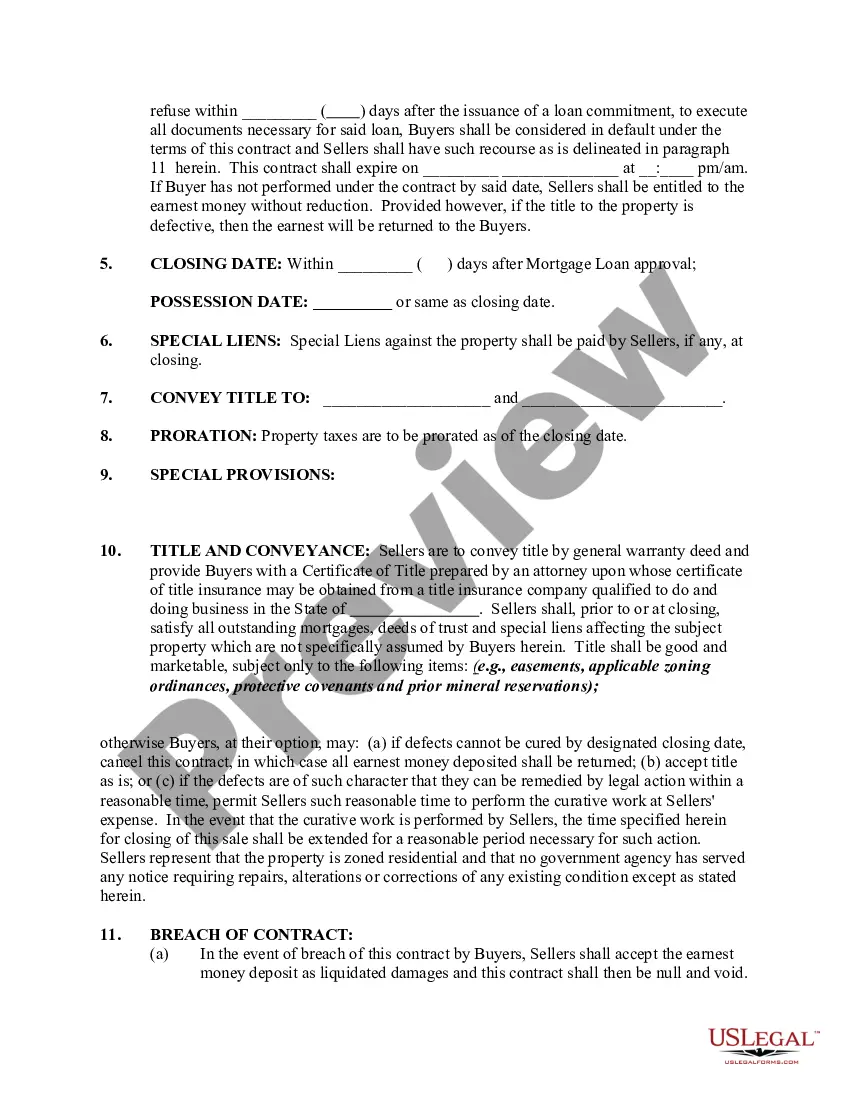
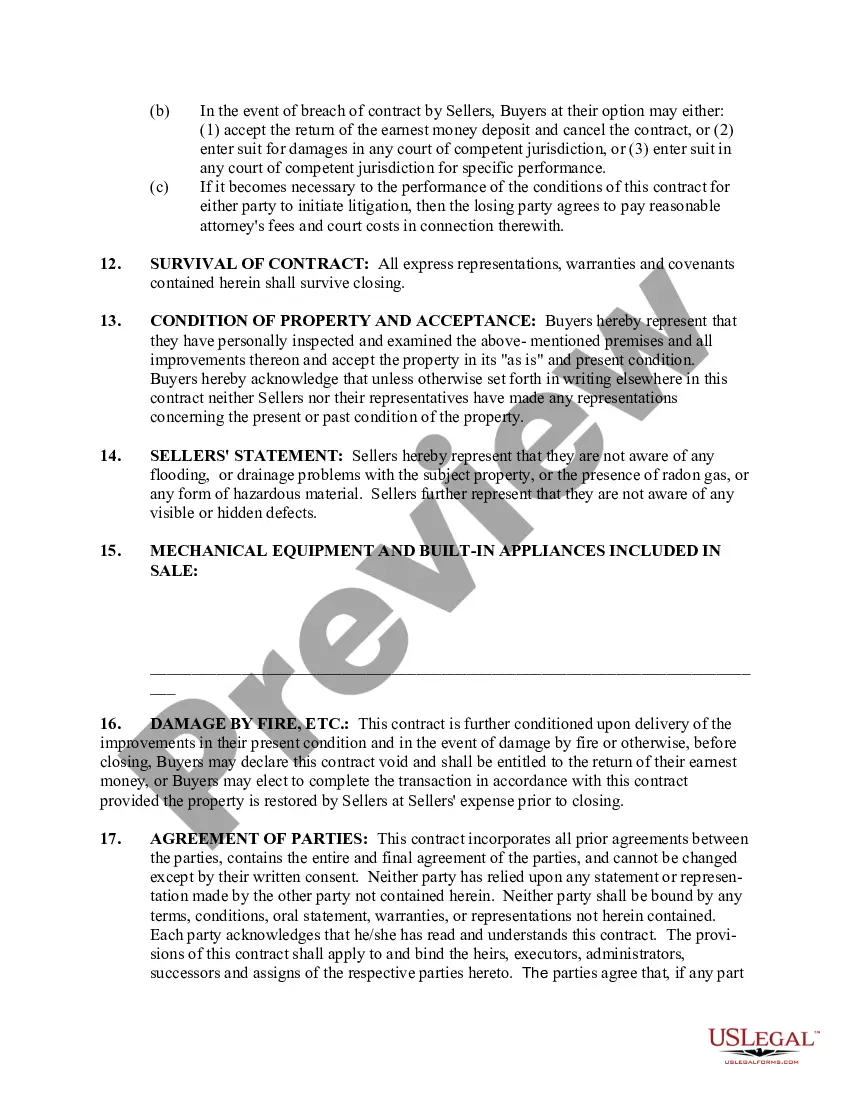
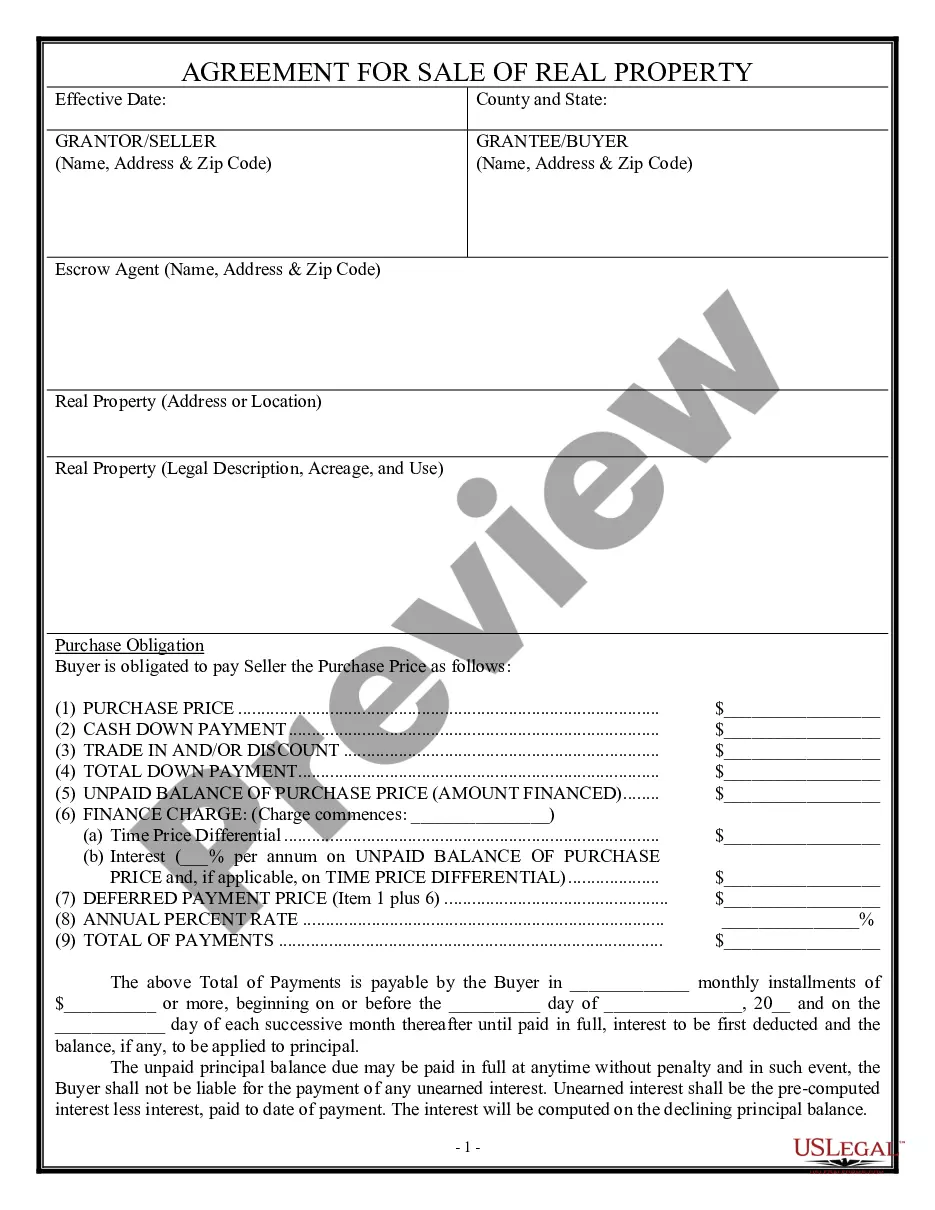
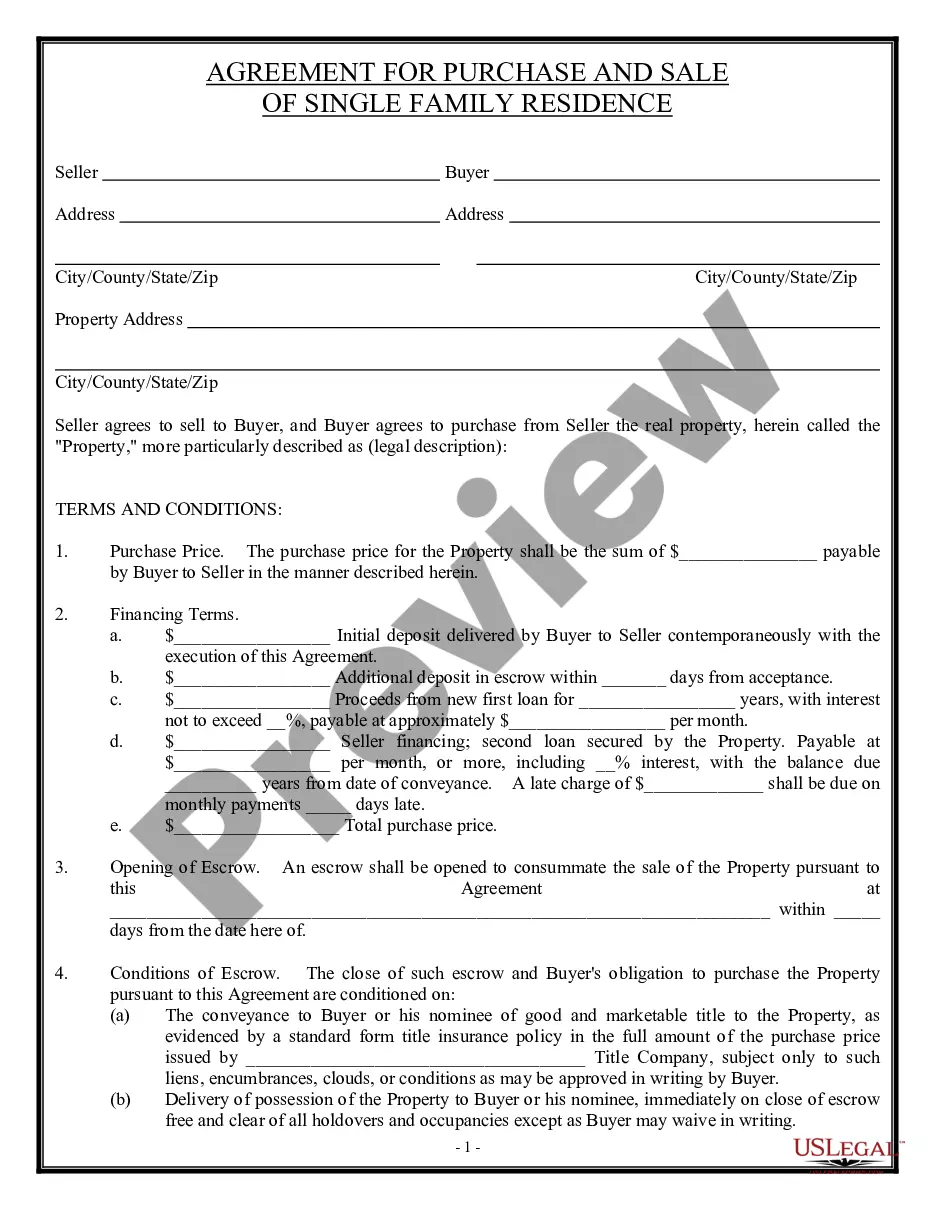
Get your form ready online
Our built-in tools help you complete, sign, share, and store your documents in one place.
Make edits, fill in missing information, and update formatting in US Legal Forms—just like you would in MS Word.
Download a copy, print it, send it by email, or mail it via USPS—whatever works best for your next step.
Sign and collect signatures with our SignNow integration. Send to multiple recipients, set reminders, and more. Go Premium to unlock E-Sign.
If this form requires notarization, complete it online through a secure video call—no need to meet a notary in person or wait for an appointment.
We protect your documents and personal data by following strict security and privacy standards.

Make edits, fill in missing information, and update formatting in US Legal Forms—just like you would in MS Word.

Download a copy, print it, send it by email, or mail it via USPS—whatever works best for your next step.

Sign and collect signatures with our SignNow integration. Send to multiple recipients, set reminders, and more. Go Premium to unlock E-Sign.

If this form requires notarization, complete it online through a secure video call—no need to meet a notary in person or wait for an appointment.

We protect your documents and personal data by following strict security and privacy standards.
Looking for another form?
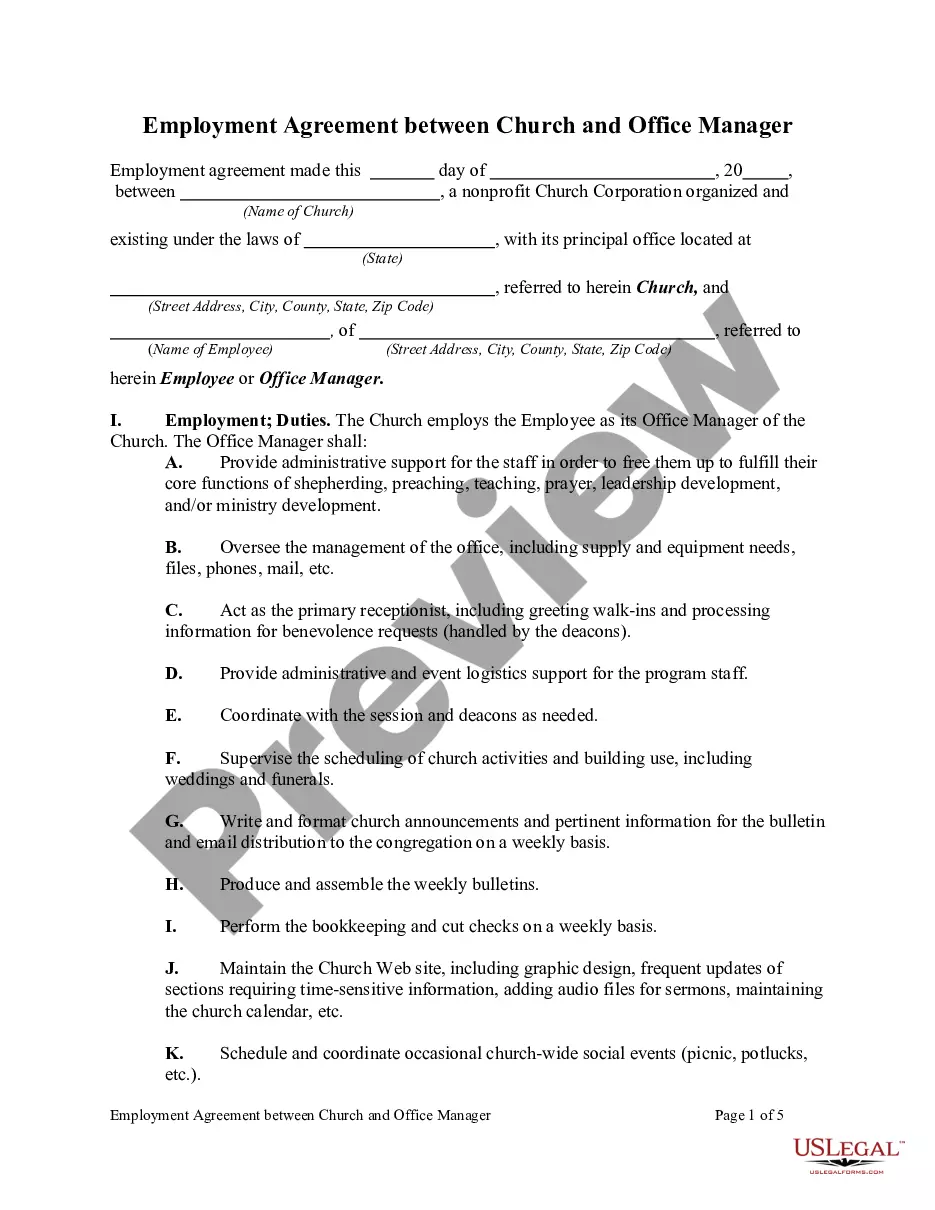

Form popularity
FAQ
Deed Transfers in Pennsylvania Determine the deed option you are using. Download and fill out the appropriate forms. Fill out the realty transfer tax forms. Sign the deed in front of a notary public. File the transfer with the office of the Recorder of Deeds.
Consulting with an attorney can help you choose the right deed for your transfer. Both the grantor and grantee must sign the deed in front of a notary public. The deed should include a detailed description of the property, the names of the grantor and grantee, and any relevant encumbrances.
– Quitclaim Deed: This deed transfers the grantor's interest in the property without any warranties or guarantees. It is often used for transfers between family members where the grantor may not want to warrant the current status of title.
To complete a house title search in Pennsylvania, you can hire someone to complete the search, visit the courthouse of the county where the property is located, or visit the county assessor.
No such deed which shall remain unrecorded as aforesaid, for the said term of two years, shall be permitted to be given in evidence in any of the courts of this Commonwealth, unless proven or acknowledged ing to the act to which this is a supplement, or unless proven in the manner in which other instruments of ...
No. A deed is binding even if it is not recorded. However, for numerous reasons, it is in your best interest to record it. One good reason: the former owner can go on getting mortgages, judgments and suits on your property, since records in the Office would show that he/she still owns it.
For a deed to legal in Pennsylvania, it must meet the following basic requirements: It must be in writing, State the name of the current owner, Include the legal description for the real estate being transferred, and. State the name of the new owner.
Obtaining Copies Examples: Deeds, Mortgages and Mortgage Satisfactions. In-Person: Room 101 of the County Office Building. Mail: Send in the Request Form(PDF, 36KB). Online: Land Record Databases. Casual and commercial customer Copy Options. Note: Military Discharge Papers have special recording and copying instructions.
All deeds made in the state to be acknowledged and recorded within ninety days.
