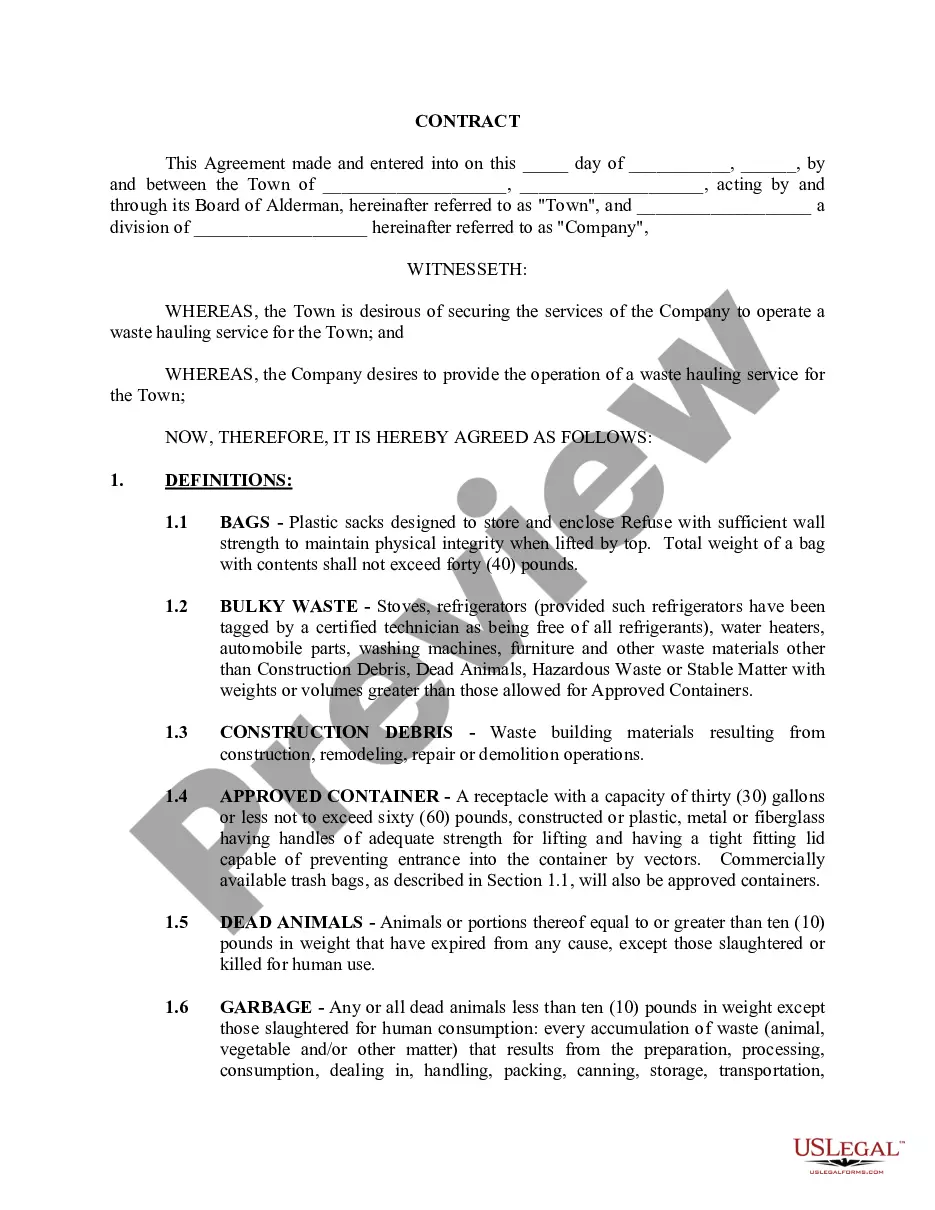
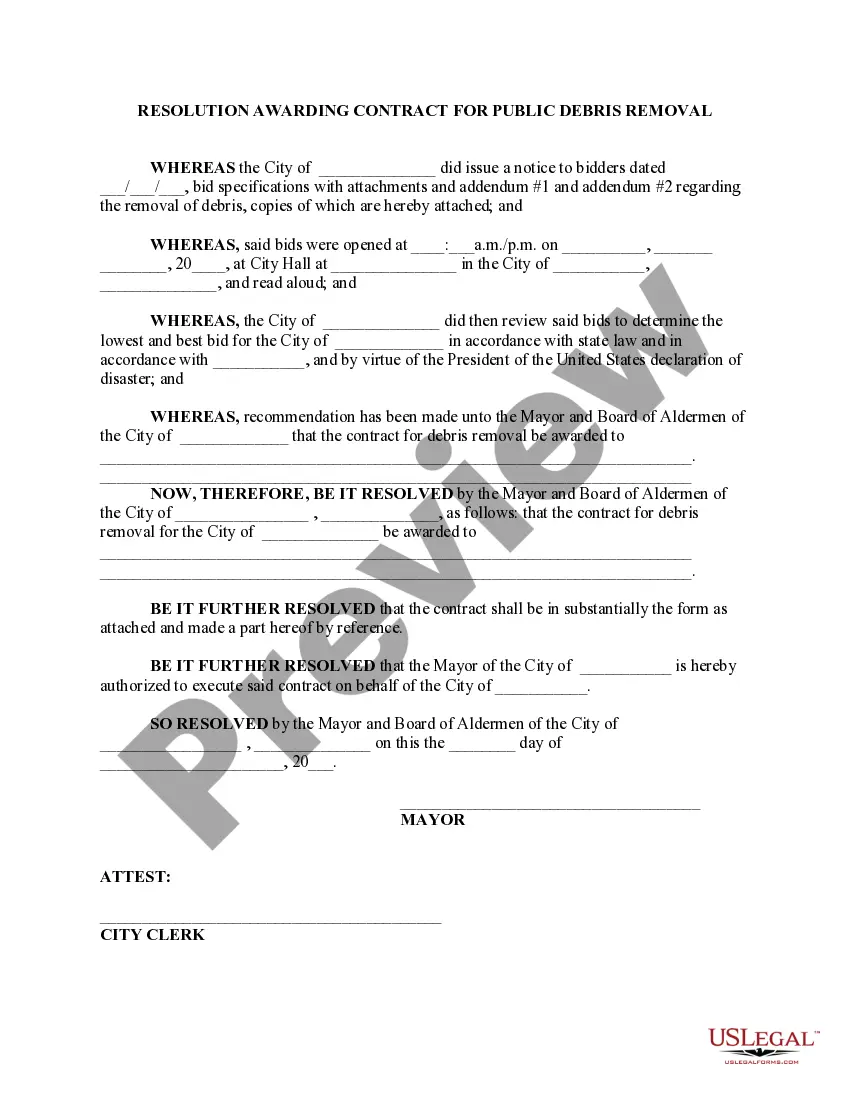
Hauling Contract Agreement With The Owner
Description

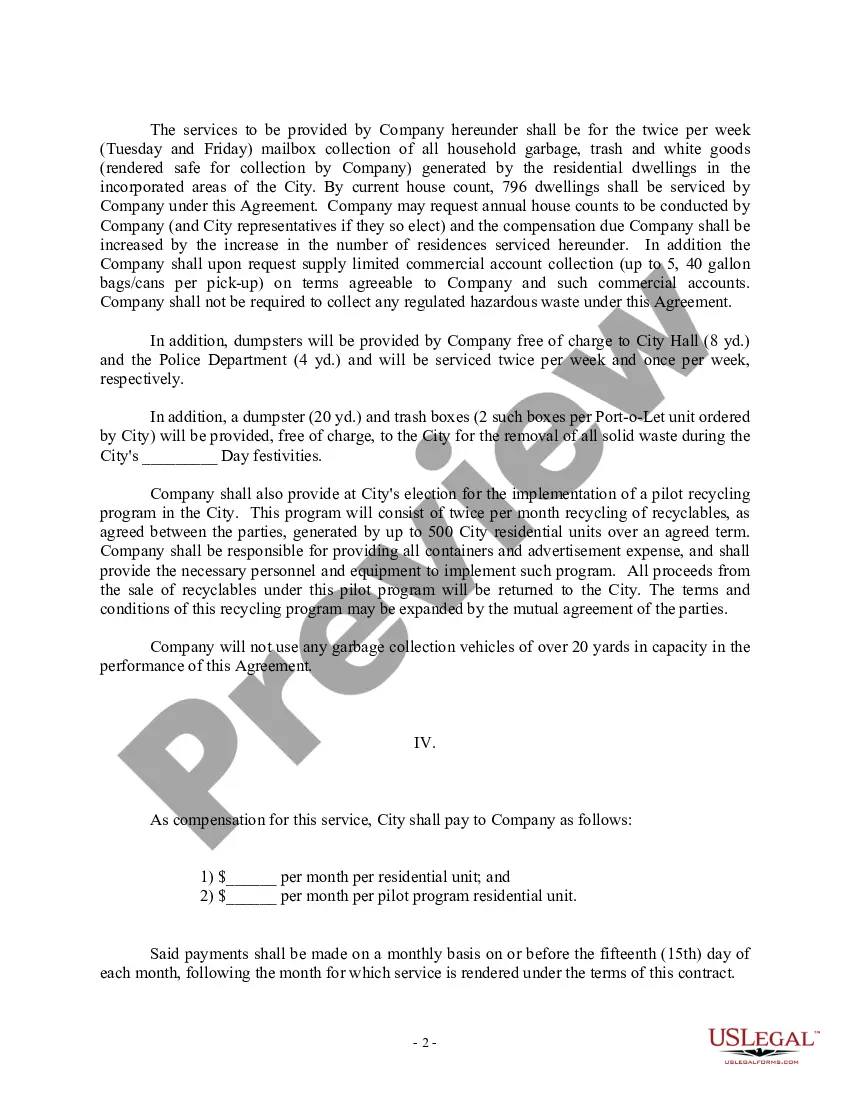
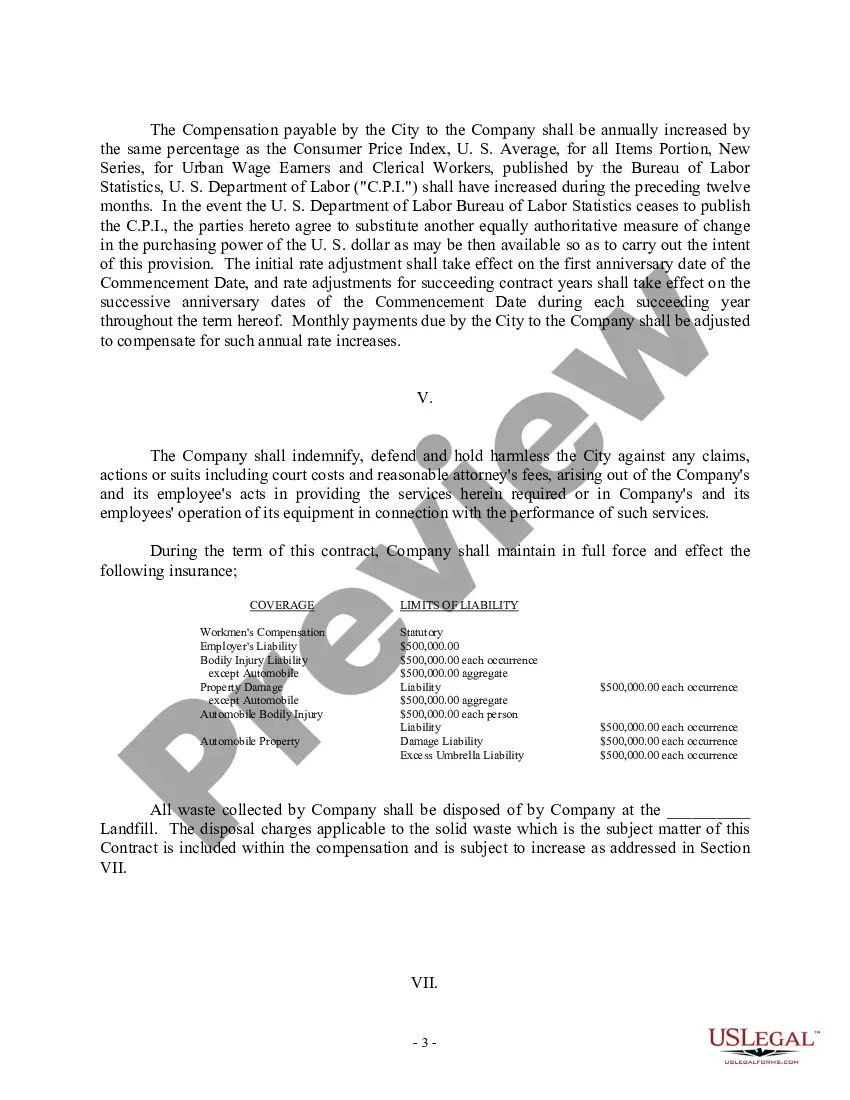
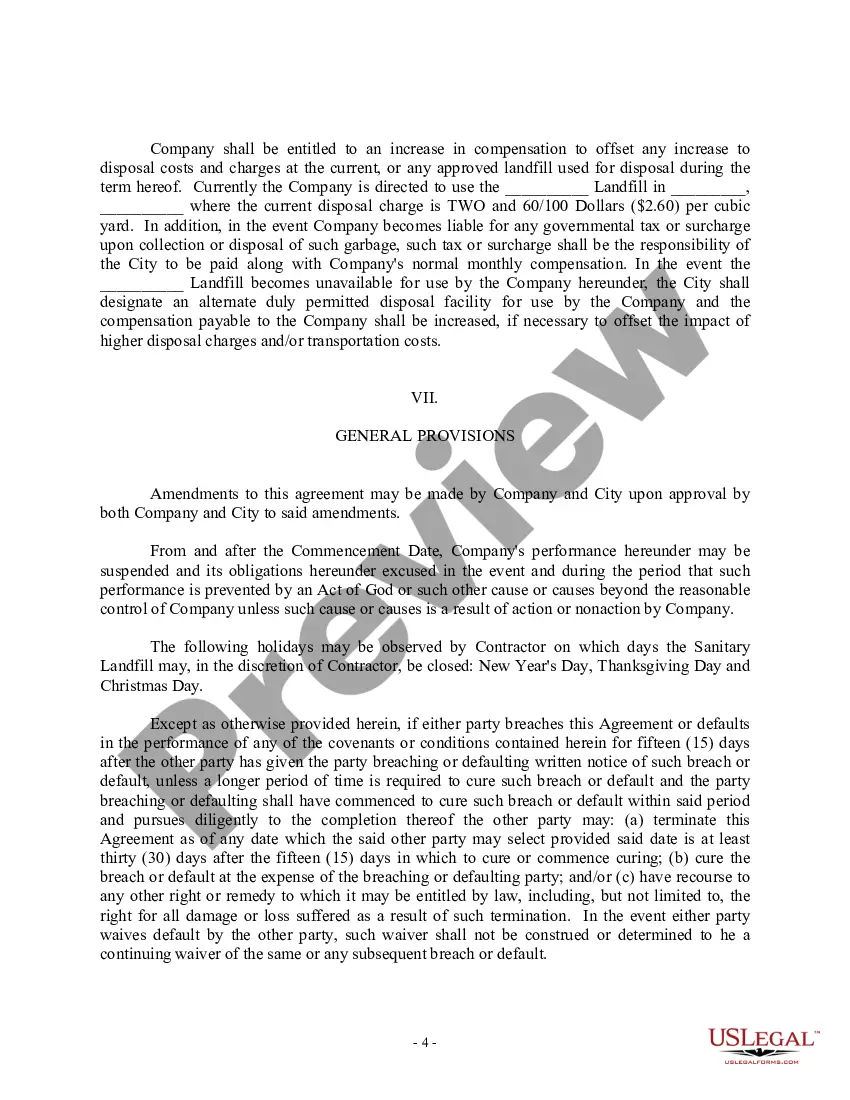
Get your form ready online
Our built-in tools help you complete, sign, share, and store your documents in one place.
Make edits, fill in missing information, and update formatting in US Legal Forms—just like you would in MS Word.
Download a copy, print it, send it by email, or mail it via USPS—whatever works best for your next step.
Sign and collect signatures with our SignNow integration. Send to multiple recipients, set reminders, and more. Go Premium to unlock E-Sign.
If this form requires notarization, complete it online through a secure video call—no need to meet a notary in person or wait for an appointment.
We protect your documents and personal data by following strict security and privacy standards.

Make edits, fill in missing information, and update formatting in US Legal Forms—just like you would in MS Word.

Download a copy, print it, send it by email, or mail it via USPS—whatever works best for your next step.

Sign and collect signatures with our SignNow integration. Send to multiple recipients, set reminders, and more. Go Premium to unlock E-Sign.

If this form requires notarization, complete it online through a secure video call—no need to meet a notary in person or wait for an appointment.

We protect your documents and personal data by following strict security and privacy standards.
Looking for another form?

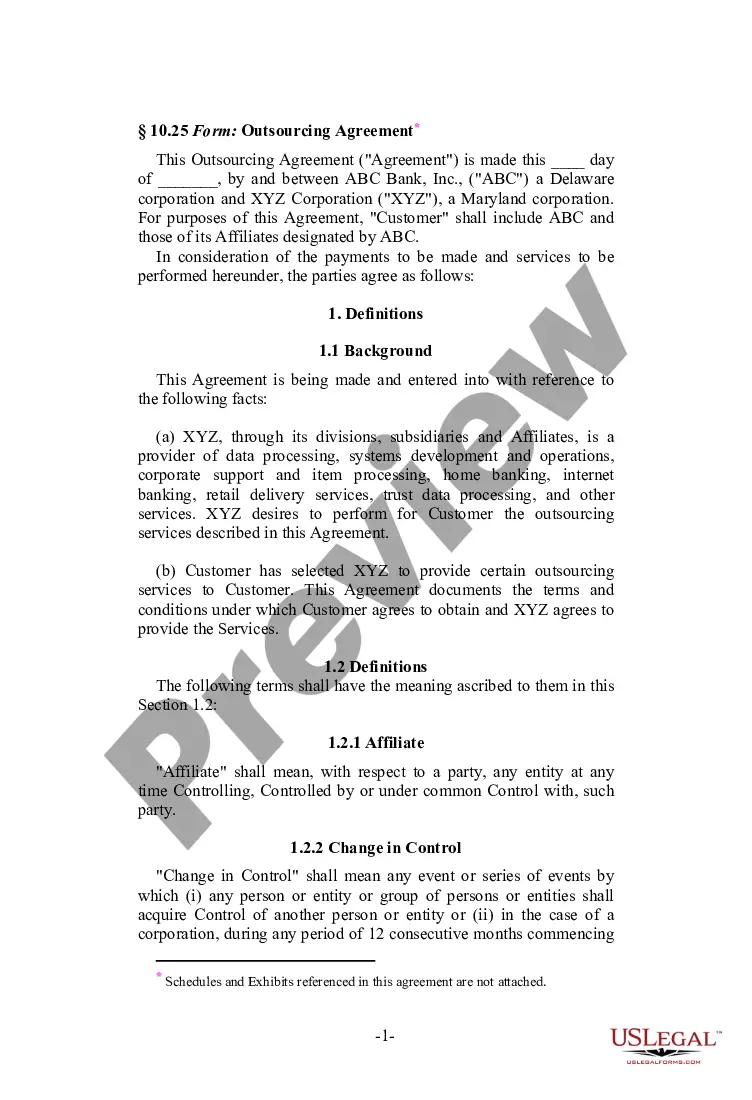



How to fill out Trash Collection And Hauling Contract?
- Log in to your US Legal Forms account. If you are a returning user, ensure your subscription is active before accessing documents.
- Search for your desired hauling contract agreement template. Verify that it aligns with your local jurisdiction and specific needs by reviewing the preview mode.
- If necessary, refine your search using the Search tab to find alternate templates that better match your requirements.
- Select the preferred template and click on the 'Buy Now' button. Choose a subscription plan that suits your legal document needs.
- Complete your purchase. Enter your payment details, either through credit card or PayPal, to finalize the transaction.
- Download your completed form. Save it to your device and access it anytime from the 'My Documents' section of your profile.
In conclusion, using US Legal Forms for your hauling contract agreement with the owner not only saves time but also ensures that you are utilizing professionally crafted legal documents. Take advantage of their extensive library today.
Start your journey by accessing US Legal Forms and simplify your legal documentation process!
Form popularity
FAQ
A deed is a legal document that transfers ownership of property and is typically used in real estate transactions. In contrast, a contract related to ownership, like a hauling contract agreement with the owner, details the responsibilities of the parties involved without conveying ownership. Understanding this difference is crucial for anyone entering into agreements regarding assets or services.
To write a contract of ownership, start by identifying all parties involved and the asset nature. Specify terms of ownership, such as who will manage the asset and the rights associated with it. A well-structured hauling contract agreement with the owner is vital to define these terms precisely, ensuring all parties are on the same page. This approach minimizes risks and outlines responsibilities.
Filling out a contract agreement involves a few key steps. First, ensure all relevant details are included, such as the parties' names, dates, and specific terms of the agreement. Next, clearly state the obligations of each party, especially in a hauling contract agreement with the owner. Finally, review the contract for accuracy and ensure all parties sign and date it.
An ownership contract is a legal document that specifies the rights and responsibilities of the owner of an asset. In the context of a hauling contract agreement with the owner, it delineates how the owner and the operator will share the duties and benefits of the owned equipment. This kind of contract protects interests for both parties involved and provides clarity on ownership responsibilities.
The agreement between the carrier and owner-operator outlines responsibilities and expectations for both parties. This hauling contract agreement with the owner typically includes payment terms, service areas, and maintenance commitments. It ensures that both the carrier and owner-operator understand their obligations. Clear terms lead to better collaboration and fewer disputes.
Yes, you can write a legally binding hauling contract agreement with the owner without a lawyer. It’s essential to ensure that all key elements are included, such as the parties involved, terms of service, and signatures. However, consulting a lawyer can provide additional peace of mind and help you avoid potential pitfalls. Platforms like US Legal Forms offer templates that simplify this process.
To obtain a towing contract, consider reaching out to local municipalities or businesses that require towing services. You may also want to network with other towing companies to learn about potential opportunities. A solid hauling contract agreement with the owner will help ensure that the terms of your towing services are clear and mutually beneficial, which can lead to long-term contracts.
The agreement between a carrier and an owner-operator typically defines terms such as payment rates, responsibilities, and load details. This contract establishes a mutual understanding and framework for the working relationship. By including a hauling contract agreement with the owner, both parties can clarify their obligations and protect their interests throughout the partnership.
Getting freight contracts for owner-operators can be accomplished by leveraging relationships with shippers and participating in industry networking events. Many owner-operators find success by signing up on dedicated load boards. A well-drafted hauling contract agreement with the owner is crucial here, as it outlines the expectations and responsibilities of both parties, fostering trust and collaboration.
Owner-operators usually secure freight through various channels, such as freight brokers, direct shippers, and load boards. Developing a strong online presence can also attract clients who need your services. Opt for a comprehensive hauling contract agreement with the owner to streamline these processes and ensure profitable partnerships.