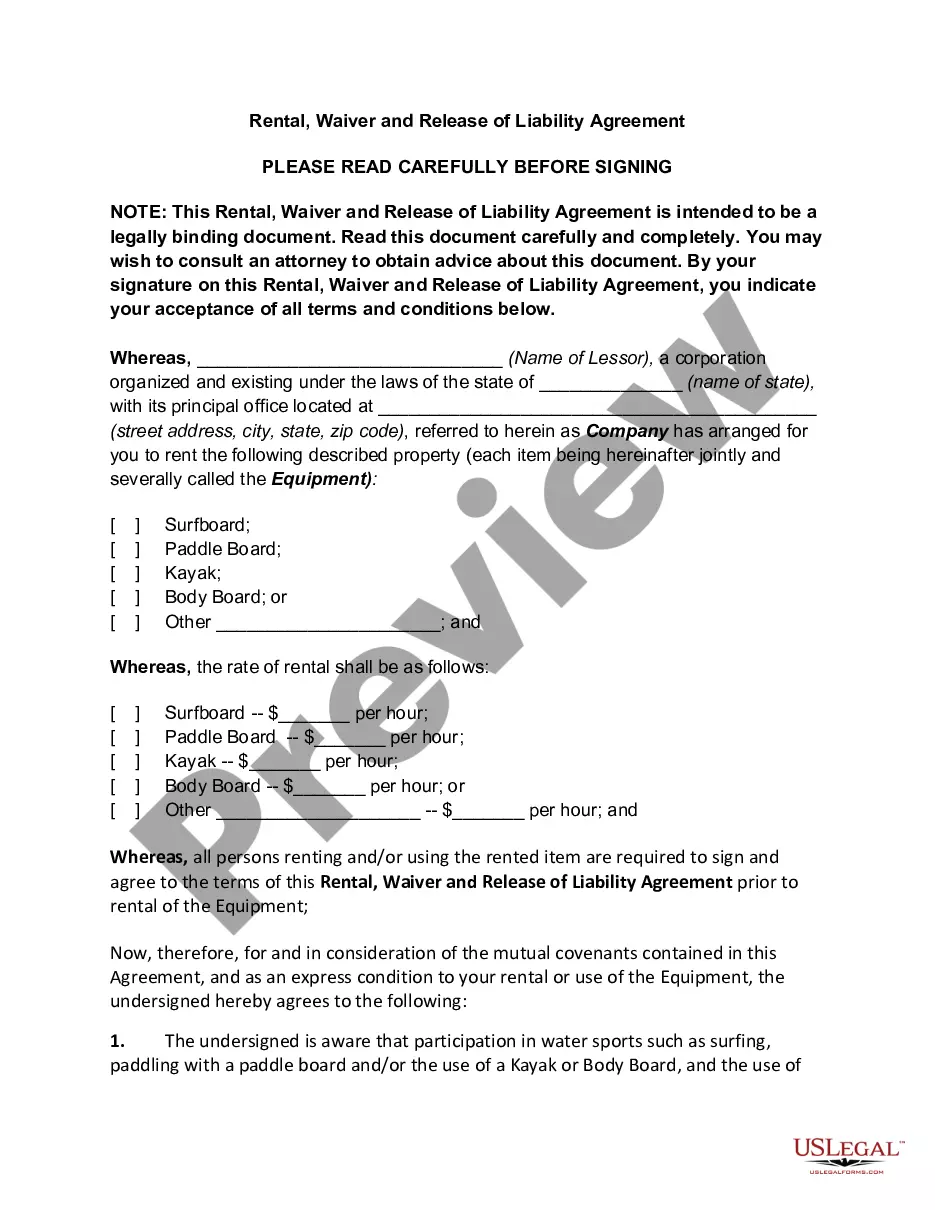
Boat Rental Waiver Form With Payment In Middlesex
Description
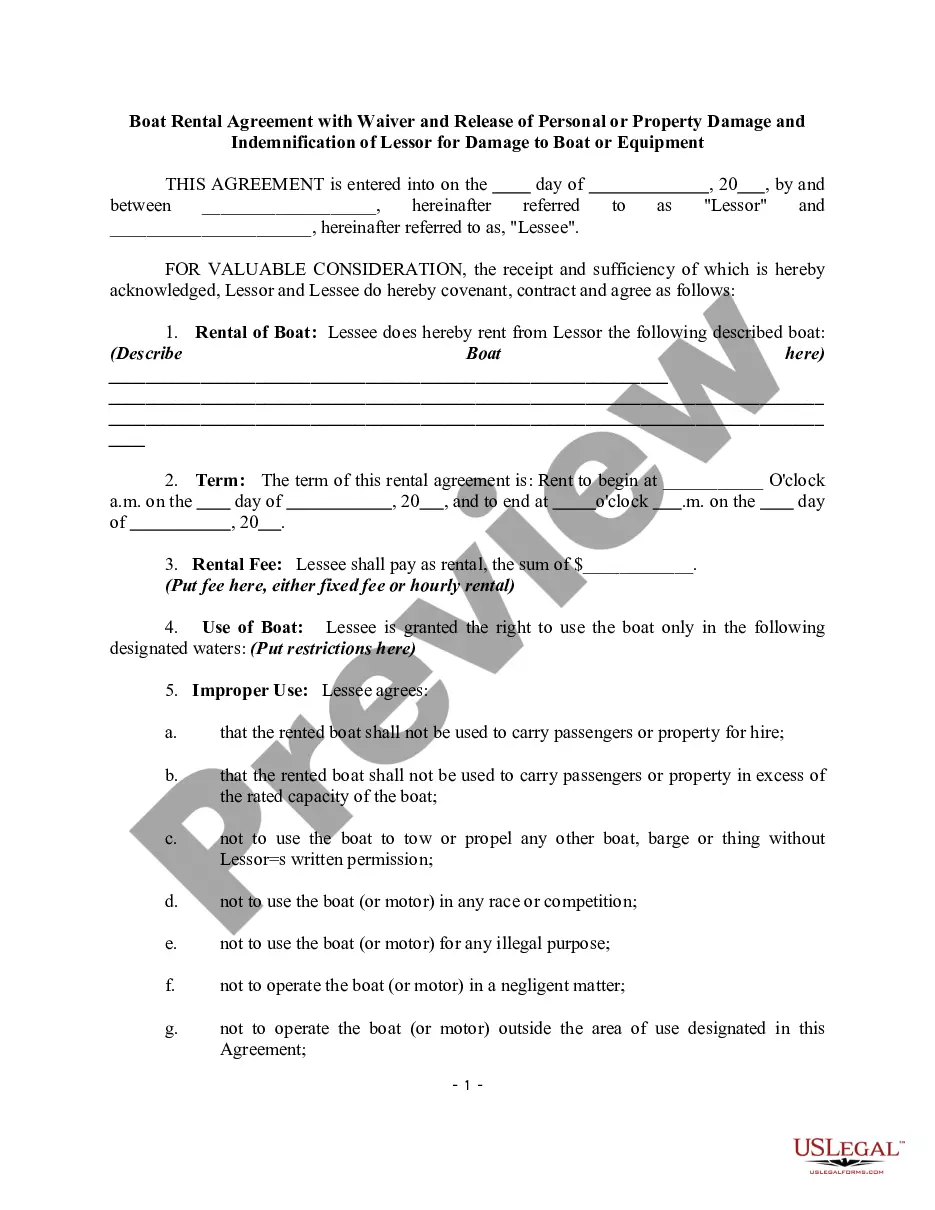
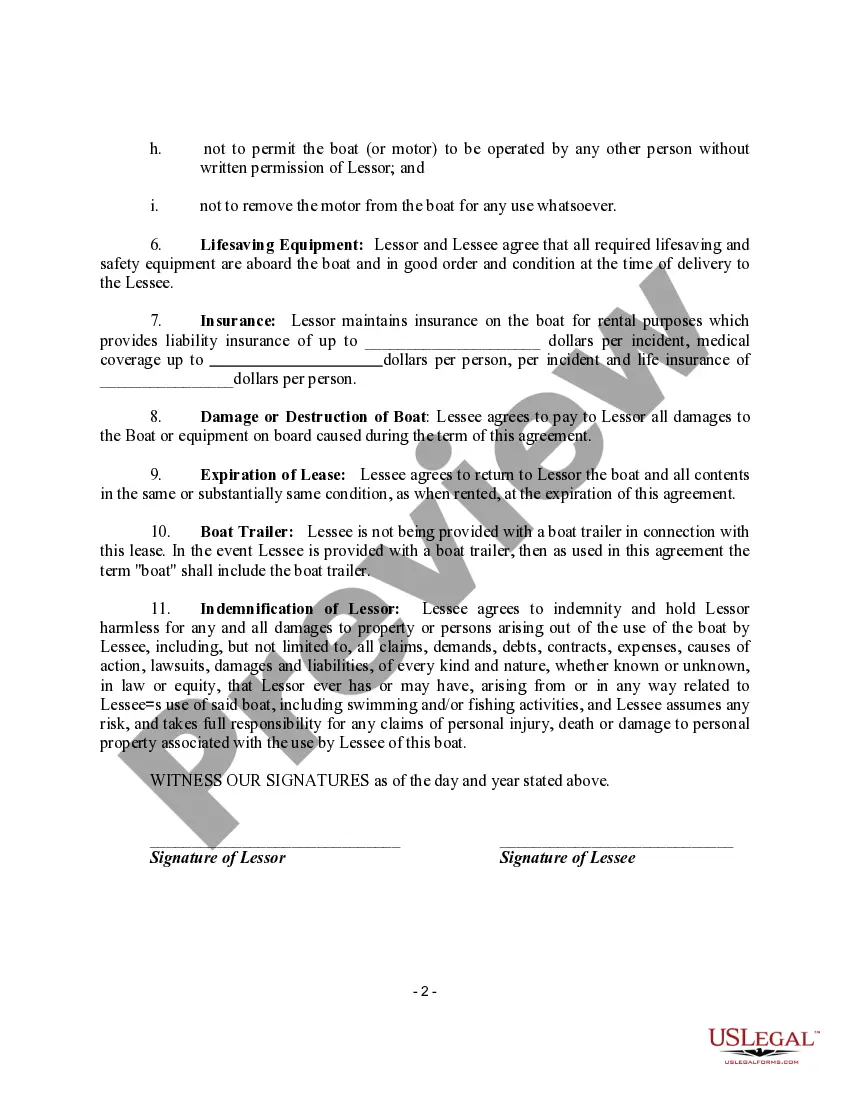
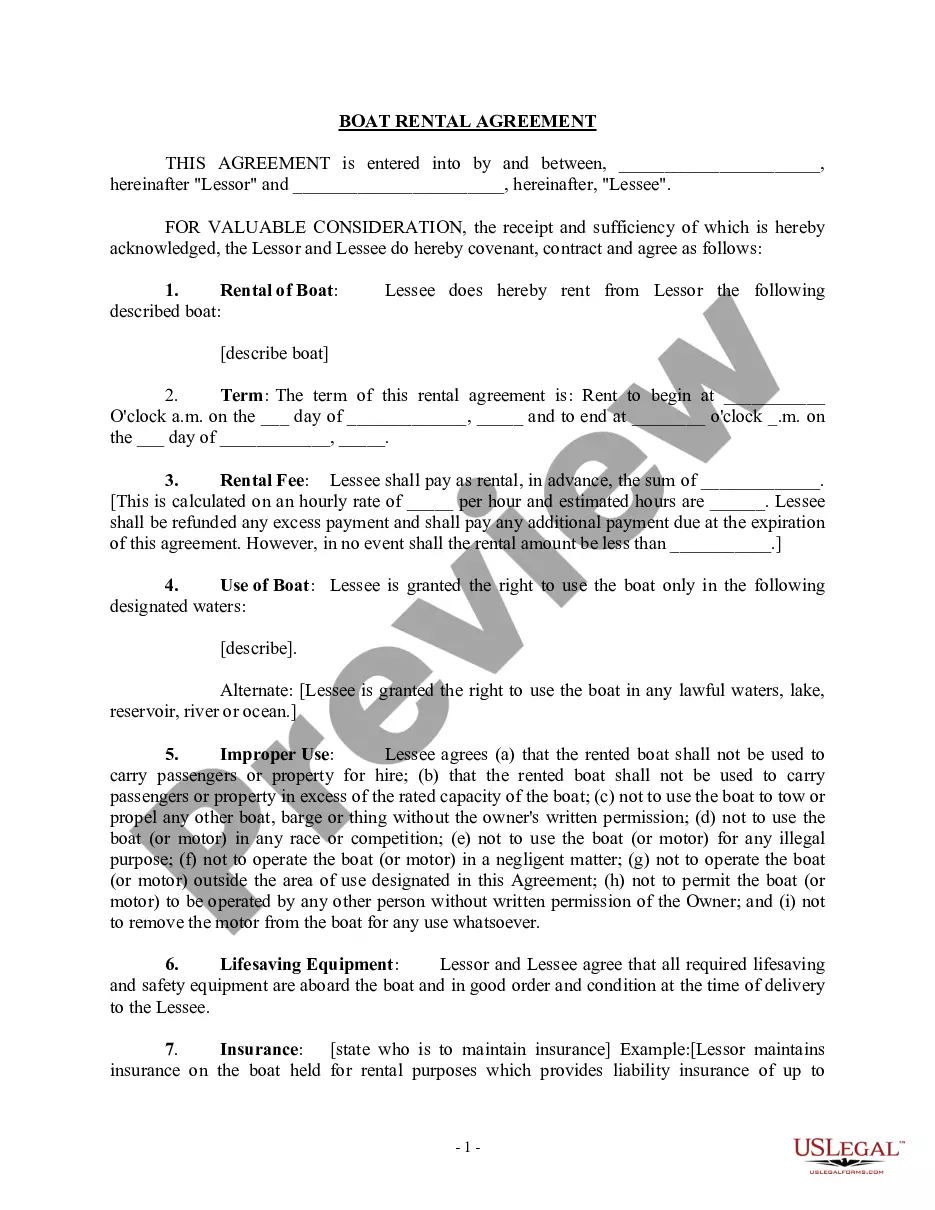
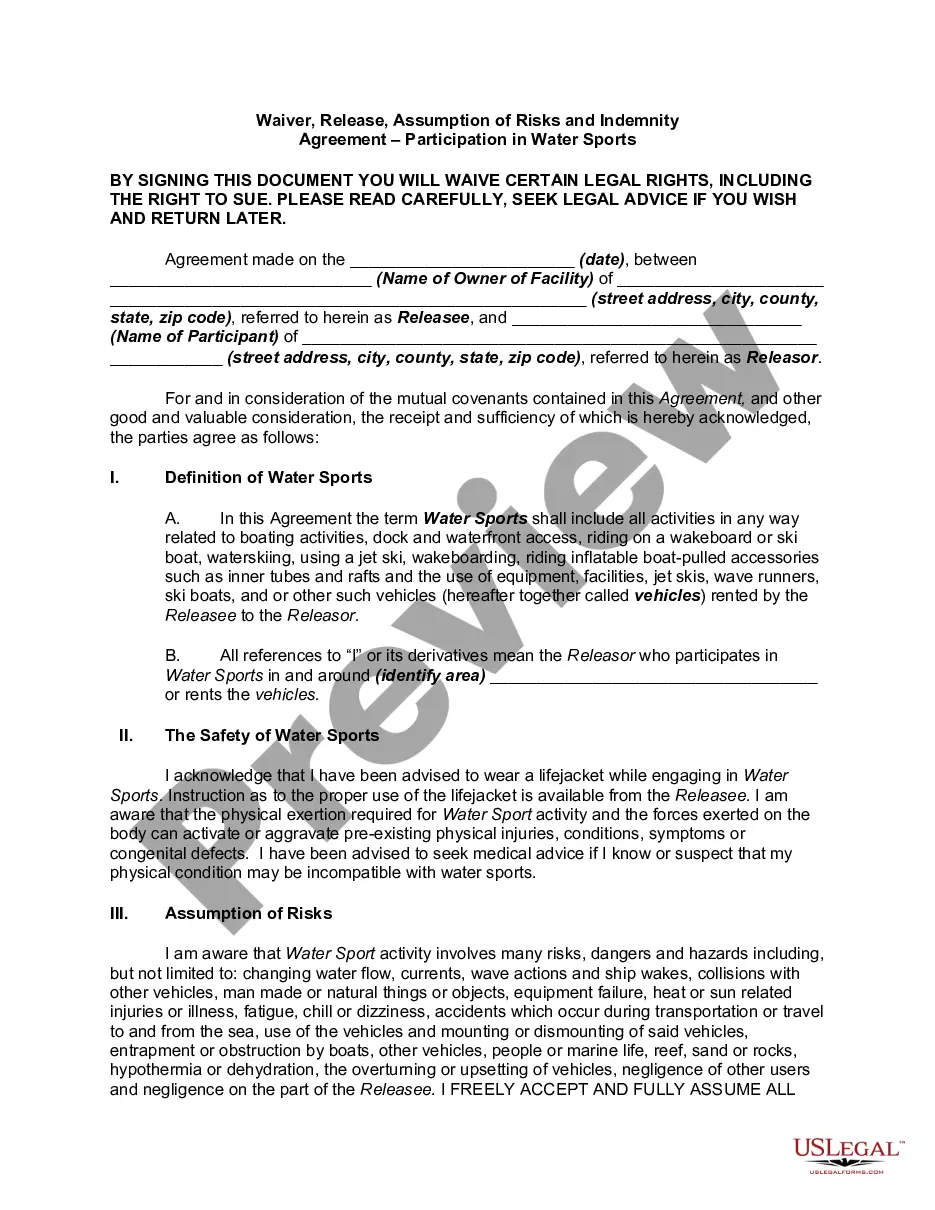
Get your form ready online
Our built-in tools help you complete, sign, share, and store your documents in one place.
Make edits, fill in missing information, and update formatting in US Legal Forms—just like you would in MS Word.
Download a copy, print it, send it by email, or mail it via USPS—whatever works best for your next step.
Sign and collect signatures with our SignNow integration. Send to multiple recipients, set reminders, and more. Go Premium to unlock E-Sign.
If this form requires notarization, complete it online through a secure video call—no need to meet a notary in person or wait for an appointment.
We protect your documents and personal data by following strict security and privacy standards.

Make edits, fill in missing information, and update formatting in US Legal Forms—just like you would in MS Word.

Download a copy, print it, send it by email, or mail it via USPS—whatever works best for your next step.

Sign and collect signatures with our SignNow integration. Send to multiple recipients, set reminders, and more. Go Premium to unlock E-Sign.

If this form requires notarization, complete it online through a secure video call—no need to meet a notary in person or wait for an appointment.

We protect your documents and personal data by following strict security and privacy standards.
Looking for another form?

Form popularity
FAQ
Tax rates in Massachusetts are expressed in dollars per $1,000 of assessed value (often referred to as mill rates). For example, if your assessed value is $200,000 and your tax rate is $10, your total annual tax would be $2,000.
The tax is calculated by multiplying the assessed value of the property by the personal property tax rate of the city or town. Personal property is assessed separately from real estate where it is located.
This Form of List (State Tax Form 2) must be filed each year by all individuals, partnerships, associations, trusts, corporations, limited liability companies and other legal entities that own or hold taxable personal property on January 1 unless required to file another local or central valuation personal property ...
For most taxpayers, Massachusetts has a flat income tax of 5 percent. In November 2022, Bay State voters approved an additional 4 percent tax on annual income above $1 million, beginning in tax year 2023. Annual income above $1 million (adjusted annually for inflation) is taxed at 9 percent.
Personal property generally includes tangible items that are not firmly attached to land or buildings and are not specially designed for or of such a size and bulk to be considered part of the real estate. This includes, for example, merchandise, furniture, machinery, tools, animals and equipment.