Boat Contract With Us Navy In Fulton
Description
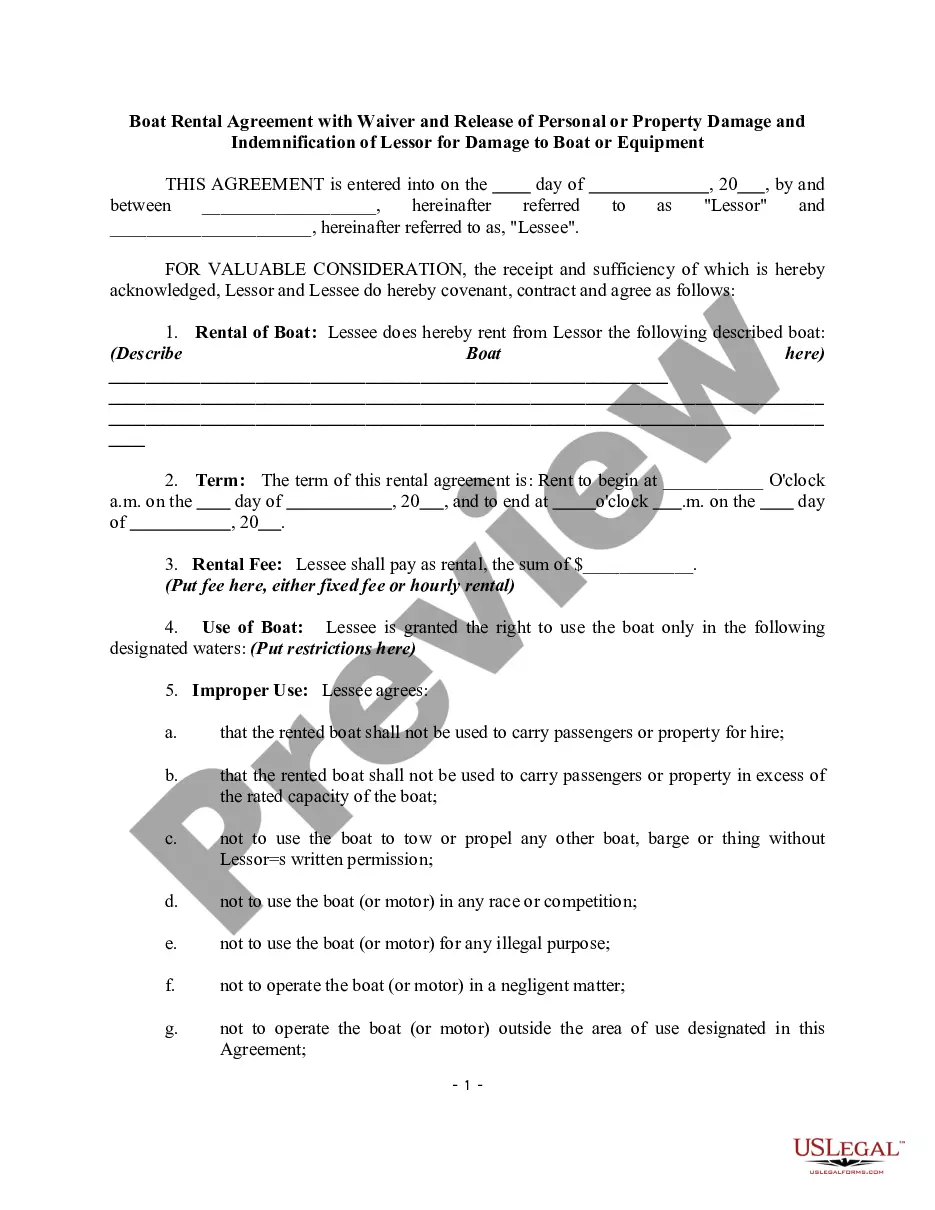
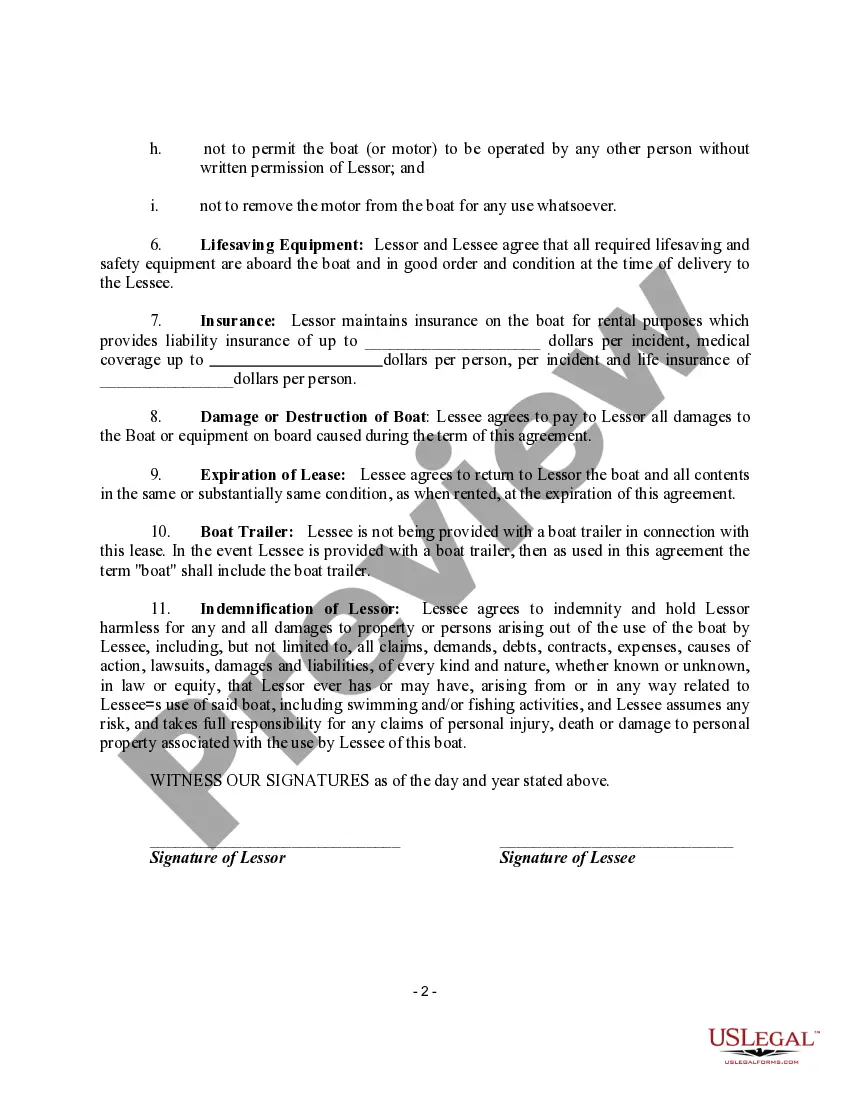
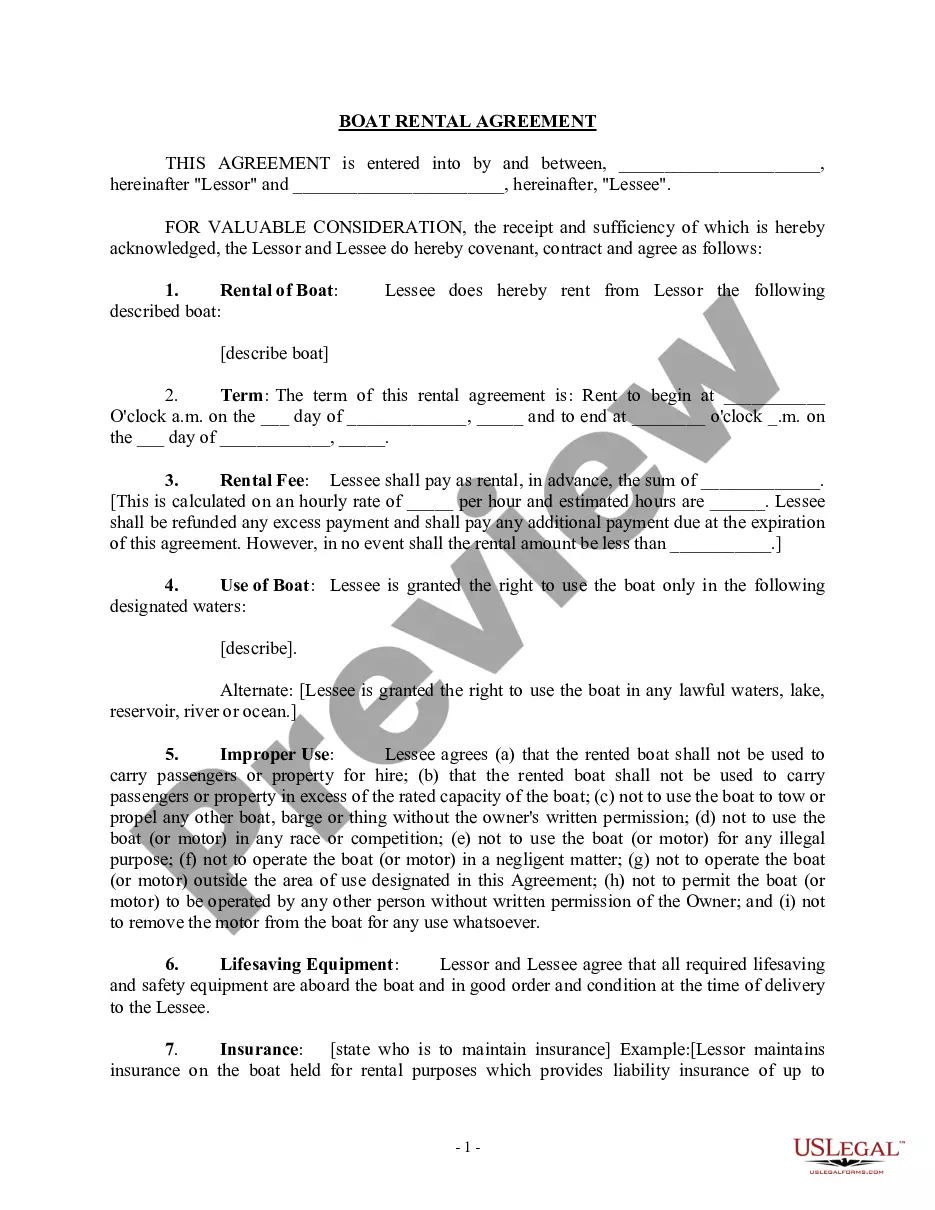
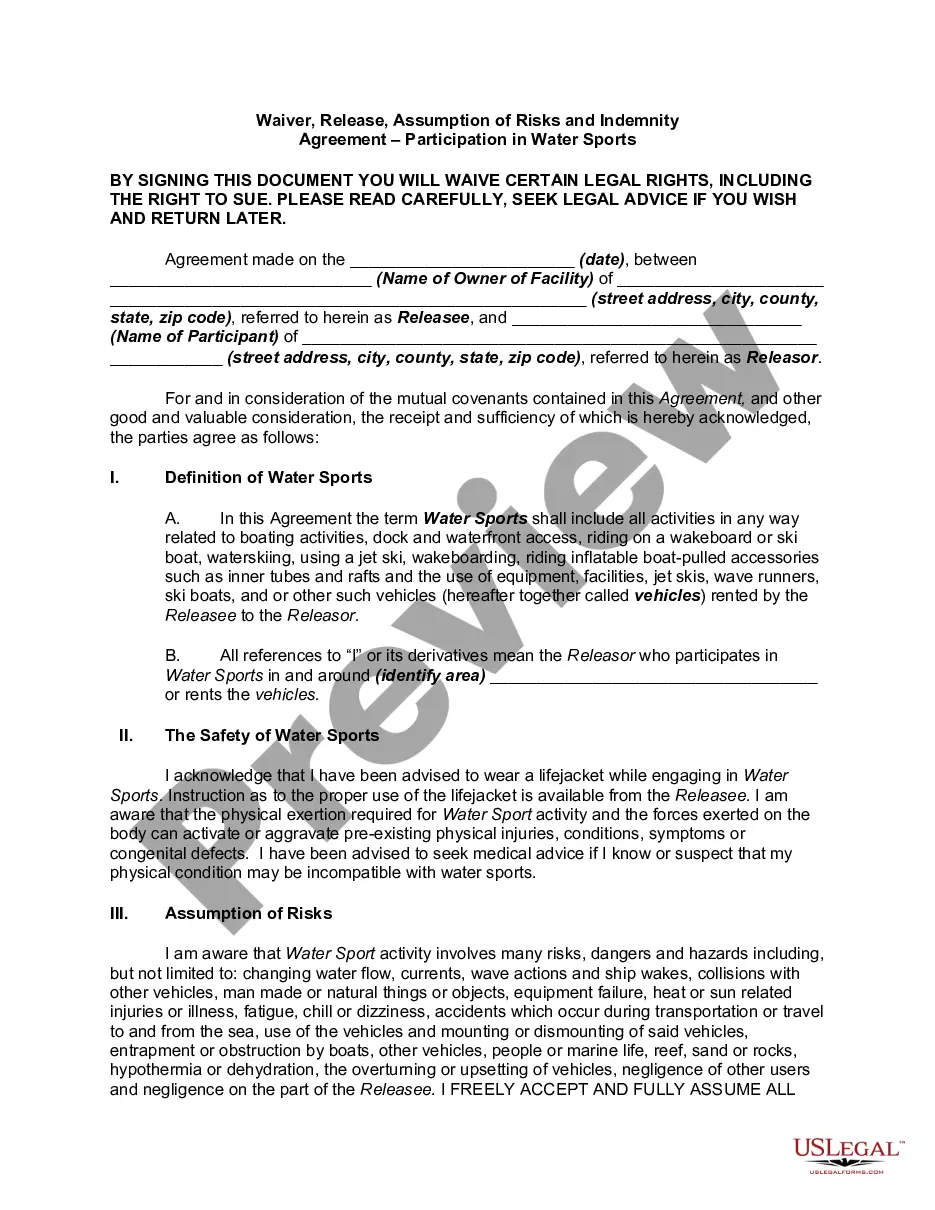
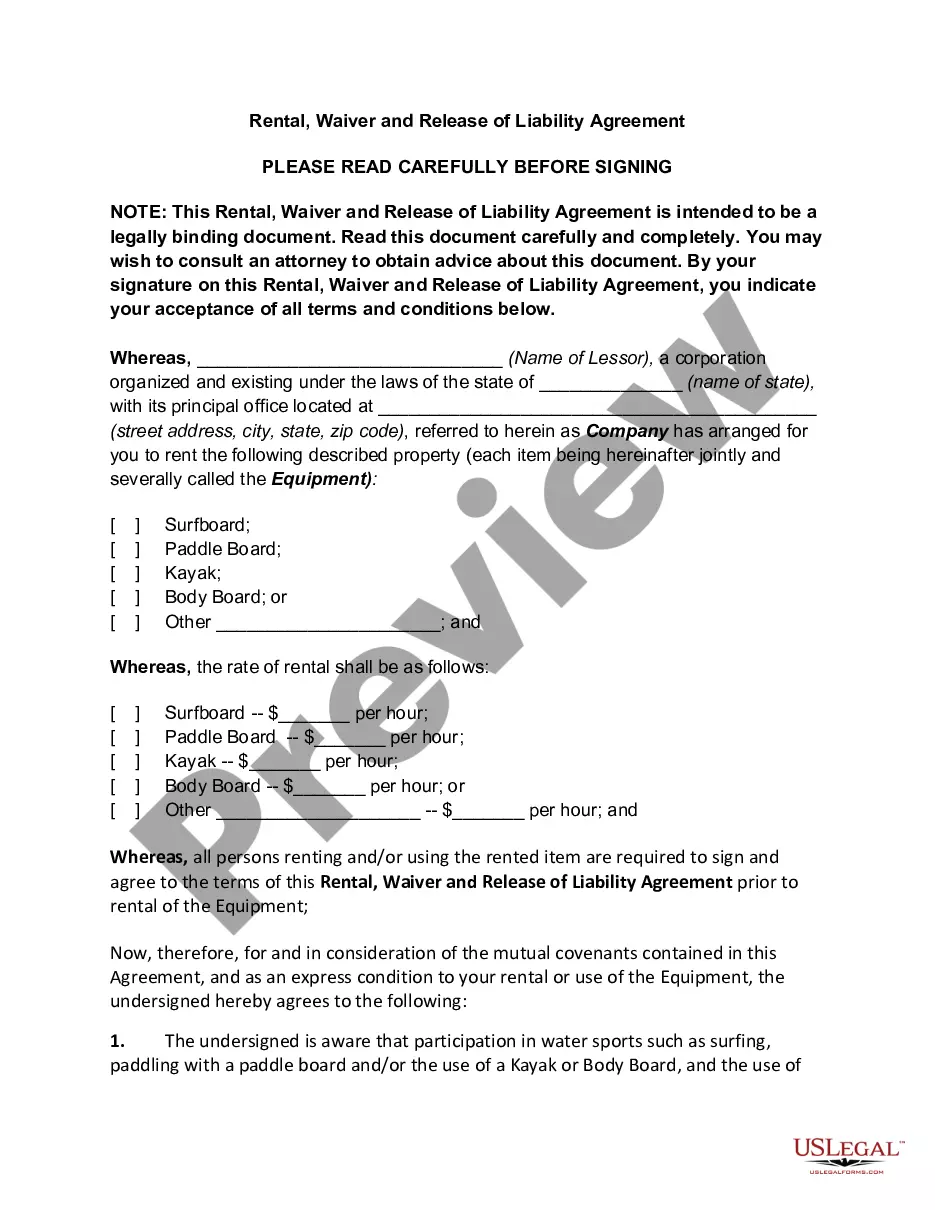
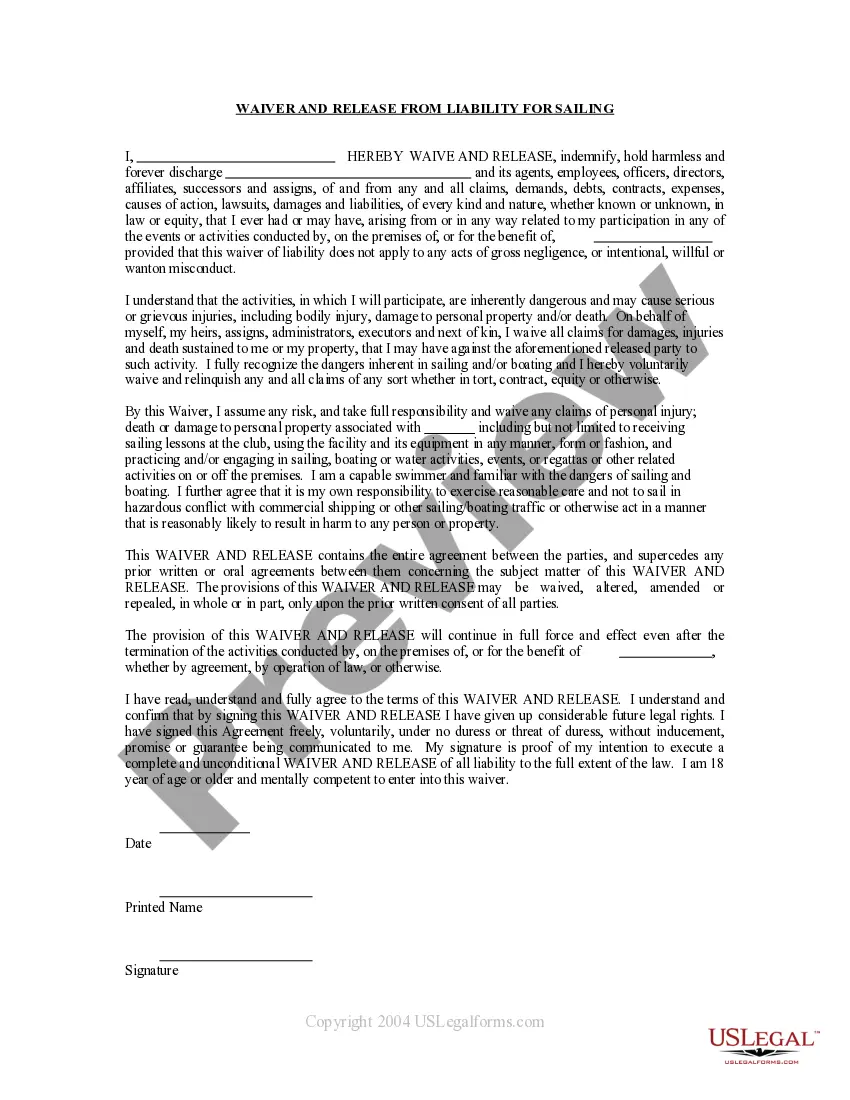
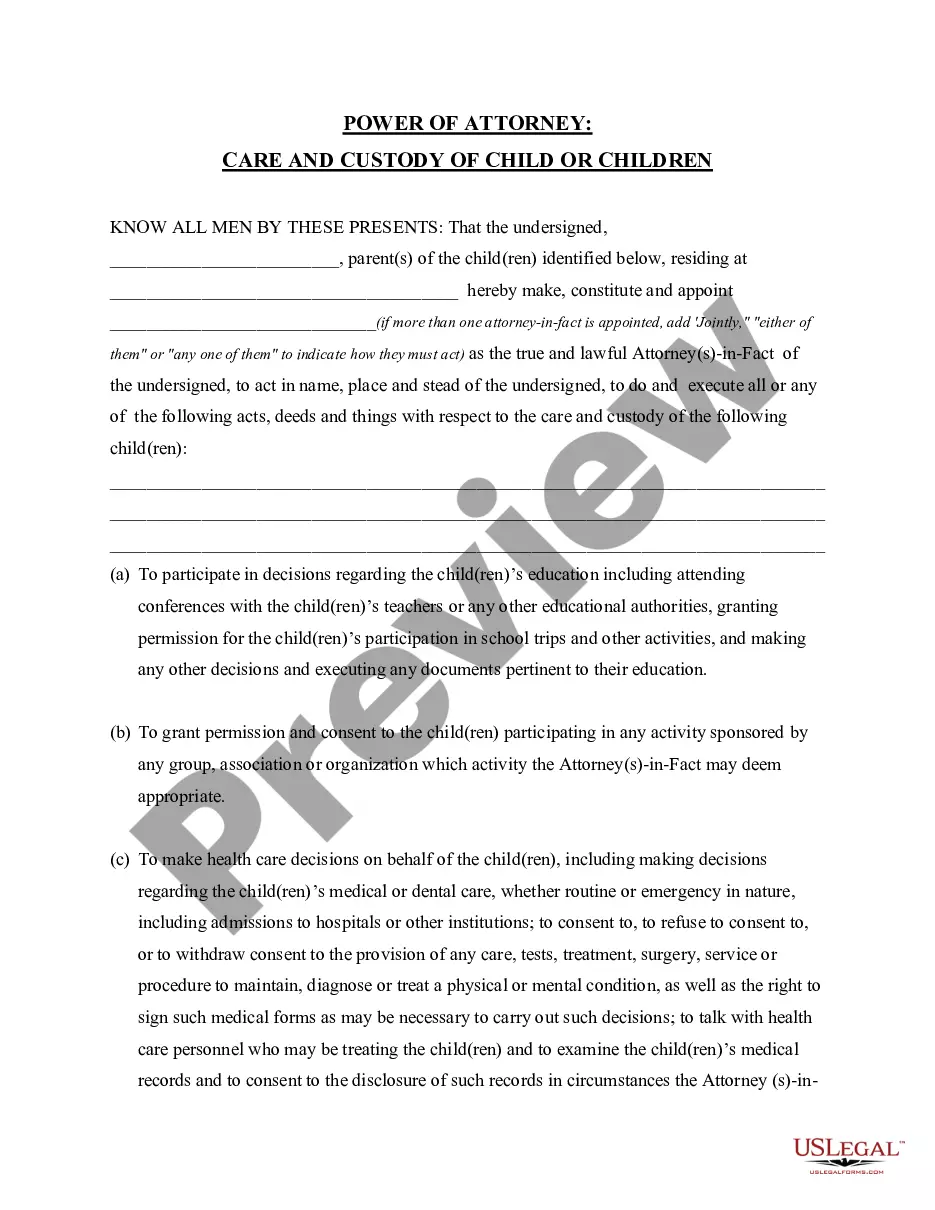
Get your form ready online
Our built-in tools help you complete, sign, share, and store your documents in one place.
Make edits, fill in missing information, and update formatting in US Legal Forms—just like you would in MS Word.
Download a copy, print it, send it by email, or mail it via USPS—whatever works best for your next step.
Sign and collect signatures with our SignNow integration. Send to multiple recipients, set reminders, and more. Go Premium to unlock E-Sign.
If this form requires notarization, complete it online through a secure video call—no need to meet a notary in person or wait for an appointment.
We protect your documents and personal data by following strict security and privacy standards.

Make edits, fill in missing information, and update formatting in US Legal Forms—just like you would in MS Word.

Download a copy, print it, send it by email, or mail it via USPS—whatever works best for your next step.

Sign and collect signatures with our SignNow integration. Send to multiple recipients, set reminders, and more. Go Premium to unlock E-Sign.

If this form requires notarization, complete it online through a secure video call—no need to meet a notary in person or wait for an appointment.

We protect your documents and personal data by following strict security and privacy standards.
Looking for another form?









Form popularity
FAQ
Thank you for your interest in touring a U.S. Navy warship! Please note ship tours are typically reserved for personnel who are active in their business, government or the community, as well as people who are active communicators and opinion leaders, we also consider JROTC groups, students, or educators.
When boarding a ship, an officer in civilian clothes will stop at the top of the gangway, face the colors (aft), come briefly to attention, then face the Officer of the Deck (OOD) and "request permission to come aboard." You as a civilian should follow this same procedure.
Enlisted Sailors need to have a high school degree or equivalent to join, while Officers need a college degree by the time they are commissioned. To enlist, you'll also need to meet a minimum score on the Navy placement exam, the Armed Services Vocational Aptitude Battery (ASVAB).
A naval ship (or naval vessel) is a military ship (or sometimes boat, depending on classification) that is used by a navy. Naval ships are differentiated from civilian ships by construction and purpose.
How Long Will I Serve? Enlisted positions typically require an initial service commitment of four years, but positions involving longer-term training may involve five- or six-year obligations.
Because our ships are operated by civilians, crewing levels and crew organization aboard our vessels reflect the standards found aboard civilian commercial ships rather than combatant ships. Additionally, the crews are divided between licensed and unlicensed personnel.
The torpedo's inventor, Robert Fulton (14 November 1765 – 24 February 1815), was confident his creation would sink a large naval vessel. Commodore John Rodgers (11 July 1772 – 1 August 1838) on the other hand, was certain the demonstration would be nothing but an extravagant folly.
When boarding a ship, an officer in civilian clothes will stop at the top of the gangway, face the colors (aft), come briefly to attention, then face the Officer of the Deck (OOD) and "request permission to come aboard." You as a civilian should follow this same procedure.
In 1800, Fulton had been commissioned by Napoleon Bonaparte, leader of France, to attempt to design a submarine; he then produced Nautilus, the first practical submarine in history. Fulton is also credited with inventing some of the world's earliest naval torpedoes for use by the Royal Navy.
The Mississippi Queen was laid up in New Orleans at Perry Street Wharf after being gutted, initially for renovation. Instead, however, the steamboat was sold for scrap in May 2009. She was towed for the last time to Morgan City, Louisiana, in March 2011 to be cut down.
