Personal Injury Release Agreement Form California In Wayne
Description
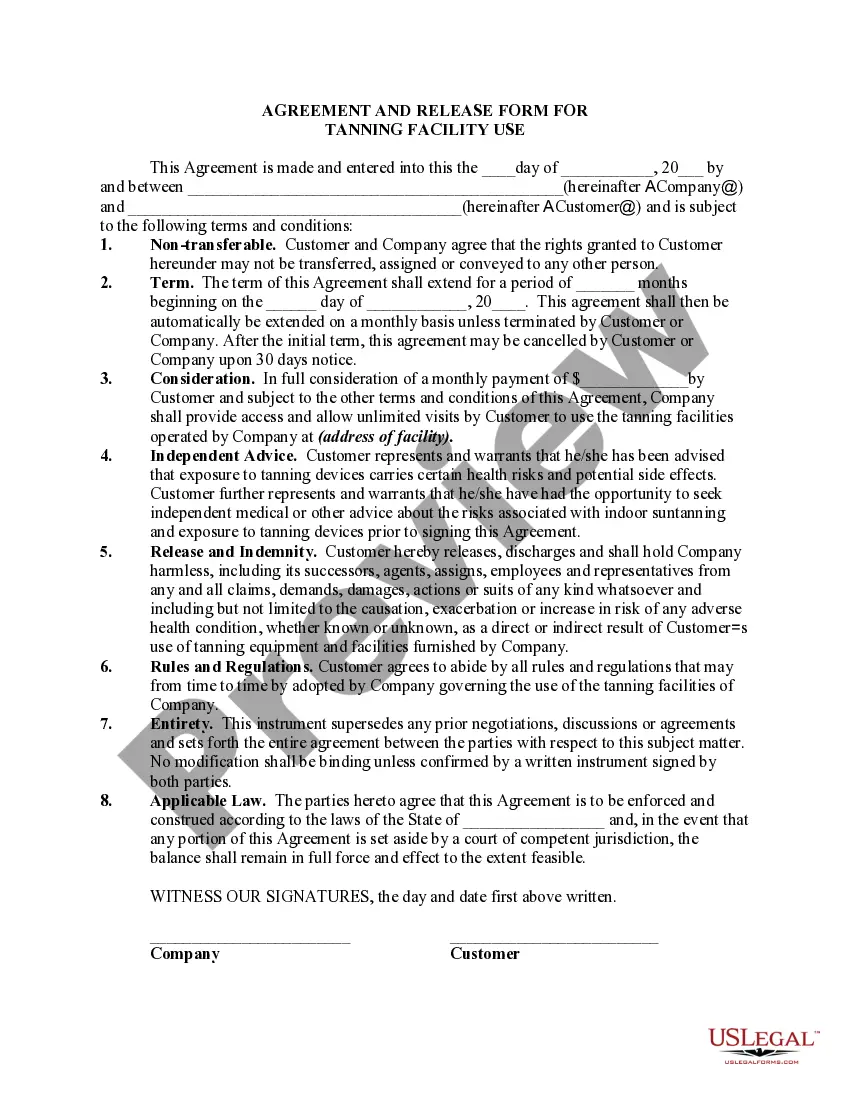
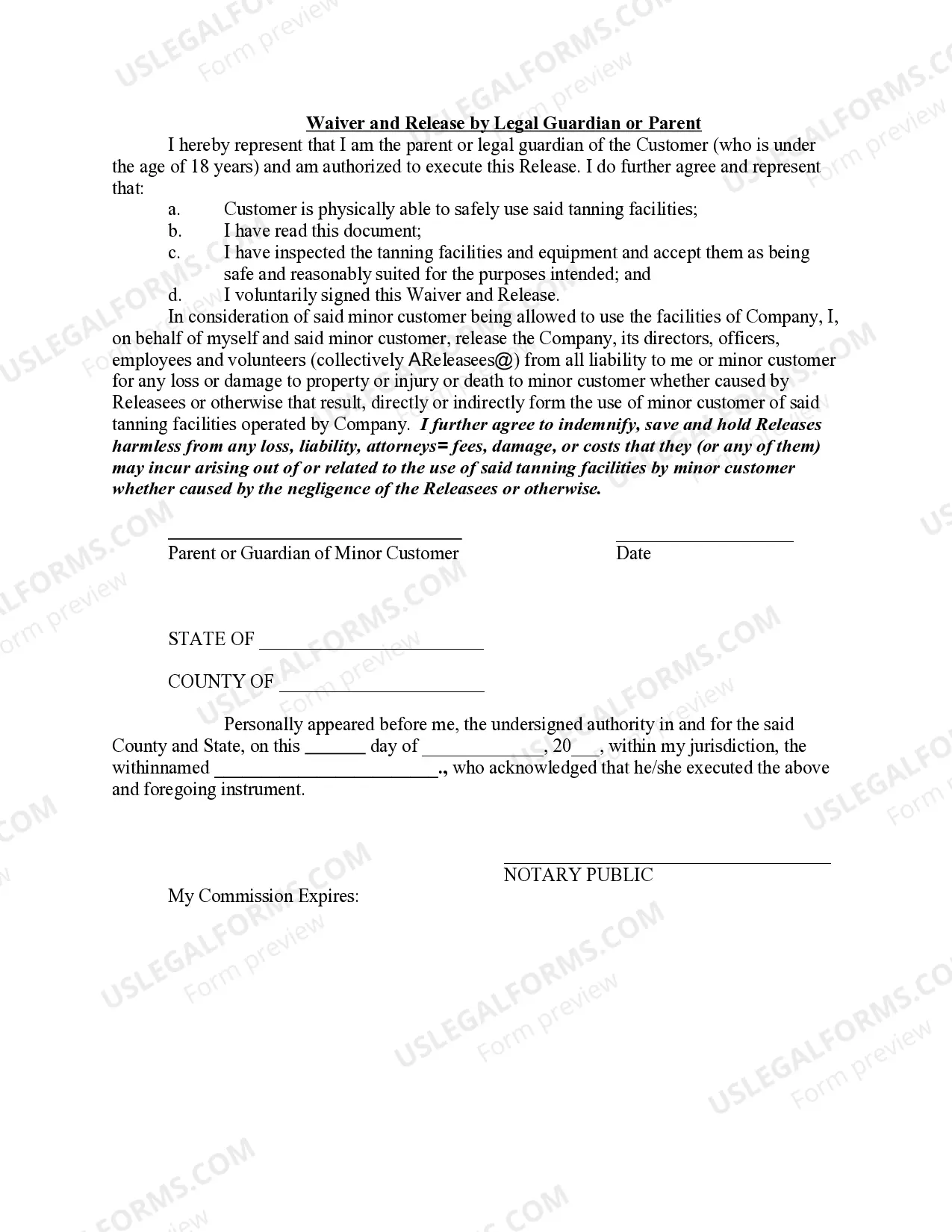
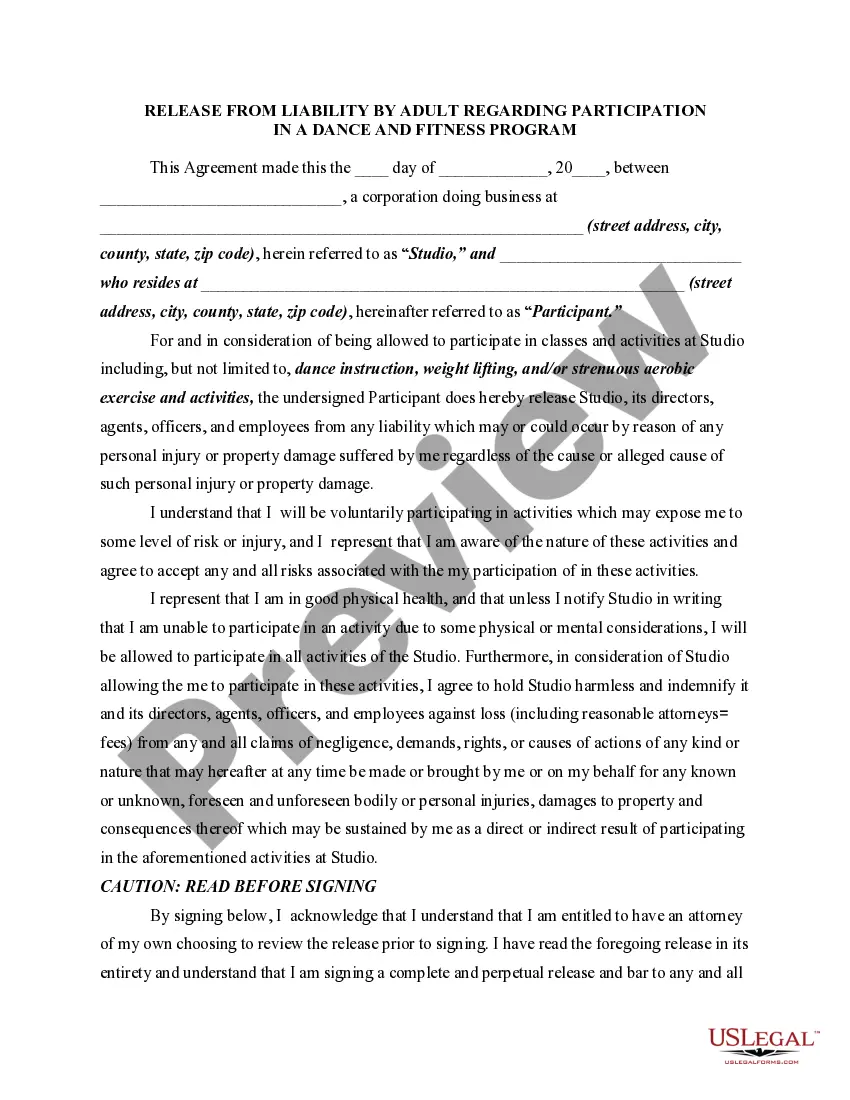
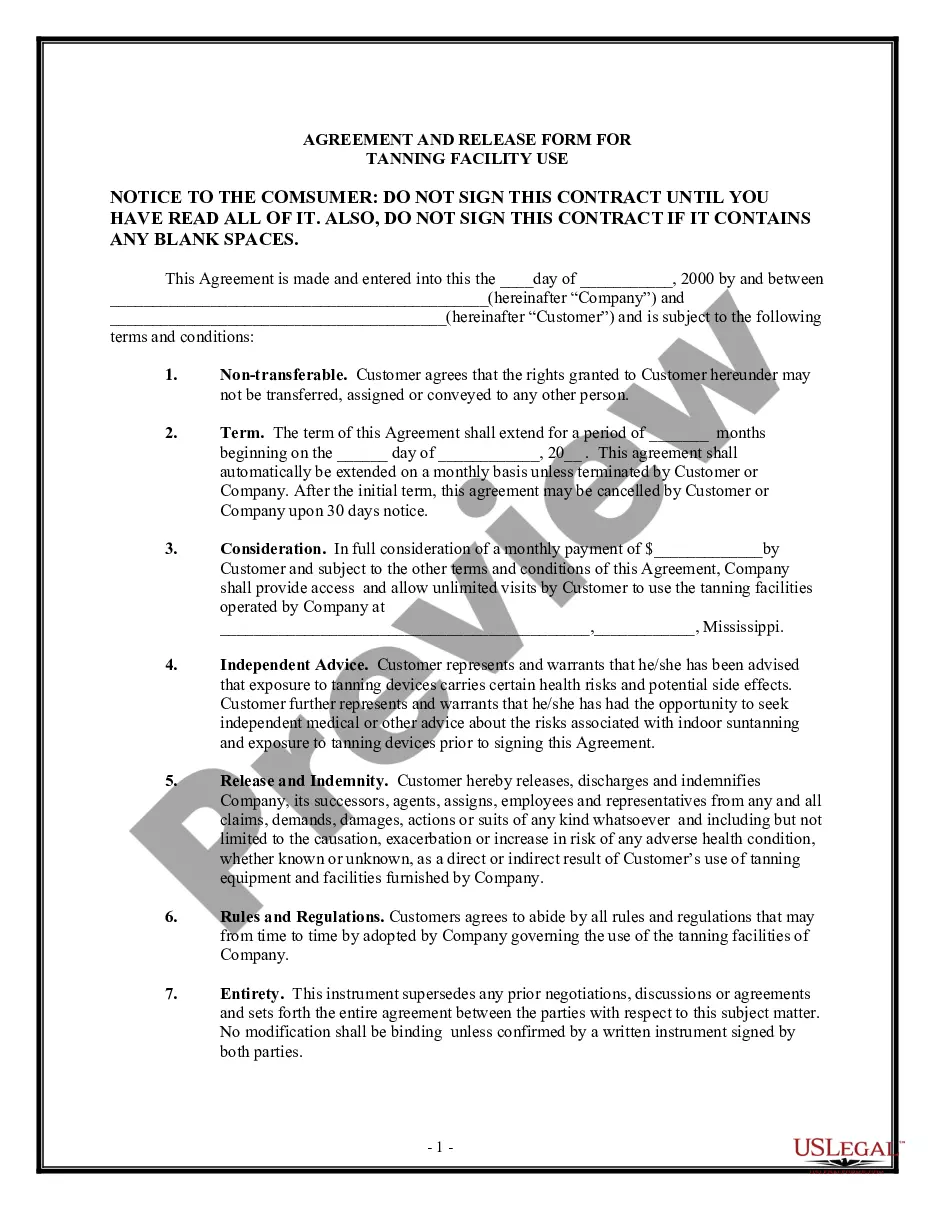
Get your form ready online
Our built-in tools help you complete, sign, share, and store your documents in one place.
Make edits, fill in missing information, and update formatting in US Legal Forms—just like you would in MS Word.
Download a copy, print it, send it by email, or mail it via USPS—whatever works best for your next step.
Sign and collect signatures with our SignNow integration. Send to multiple recipients, set reminders, and more. Go Premium to unlock E-Sign.
If this form requires notarization, complete it online through a secure video call—no need to meet a notary in person or wait for an appointment.
We protect your documents and personal data by following strict security and privacy standards.

Make edits, fill in missing information, and update formatting in US Legal Forms—just like you would in MS Word.

Download a copy, print it, send it by email, or mail it via USPS—whatever works best for your next step.

Sign and collect signatures with our SignNow integration. Send to multiple recipients, set reminders, and more. Go Premium to unlock E-Sign.

If this form requires notarization, complete it online through a secure video call—no need to meet a notary in person or wait for an appointment.

We protect your documents and personal data by following strict security and privacy standards.
Looking for another form?




Form popularity
FAQ
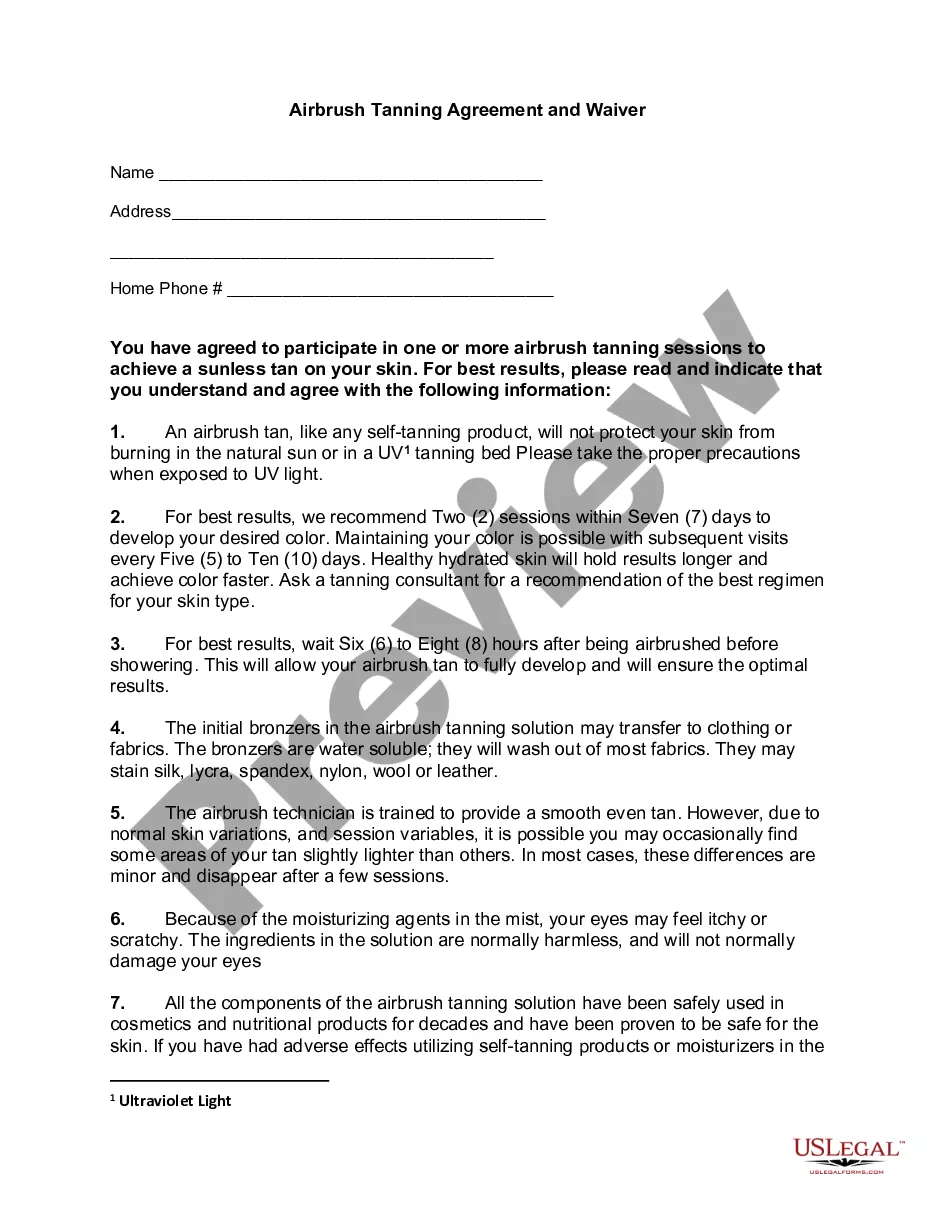
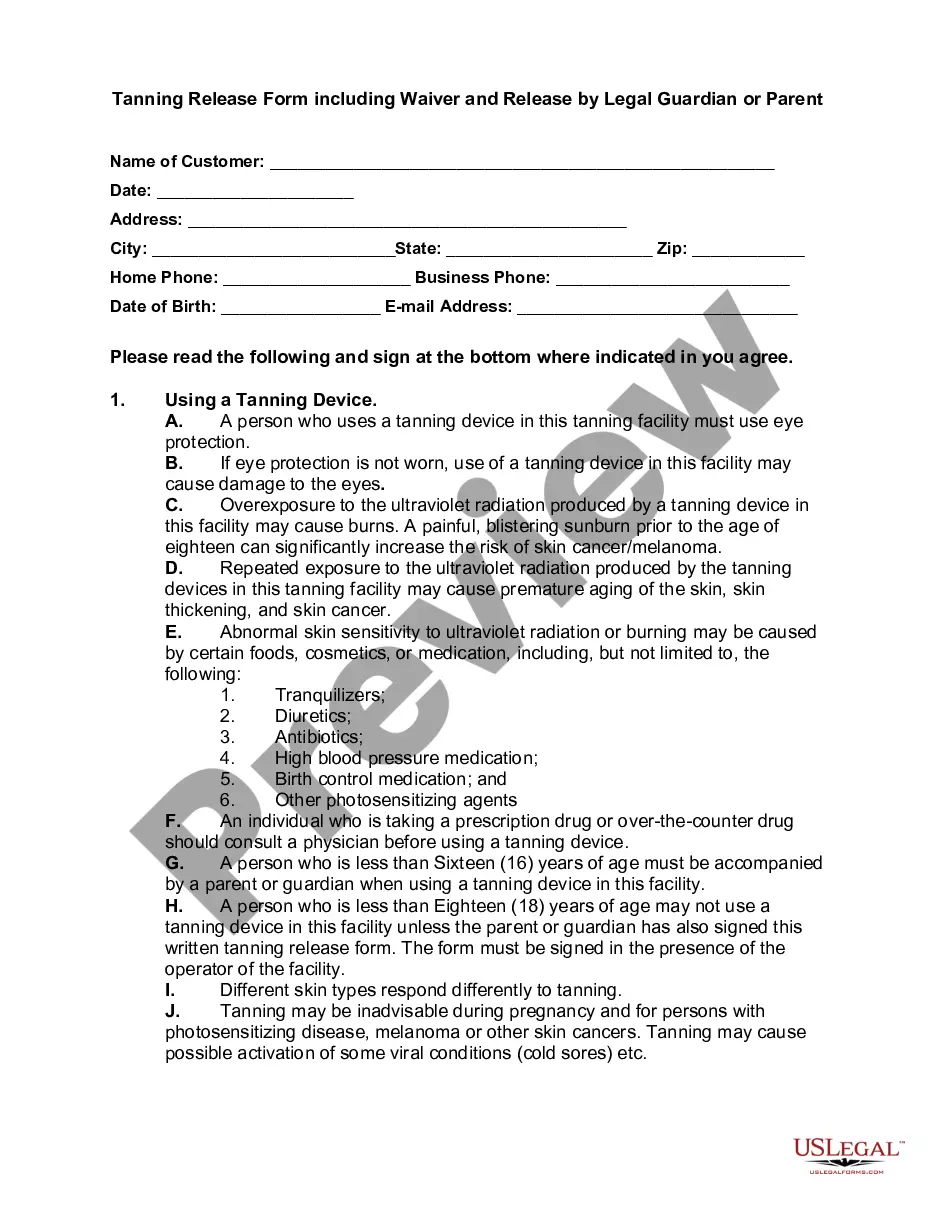
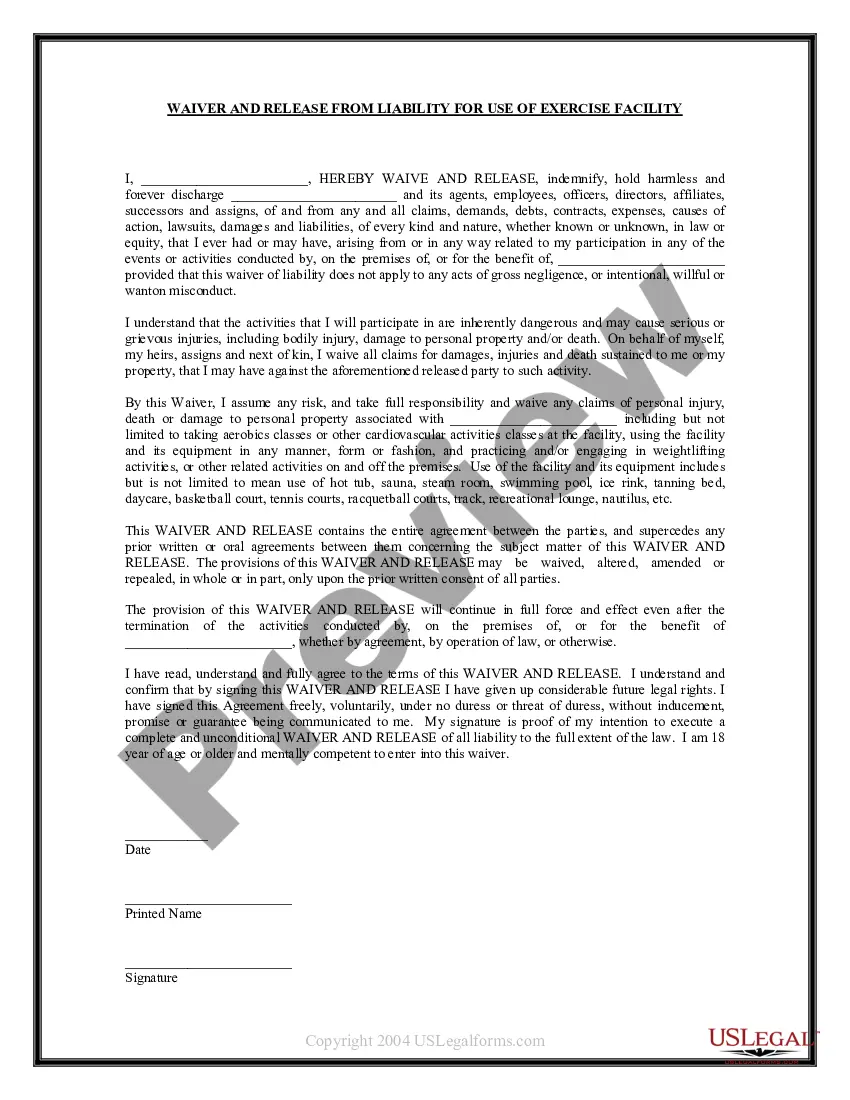
There are many important components of a comprehensive settlement agreement including, but not limited to, the following: Release of Claims: A release is an agreement that relinquishes a right or claim to the person against whom it could be asserted. Its effect is to extinguish the obligation or cause of action.
Party A and Party B do hereby irrevocably and unconditionally release, cancel, and forever discharge the other Party and its directors, officers, employees, subsidiaries, affiliates, agents, and representatives from any and all claims, complaints, causes of action, demands, damages, obligations, liabilities, losses, ...
A clause that explicitly binds all individuals, including the plaintiff's spouse, children, or any other potential claimants, to the settlement. By doing so, they willingly relinquish their rights to pursue legal action related to the dispute, providing a comprehensive resolution.
Sometimes referred to as “release agreements” or as “settlement agreements,” release and settlement agreements bring a legal dispute to an end outside of the courtroom. That legal dispute can be nearly anything, like an alleged: Breach of contract. Violation of a non-compete agreement.
If you choose to proceed with your claim without an attorney, you will need to gather evidence, estimate your damages, file the claim, and negotiate with the insurance company for a settlement. You can review resources from the California Department of Insurance to help you start the process.
These clauses are typically fashioned to absolve parties from known and unknown claims arising post-settlement. However, the effectiveness of these broad release clauses may encounter limitations contingent upon the circumstances and knowledge of the parties at the time of agreement.
Crafting a Compelling Personal Injury Demand Letter Gather Essential Information. Introduce Yourself and the Purpose of the Letter. Describe the Accident and Establish Liability (Fault) ... Detail Your Injuries, Treatment, and Prognosis. Itemize Your Damages. Make a Specific Demand and Set a Response Deadline.
Here is how the personal injury claim process works: Complete Your Medical Treatment. Submit Demand Package. Settlement of Claim. Compromise of Liens. Statute of Limitations. Lawsuit in Court. Mandatory Arbitration. Trial and Judgment. A court case can be settled at any stage by voluntary agreement of the parties.
Personal injury refers to any harm or injury caused to a person's body, mind, or emotions due to someone else's negligence or intentional wrongdoing. In California, personal injury law allows victims to seek compensation if they can prove that another party was at fault.
In California, you have two years from the date of your injury to file a personal injury lawsuit. This two-year rule is called the statute of limitations, and it applies to most injury cases, whether from car accidents, slips and falls, or other incidents caused by negligence.