Agreement Personal Injury Form Interrogatories In Washington
Description

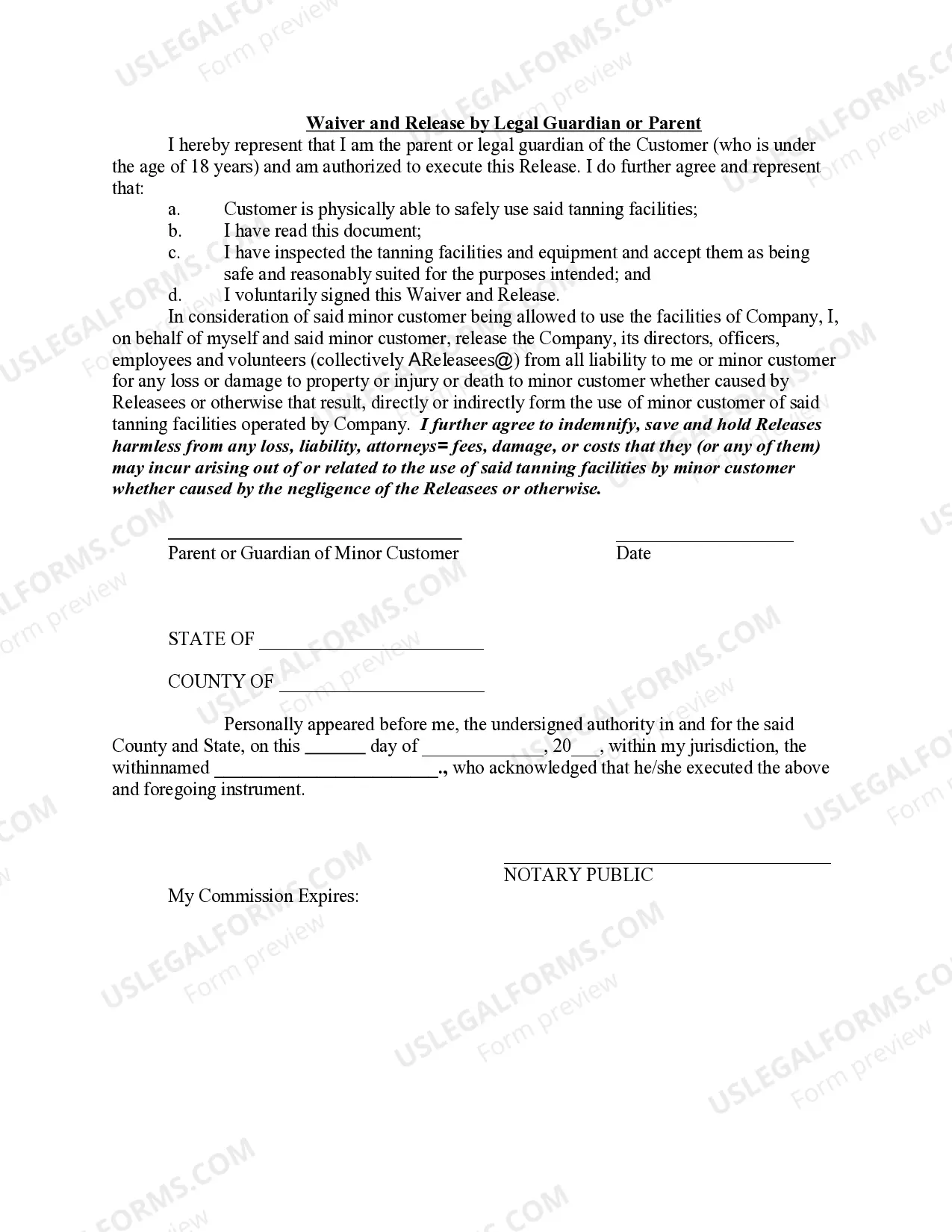
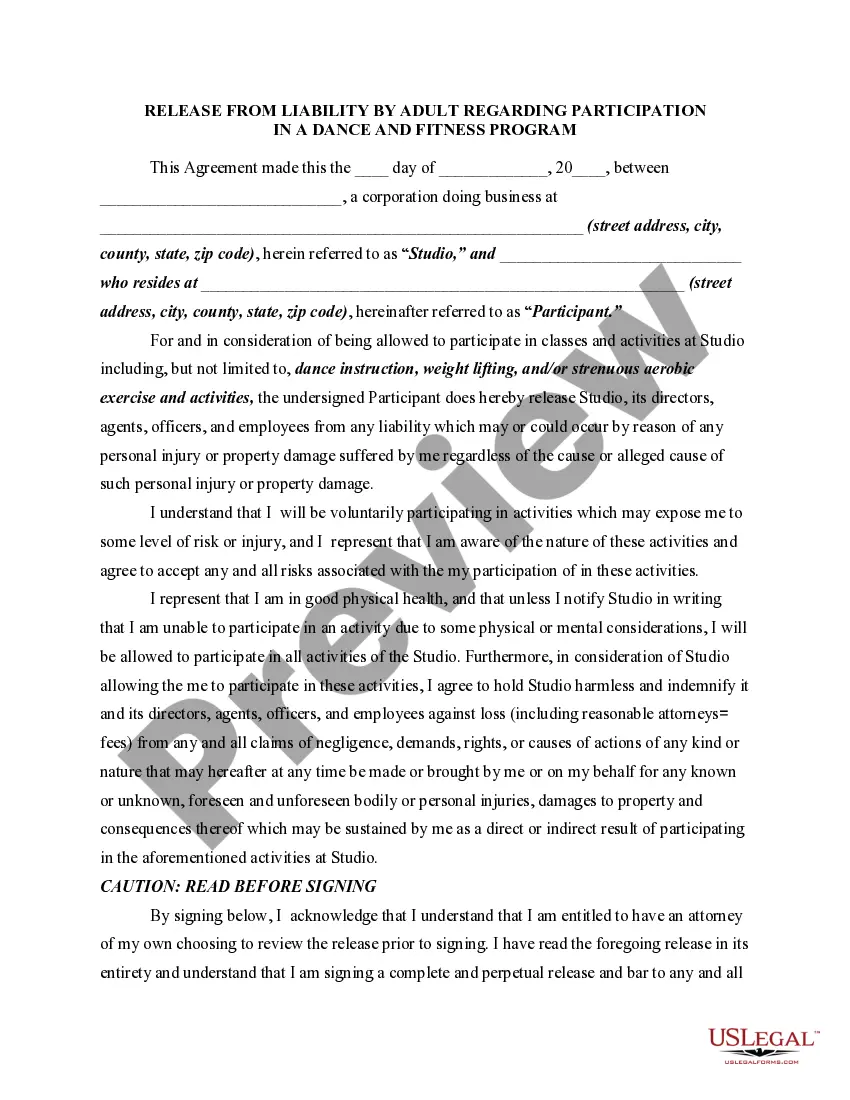
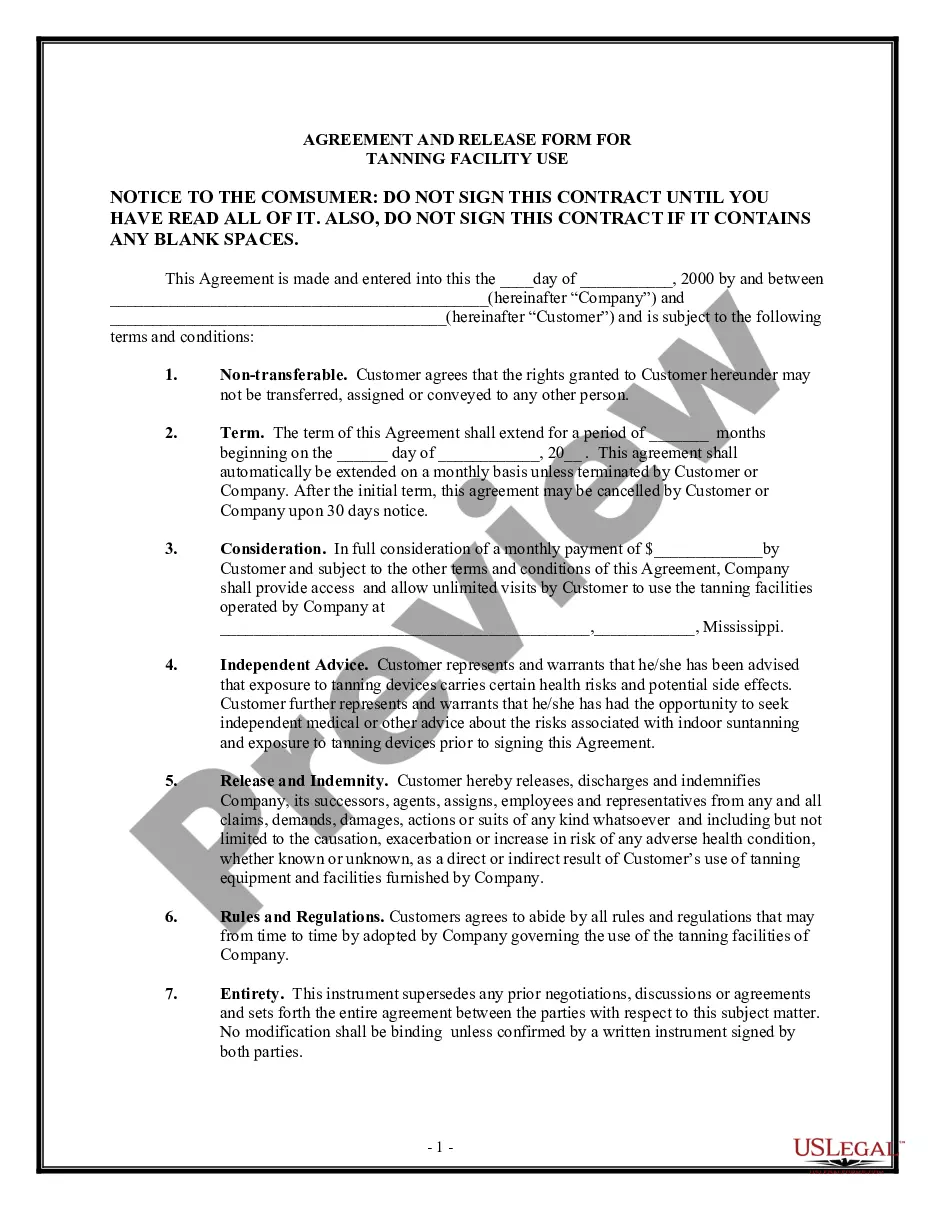
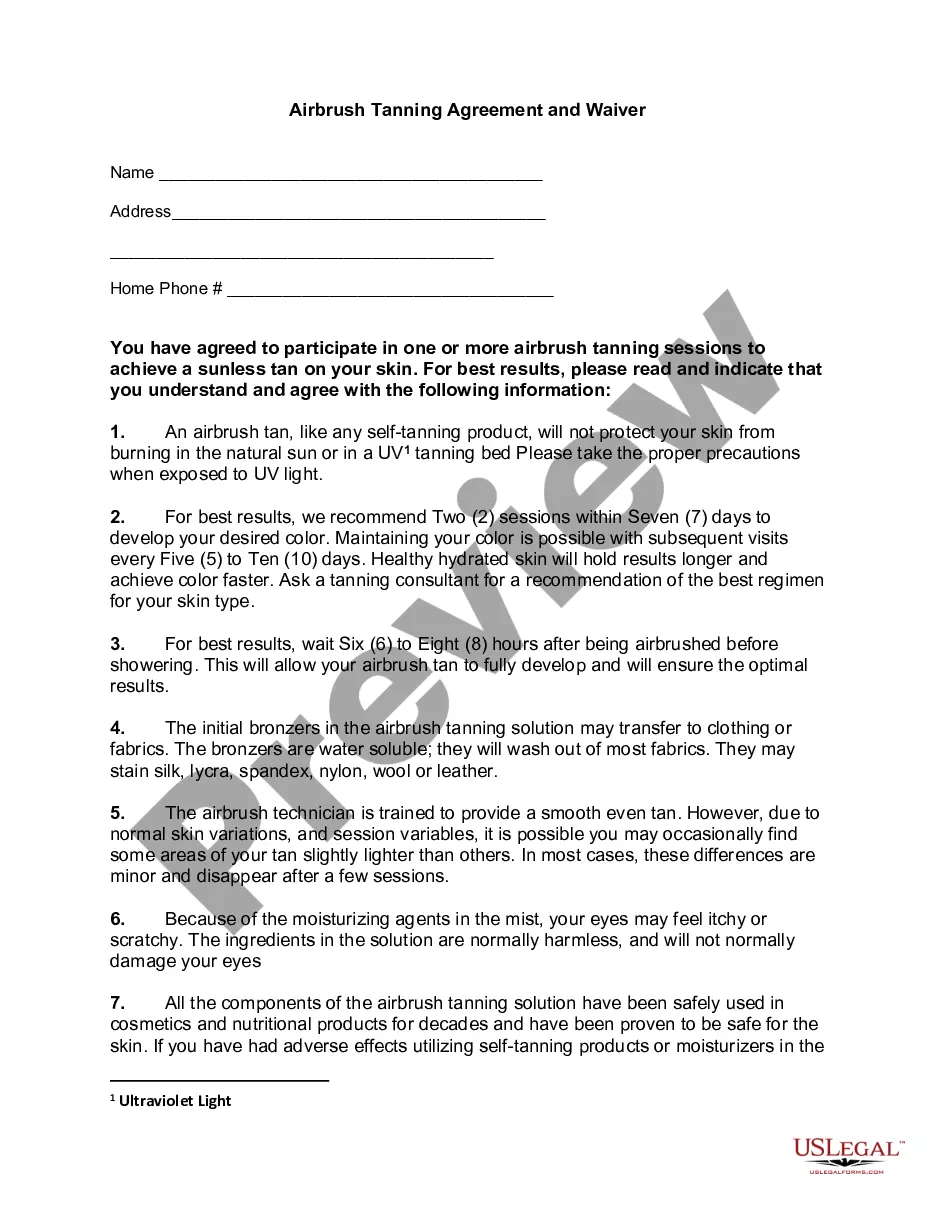
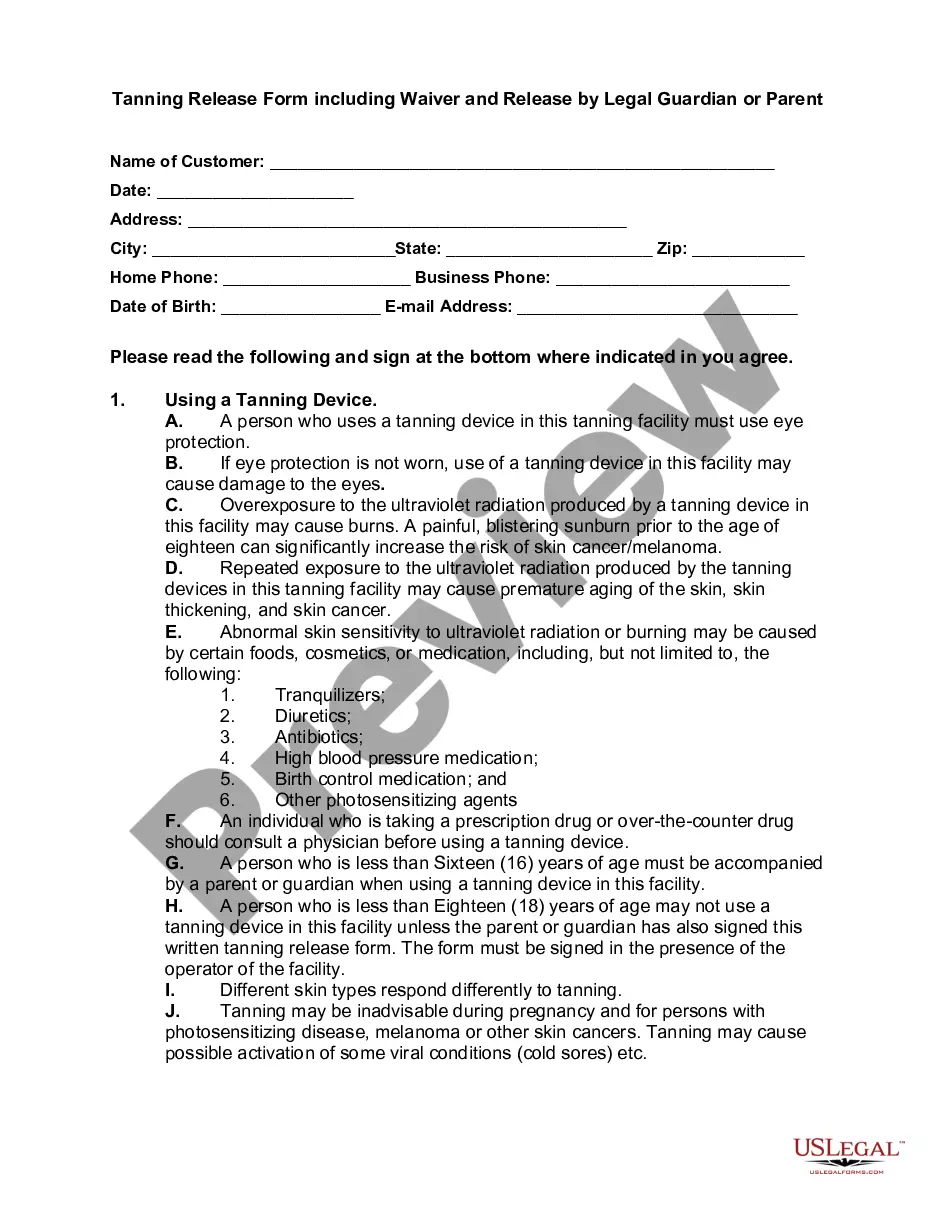
Get your form ready online
Our built-in tools help you complete, sign, share, and store your documents in one place.
Make edits, fill in missing information, and update formatting in US Legal Forms—just like you would in MS Word.
Download a copy, print it, send it by email, or mail it via USPS—whatever works best for your next step.
Sign and collect signatures with our SignNow integration. Send to multiple recipients, set reminders, and more. Go Premium to unlock E-Sign.
If this form requires notarization, complete it online through a secure video call—no need to meet a notary in person or wait for an appointment.
We protect your documents and personal data by following strict security and privacy standards.

Make edits, fill in missing information, and update formatting in US Legal Forms—just like you would in MS Word.

Download a copy, print it, send it by email, or mail it via USPS—whatever works best for your next step.

Sign and collect signatures with our SignNow integration. Send to multiple recipients, set reminders, and more. Go Premium to unlock E-Sign.

If this form requires notarization, complete it online through a secure video call—no need to meet a notary in person or wait for an appointment.

We protect your documents and personal data by following strict security and privacy standards.
Looking for another form?








Form popularity
FAQ
Rule GR 34 - Waiver of Court and Clerk's Fees and Charges in Civil Matters on the Basis of Indigency (a) Any individual, on the basis of indigent status as defined herein, may seek a waiver of filing fees or surcharges the payment of which is a condition precedent to a litigant's ability to secure access to judicial ...
Rule 33 assures that the objections will lead directly to court, through its requirement that they be served with a notice of hearing. Although this procedure does preclude an out-of-court resolution of the dispute, the procedure tends to discourage informal negotiations.
Summons and Complaint – Two separate documents that go together to start a civil lawsuit.
The court shall, within 15 days of the defendant's actual arraignment in superior court or at the omnibus hearing, set a date for trial which is within the time limits prescribed by this rule and notify counsel for each party of the date set.
Unless agreed by the parties and with the permission of the court, all discovery shall be completed within 60 days of the demand, or 90 days of service of the summons and complaint, or counterclaim, or cross complaint, whichever is longer.
The best evidence rule requires the production of an original writing, except when its unavailability is satisfactorily explained, when an effort is being made to prove the terms of a writing, but it has no application to an attempt to prove the existence of a writing. McCormick, Evidence § 198 (1954).
A motion must include: A statement of the name and designation of the person filing the motion, A statement of the relief sought, Reference to or copies of parts of the record relative to the motion, A statement of the grounds for the relief sought, with argument.
Any party may serve upon any other party written interrogatories to be answered by the party served or, if the party served is a public or private corporation or a partnership or association or governmental agency, by any officer or agent, who shall furnish such information as is available to the party.
A request for production, as the name suggests, is a request for another party to produce something, usually copies of documents. For example: “produce your tax returns and W2s for the last five years.” The primary rule governing requests for production is CR 34.
Requests for production often reveal crucial information that can shape the outcome of a case. As such, parties involved in a legal matter are obligated to respond to Requests for Production, either by producing the requested information or by providing a written explanation as to why the documents cannot be delivered.
