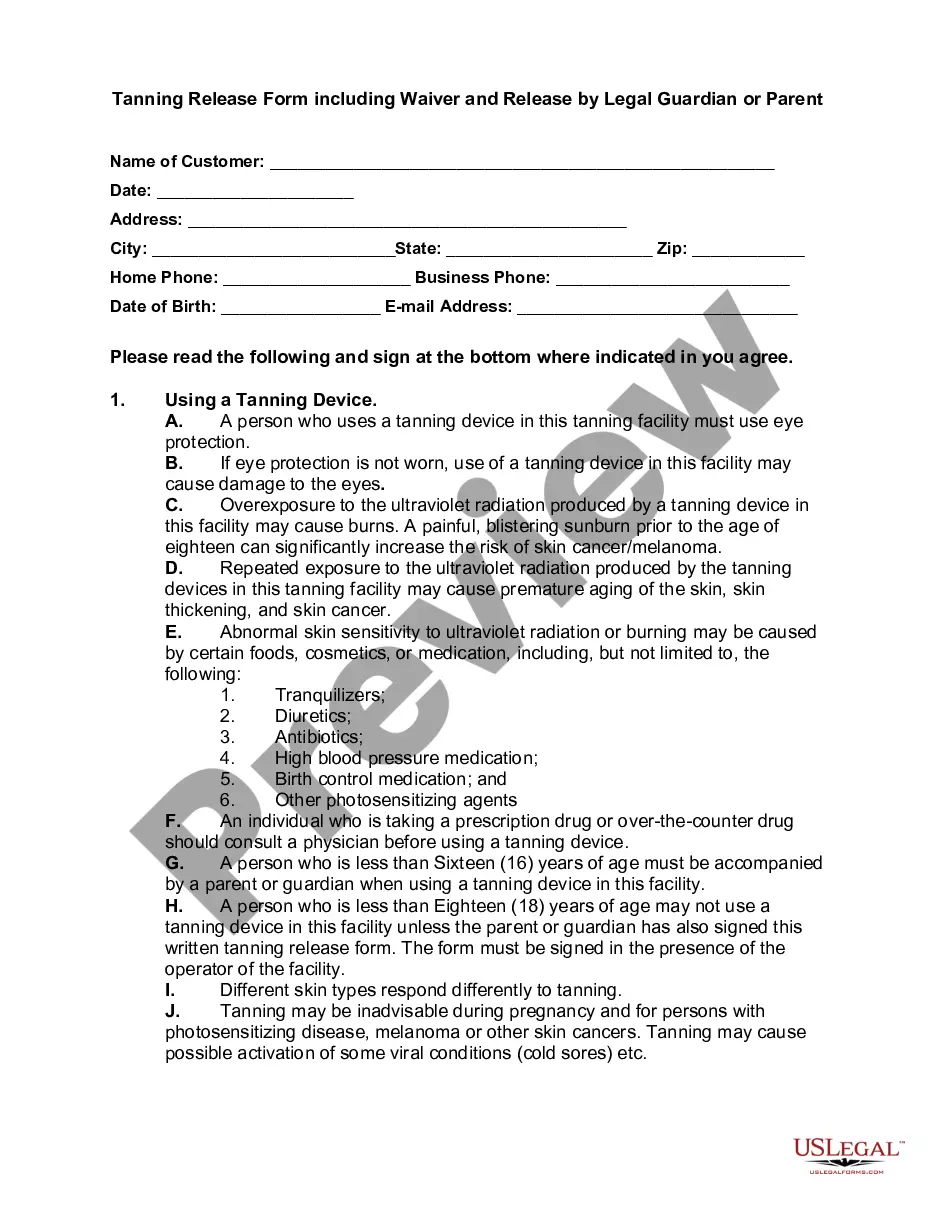
Personal Injury Release Agreement Form California In Virginia
Description

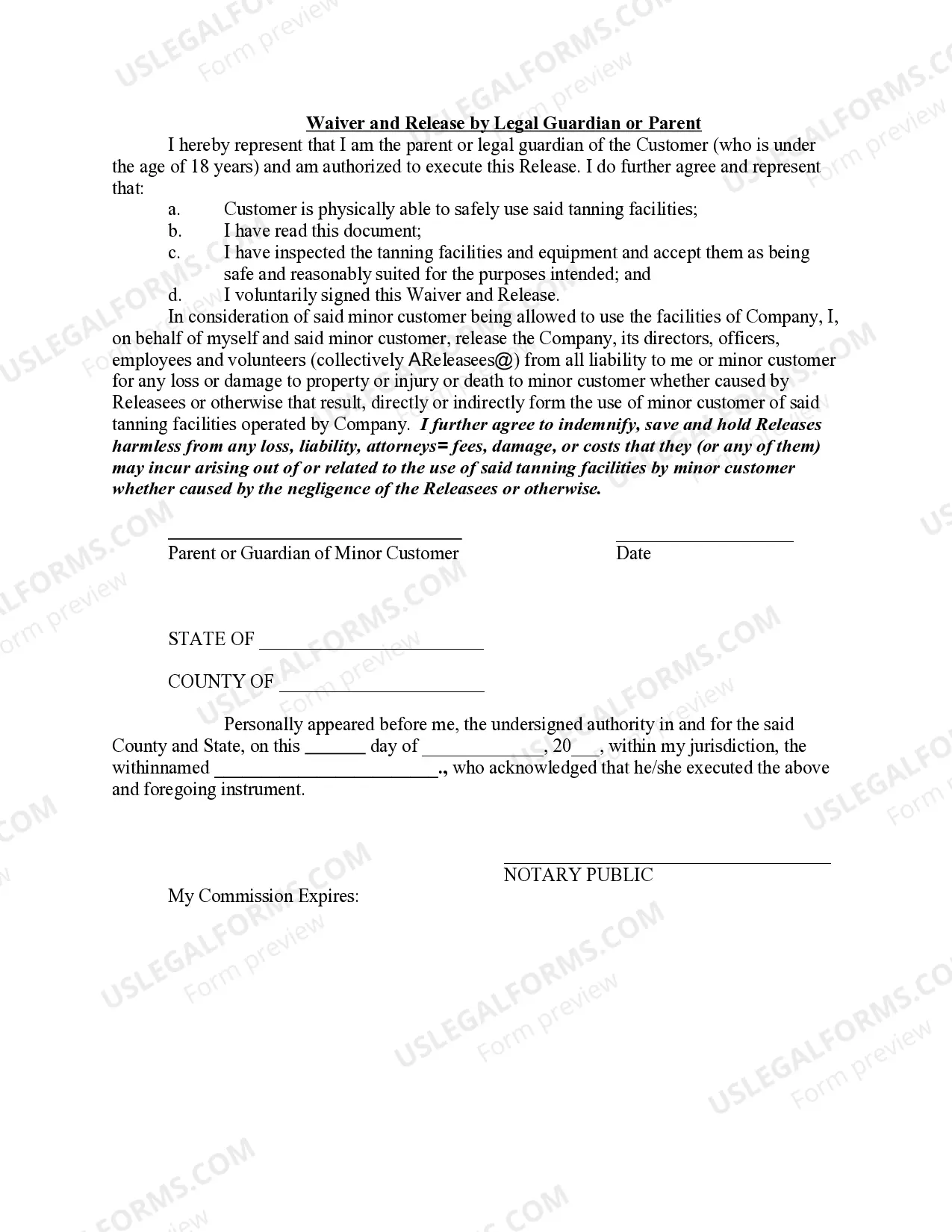
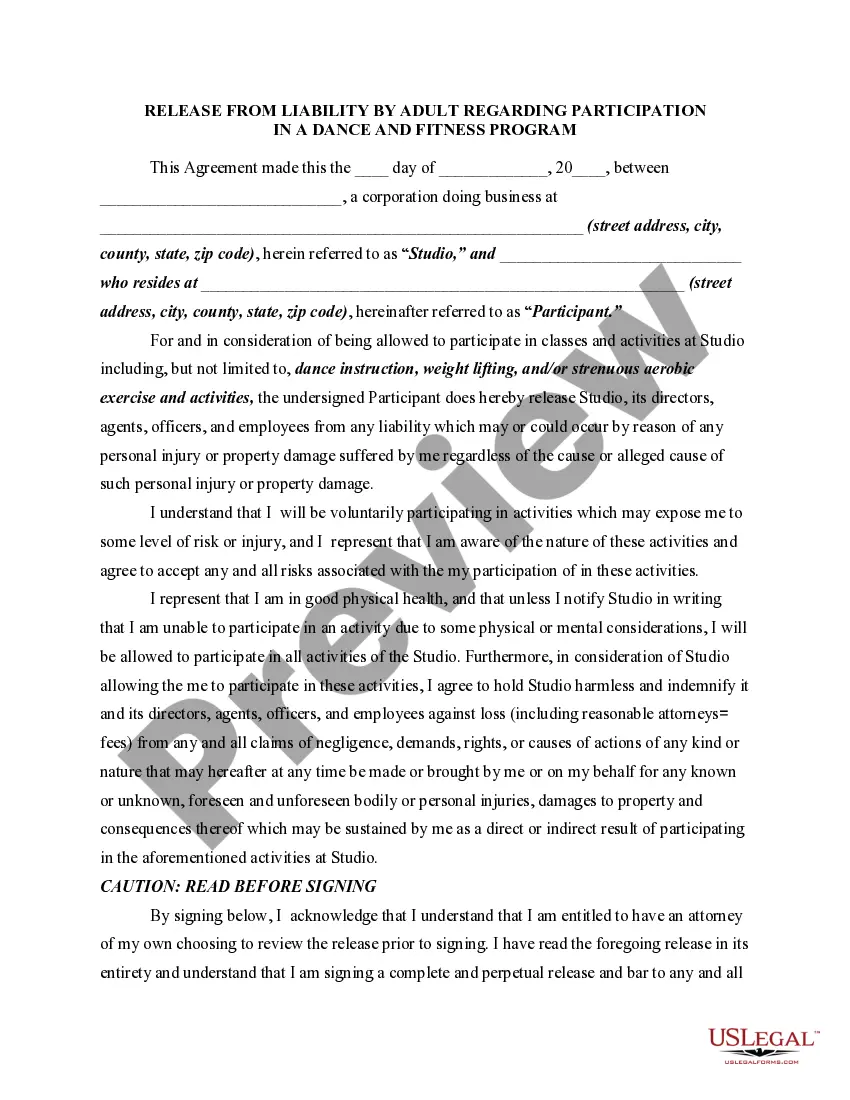
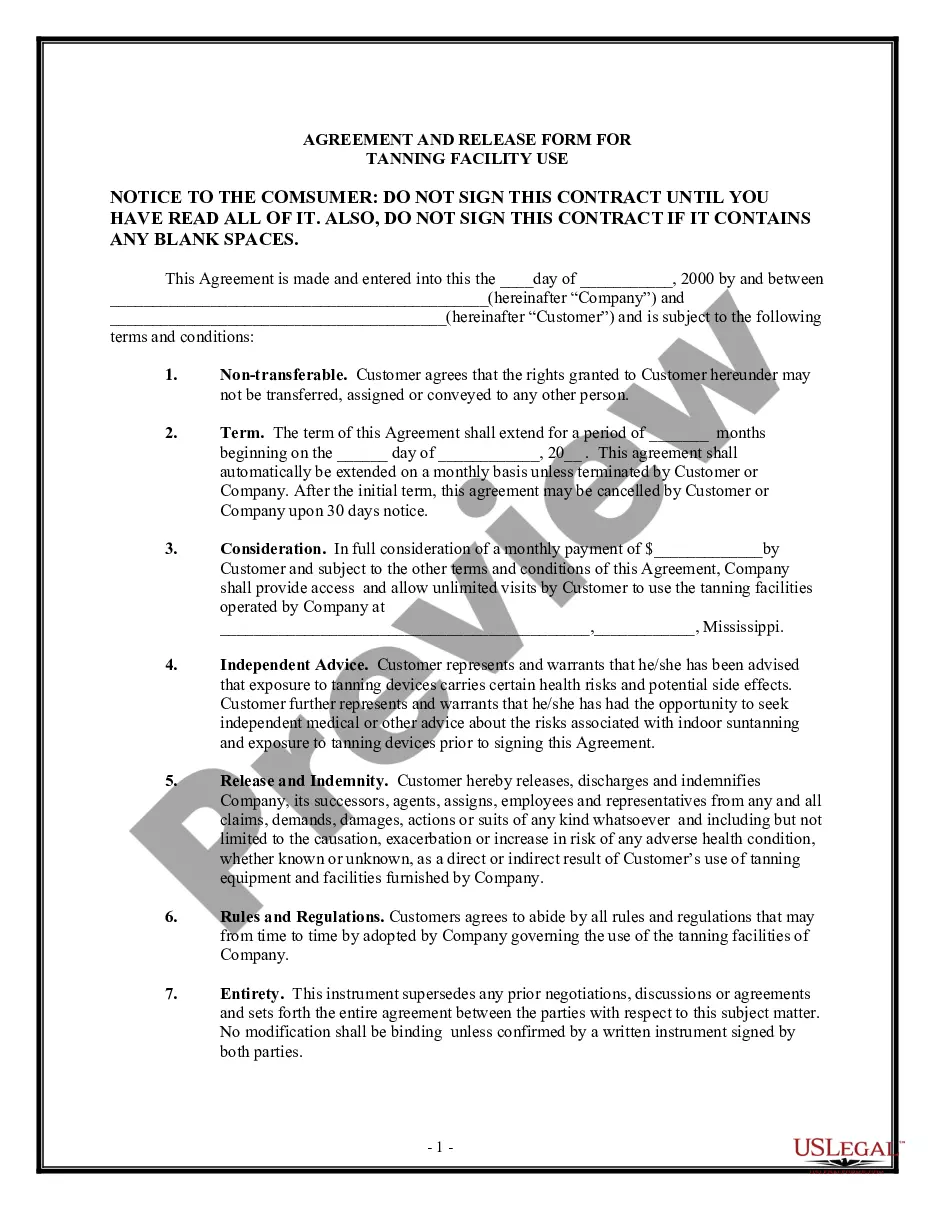
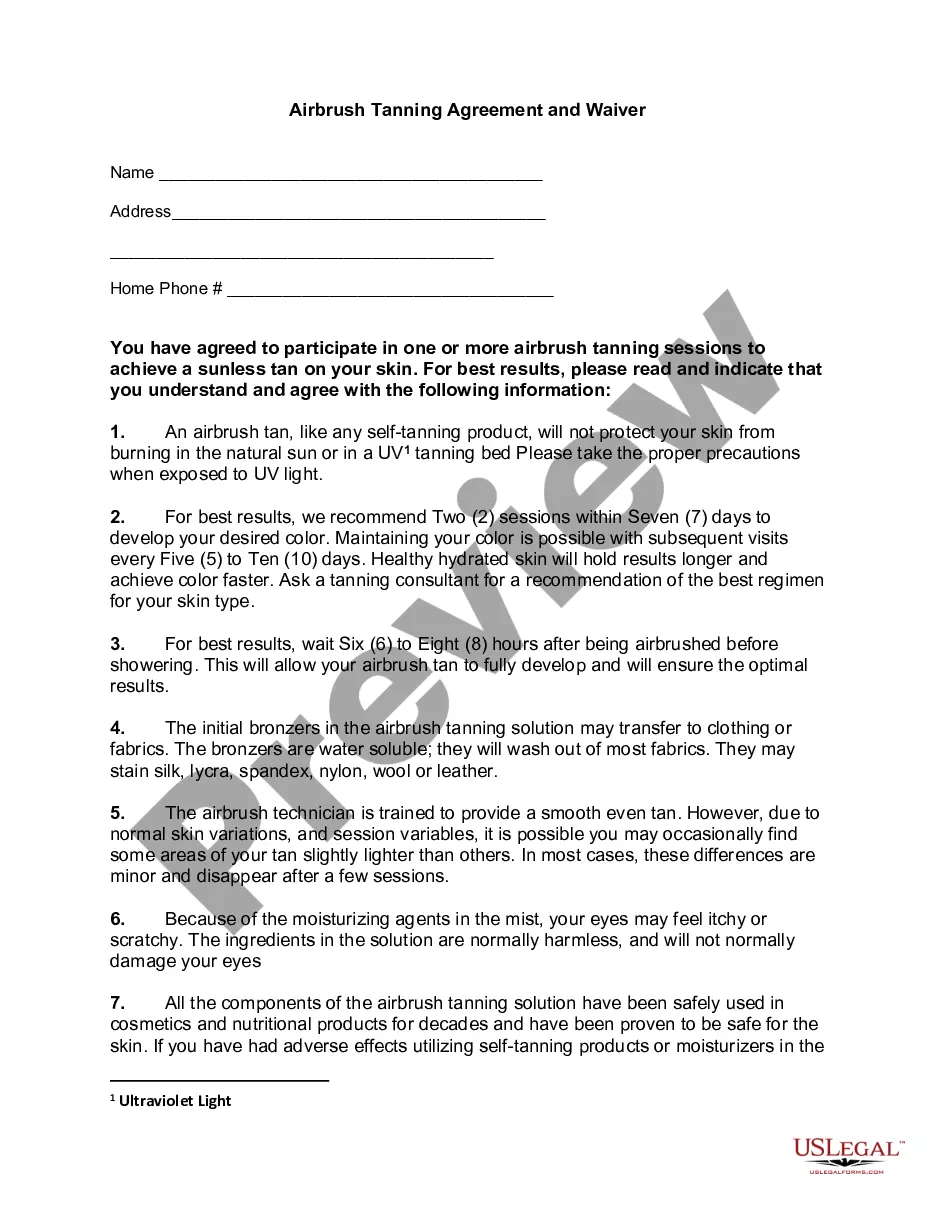
Get your form ready online
Our built-in tools help you complete, sign, share, and store your documents in one place.
Make edits, fill in missing information, and update formatting in US Legal Forms—just like you would in MS Word.
Download a copy, print it, send it by email, or mail it via USPS—whatever works best for your next step.
Sign and collect signatures with our SignNow integration. Send to multiple recipients, set reminders, and more. Go Premium to unlock E-Sign.
If this form requires notarization, complete it online through a secure video call—no need to meet a notary in person or wait for an appointment.
We protect your documents and personal data by following strict security and privacy standards.

Make edits, fill in missing information, and update formatting in US Legal Forms—just like you would in MS Word.

Download a copy, print it, send it by email, or mail it via USPS—whatever works best for your next step.

Sign and collect signatures with our SignNow integration. Send to multiple recipients, set reminders, and more. Go Premium to unlock E-Sign.

If this form requires notarization, complete it online through a secure video call—no need to meet a notary in person or wait for an appointment.

We protect your documents and personal data by following strict security and privacy standards.
Looking for another form?







Form popularity
FAQ
In short, a release is a legal document that you sign when you agree to settle a claim against someone else. For example, if you were in an automobile collision that was the result of another driver, you have a claim against them. You have a legal right to sue that person unless you sign a release.
In California, you have two years from the date of your injury to file a personal injury lawsuit. This two-year rule is called the statute of limitations, and it applies to most injury cases, whether from car accidents, slips and falls, or other incidents caused by negligence.
Also known as a liability waiver form, the release of all claims form is signed when the defendant and plaintiff reach a settlement in a lawsuit. It does three things, including: Resolving the issue between the two parties. Dismissing the plaintiff's claims. Releasing the defendant from liability.
A claim is when you express your right to something that belongs to you, like your medical records or the deed to your home. When you make a claim or claim something, you're demanding it or saying it's true.
How to File a Personal Injury Claim in Virginia Seek Immediate Medical Attention. Document the Accident Scene and Gather Evidence. Report the Incident. Consult with an Experienced Personal Injury Lawyer. Determine Liability. File a Personal Injury Lawsuit. Work to Prove Damages. Attend Mediation or Trial.
Sometimes referred to as “release agreements” or as “settlement agreements,” release and settlement agreements bring a legal dispute to an end outside of the courtroom. That legal dispute can be nearly anything, like an alleged: Breach of contract. Violation of a non-compete agreement.
A release is a legal agreement between two parties that prevents one party from pursuing any further claims, court litigation, or actions against the other. Insurance companies often require individuals to sign a release form after covering damages to protect themselves from future liability or additional payouts.
An injury claim is handled in the California civil court system if it's not work-related and if the damages total more than $10,000. Step 1: Establish legal standing. Step 2: Hire a lawyer. Step 3: Determine the venue for your lawsuit. Step 4: File your claim within the statute of limitations. Step 5: File your complaint.
A release of liability form, or waiver, is a legal document where one party agrees not to hold another responsible for potential harm. It explains the risks of a specific event so the participant knows the possibilities.
Typically ranging from 1.5 to 5, higher variables are assigned to more severe cases. For instance, if you incurred $100,000 in economic damages and a 1.5 variable is applied, your pain and suffering damages would amount to $150,000. Using a variable of four, your claim would reach $400,000.
