E Commerce Agreement For Farmers In Ohio
Description

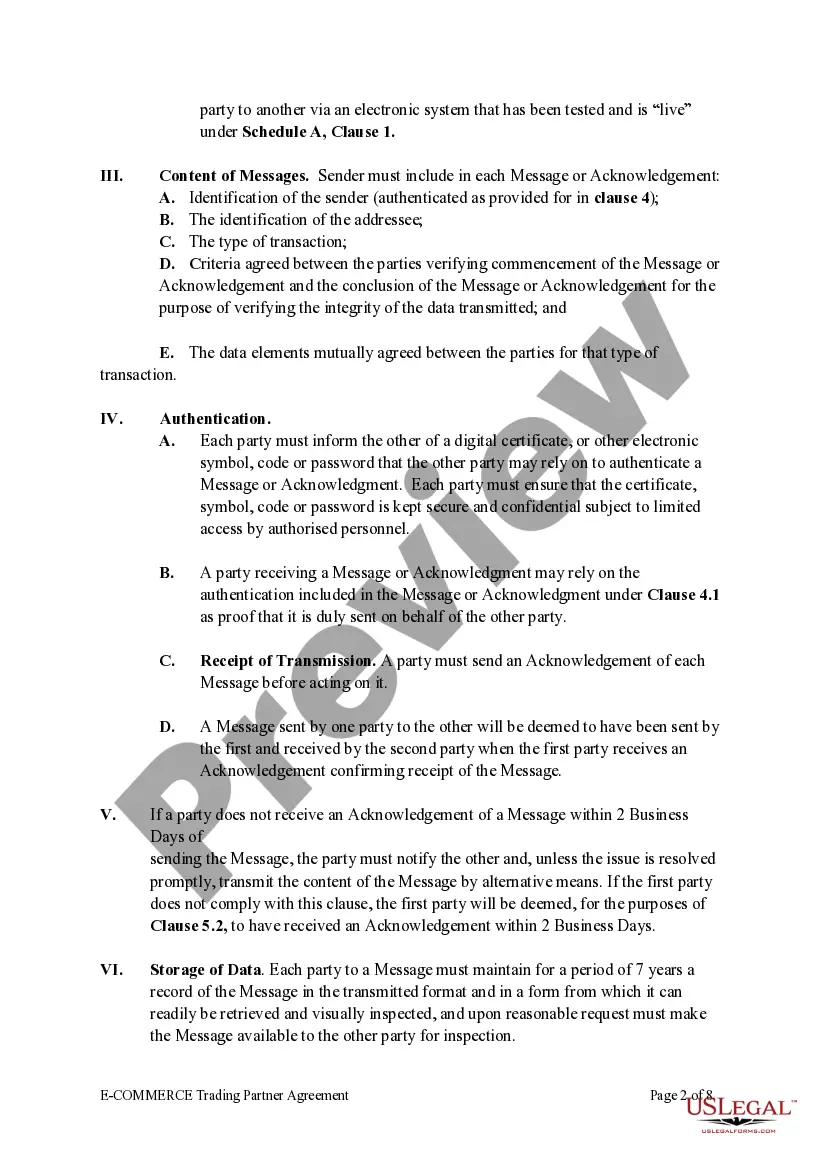
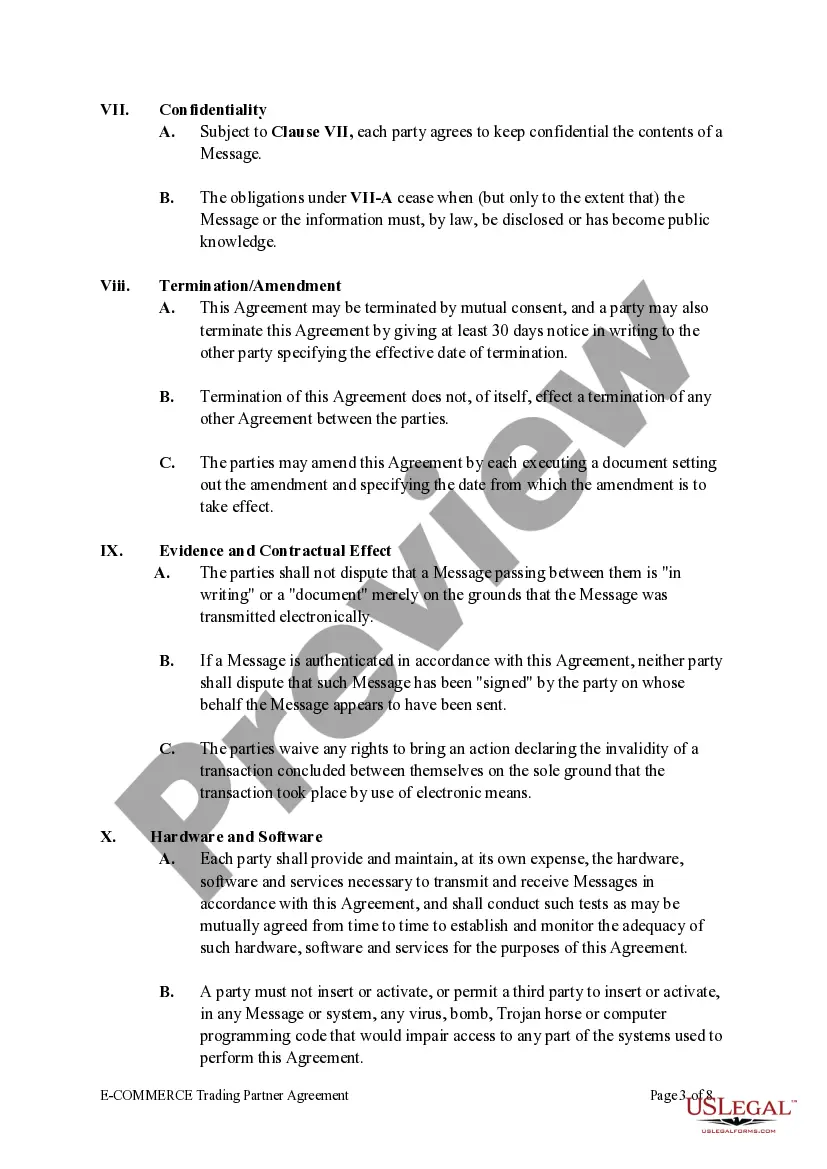
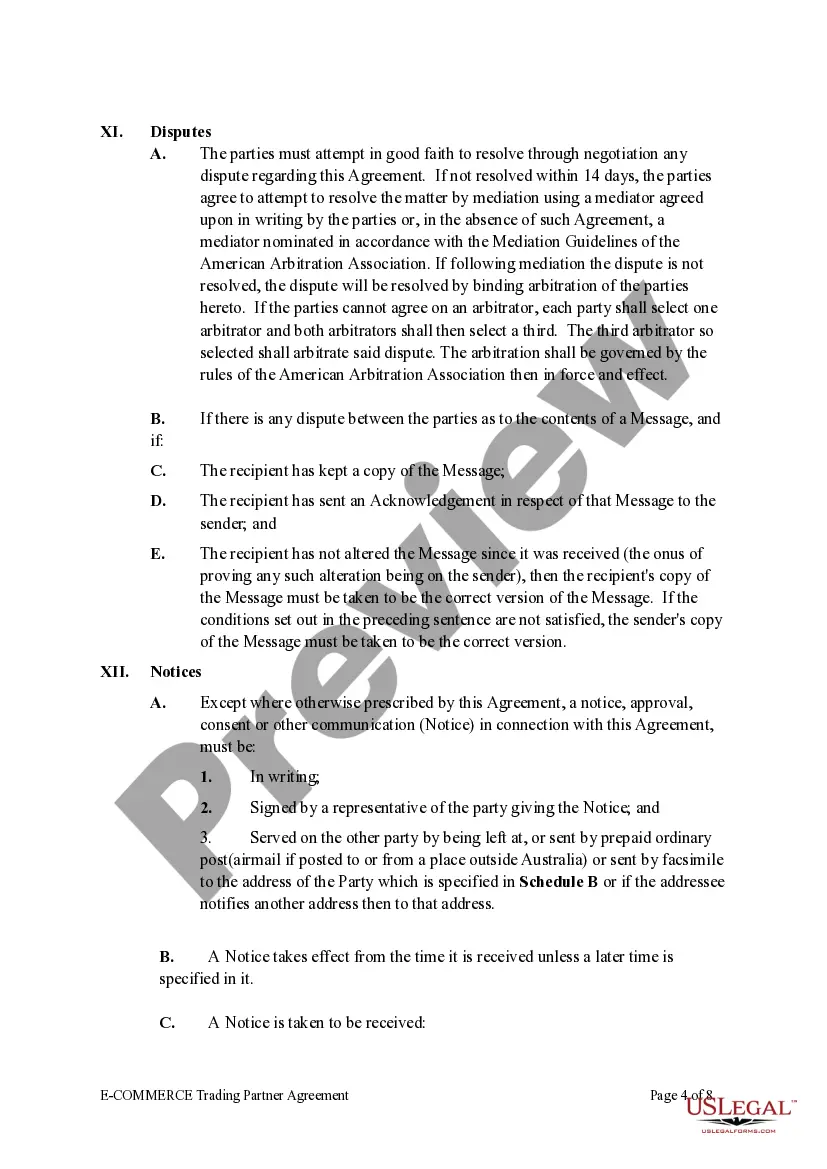
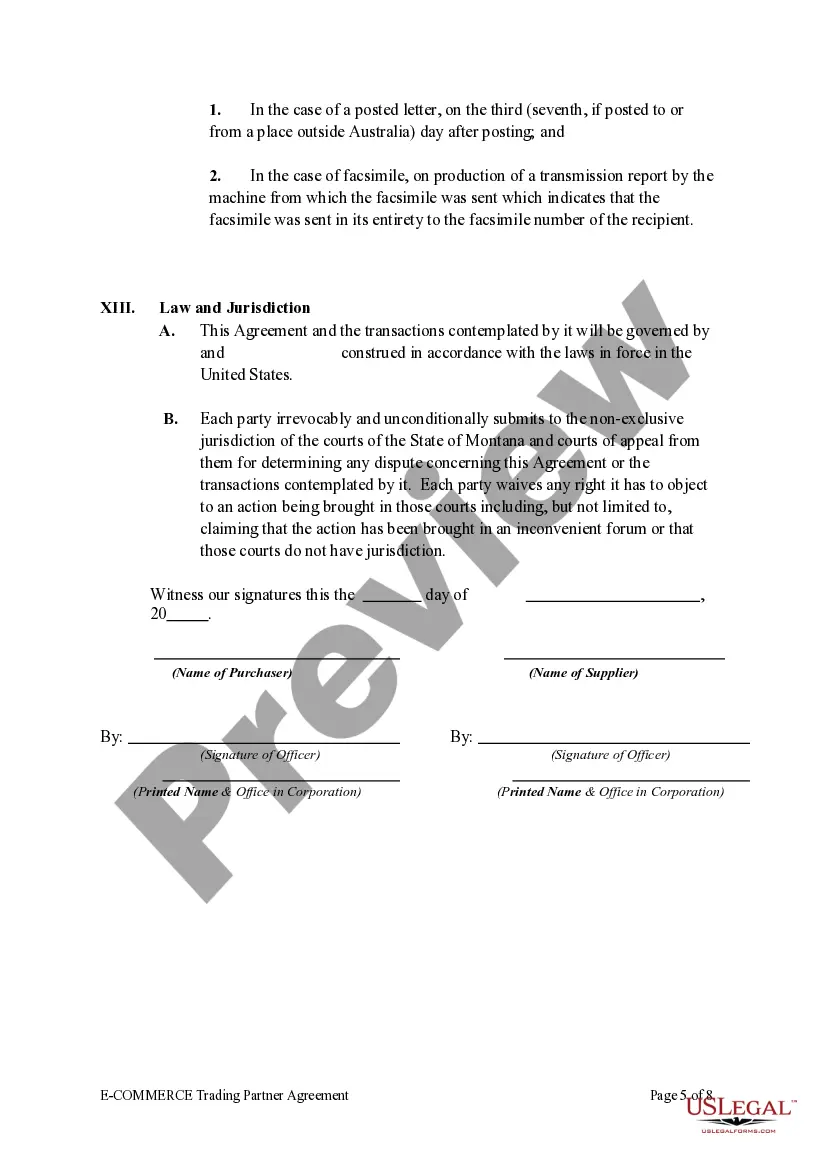


Get your form ready online
Our built-in tools help you complete, sign, share, and store your documents in one place.
Make edits, fill in missing information, and update formatting in US Legal Forms—just like you would in MS Word.
Download a copy, print it, send it by email, or mail it via USPS—whatever works best for your next step.
Sign and collect signatures with our SignNow integration. Send to multiple recipients, set reminders, and more. Go Premium to unlock E-Sign.
If this form requires notarization, complete it online through a secure video call—no need to meet a notary in person or wait for an appointment.
We protect your documents and personal data by following strict security and privacy standards.

Make edits, fill in missing information, and update formatting in US Legal Forms—just like you would in MS Word.

Download a copy, print it, send it by email, or mail it via USPS—whatever works best for your next step.

Sign and collect signatures with our SignNow integration. Send to multiple recipients, set reminders, and more. Go Premium to unlock E-Sign.

If this form requires notarization, complete it online through a secure video call—no need to meet a notary in person or wait for an appointment.

We protect your documents and personal data by following strict security and privacy standards.
Looking for another form?



Form popularity
FAQ
Ohio is home to many top-producing farms and is one of the highest-performing states in the agriculture industry. The United States Agriculture Department (USDA) forecasted the state to produce 625 million bushels of food in 2023, a 5% increase from 2022.
Ohio has always been an important agricultural state. In 2017, Ohio was ranked in the top 10 states for production of grains, nursery and greenhouse crops, hogs and pigs, and horses. Ohio farms raised farm commodities worth over $9 billion.
The state grows around 200 types of crops and leads the nation in production of corn and soybeans, and is number one in the country for Swiss cheese production.
Soybeans are Ohio's top-produced crop and play a huge part in the economy's health. Growers plant 5.1 million acres and harvest 5.08 million acres, yielding 55.5 bushels an acre. This resulted in a total production of over 281 million bushels of soybeans. At $14.40 a bushel, the total product value was over $4 billion.
Agricultural assets include land, livestock, facilities, buildings, and machinery used in farming. In order for land to qualify as an agricultural asset, it must total at least 10 acres or produce an average annual income of at least $2,500 from farming.
Enacted in 1982, Ohio's Right to Farm Law offers a nuisance defense for farming activities under certain conditions. Ohio was one of many states that passed a Right to Farm Law in the 1980s after the highly publicized Arizona case of Spur Industries v. Del E. Webb.
Ohio is home to more than 76,000 farms, with agriculture touching every part of the state. Not only does Ohio rank number one in Swiss cheese production, but we are second in the nation egg production and fifth soybean production. Ohio's farmers impact those well beyond state lines, feeding families across the nation.
On lots less than five acres, they can regulate buildings or structures as to size, setback in height, and then on lots that are less than five acres or at least 35% of the lots have been developed, they can regulate livestock and poultry.
Although direct-to-consumer raw milk sales are illegal in the state of Ohio, herd share boarding agreements that comport with Ohio contract law are legally recognized.
