Personal Injury Release Agreement With Tenant In Suffolk
Description

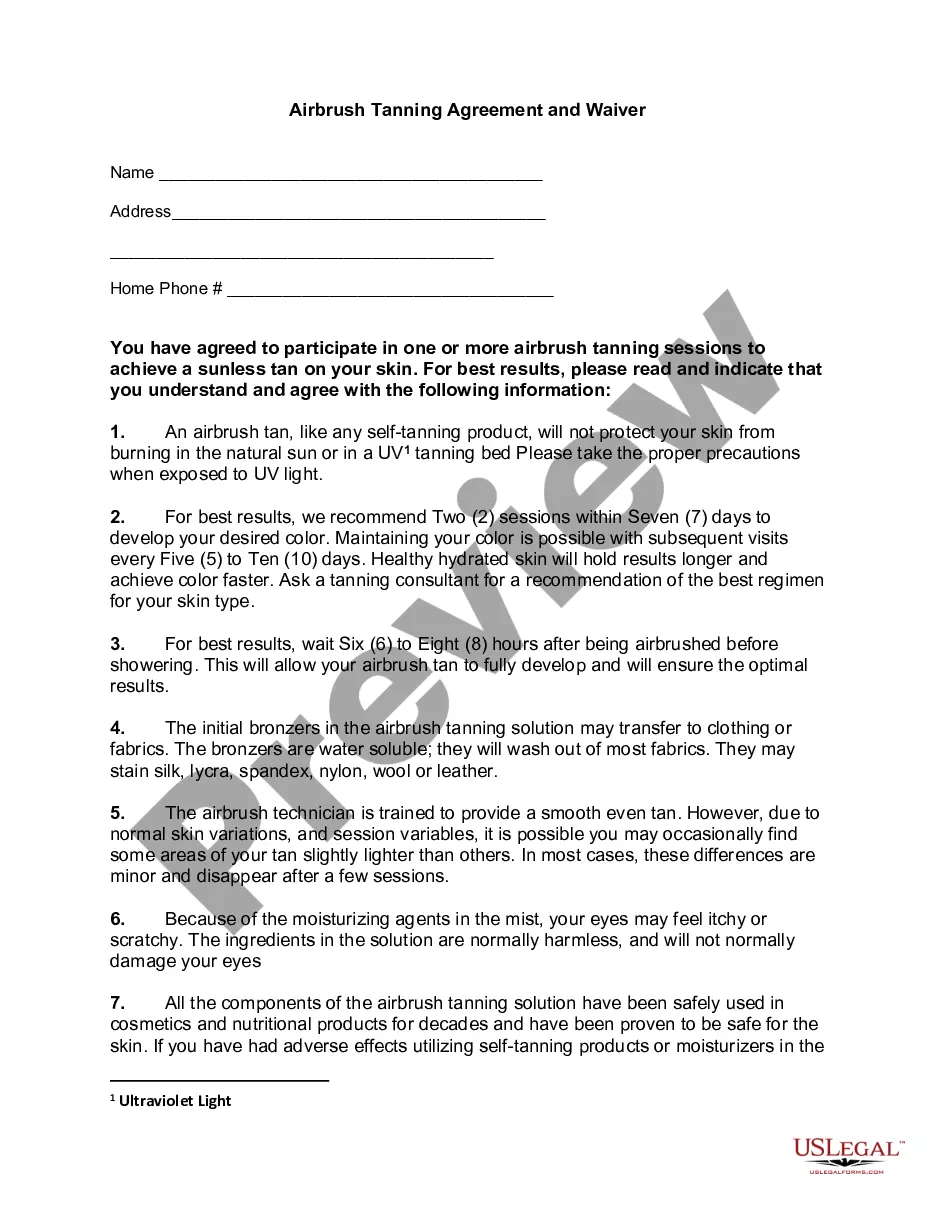
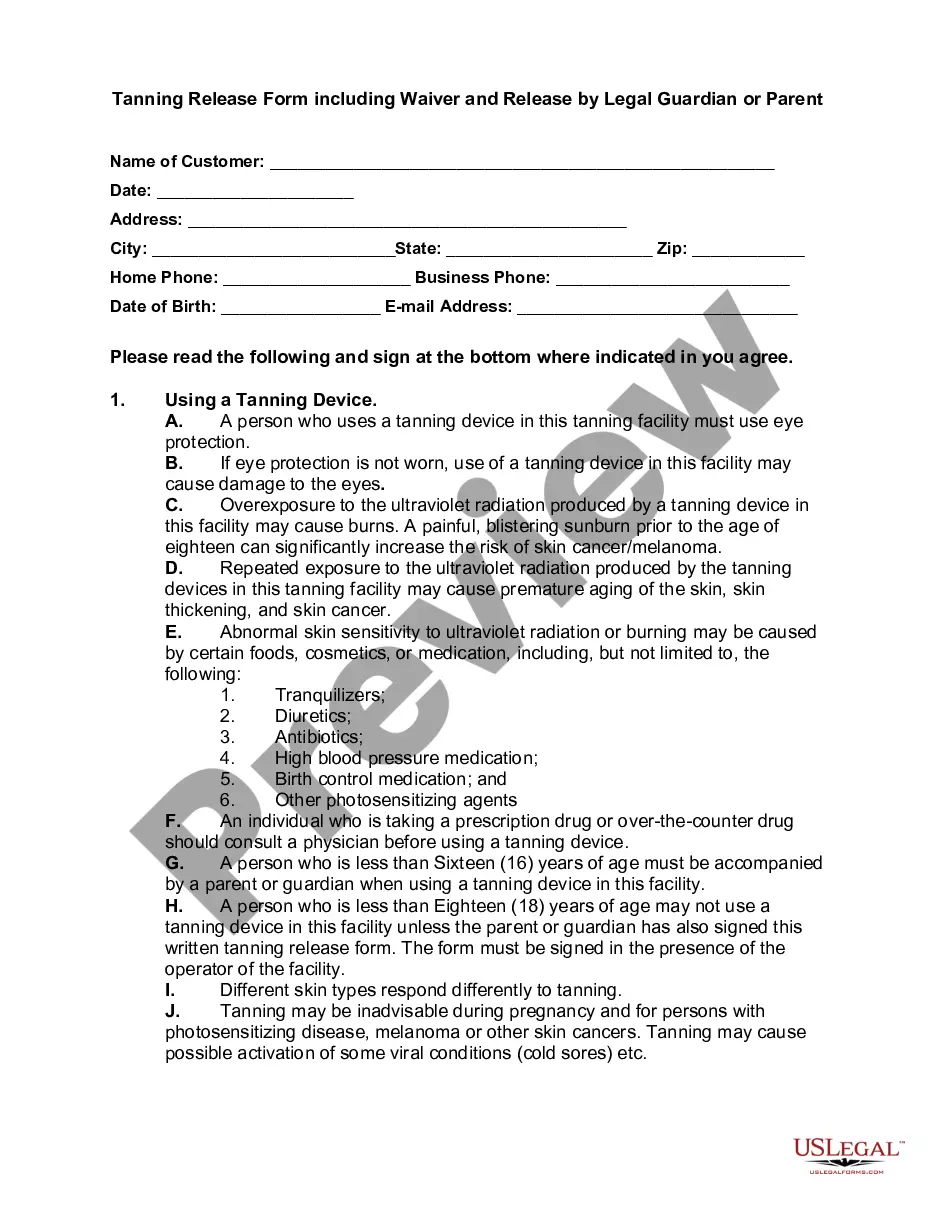
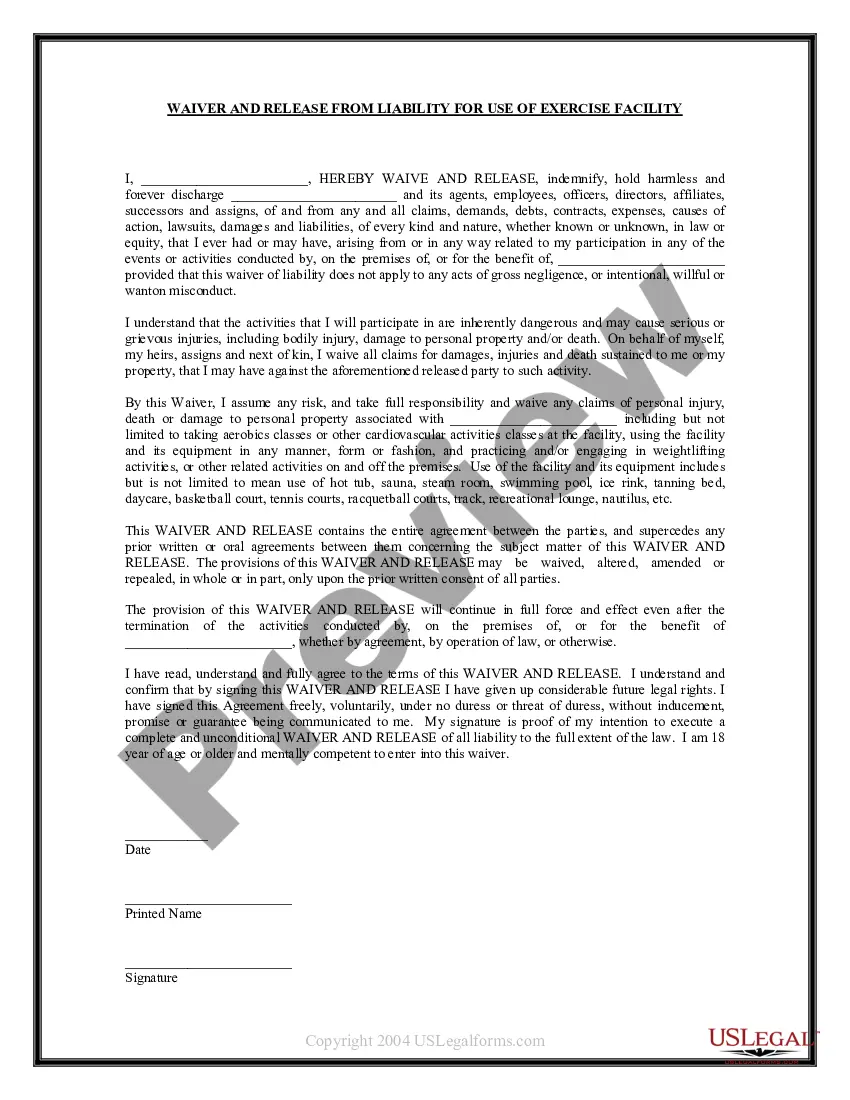
Get your form ready online
Our built-in tools help you complete, sign, share, and store your documents in one place.
Make edits, fill in missing information, and update formatting in US Legal Forms—just like you would in MS Word.
Download a copy, print it, send it by email, or mail it via USPS—whatever works best for your next step.
Sign and collect signatures with our SignNow integration. Send to multiple recipients, set reminders, and more. Go Premium to unlock E-Sign.
If this form requires notarization, complete it online through a secure video call—no need to meet a notary in person or wait for an appointment.
We protect your documents and personal data by following strict security and privacy standards.

Make edits, fill in missing information, and update formatting in US Legal Forms—just like you would in MS Word.

Download a copy, print it, send it by email, or mail it via USPS—whatever works best for your next step.

Sign and collect signatures with our SignNow integration. Send to multiple recipients, set reminders, and more. Go Premium to unlock E-Sign.

If this form requires notarization, complete it online through a secure video call—no need to meet a notary in person or wait for an appointment.

We protect your documents and personal data by following strict security and privacy standards.
Looking for another form?









Form popularity
FAQ
If you have lived there for more than one year, but less than 2, or have a lease term of at least one year, but less than 2, your landlord must provide you with 60 days' notice; If you have lived there for more than 2 years or have a lease term of at least 2 years, your landlord must provide you with 90 days' notice.
The Suffolk County Sheriff must give at least 14 days notice (a 14 DAY NOTICE) after the expiration of any and all stays directed by the Judge before evicting a tenant/respondent from the premises.
In New York State, an eviction of a tenant is lawful only if an owner has brought a court proceeding and obtained a judgment of possession from the court. A sheriff, marshal or constable can carry out a court ordered eviction. An owner may not evict a tenant by use of force or unlawful means.
2. Can you evict a tenant after the lease expires? Yes, if the new lease is provided to you as the landlord and you do not agree to it or return it within 60 days, the landlord can evict you.
The landlord of an intention not to renew the lease. (General Obligations Law § 5-905). If you have lived in your apartment for less than one year, or have a lease for less than one year, your landlord must provide you with 30 days advanced notice before raising your rent or not renewing your lease.
Landlords may refuse to renew a lease only under certain enumerated circumstances, such as when the tenant is not using the premises as a primary residence.
A 60-day notice is required for tenants who have lived in an apartment for more than one year, but less than two years, or have a lease of at least one year, but less than two years. Tenants who have lived in a unit for more than two years, or have a lease of at least two years, must get a 90-day notice.
New York Eviction Process Timeline Notice Received by TenantsAverage Timeline Initial Notice Period 14-90 days Issuance and Posting of Summons and Complaint AND Court Hearing and Ruling on the Eviction 10-17 days Posting of Writ of Execution A few hours to a few days Return of Possession 10 days to 1 year1 more row •
In New York 5 Page 9 City, 30 days' notice is required, rather than one month. Landlords do not need to explain why the tenancy is being terminated, they only need to provide notice that it is, and that refusal to vacate will lead to eviction proceedings.