Agreement Personal Injury Without Attorney In Pennsylvania
Description

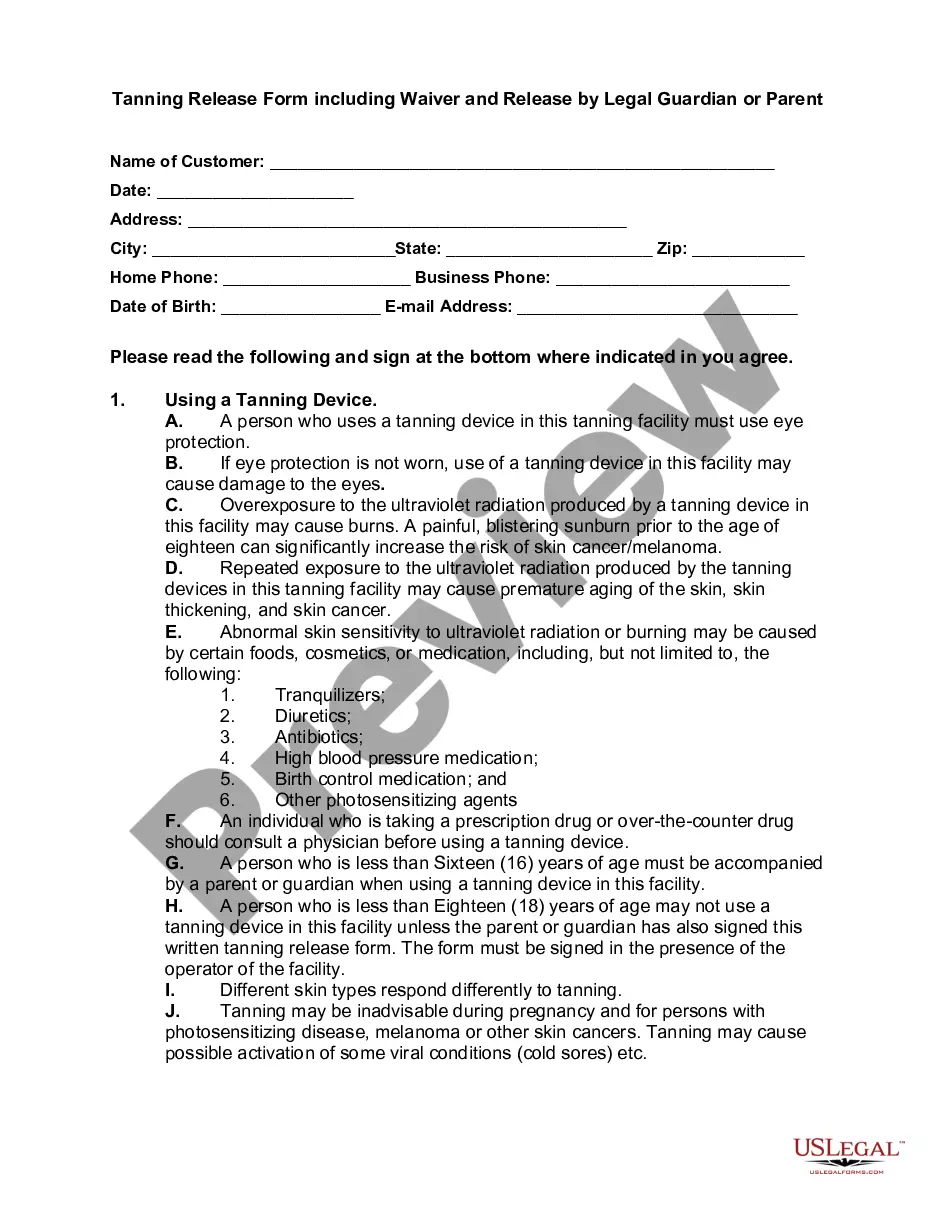
Get your form ready online
Our built-in tools help you complete, sign, share, and store your documents in one place.
Make edits, fill in missing information, and update formatting in US Legal Forms—just like you would in MS Word.
Download a copy, print it, send it by email, or mail it via USPS—whatever works best for your next step.
Sign and collect signatures with our SignNow integration. Send to multiple recipients, set reminders, and more. Go Premium to unlock E-Sign.
If this form requires notarization, complete it online through a secure video call—no need to meet a notary in person or wait for an appointment.
We protect your documents and personal data by following strict security and privacy standards.

Make edits, fill in missing information, and update formatting in US Legal Forms—just like you would in MS Word.

Download a copy, print it, send it by email, or mail it via USPS—whatever works best for your next step.

Sign and collect signatures with our SignNow integration. Send to multiple recipients, set reminders, and more. Go Premium to unlock E-Sign.

If this form requires notarization, complete it online through a secure video call—no need to meet a notary in person or wait for an appointment.

We protect your documents and personal data by following strict security and privacy standards.
Looking for another form?
Form popularity
FAQ
Pennsylvania law allows a personal injury victim to pursue a legal claim against the party who caused their damages. This is known as a personal injury case, which is intended to put the plaintiff in a similar position as before the accident.
Here is how the personal injury claim process works: Complete Your Medical Treatment. Submit Demand Package. Settlement of Claim. Compromise of Liens. Statute of Limitations. Lawsuit in Court. Mandatory Arbitration. Trial and Judgment. A court case can be settled at any stage by voluntary agreement of the parties.
A personal injury claim in Pennsylvania, technically known as a tort, provides a remedy in the court system for someone who has been injured by another party that could have been avoided.
The personal injury claims process Work out who was responsible. Gather evidence. Assess your injuries. Arrange medical care or rehabilitation. Review recovery. Work out your compensation amount. Reach a settlement. Compensation payment.
What Are the Steps in the Personal Injury Lawsuit Process in Pennsylvania? Step 1: Seek Immediate Medical Attention. Step 2: Document the Incident. Step 3: Consult a Pennsylvania Personal Injury Lawyer. Step 4: Calculate and Document Damages. Step 5: Send a Demand Letter (Optional) ... Step 6: File the Complaint.
Pennsylvania law requires all Pennsylvania motor vehicle owners to maintain vehicle liability insurance (financial responsibility) on a currently registered vehicle. Vehicle liability insurance covers the property damage or injuries you may cause others in a crash.
The Unfair Contract Terms Act 1977 (UCTA) prevents a party from limiting its liability in a business contract for negligently causing death or personal injury. Other losses are capable of being excluded provided that the specific term meets the requirements of the reasonableness test as set out in UCTA.
Drivers in Pennsylvania are required to carry personal injury protection insurance (PIP). This requirement is part of Pennsylvania's status as a “choice no-fault” state and is often referred to as first-party benefits or medical expense benefits coverage.
Pennsylvania law requires that you carry Bodily Injury Liability limits of at least $15,000 per-person and $30,000 per-accident. You also must have Property Damage liability limits of at least $5,000.
