Personal Injury Release Agreement With Tenant In Nevada
Description

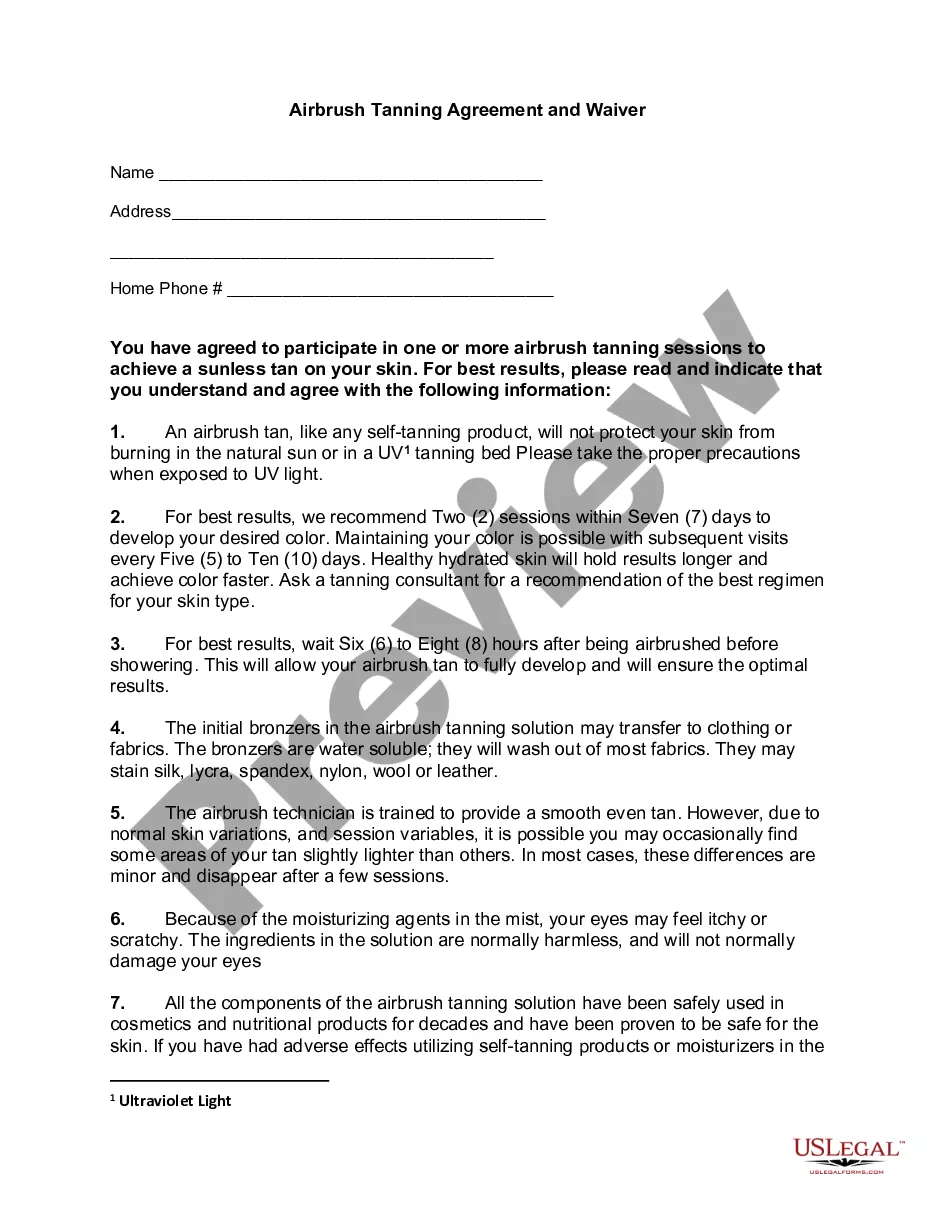
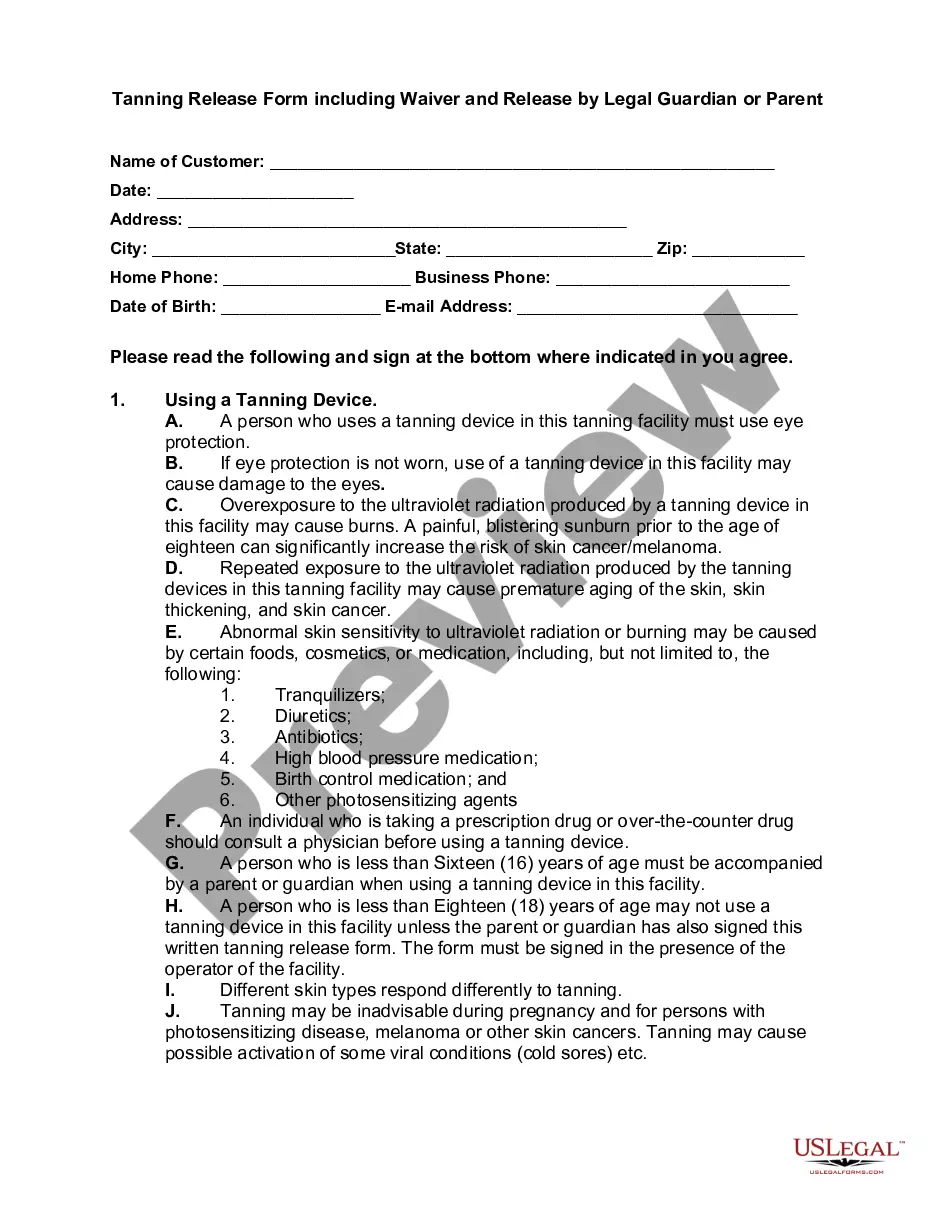
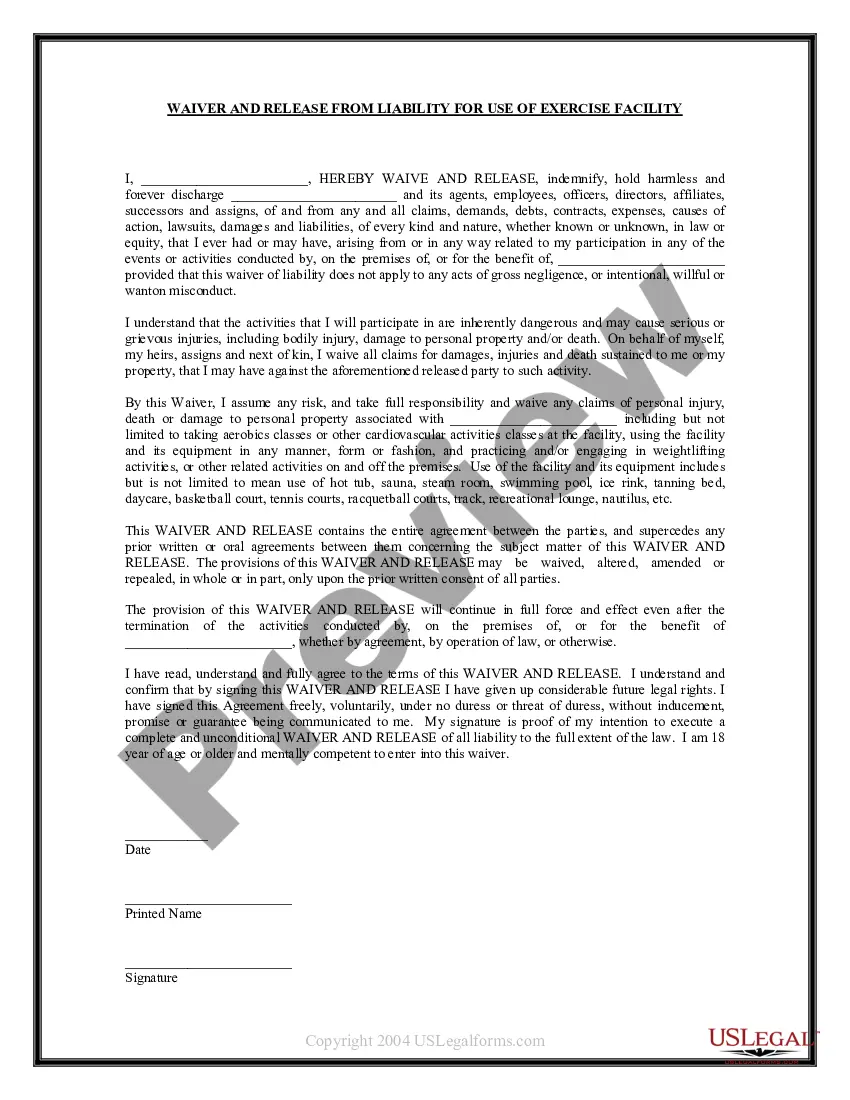
Get your form ready online
Our built-in tools help you complete, sign, share, and store your documents in one place.
Make edits, fill in missing information, and update formatting in US Legal Forms—just like you would in MS Word.
Download a copy, print it, send it by email, or mail it via USPS—whatever works best for your next step.
Sign and collect signatures with our SignNow integration. Send to multiple recipients, set reminders, and more. Go Premium to unlock E-Sign.
If this form requires notarization, complete it online through a secure video call—no need to meet a notary in person or wait for an appointment.
We protect your documents and personal data by following strict security and privacy standards.

Make edits, fill in missing information, and update formatting in US Legal Forms—just like you would in MS Word.

Download a copy, print it, send it by email, or mail it via USPS—whatever works best for your next step.

Sign and collect signatures with our SignNow integration. Send to multiple recipients, set reminders, and more. Go Premium to unlock E-Sign.

If this form requires notarization, complete it online through a secure video call—no need to meet a notary in person or wait for an appointment.

We protect your documents and personal data by following strict security and privacy standards.
Looking for another form?








Form popularity
FAQ
A lease agreement release form allows a landlord and tenant to mutually release each other from any obligations or liabilities related to the lease. A move-out date should be entered into the release and, once signed, the agreement is final, and both parties will be fully released from one another.
Are all waivers valid? A waiver needs to be clear in its meaning and understood by the person who is agreeing to the terms. If you're asked to read and sign a lengthy, complicated waiver 10 minutes before the start of an activity, then it may not hold up in court.
The Release of All Claims Form typically consists of specific details of the incident, including: Names and contact information of all parties involved. Description of the incident or dispute. Settlement amount, if applicable. Date and location of the event leading to the claim. Signatures of the Releasor and Releasee.
General Enforceability: Nevada courts generally uphold liability waivers if they are: Clear and unambiguous. Not against public policy. Signed voluntarily by an adult of sound mind.
A liability waiver form is a legal contract that educates one party about the risks associated with an activity. Once signed, it prevents the participant from opening a lawsuit against the company in the event of damage or loss, effectively shifting responsibility for injuries from the company to the customer.
Key Legal Concepts in Nevada Premises Liability Under Nevada law, property owners owe a duty of care to individuals who enter their property. Highest duty—must regularly inspect and maintain safe premises. Moderate duty—must warn guests of known hazards.
Nevada is a strict liability state, and as such, all a plaintiff must do is prove that they were injured by a product, and that it was a flaw in the product's design, manufacturing, or warning labels that led to the injuries.
Landlords must honor tenant protections in Nevada, refraining from illegal evictions and improper security deposit withholdings. Adherence to the specific Nevada eviction process is a legal responsibility for landlords.
Illegal Entry into the Rental Property Generally, these instances relate to scheduled inspections, maintenance, or emergency repairs. However, when a landlord attempts to do an excessive amount of inspections or does not provide the tenant with ample notice of intent to enter, tenants can claim landlord harassment.
Nevada law requires a thirty-day notice to the tenant (or a seven-day notice if the tenant pays rent weekly), followed by a second five-day Notice to Quit for Unlawful Detainer (after the first notice period has elapsed) instructing the tenant to leave because tenant's presence is now unlawful.