Personal Injury Release Form Template In Los Angeles
Description

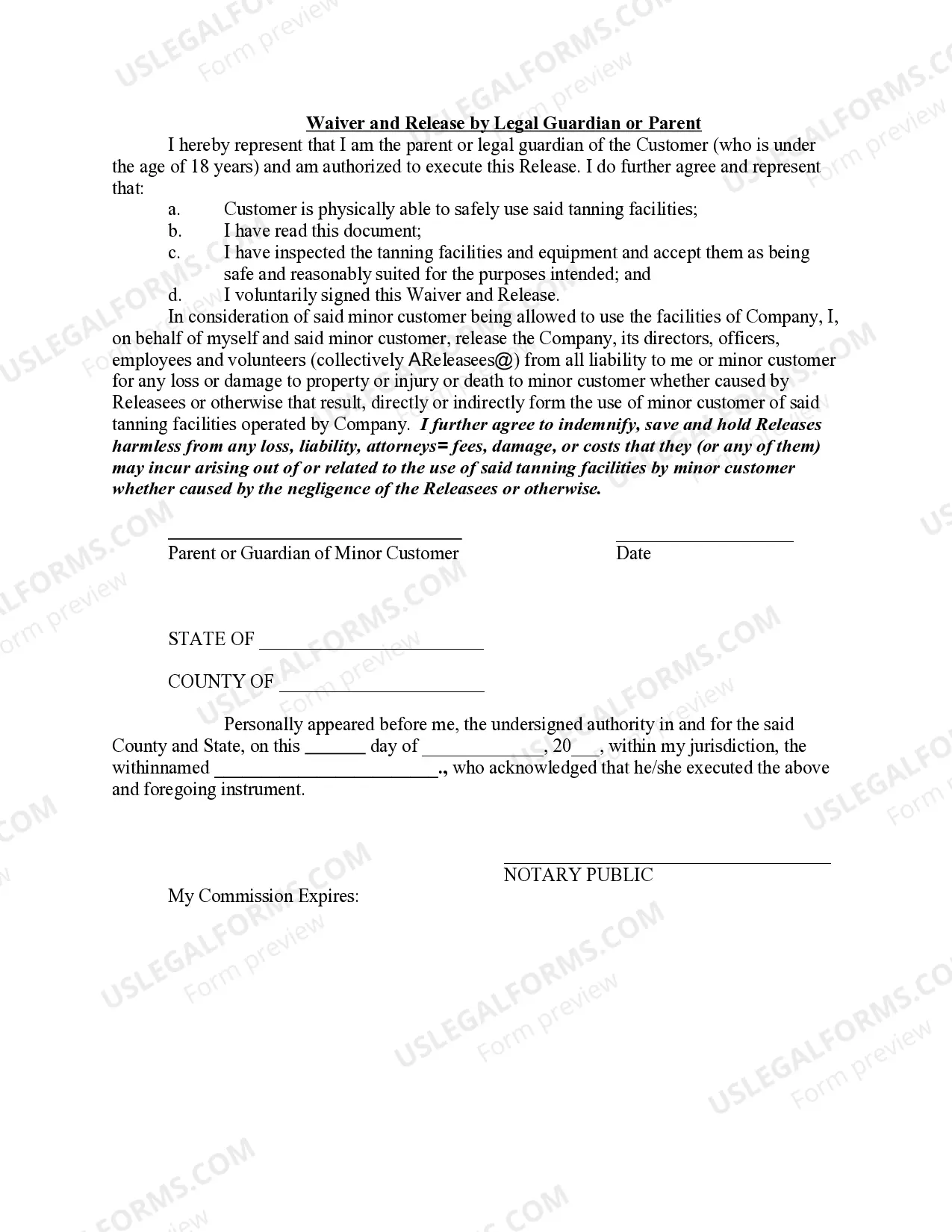
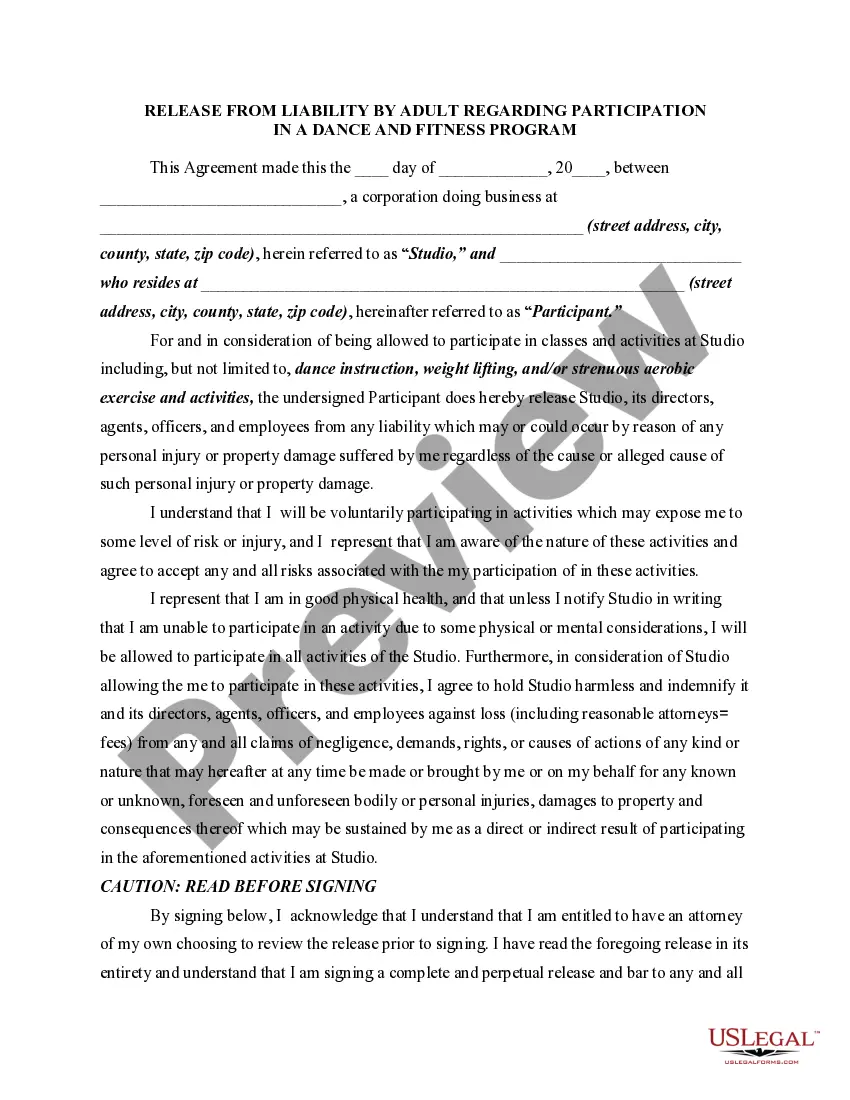
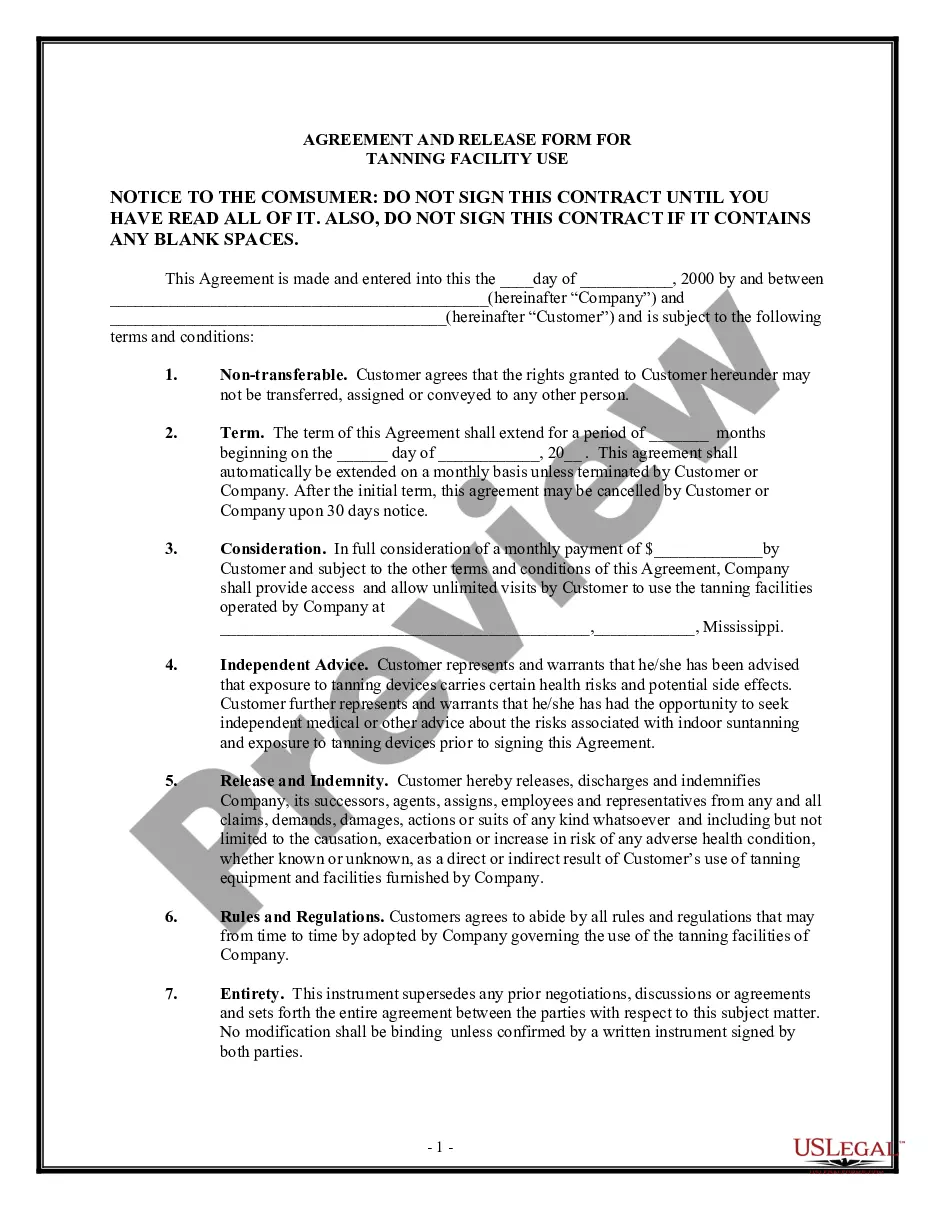
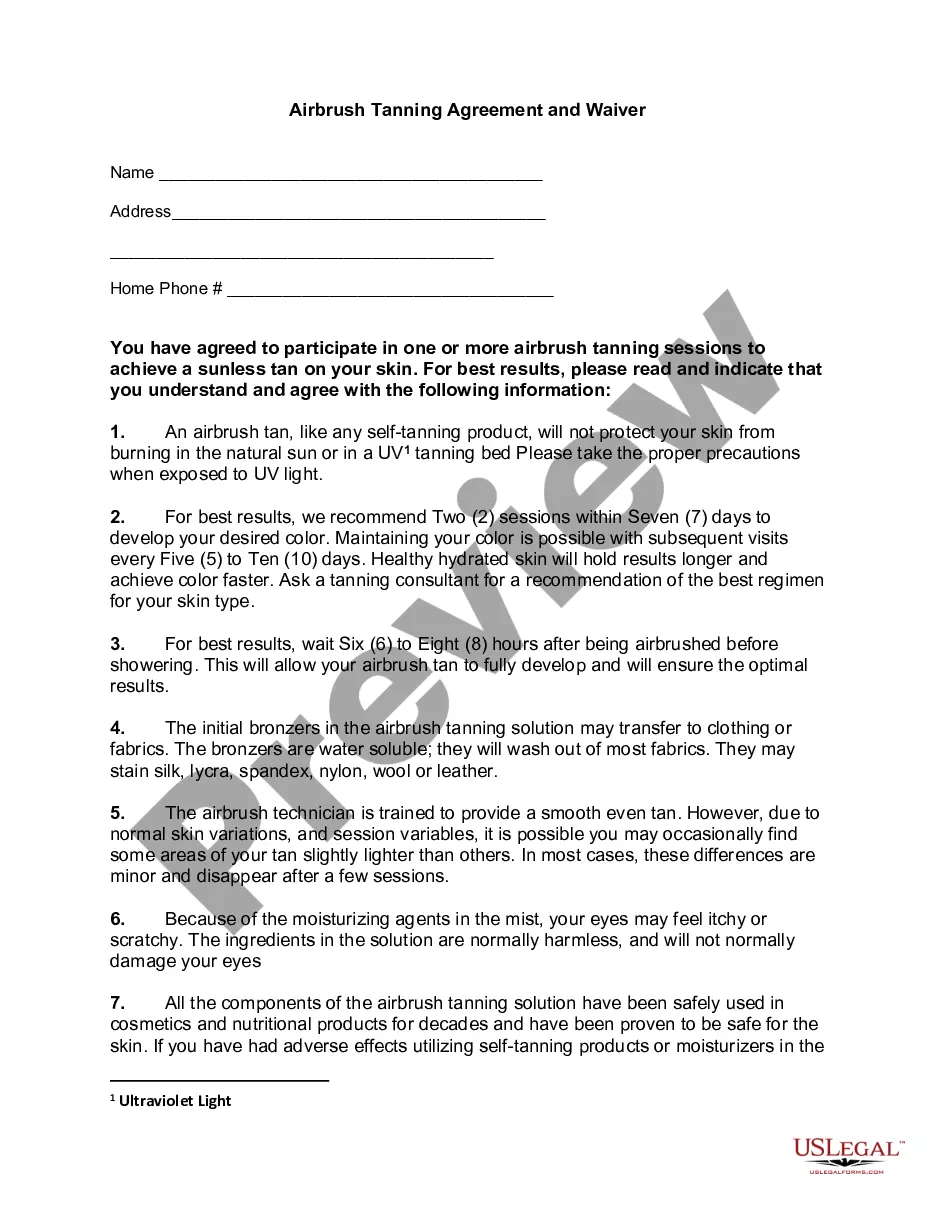
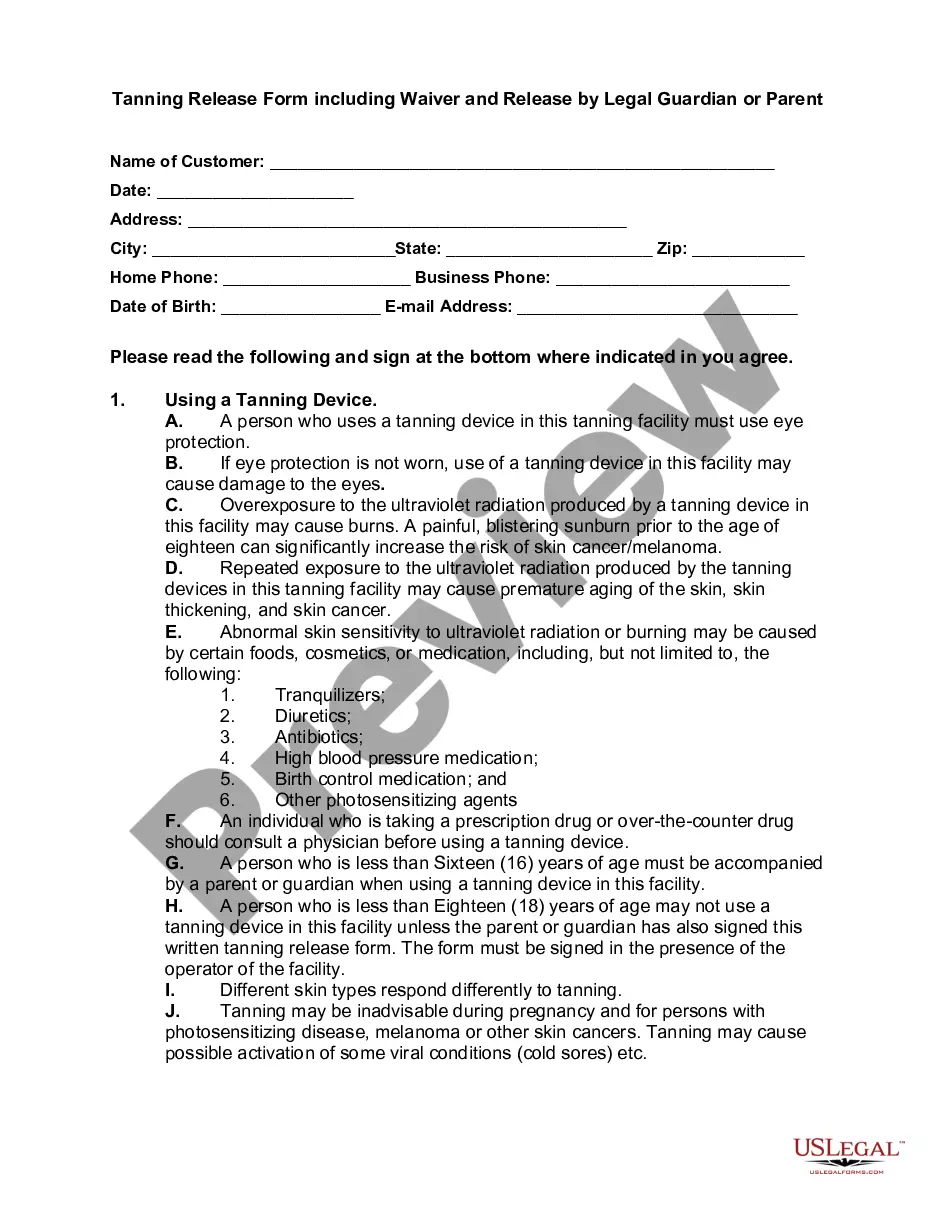
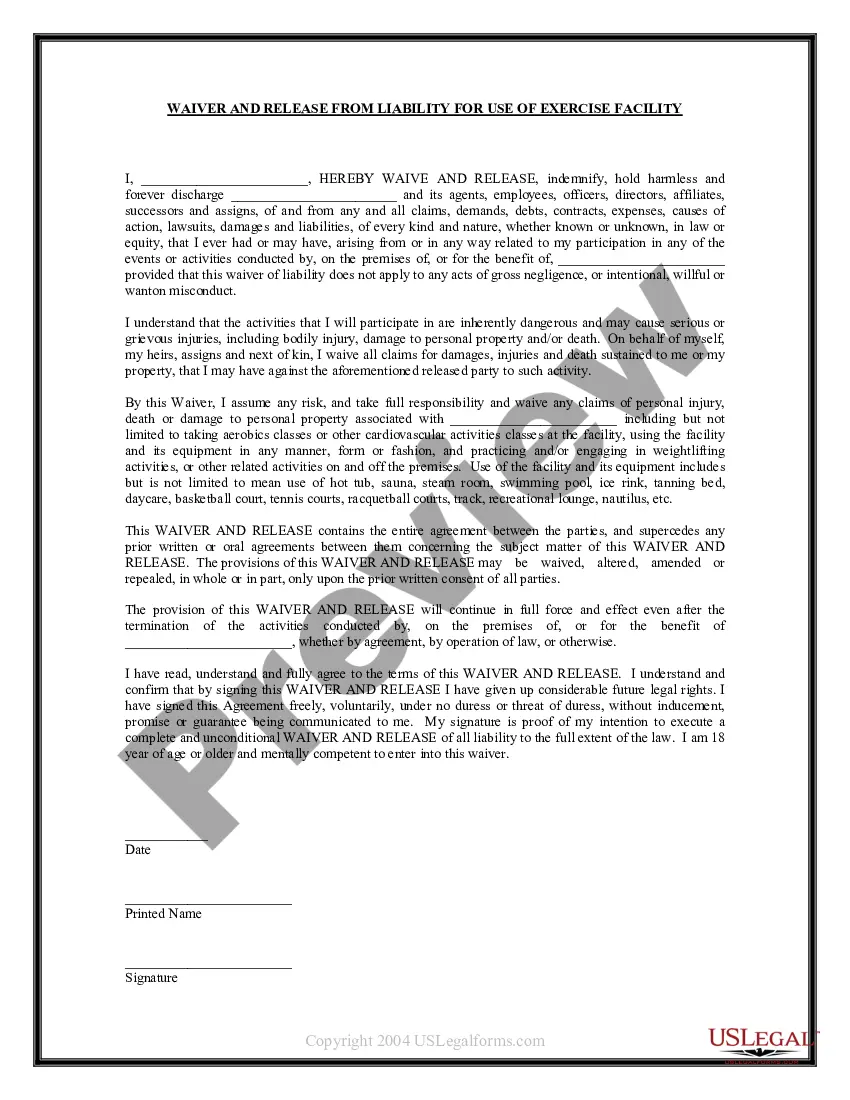
Get your form ready online
Our built-in tools help you complete, sign, share, and store your documents in one place.
Make edits, fill in missing information, and update formatting in US Legal Forms—just like you would in MS Word.
Download a copy, print it, send it by email, or mail it via USPS—whatever works best for your next step.
Sign and collect signatures with our SignNow integration. Send to multiple recipients, set reminders, and more. Go Premium to unlock E-Sign.
If this form requires notarization, complete it online through a secure video call—no need to meet a notary in person or wait for an appointment.
We protect your documents and personal data by following strict security and privacy standards.

Make edits, fill in missing information, and update formatting in US Legal Forms—just like you would in MS Word.

Download a copy, print it, send it by email, or mail it via USPS—whatever works best for your next step.

Sign and collect signatures with our SignNow integration. Send to multiple recipients, set reminders, and more. Go Premium to unlock E-Sign.

If this form requires notarization, complete it online through a secure video call—no need to meet a notary in person or wait for an appointment.

We protect your documents and personal data by following strict security and privacy standards.
Looking for another form?




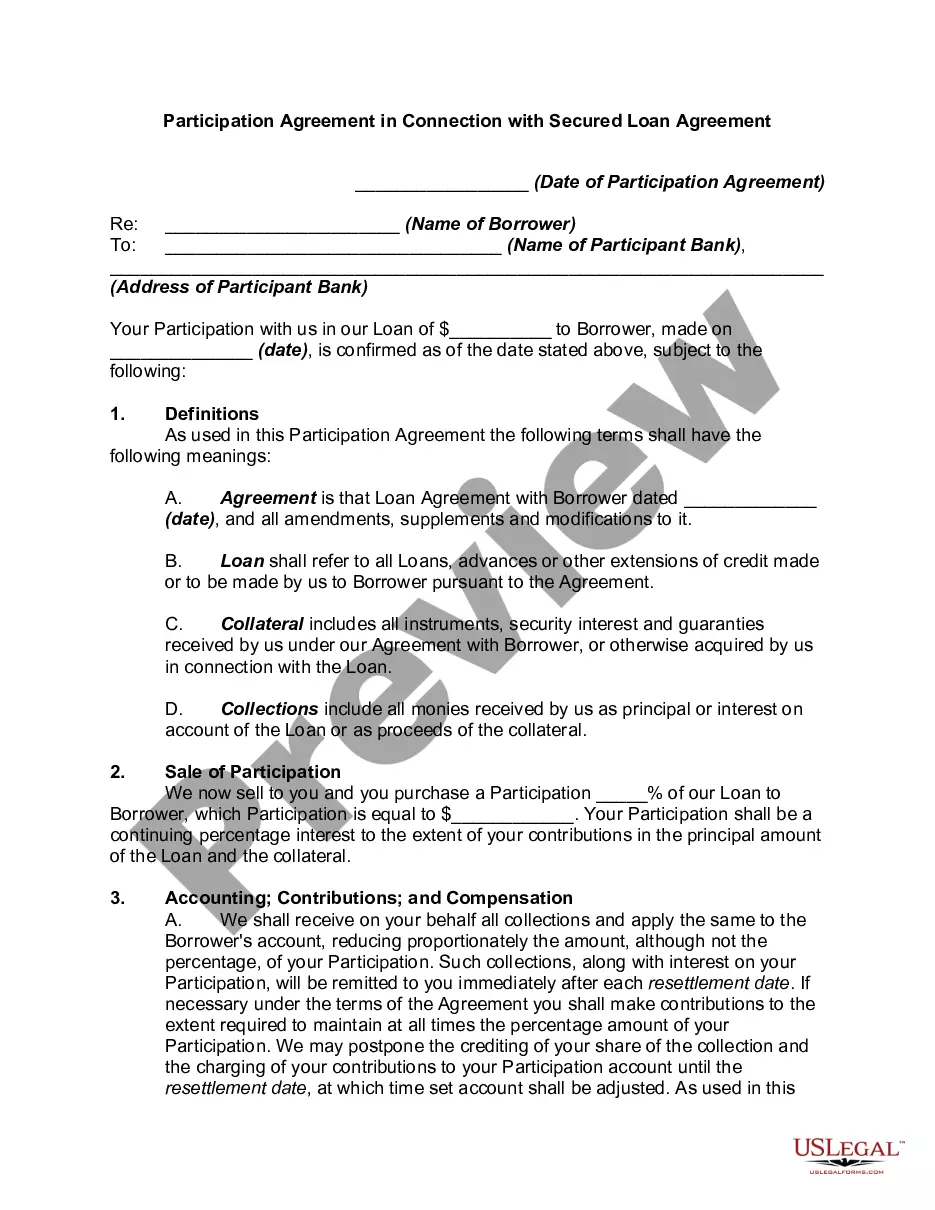


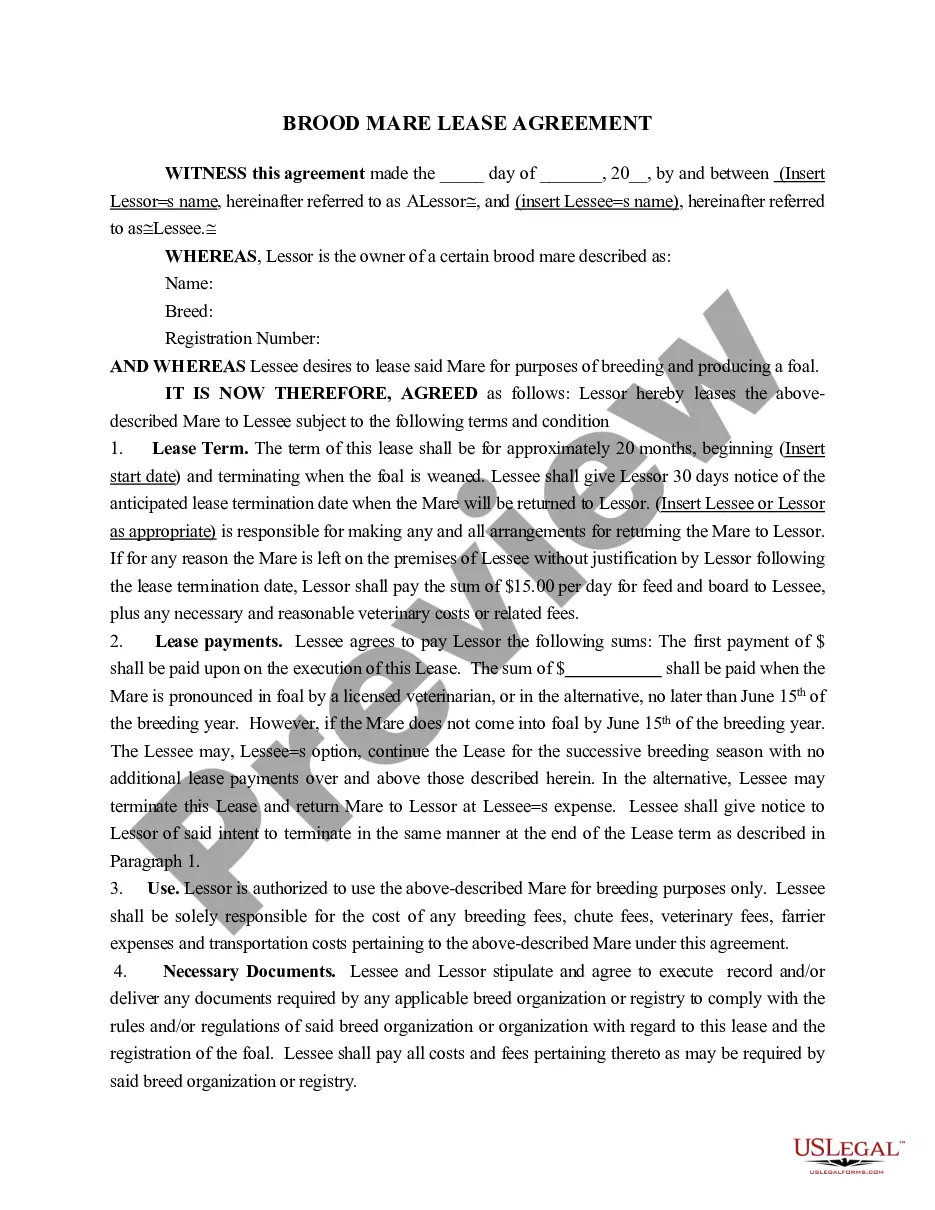

Form popularity
FAQ
Most states generally have two years to file a claim. Some states can have as long as six years and others as short as one. Always double-check, and when in doubt, contact a personal injury lawyer for further assistance.
An injury claim is handled in the California civil court system if it's not work-related and if the damages total more than $10,000. Step 1: Establish legal standing. Step 2: Hire a lawyer. Step 3: Determine the venue for your lawsuit. Step 4: File your claim within the statute of limitations. Step 5: File your complaint.
Time limits The most common claim in a personal injury case is negligence and the time limit for this is 3 years. This means that court proceedings must be issued within 3 years of you first being aware that you have suffered an injury.
It may be difficult to enforce waivers that do not mention all possible risks, use vague or unclear language, or violate local regulations. This is why working with a lawyer is so important when writing the waiver.
Claims can be filed with the Office of the Los Angeles City Clerk or by mail with City's Claim for Damages Form. Upon successful online submission of your claim, you will receive a confirmation email. If you have trouble filing a claim online, call the Office of the Los Angeles City Clerk at 213-978-1133.
In California, the statute of limitations on most personal injury cases is two years from the date of your injury. California Civil Procedure Code § 335.1 provides that a case for “… injury to, or death of, an individual caused by the wrongful act or neglect of another” must be filed within two years.
The general rule is that you have two years from the date on which you suffered your injury to issue proceedings.
In California, you have two years from the date of your injury to file a personal injury lawsuit. This two-year rule is called the statute of limitations, and it applies to most injury cases, whether from car accidents, slips and falls, or other incidents caused by negligence.
WaiverFile includes a feature to edit values on waiver forms that have been completed. You may wish to correct or change data that has been recorded for a number of reasons.
If you choose to proceed with your claim without an attorney, you will need to gather evidence, estimate your damages, file the claim, and negotiate with the insurance company for a settlement. You can review resources from the California Department of Insurance to help you start the process.
