Agreement Personal Injury Formula In King
Description

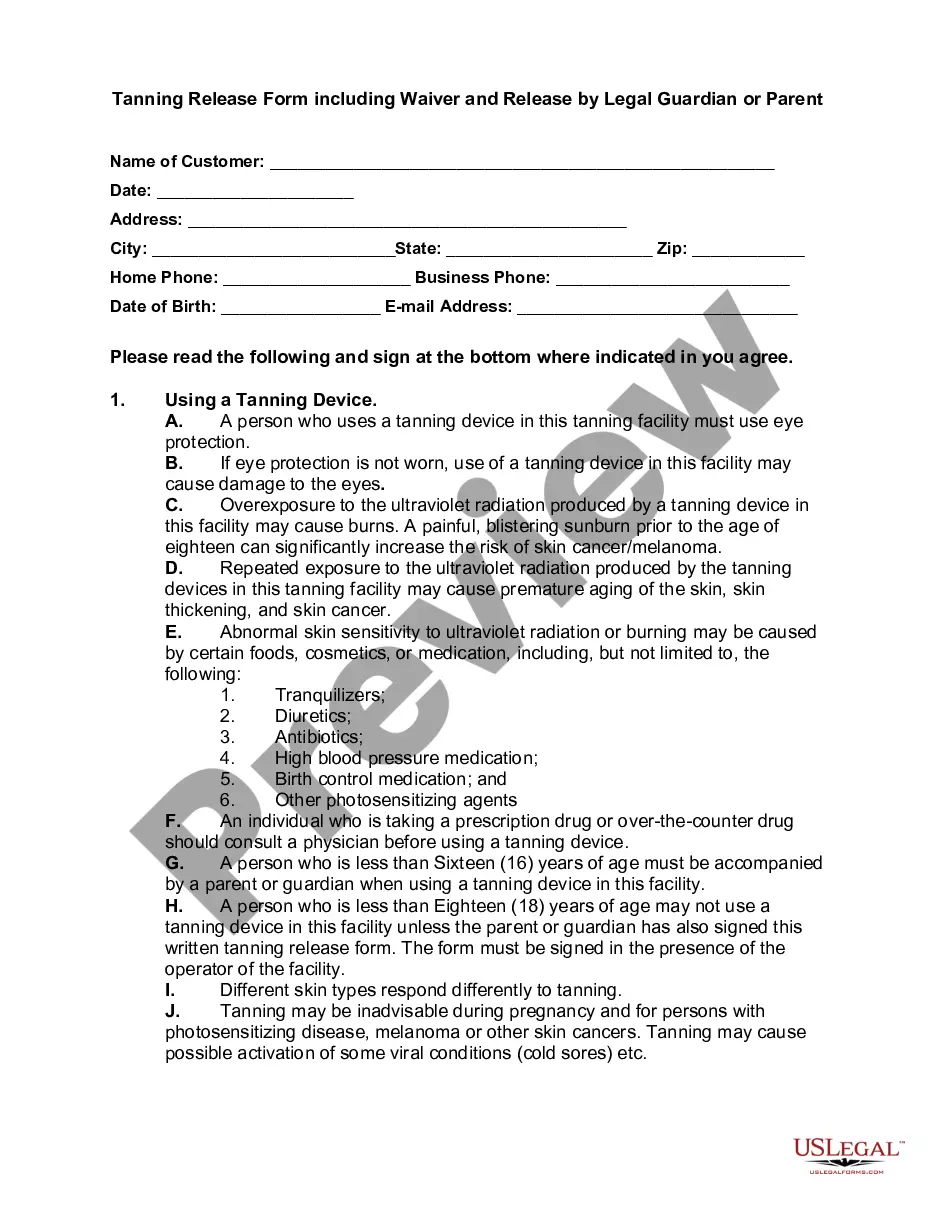
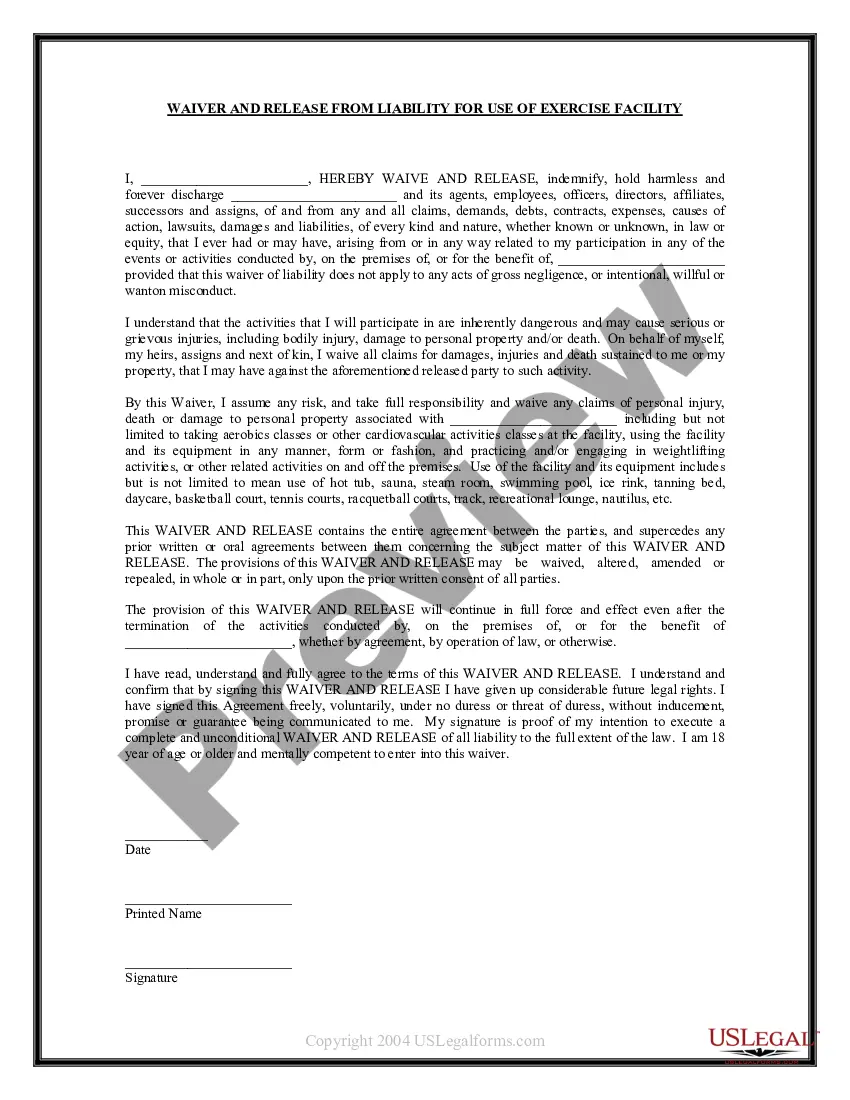
Get your form ready online
Our built-in tools help you complete, sign, share, and store your documents in one place.
Make edits, fill in missing information, and update formatting in US Legal Forms—just like you would in MS Word.
Download a copy, print it, send it by email, or mail it via USPS—whatever works best for your next step.
Sign and collect signatures with our SignNow integration. Send to multiple recipients, set reminders, and more. Go Premium to unlock E-Sign.
If this form requires notarization, complete it online through a secure video call—no need to meet a notary in person or wait for an appointment.
We protect your documents and personal data by following strict security and privacy standards.

Make edits, fill in missing information, and update formatting in US Legal Forms—just like you would in MS Word.

Download a copy, print it, send it by email, or mail it via USPS—whatever works best for your next step.

Sign and collect signatures with our SignNow integration. Send to multiple recipients, set reminders, and more. Go Premium to unlock E-Sign.

If this form requires notarization, complete it online through a secure video call—no need to meet a notary in person or wait for an appointment.

We protect your documents and personal data by following strict security and privacy standards.
Looking for another form?










Form popularity
FAQ
The multiplier method: Start with the amount of the plaintiff's economic damages and multiply them by a number between 1.5 and 5. The multiplier will depend on a variety of factors that a jury would consider in calculating pain and suffering.
A standard formula for calculating an injury settlement includes multiplying the amount of your pain and suffering by your medical expenses and lost income. For calculating pain and suffering, a typical multiplier ranges between 1.5 and 5 and includes emotional distress and inconvenience.
The extent of the physical and psychological injuries sustained is the primary determinant of compensation amounts. More severe injuries generally lead to higher compensation because they typically require more extensive medical treatment, and a longer recovery period, and result in greater pain and suffering.
If you want to take legal action to claim compensation for a personal injury, you will need to get advice from a solicitor specialising in these types of cases. This must be done as soon as possible as there are strict time limits on taking legal action.
The amount of compensation in a personal injury claim is determined by considering several factors including the severity of the injury, the impact on your life and work, medical expenses incurred, future care needs, and loss of earnings. Each claim is unique and the amount of compensation will vary ingly.
A: The average settlement amount for personal injury in California varies widely based on the case's specifics. This can include the severity of injuries, medical expenses, and the percentage you are deemed at fault. Settlements can range from a few thousand dollars to several million, depending on these factors.
General expectation damages = the value of performance without the breach (what was promised) minus the value of performance with the breach (what was received)
Past loss of earnings is typically calculated by obtaining wage slips pre-dating (often for a period of at least three months or 13 weeks) and post-dating the accident, calculating the average net monthly wage prior to the accident and deducting the net monthly wage following the accident to provide a net loss.
Compensatory damages are calculated by summing up all actual and estimated expenses related to the harm suffered. This includes medical bills, repair costs, lost wages, and other verifiable costs.
The standard approach to calculating future loss of earnings involves establishing the net annual loss ('the Multiplicand') and multiplying it by a factor effectively representing a number of years until retirement ('the Multiplier') to provide a lump sum award covering the loss of earnings over the Claimant's working ...
