Personal Injury Release With Insurance In Fulton
Description

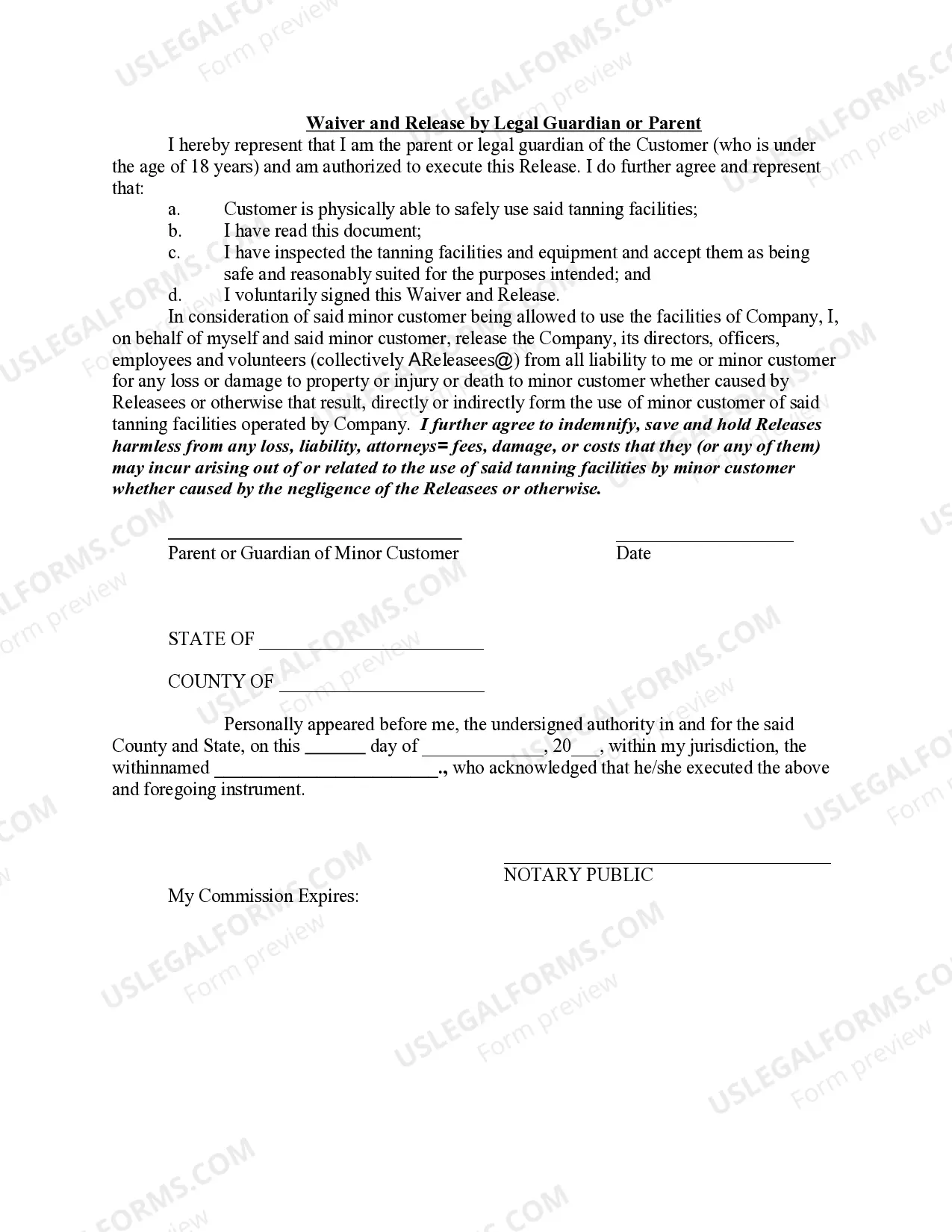
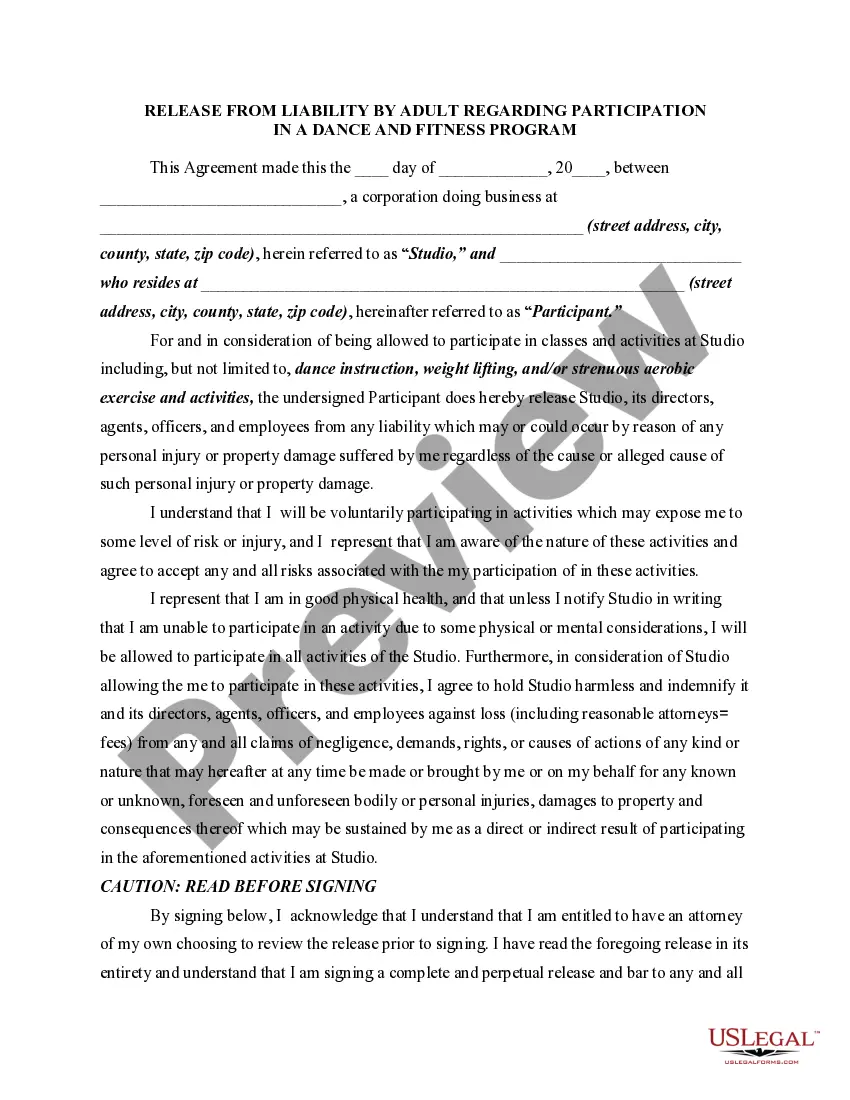
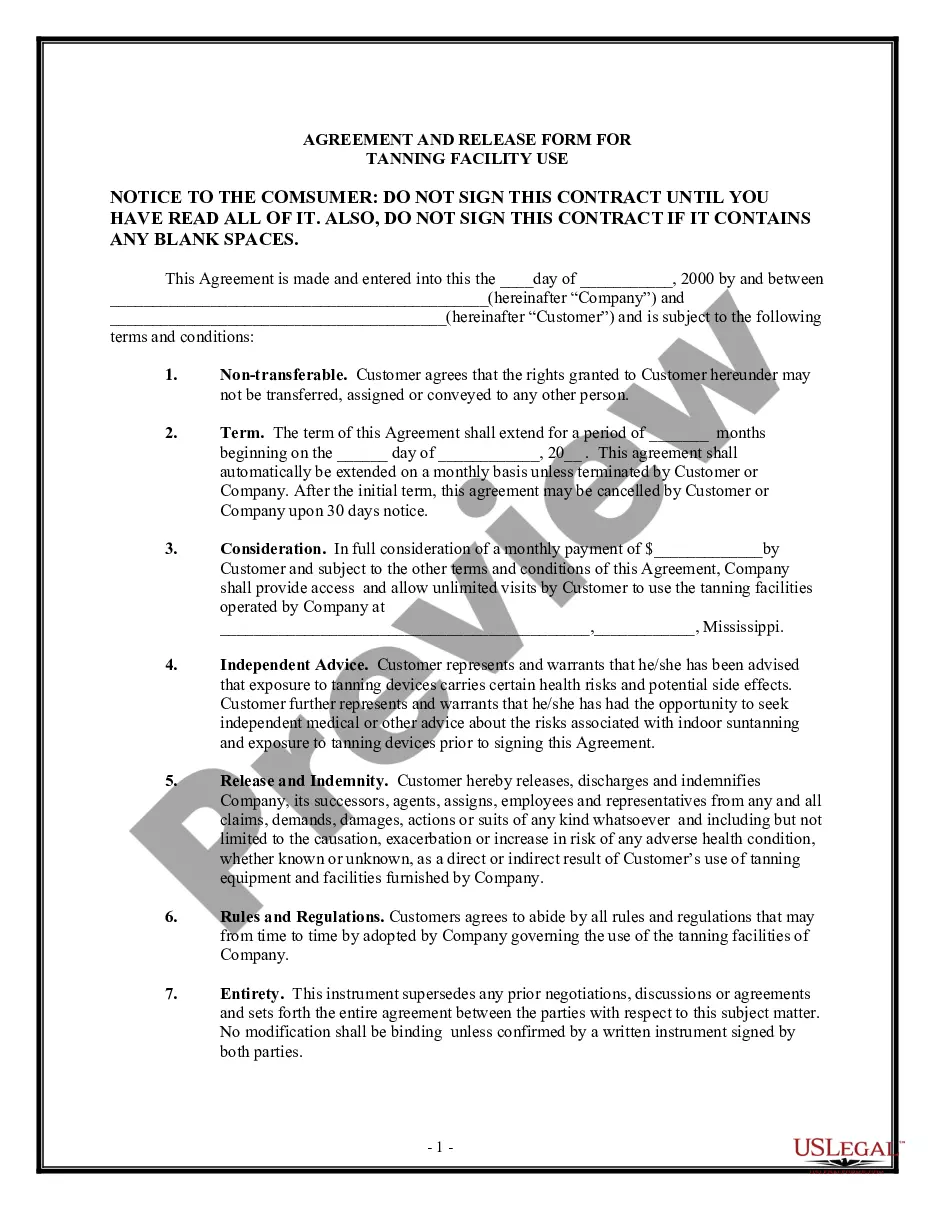
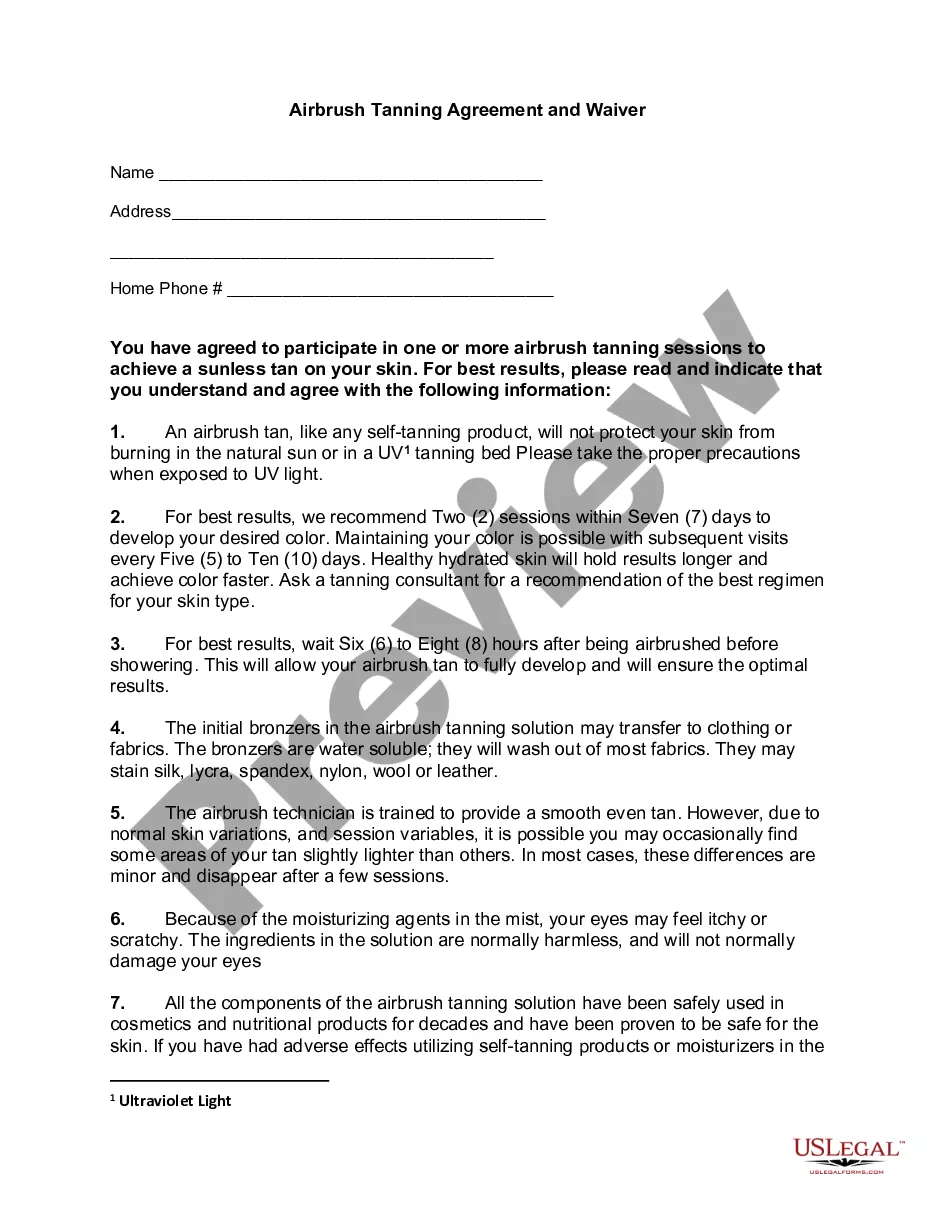
Get your form ready online
Our built-in tools help you complete, sign, share, and store your documents in one place.
Make edits, fill in missing information, and update formatting in US Legal Forms—just like you would in MS Word.
Download a copy, print it, send it by email, or mail it via USPS—whatever works best for your next step.
Sign and collect signatures with our SignNow integration. Send to multiple recipients, set reminders, and more. Go Premium to unlock E-Sign.
If this form requires notarization, complete it online through a secure video call—no need to meet a notary in person or wait for an appointment.
We protect your documents and personal data by following strict security and privacy standards.

Make edits, fill in missing information, and update formatting in US Legal Forms—just like you would in MS Word.

Download a copy, print it, send it by email, or mail it via USPS—whatever works best for your next step.

Sign and collect signatures with our SignNow integration. Send to multiple recipients, set reminders, and more. Go Premium to unlock E-Sign.

If this form requires notarization, complete it online through a secure video call—no need to meet a notary in person or wait for an appointment.

We protect your documents and personal data by following strict security and privacy standards.
Looking for another form?


Form popularity
FAQ
In general, if you can get close to judgment value of the case in settlement, then it should be considered a very good settlement.
Delaying medical treatment or failing to follow up with medical care can be used against you by an insurance company to deny your personal injury claim. Insurance companies may argue that your injuries were not serious enough to warrant medical attention or that they were caused by something other than the accident.
On average, personal injury settlements range between $10,000 and over $75,000. A settlement is a financial agreement reached between the injured party and the party at fault or their insurance company to compensate for damages caused by an accident or negligence.
An injury release form is a statement that says that the claim is resolved and that the insurance company or the at-fault party has no further obligation to you. In short, an injury release form releases the other party from paying any more compensation or accepting further claims relating to your injury.
Ing to data collected by the DOJ, for the small percentage of personal injury cases that go to trial: Plaintiffs involved in motor vehicle accidents are successful at trial 61% of the time. Plaintiffs injured on someone else's property are successful at trial 39% of the time.
The amount of compensation that can be claimed for general damages depends on the type of injury and suffering experienced, and the severity of it, as well as how long quality of life is affected. Therefore, there isn't a 'one sum suits all' approach to general damages; every single claim is different.
Pain And Suffering Settlement Examples InjurySeverityCompensation Bracket Multiple Serious Injuries Plus Special Damages Serious Up to £500,000+ Back Injury Severe (i) £344,150 to £493,000 Brain and Head Injury Moderate (i) £183,190 to £267,340 Leg Injury Amputations (iv) £119,570 to £162,2905 more rows •
It entails totaling your economic damages and multiplying them by a variable. Typically ranging from 1.5 to 5, higher variables are assigned to more severe cases. For instance, if you incurred $100,000 in economic damages and a 1.5 variable is applied, your pain and suffering damages would amount to $150,000.
If you want to take legal action to claim compensation for a personal injury, you will need to get advice from a solicitor specialising in these types of cases. This must be done as soon as possible as there are strict time limits on taking legal action.