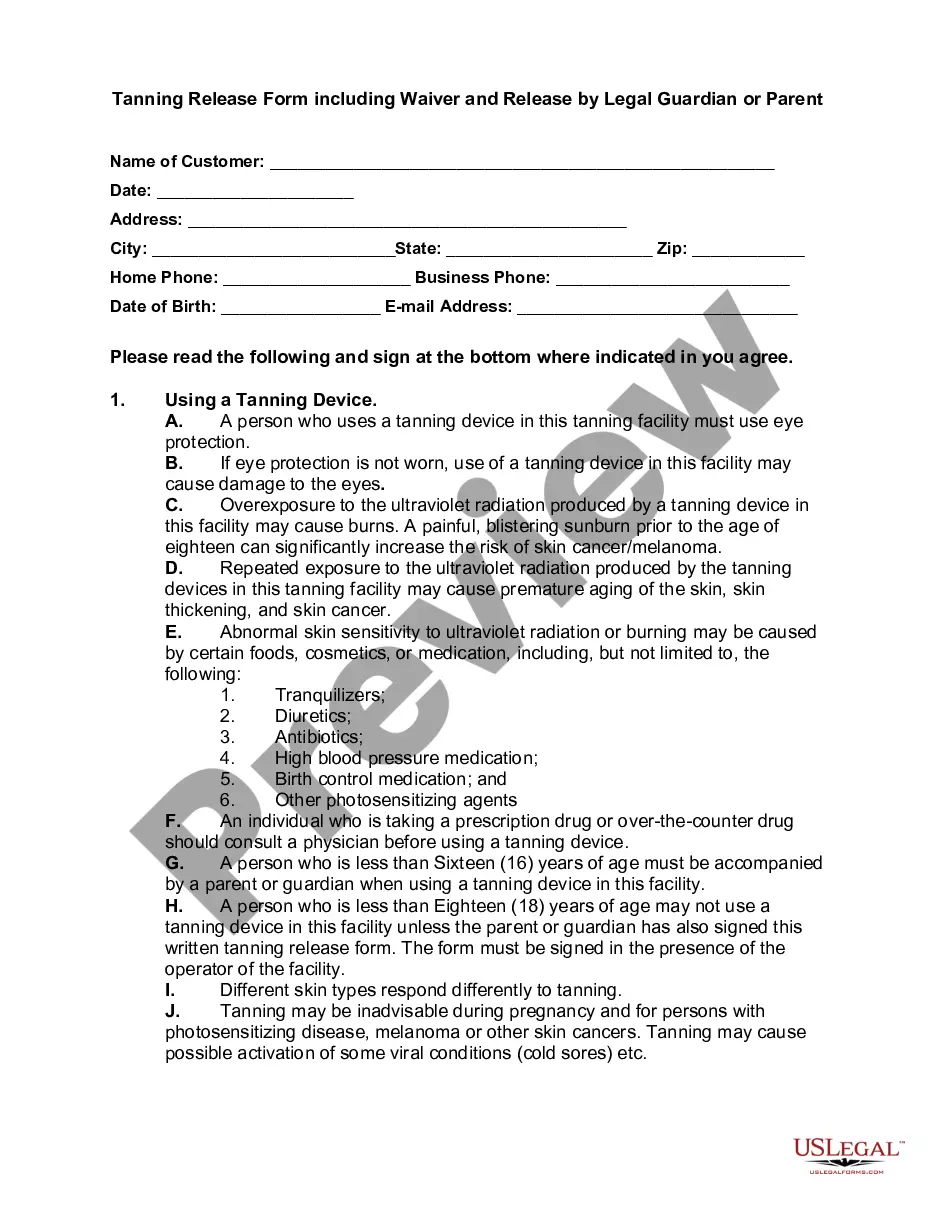
Bodily Injury Release Form Florida In Fulton
Description

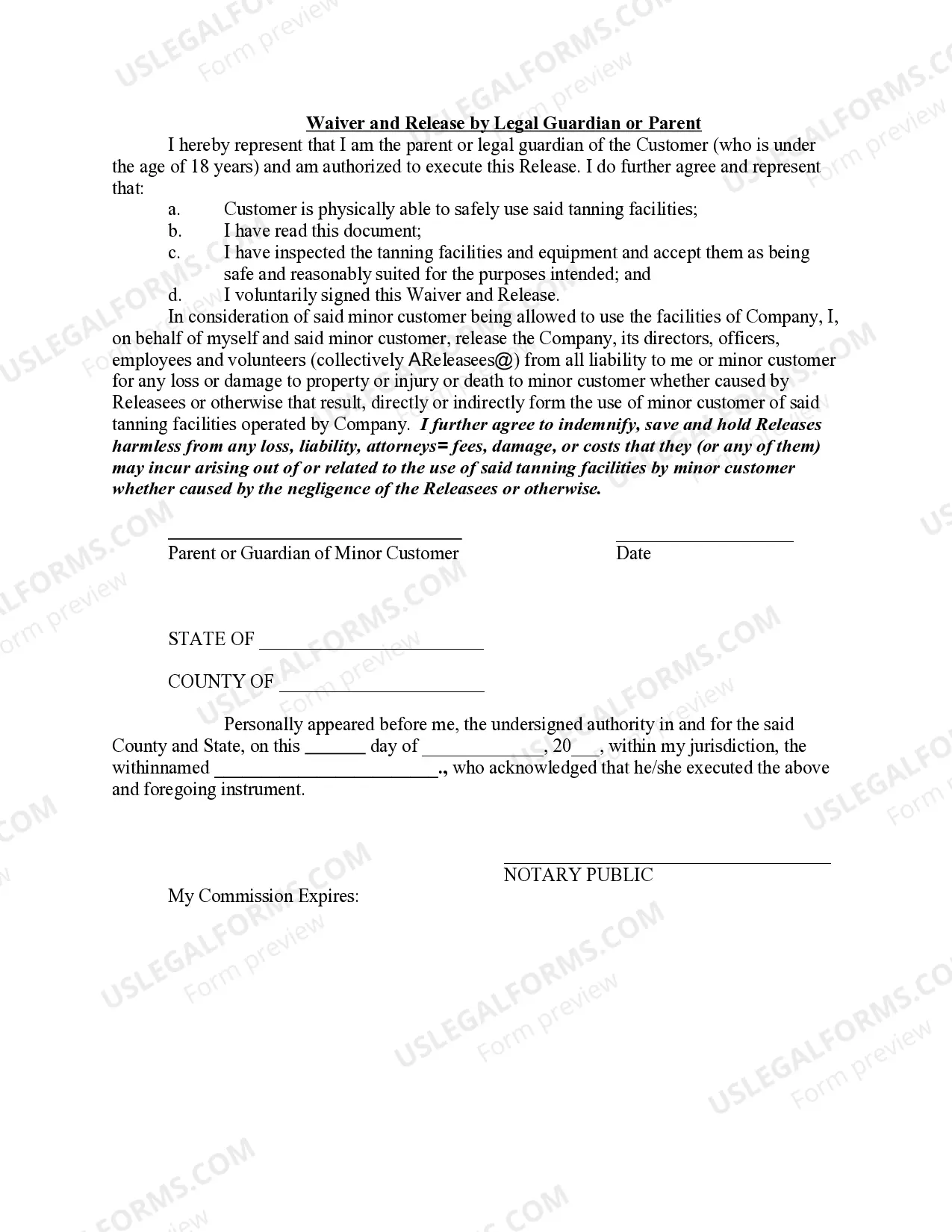
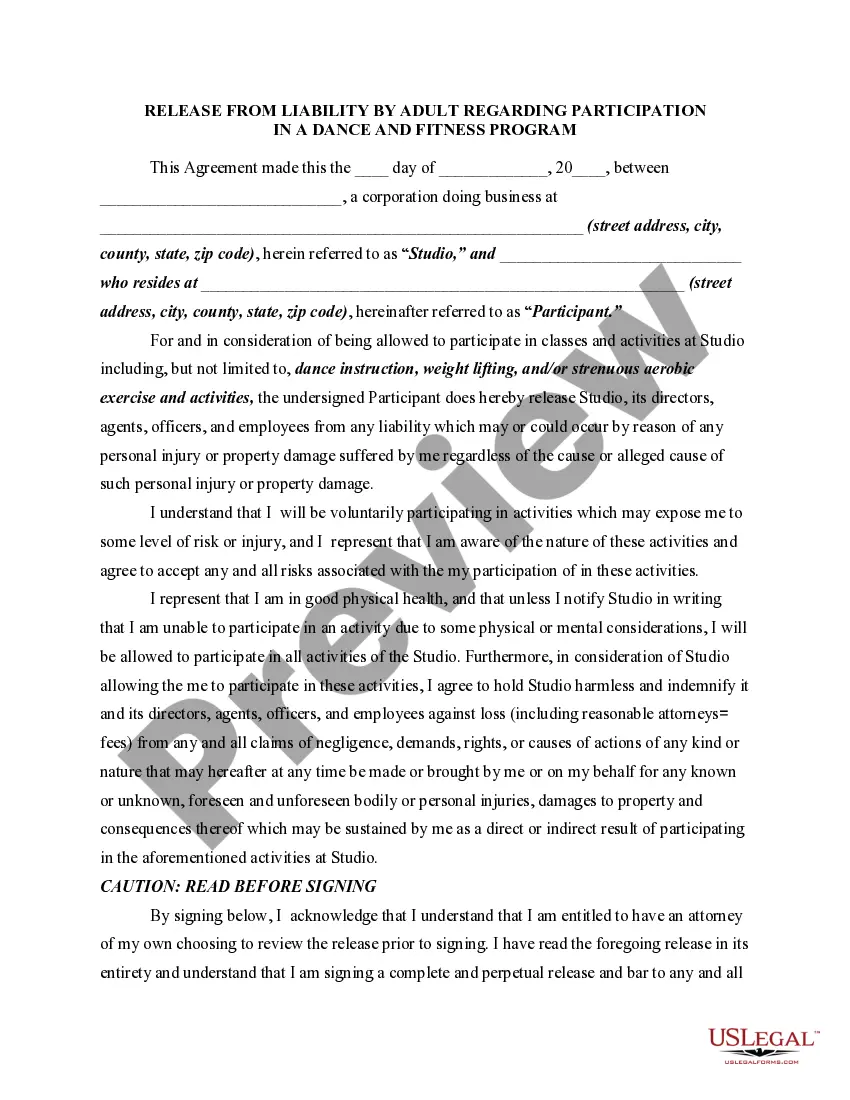
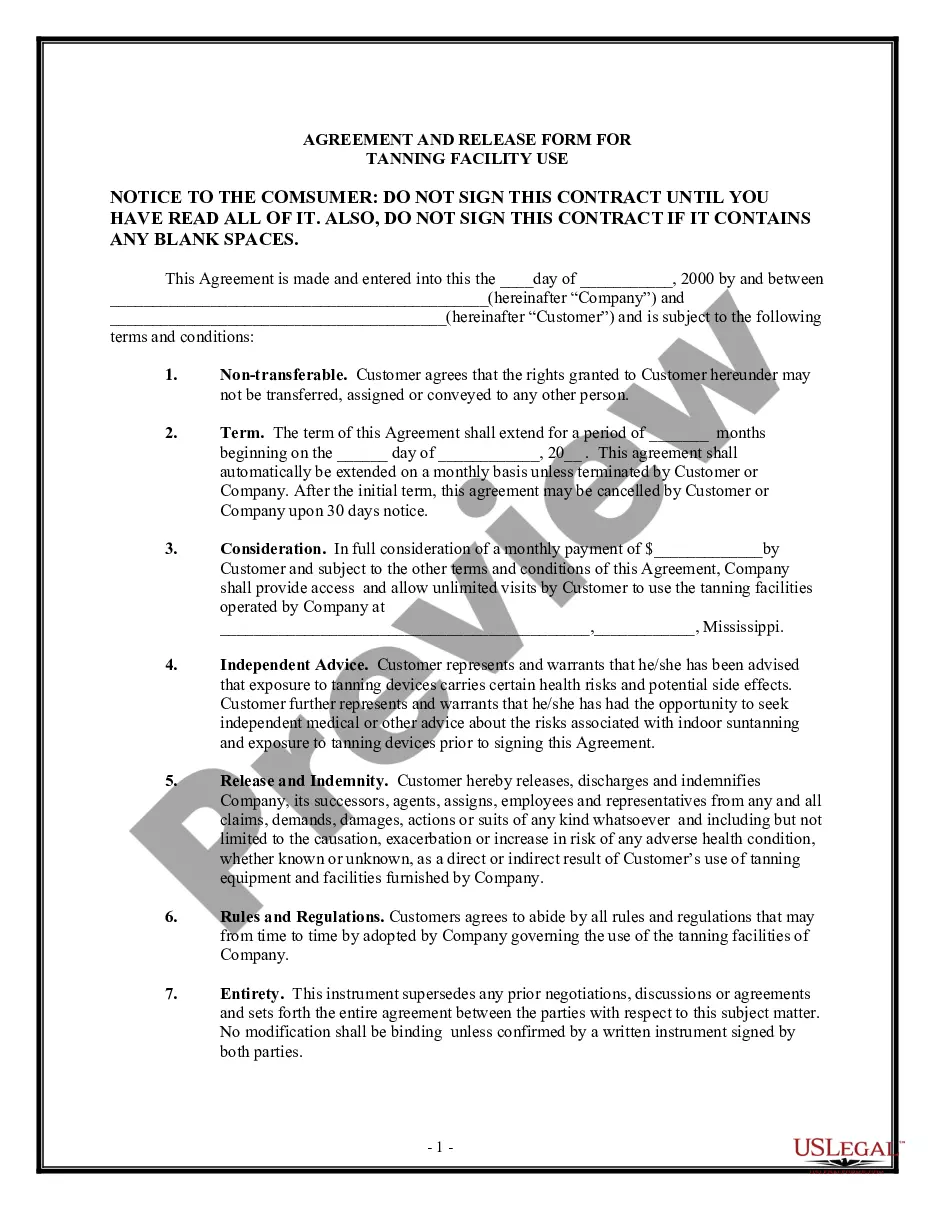
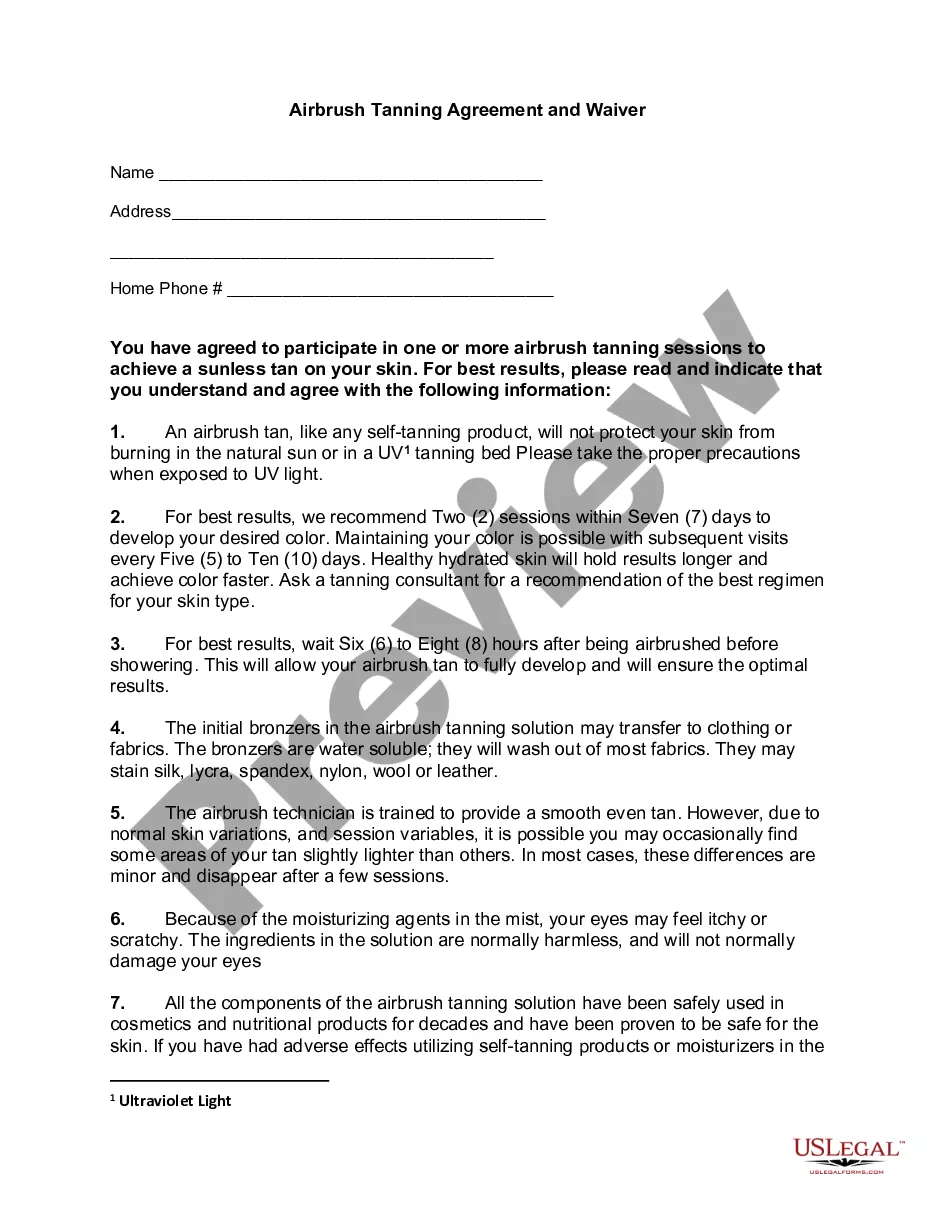
Get your form ready online
Our built-in tools help you complete, sign, share, and store your documents in one place.
Make edits, fill in missing information, and update formatting in US Legal Forms—just like you would in MS Word.
Download a copy, print it, send it by email, or mail it via USPS—whatever works best for your next step.
Sign and collect signatures with our SignNow integration. Send to multiple recipients, set reminders, and more. Go Premium to unlock E-Sign.
If this form requires notarization, complete it online through a secure video call—no need to meet a notary in person or wait for an appointment.
We protect your documents and personal data by following strict security and privacy standards.

Make edits, fill in missing information, and update formatting in US Legal Forms—just like you would in MS Word.

Download a copy, print it, send it by email, or mail it via USPS—whatever works best for your next step.

Sign and collect signatures with our SignNow integration. Send to multiple recipients, set reminders, and more. Go Premium to unlock E-Sign.

If this form requires notarization, complete it online through a secure video call—no need to meet a notary in person or wait for an appointment.

We protect your documents and personal data by following strict security and privacy standards.
Looking for another form?









Form popularity
FAQ
The most commonly required liability limits are $25,000/$50,000/$25,000, which mean: $25,000 in bodily injury per person. $50,000 in total bodily injury per accident. $25,000 for property damage per accident.
(a) “Serious bodily injury” means an injury to a person, including the driver, which consists of a physical condition that creates a substantial risk of death, serious personal disfigurement, or protracted loss or impairment of the function of a bodily member or organ.
(4) the term “bodily injury” means— (A) a cut, abrasion, bruise, burn, or disfigurement; (B) physical pain; (C) illness; (D) impairment of the function of a bodily member, organ, or mental faculty; or (E) any other injury to the body, no matter how temporary.
A bodily injury is a physical injury to a person. broken bones, nerve damage, pain, brain damage, and.
Unexpected or undesigned cause of an accidental bodily injury. Under a definition of accidental means, the mishap itself must be accidental, not just the resulting injury. An example would be an individual chopping wood: If the axe slipped out of his hand and cut his foot, it would have been accidental means.
As mentioned earlier, bodily injury claims in Florida are based on the state's “no-fault” insurance system. This means that, regardless of who is at fault for an accident, each driver's own insurance company pays for their personal injury expenses up to a certain limit.
What is the release of all claims in Florida? In Florida, a release of all claims is a legally binding agreement that an individual signs to waive their right to pursue any future claims against another party regarding a specific incident or set of circumstances.
While they may sound very similar and are sometimes used interchangeably, there is a difference between the terms “bodily injury” and “personal injury.” They both refer to harm suffered by an individual, but bodily injury refers only to physical injuries, whereas personal injury includes a range of damages that may go ...
Effective Date: July 1, 2024 with some provisions effective on , the day Governor DeSantis signed the bill. Allows surplus lines insurance companies that meet certain financial requirements to take out policies from Citizens for dwellings that are not primary residences or homestead properties.
