Personal Injury Release With Renters Insurance In Fairfax
Description

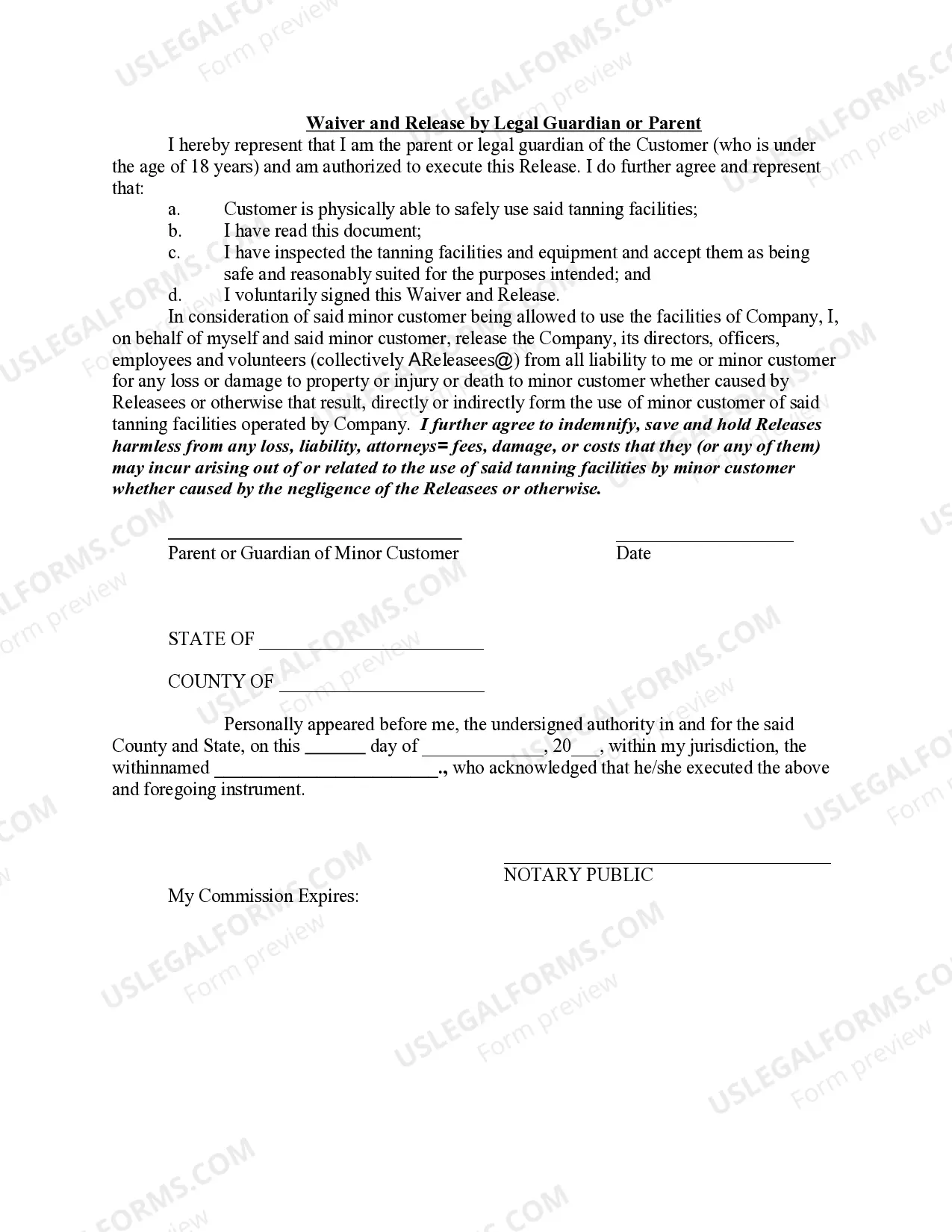
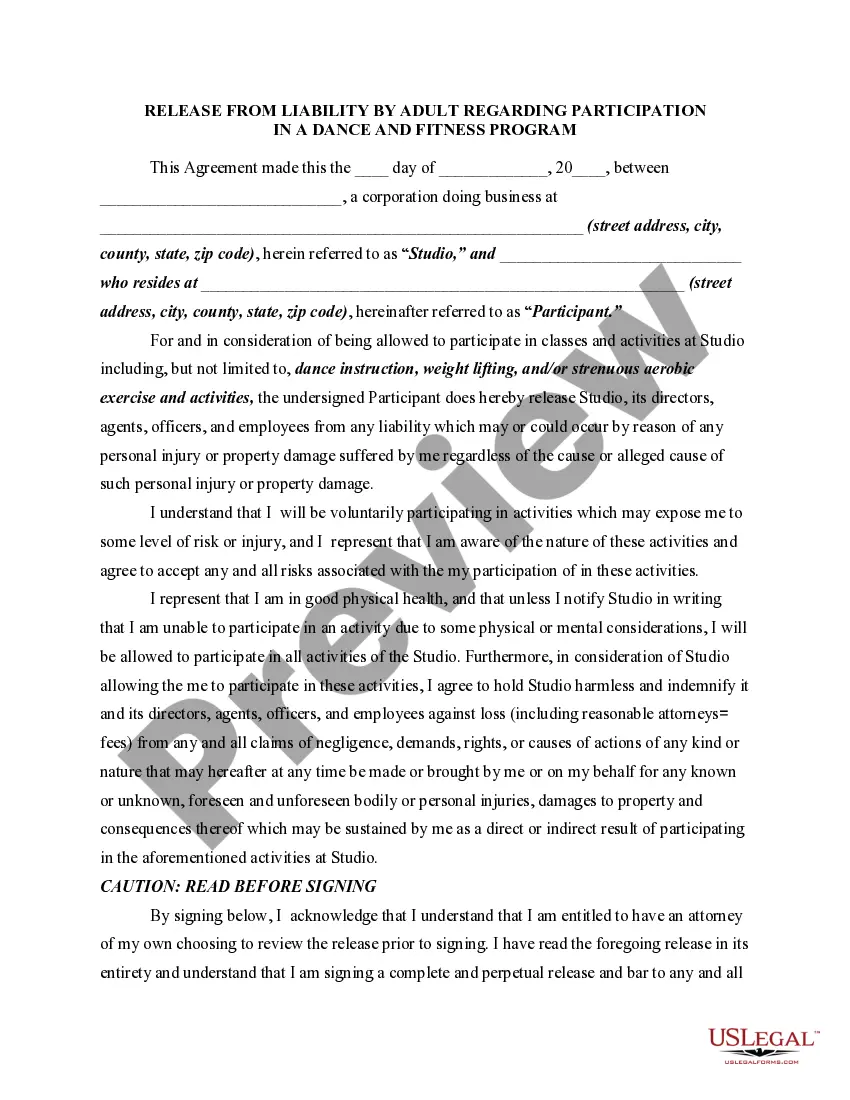
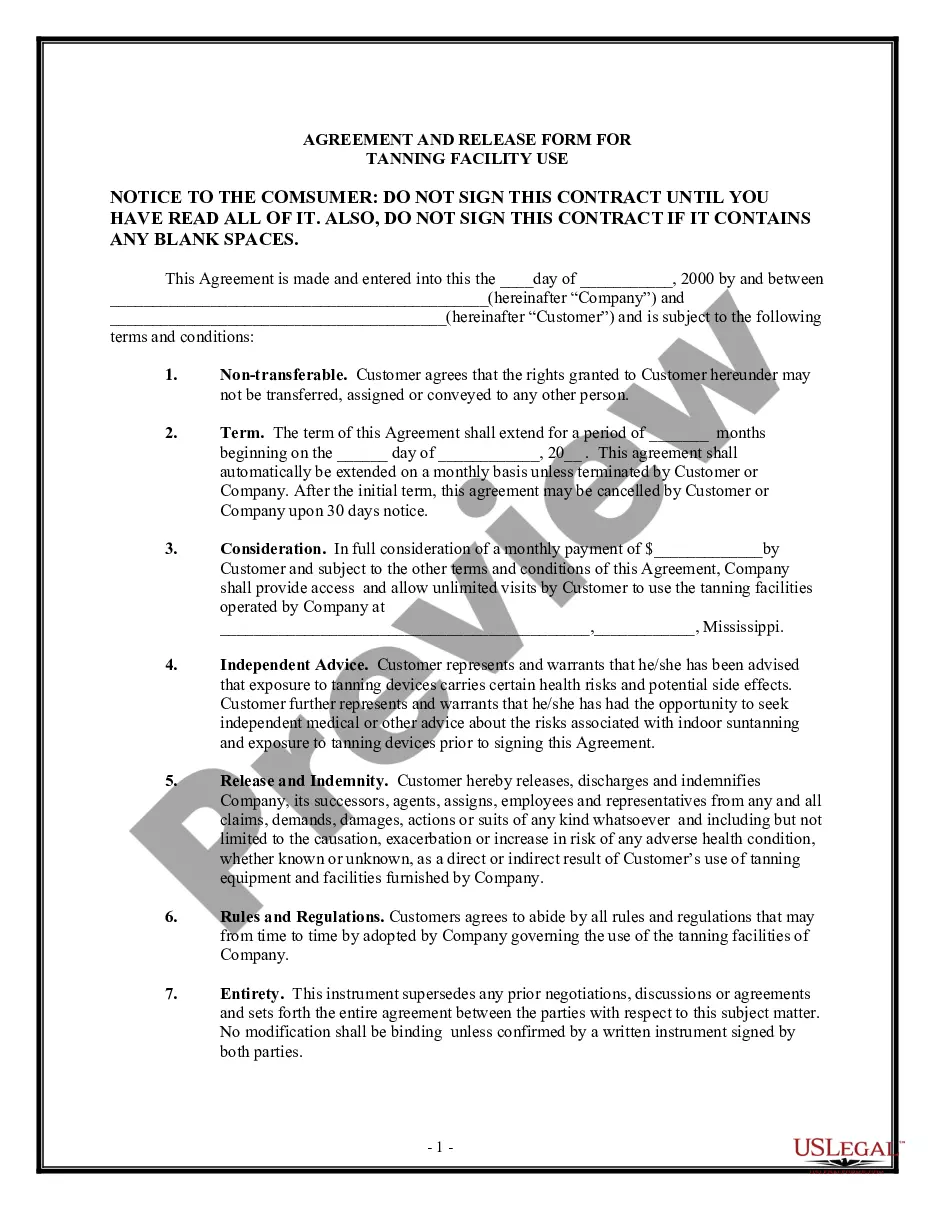
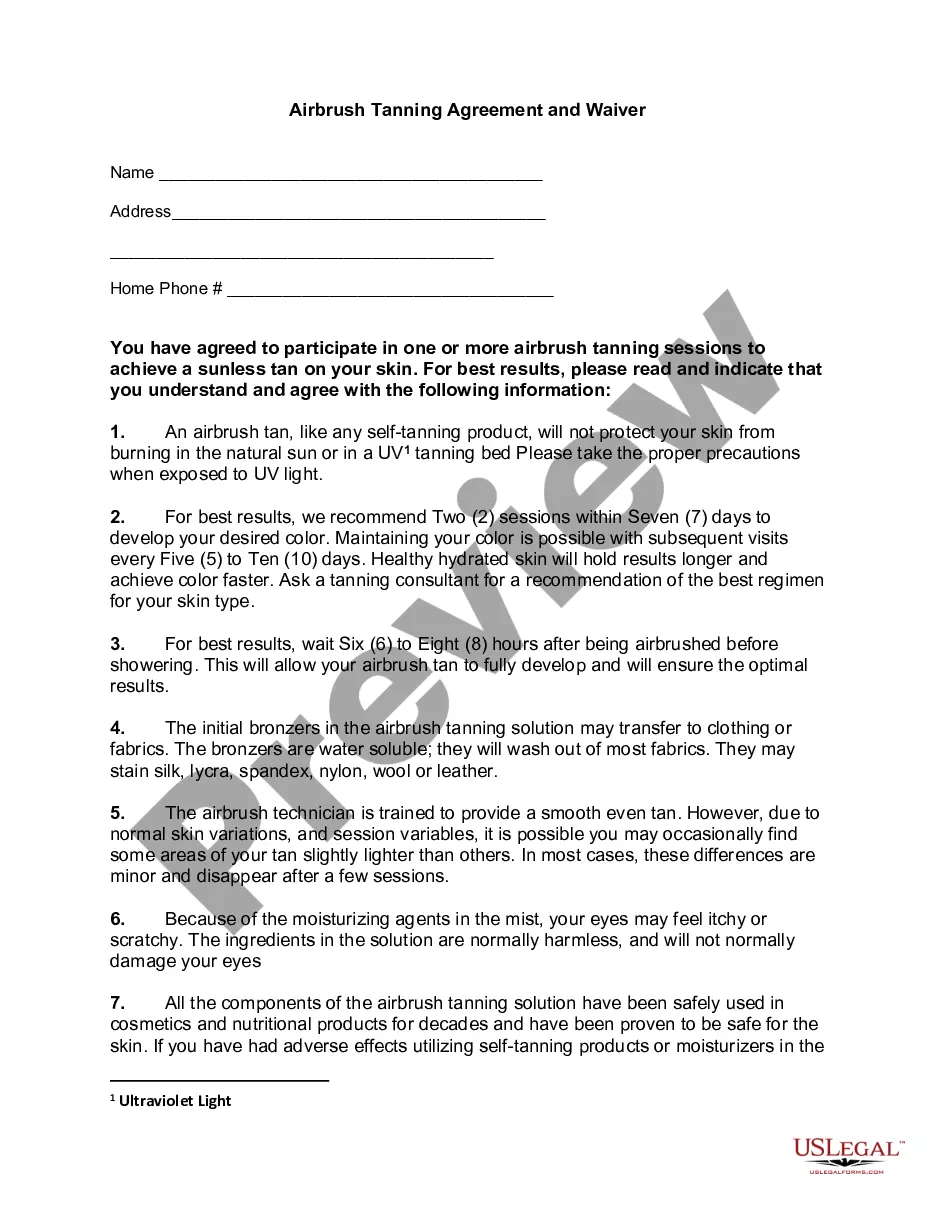
Get your form ready online
Our built-in tools help you complete, sign, share, and store your documents in one place.
Make edits, fill in missing information, and update formatting in US Legal Forms—just like you would in MS Word.
Download a copy, print it, send it by email, or mail it via USPS—whatever works best for your next step.
Sign and collect signatures with our SignNow integration. Send to multiple recipients, set reminders, and more. Go Premium to unlock E-Sign.
If this form requires notarization, complete it online through a secure video call—no need to meet a notary in person or wait for an appointment.
We protect your documents and personal data by following strict security and privacy standards.

Make edits, fill in missing information, and update formatting in US Legal Forms—just like you would in MS Word.

Download a copy, print it, send it by email, or mail it via USPS—whatever works best for your next step.

Sign and collect signatures with our SignNow integration. Send to multiple recipients, set reminders, and more. Go Premium to unlock E-Sign.

If this form requires notarization, complete it online through a secure video call—no need to meet a notary in person or wait for an appointment.

We protect your documents and personal data by following strict security and privacy standards.
Looking for another form?




Form popularity
FAQ
While renters insurance is not required by law in Texas, some landlords may require it for you to live in their building. It's generally a good idea to have at least some form of coverage as your landlord's insurance won't cover any damage to your personal property.
The standard coverages on a typical renters insurance policy are personal property, personal liability, medical payments to others, and loss of use.
Renters insurance can cover items damaged by fire, smoke, and other situations. Water Damage: Similar to fire and smoke, your renters insurance may cover items destroyed by certain types of water damage. Temporary Living Expenses: If your apartment is damaged due to a covered loss, you may need to find a place to stay.
Just like any other state, if you live in Texas, renters insurance protects your personal belongings from things like fire and smoke, vandalism and theft, and some natural disasters too. It also protects you financially if a visitor to your home gets injured and takes legal action.
What is the most common amount of renters insurance coverage? Renters insurance commonly covers around $30,000 in property damage and $100,000 in liability coverage.
Landlords require renters insurance to help minimize their risks, but this policy benefits you as the tenant. This coverage protects your property and minimizes your financial risk.
Personal property coverage on your renters insurance policy may cover your belongings if they're damaged or stolen, up to specified coverage limits and minus your deductible. Renters insurance also typically covers items stolen from vehicles, storage units, or while traveling.
Renters' insurance covers you against financial loss if your personal property (contents) is damaged or destroyed from a covered peril. A peril is something that may cause damage to or destruction of your property such as a fire, hurricane or theft.
When it comes to renters insurance deductibles, "the most common deductible is $500," ing to SafeHome. Other common deductible amounts are $250, $1,000, and $1,500.
