Agreement Personal Injury Formula In Fairfax
Description

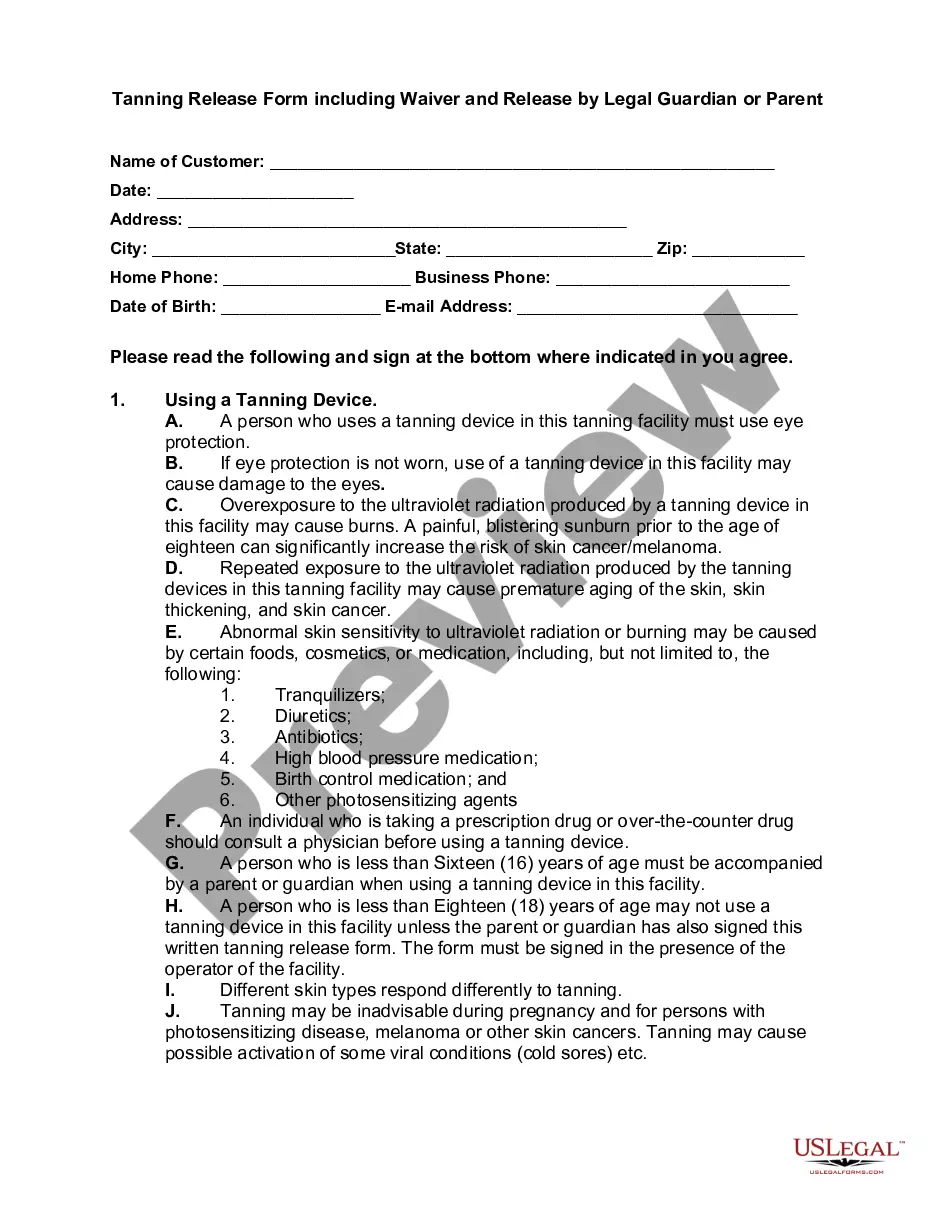
Get your form ready online
Our built-in tools help you complete, sign, share, and store your documents in one place.
Make edits, fill in missing information, and update formatting in US Legal Forms—just like you would in MS Word.
Download a copy, print it, send it by email, or mail it via USPS—whatever works best for your next step.
Sign and collect signatures with our SignNow integration. Send to multiple recipients, set reminders, and more. Go Premium to unlock E-Sign.
If this form requires notarization, complete it online through a secure video call—no need to meet a notary in person or wait for an appointment.
We protect your documents and personal data by following strict security and privacy standards.

Make edits, fill in missing information, and update formatting in US Legal Forms—just like you would in MS Word.

Download a copy, print it, send it by email, or mail it via USPS—whatever works best for your next step.

Sign and collect signatures with our SignNow integration. Send to multiple recipients, set reminders, and more. Go Premium to unlock E-Sign.

If this form requires notarization, complete it online through a secure video call—no need to meet a notary in person or wait for an appointment.

We protect your documents and personal data by following strict security and privacy standards.
Looking for another form?
Form popularity
FAQ
9 Steps for Filing a Personal Injury Claim Obtain medical care. Prepare documentation. Consider a legal consultation. Investigate the accident and injuries. Establish negligence. Serve notice of claim. Begin settlement talks. File a lawsuit.
The Process. If you choose to claim without a solicitor, you'll deal directly with the responsible party's insurance company. This process typically involves: Reporting the accident to the insurer: You'll need to notify the insurer of the accident, providing details about when and where it occurred, and how it happened ...
It's important to note there are two types of injury compensation (damages): General Damagescompensate you for the pain and suffering of your injuries and the impact they've had on your life. Special damages reimburse you for any financial losses you incurred as a direct result of the accident and your injuries.
If you want to take legal action to claim compensation for a personal injury, you will need to get advice from a solicitor specialising in these types of cases. This must be done as soon as possible as there are strict time limits on taking legal action.
A simple plaintiff meaning or plaintiff definition is that a plaintiff is a person who brings a law case against another person, company, or entity in a court of law. They do so to seek some form of legal solution to an issue they have identified that requires outside judgment.
Plaintiff (noun as in accuser) Strongest matches. complainant litigant prosecutor. Strong match. suer.
The plaintiff is the person who brings a lawsuit to ask for recovery from someone else. In other words, the plaintiff is the victim of the personal injury case and brings a compensation claim.
To get a reasonable starting number for negotiating general damages, many insurance companies and attorneys multiply the amount of medical special damages by a factor of 1.5 to 5, depending on the severity of the injuries. In extreme cases, a factor of more than 5 may be used.
A plaintiff (Π in legal shorthand) is the party who initiates a lawsuit (also known as an action) before a court. By doing so, the plaintiff seeks a legal remedy. If this search is successful, the court will issue judgment in favor of the plaintiff and make the appropriate court order (e.g., an order for damages).