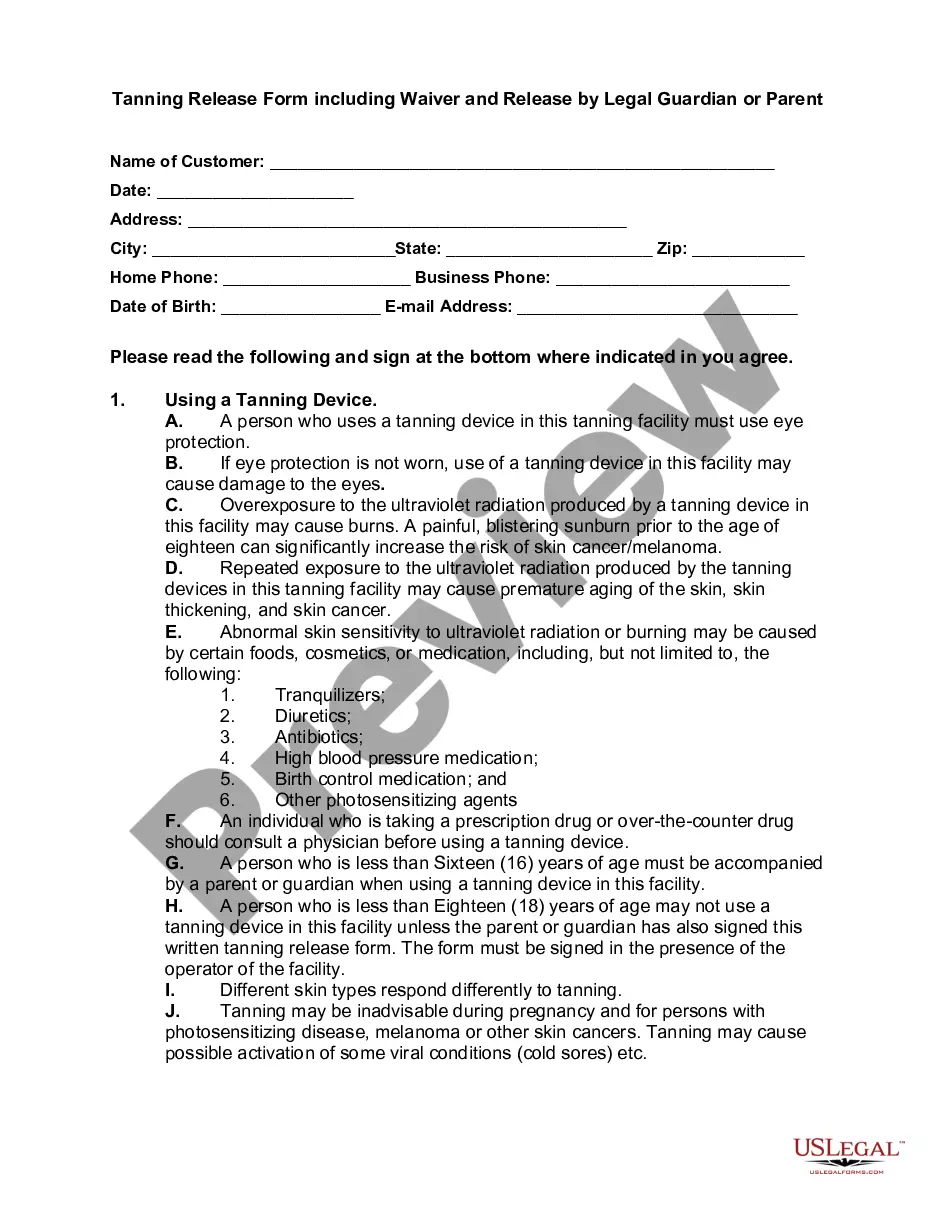
Personal Injury Release With A Pre-existing Condition In Chicago
Description

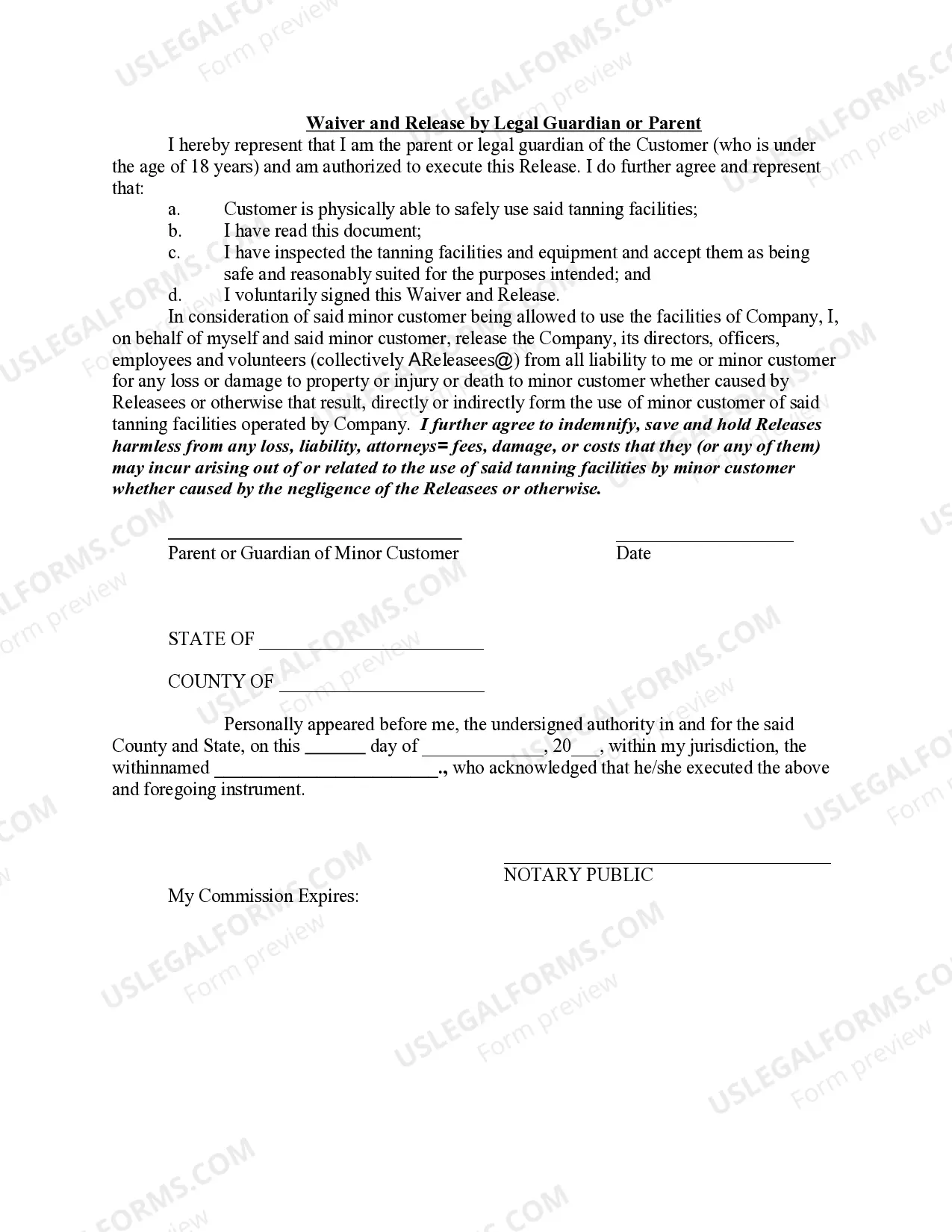
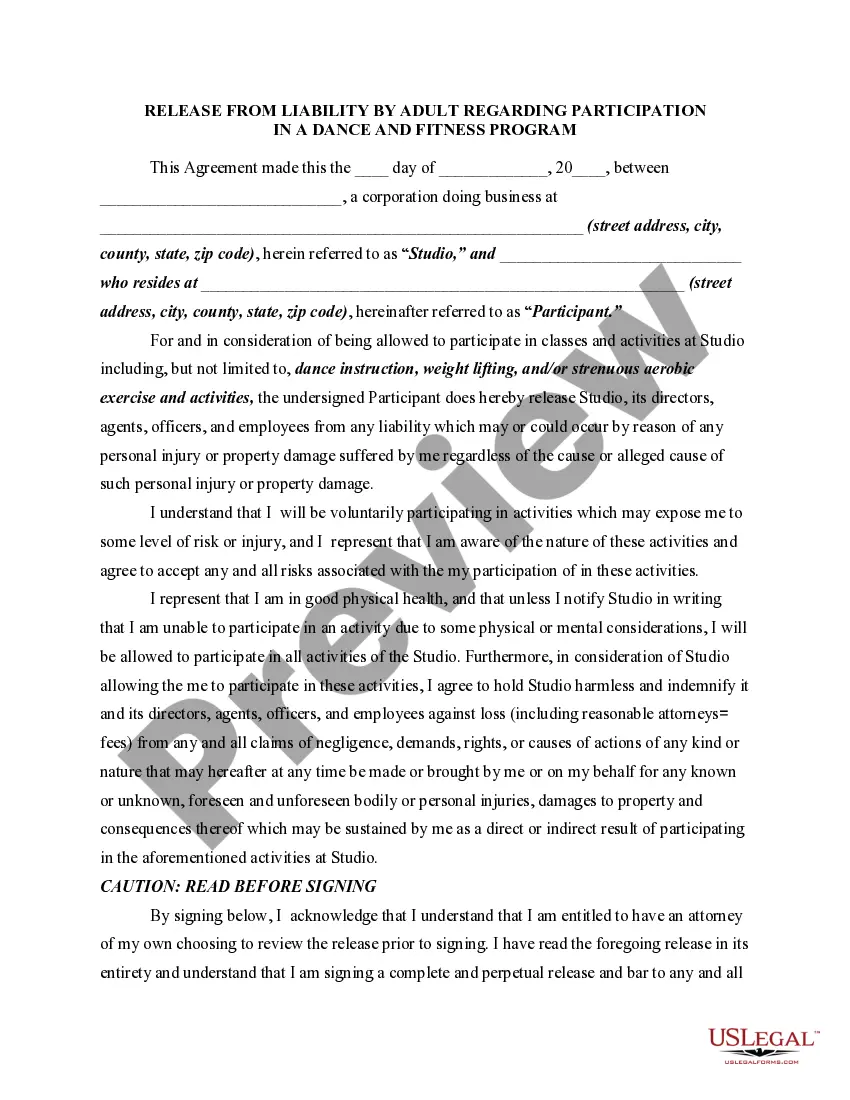
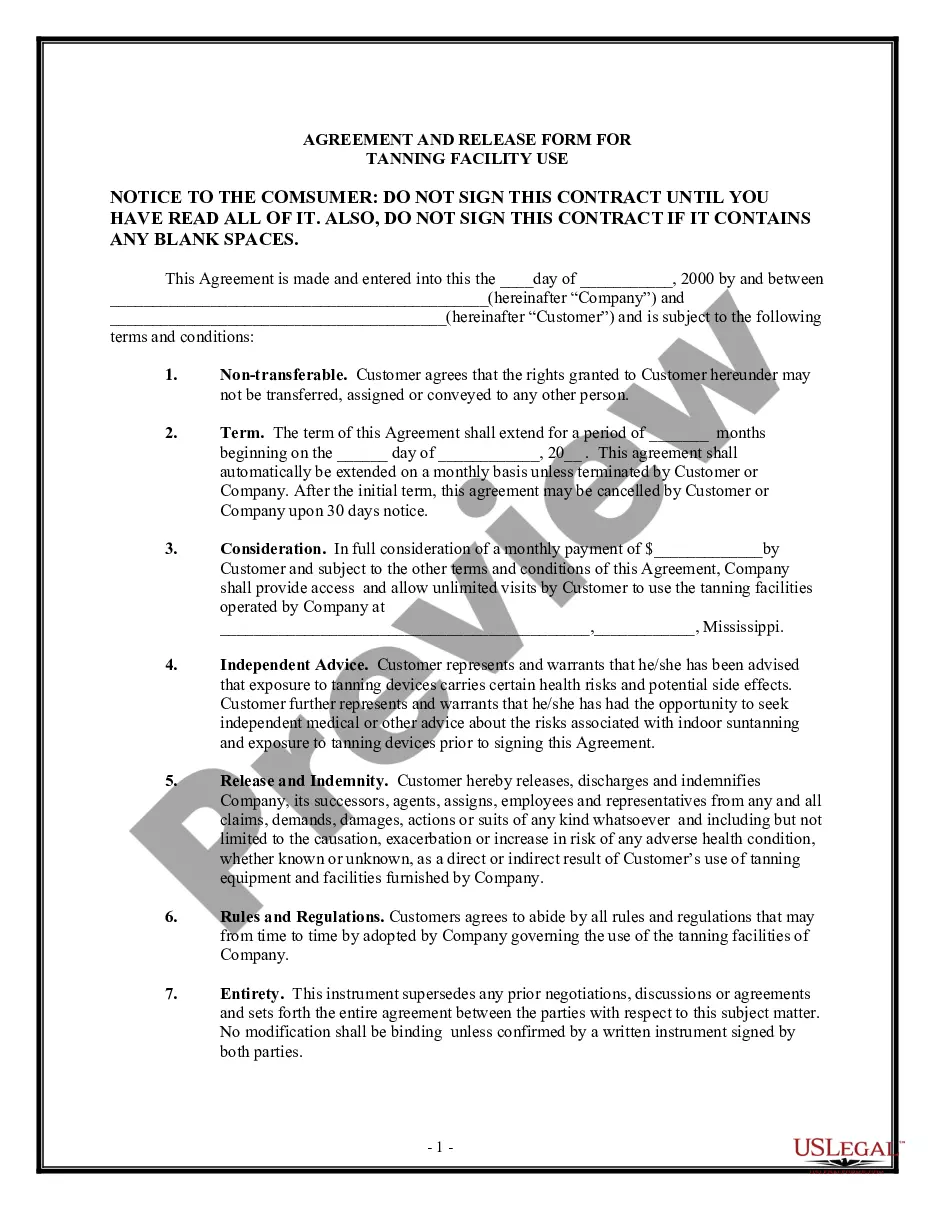
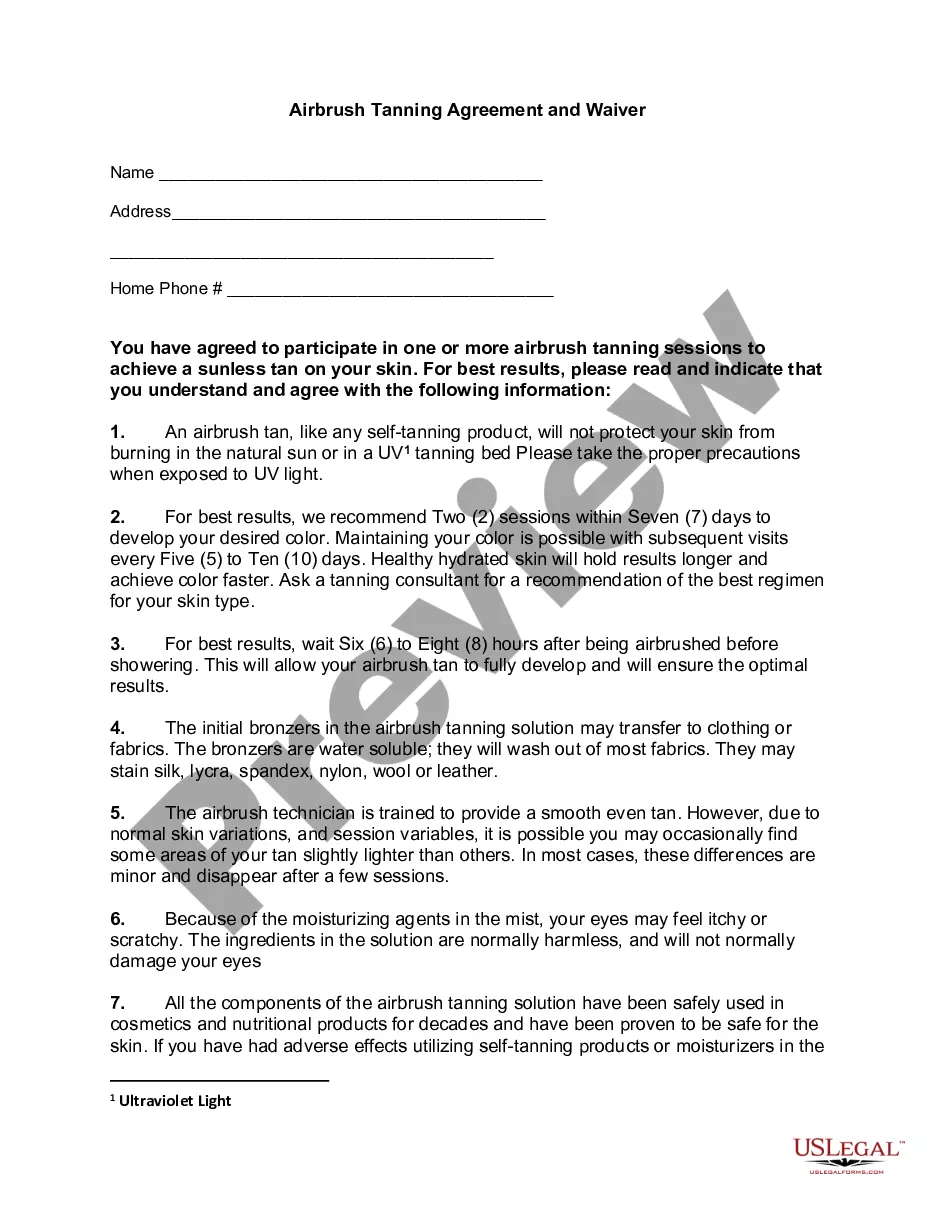
Get your form ready online
Our built-in tools help you complete, sign, share, and store your documents in one place.
Make edits, fill in missing information, and update formatting in US Legal Forms—just like you would in MS Word.
Download a copy, print it, send it by email, or mail it via USPS—whatever works best for your next step.
Sign and collect signatures with our SignNow integration. Send to multiple recipients, set reminders, and more. Go Premium to unlock E-Sign.
If this form requires notarization, complete it online through a secure video call—no need to meet a notary in person or wait for an appointment.
We protect your documents and personal data by following strict security and privacy standards.

Make edits, fill in missing information, and update formatting in US Legal Forms—just like you would in MS Word.

Download a copy, print it, send it by email, or mail it via USPS—whatever works best for your next step.

Sign and collect signatures with our SignNow integration. Send to multiple recipients, set reminders, and more. Go Premium to unlock E-Sign.

If this form requires notarization, complete it online through a secure video call—no need to meet a notary in person or wait for an appointment.

We protect your documents and personal data by following strict security and privacy standards.
Looking for another form?









Form popularity
FAQ
Excluding Pre Existing Medical Conditions We can provide cover that excludes all of your diagnosed pre-existing medical conditions on a Single Trip or Annual Multi-Trip Policy. This depends on your medical conditions. If you have a minor condition, you can exclude it.
existing medical condition is a disease, illness or injury for which you have received medication, advice or treatment or had any symptoms (whether the condition has been diagnosed or not) in the five years before your joining date. Health insurance doesn't usually cover 'preexisting conditions'.
What is the Waiver of Pre-Existing Medical Conditions in Travel Insurance? Simply put, the Waiver of Pre-Existing Medical Conditions covers, or “waives” the companies right to exclude pre-existing medical conditions from their policy.
What Is the Illinois Statute of Limitations for Personal Injury Lawsuits? In most cases in Illinois, you have two years from the date of your injury to file a civil personal injury lawsuit. As with most laws, there are exceptions to this two-year deadline.
Most settlements and court awards will be approximately $3,000 to $75,000. The likelihood of receiving a payout in this range is approximately 70%. Below we'll map out California personal injury settlements by case type.
Waiver Condition means provision of satisfactory evidence by the Grant Recipient to the Council that the relevant Prohibited Act was committed by: an employee acting independently of the Grant Recipient; or an employee of a subcontractor acting independently of such subcontractor and the Council is satisfied that the ...
You should get legal advice urgently if you want to claim compensation. The most common claim in a personal injury case is negligence and the time limit for this is 3 years. This means that court proceedings must be issued within 3 years of you first being aware that you have suffered an injury.
How Long Do You Have to File a Personal Injury Suit in Illinois? The statute of limitations on personal injury in Illinois is 2 years. That means that victims have 2 years from the time of an incident to file a lawsuit.
Illinois law allows for some latitude in the statute of limitations on personal injury actions through what is commonly known as the "discovery rule." The discovery rule allows the statute of limitations to be extended from the time of the injury to the time of the discovery of the injury.
