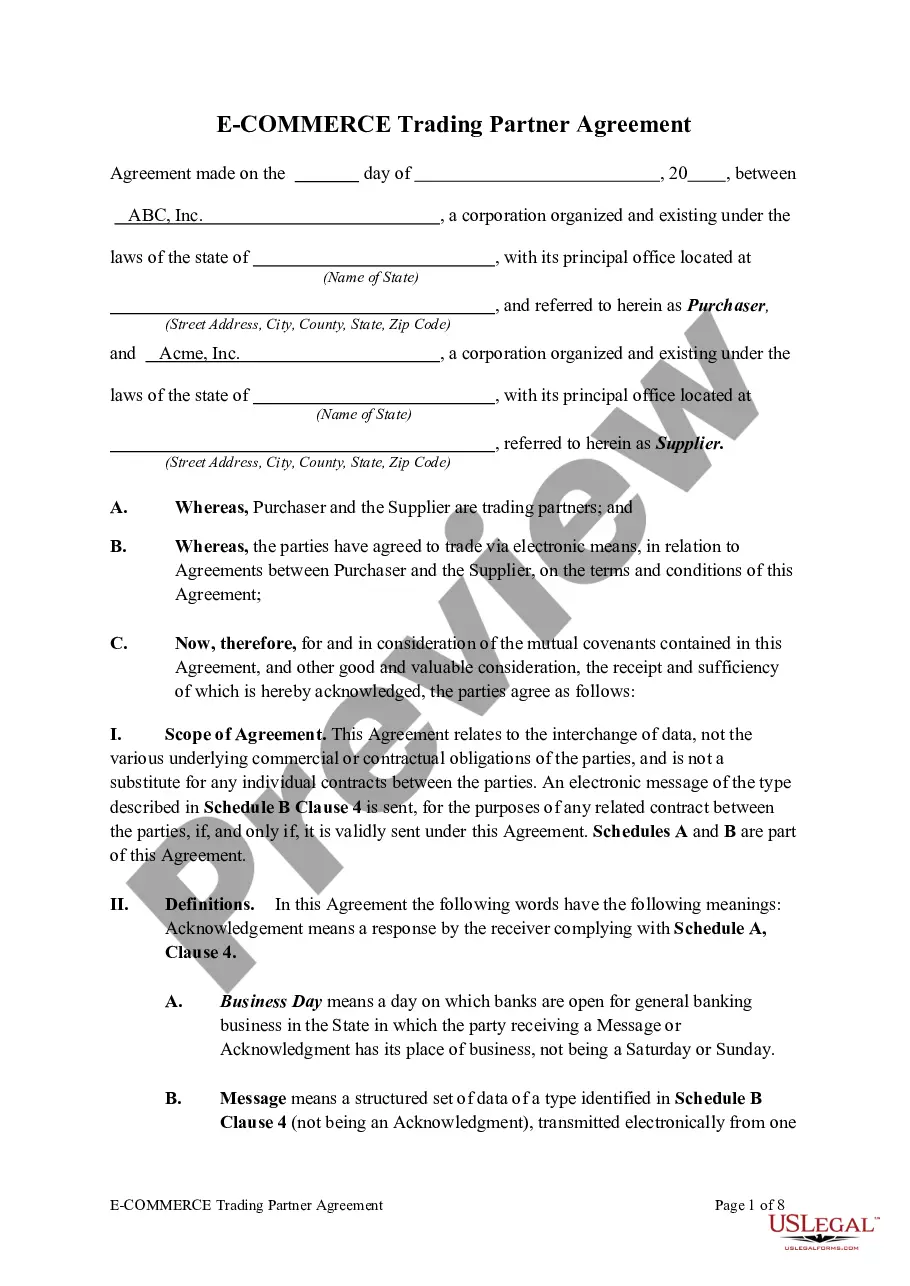
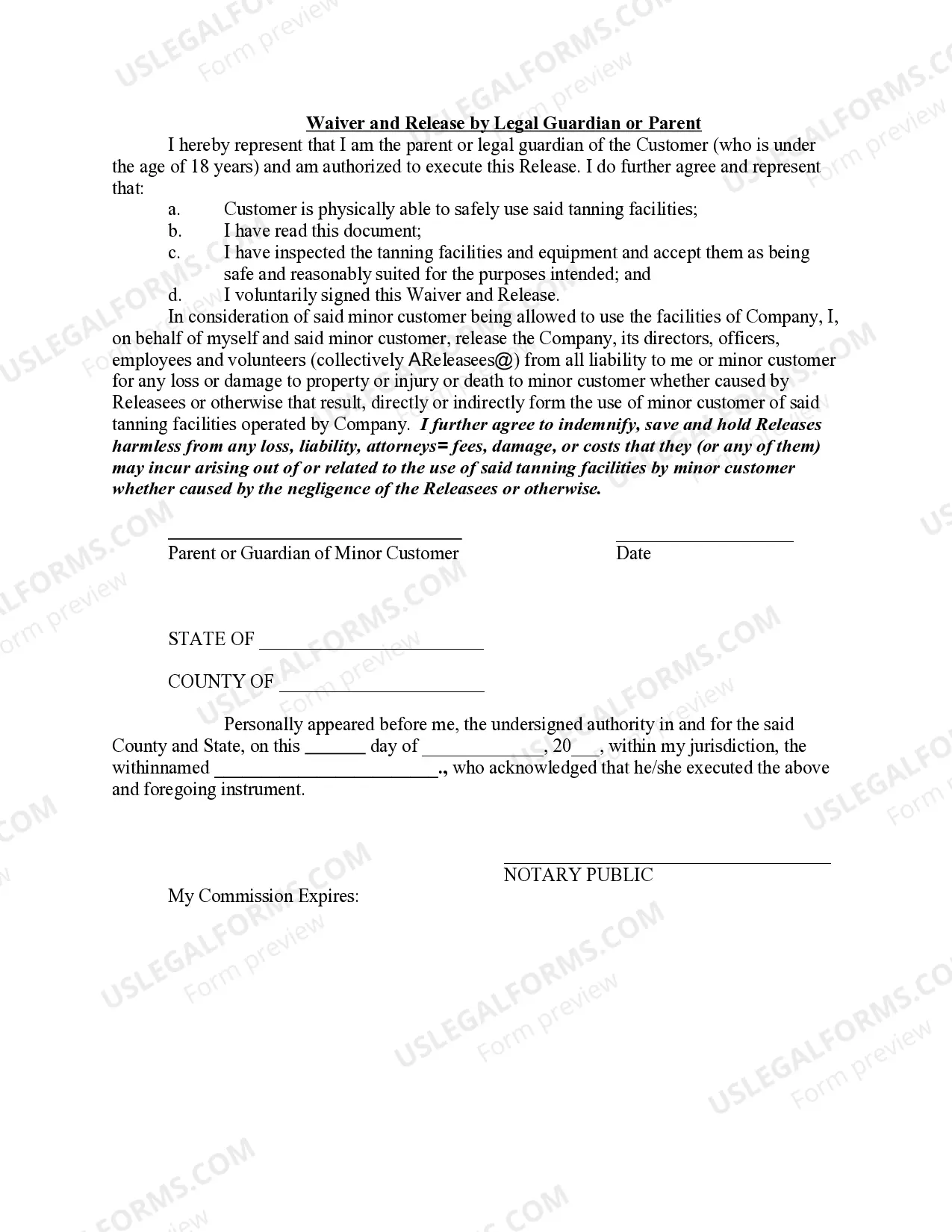
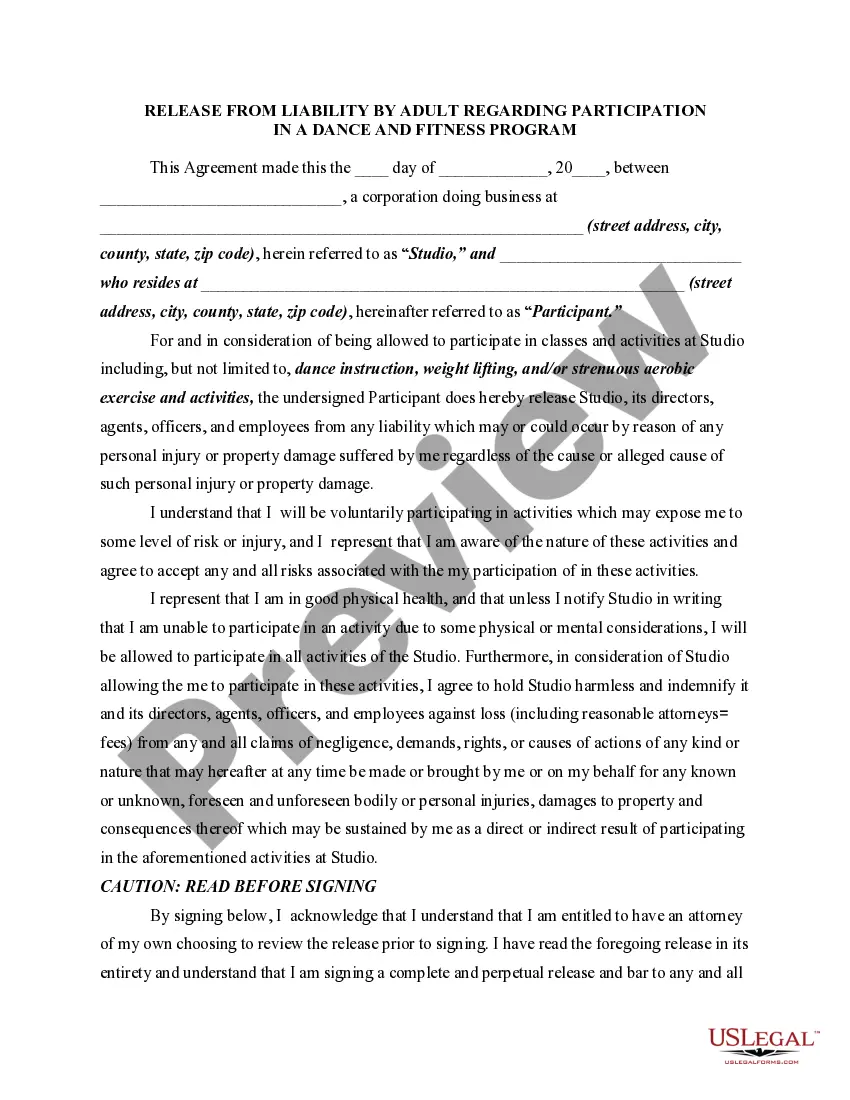
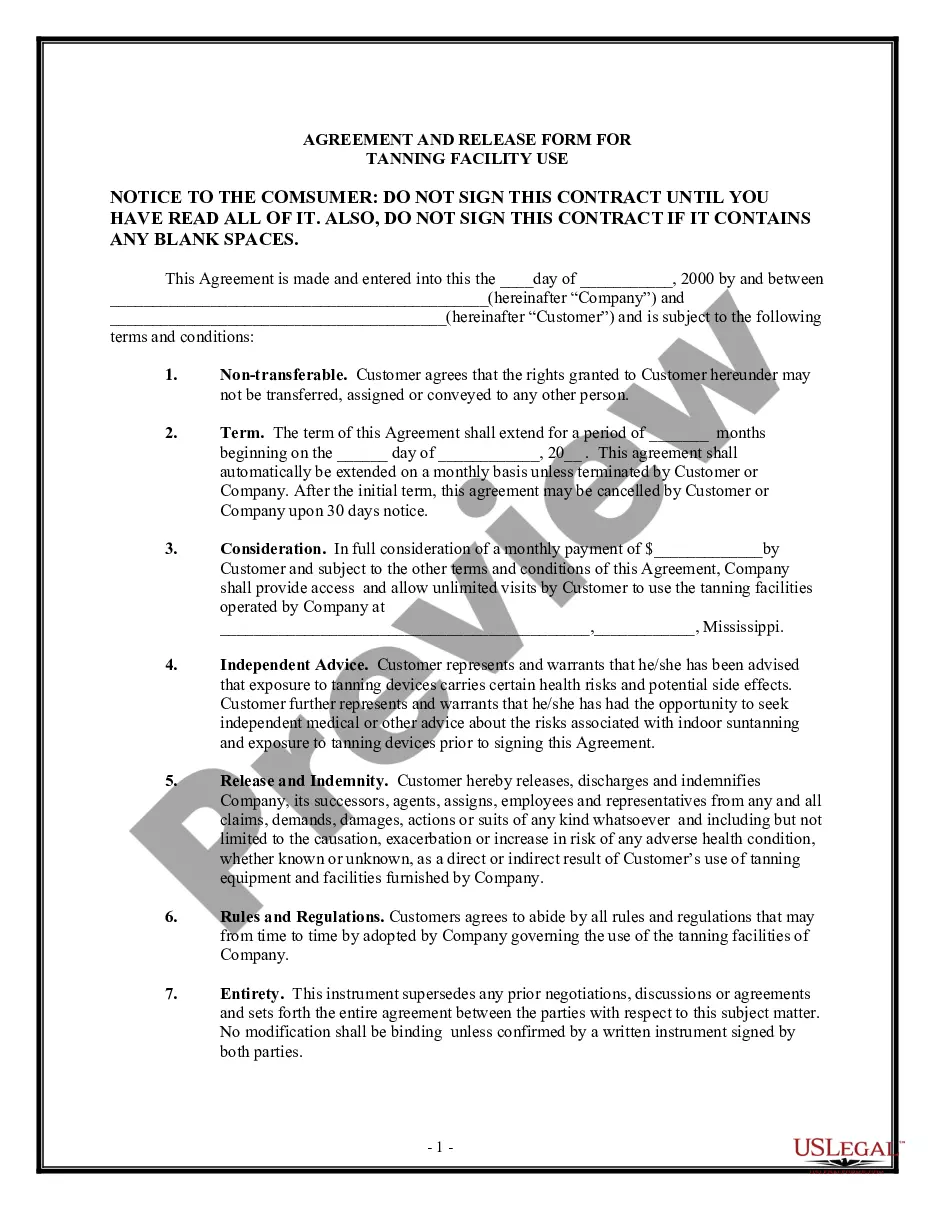
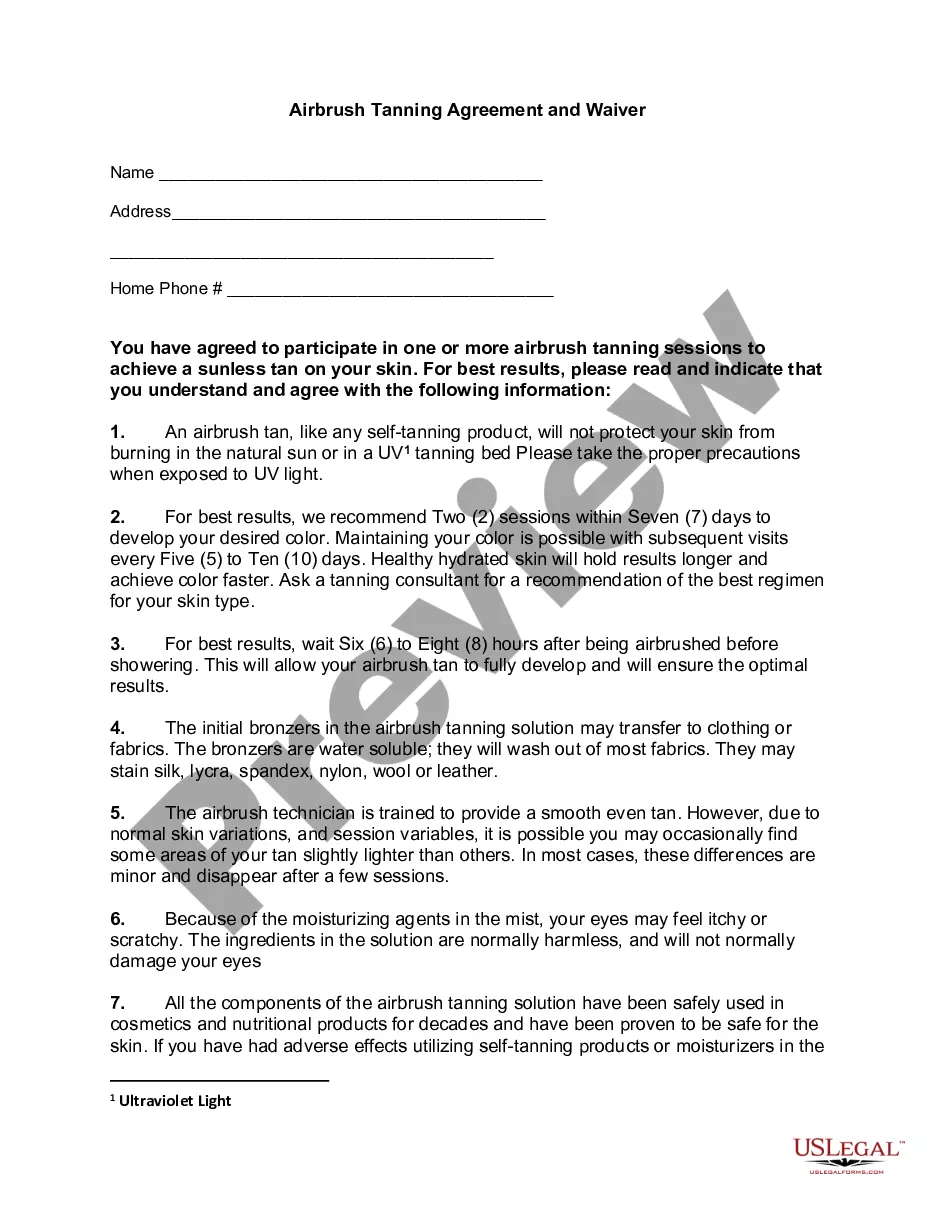
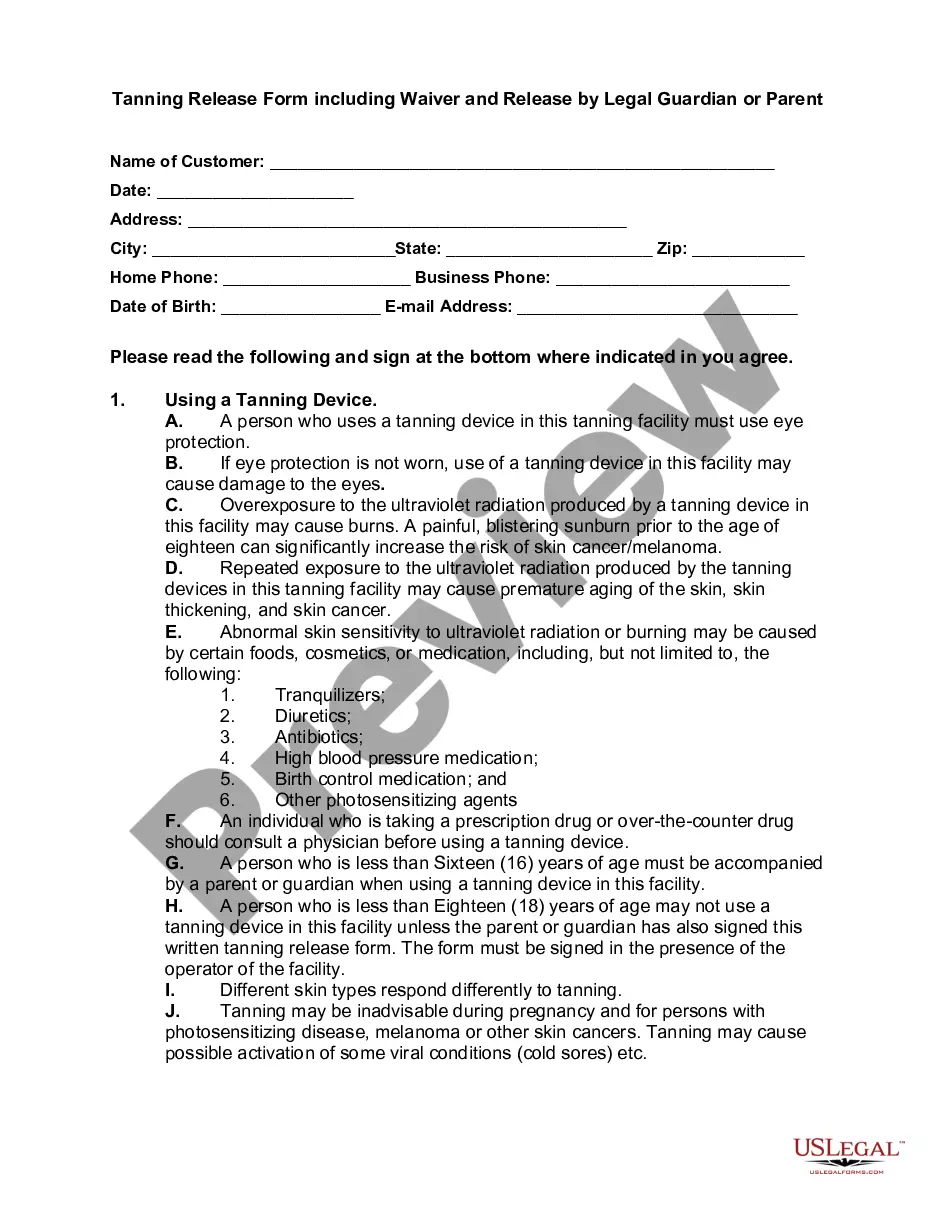
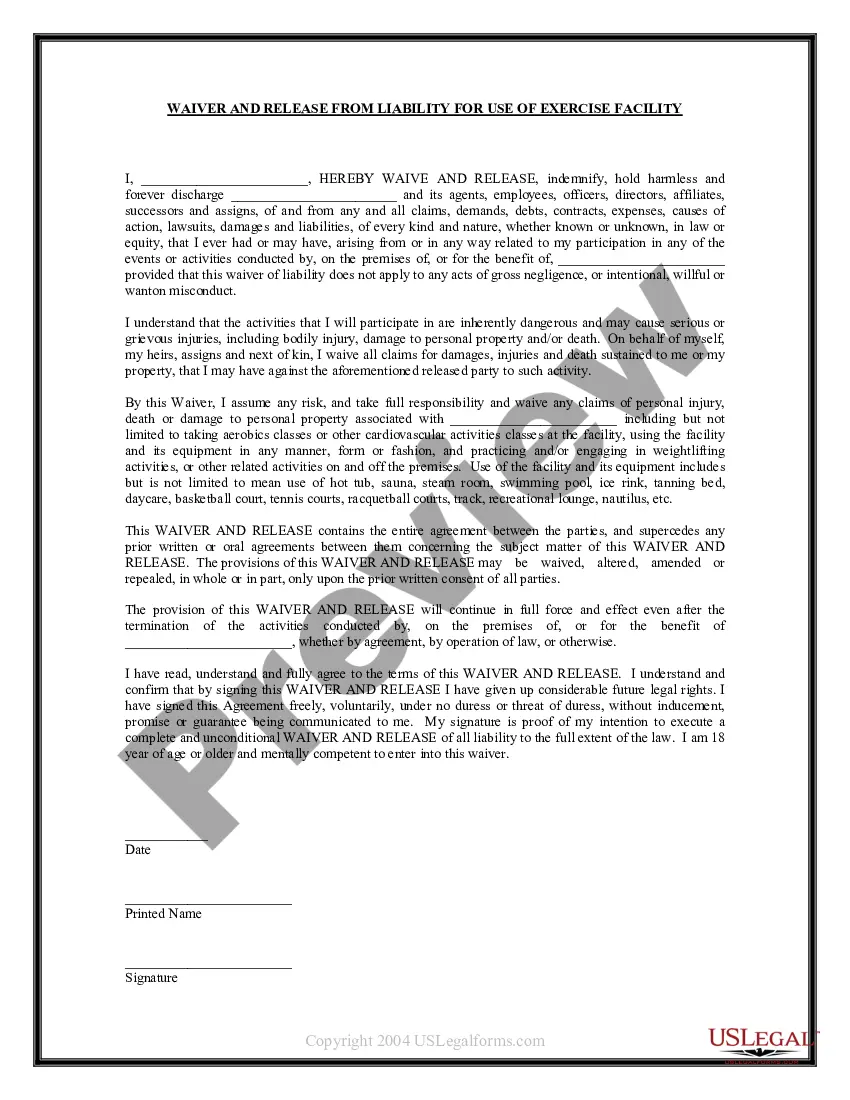
Personal Injury Release Agreement Form California In Bronx
Description

Get your form ready online
Our built-in tools help you complete, sign, share, and store your documents in one place.
Make edits, fill in missing information, and update formatting in US Legal Forms—just like you would in MS Word.
Download a copy, print it, send it by email, or mail it via USPS—whatever works best for your next step.
Sign and collect signatures with our SignNow integration. Send to multiple recipients, set reminders, and more. Go Premium to unlock E-Sign.
If this form requires notarization, complete it online through a secure video call—no need to meet a notary in person or wait for an appointment.
We protect your documents and personal data by following strict security and privacy standards.

Make edits, fill in missing information, and update formatting in US Legal Forms—just like you would in MS Word.

Download a copy, print it, send it by email, or mail it via USPS—whatever works best for your next step.

Sign and collect signatures with our SignNow integration. Send to multiple recipients, set reminders, and more. Go Premium to unlock E-Sign.

If this form requires notarization, complete it online through a secure video call—no need to meet a notary in person or wait for an appointment.

We protect your documents and personal data by following strict security and privacy standards.
Looking for another form?










Form popularity
FAQ
Who May Be Responsible? The Deceased Person's Estate: Assets such as bank accounts, real estate, or investments are used to cover outstanding debts. A Surviving Spouse in a Community Property State: In states like California, Texas, and Arizona, spouses may be responsible for medical debt incurred during the marriage.
In California, you have two years from the date of your injury to file a personal injury lawsuit. This two-year rule is called the statute of limitations, and it applies to most injury cases, whether from car accidents, slips and falls, or other incidents caused by negligence.
An injury claim is handled in the California civil court system if it's not work-related and if the damages total more than $10,000. Step 1: Establish legal standing. Step 2: Hire a lawyer. Step 3: Determine the venue for your lawsuit. Step 4: File your claim within the statute of limitations. Step 5: File your complaint.
Instructions for service on NYCTA, MaBSTOA, and SIRTOA: E-mail this form to serviceclaims@nyct within 90 days of the incident. If your claim is not resolved, you will have one year and 90 days from the date of the incident to commence a legal action.
The pain and suffering settlement amount has no set limit. It is entirely up to the insurance company and your attorney to negotiate this amount.
It entails totaling your economic damages and multiplying them by a variable. Typically ranging from 1.5 to 5, higher variables are assigned to more severe cases. For instance, if you incurred $100,000 in economic damages and a 1.5 variable is applied, your pain and suffering damages would amount to $150,000.
A variety of factors can affect what a reasonable settlement offer might be, including the following: Whether the injured plaintiff is partially liable. The extent and severity of the victim's injuries. The past and future likely costs of treatment. Whether the plaintiff is likely to fully recover or has fully ...
Most settlements and court awards will be approximately $3,000 to $75,000. The likelihood of receiving a payout in this range is approximately 70%. Below we'll map out California personal injury settlements by case type.
Most claims settle within 12-24 months but this depends on the circumstances and your lawyer will be able to advise you at the start and throughout how long they anticipate the claims process lasting. Are there time limits for making a personal injury claim?
If you choose to proceed with your claim without an attorney, you will need to gather evidence, estimate your damages, file the claim, and negotiate with the insurance company for a settlement. You can review resources from the California Department of Insurance to help you start the process.