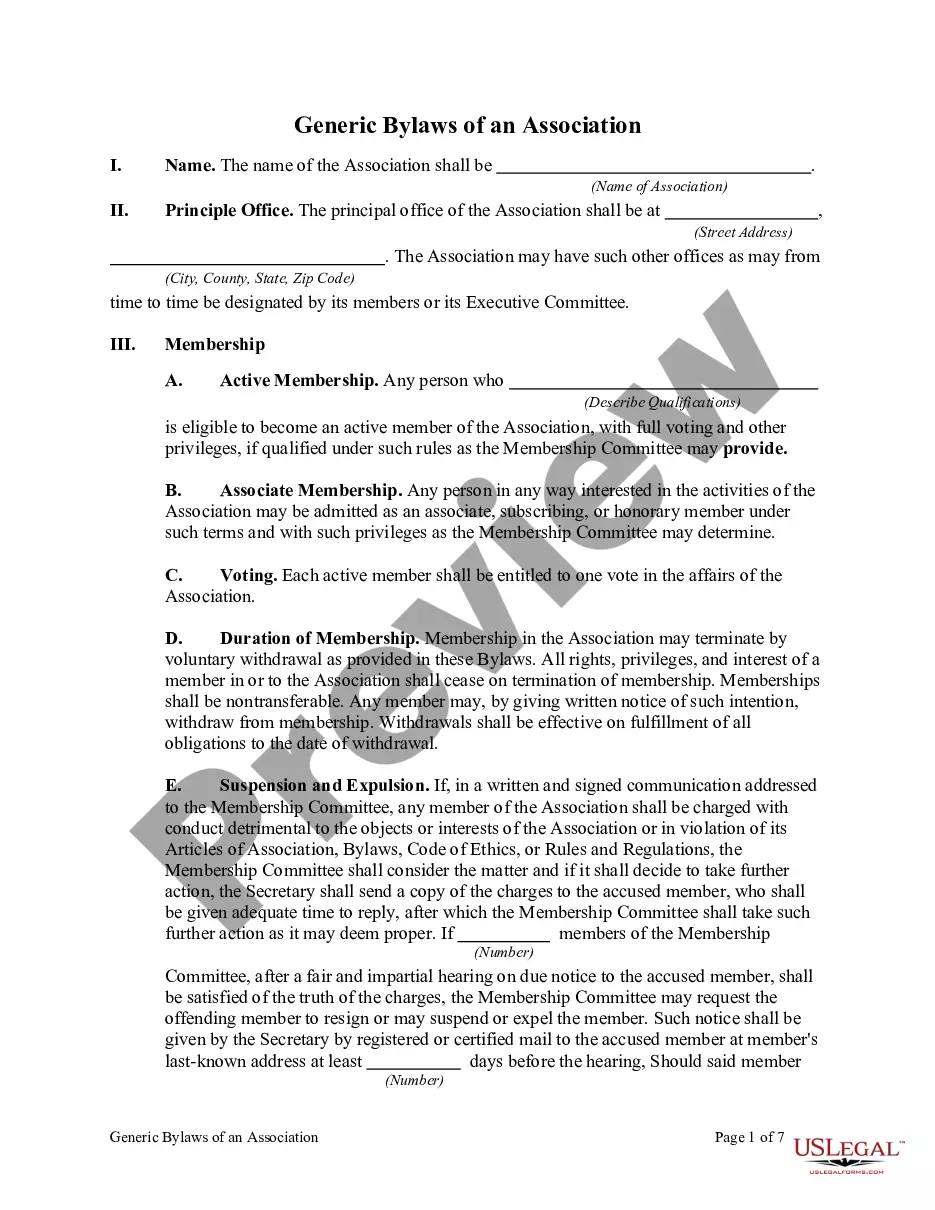
Bylaws For Nonprofit Template In Texas
Description

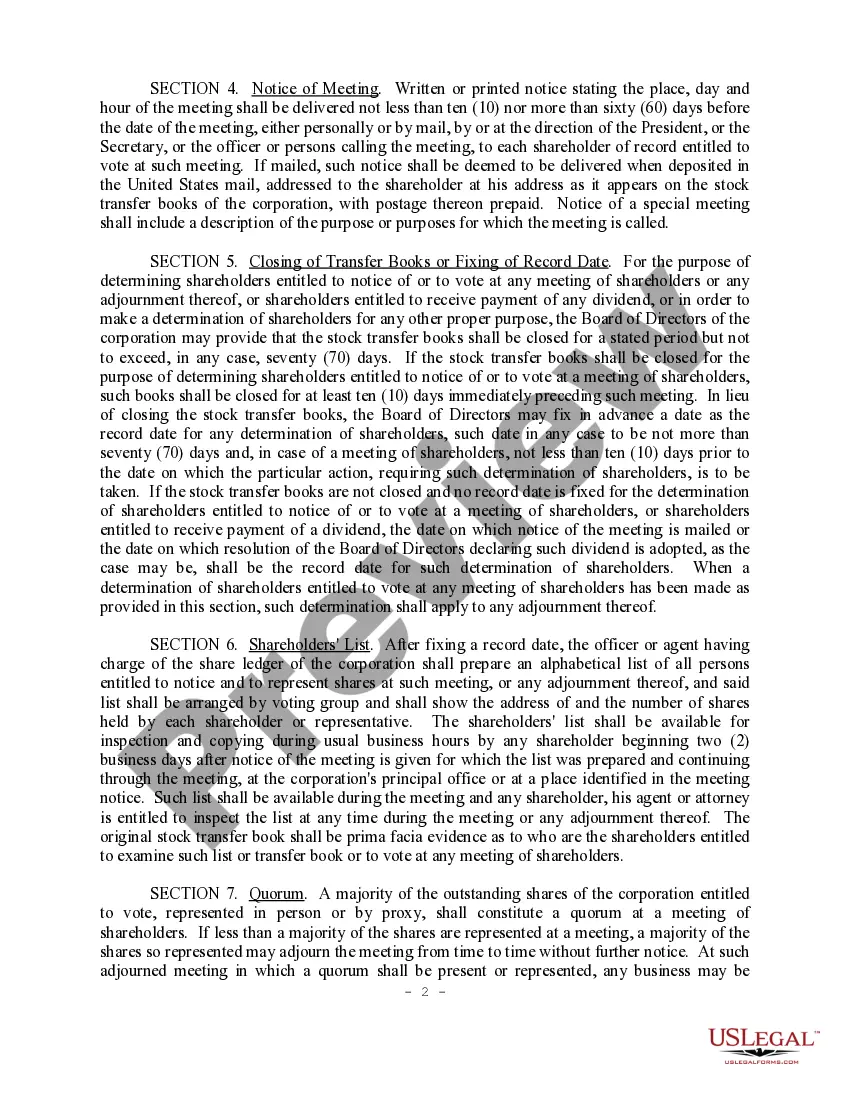
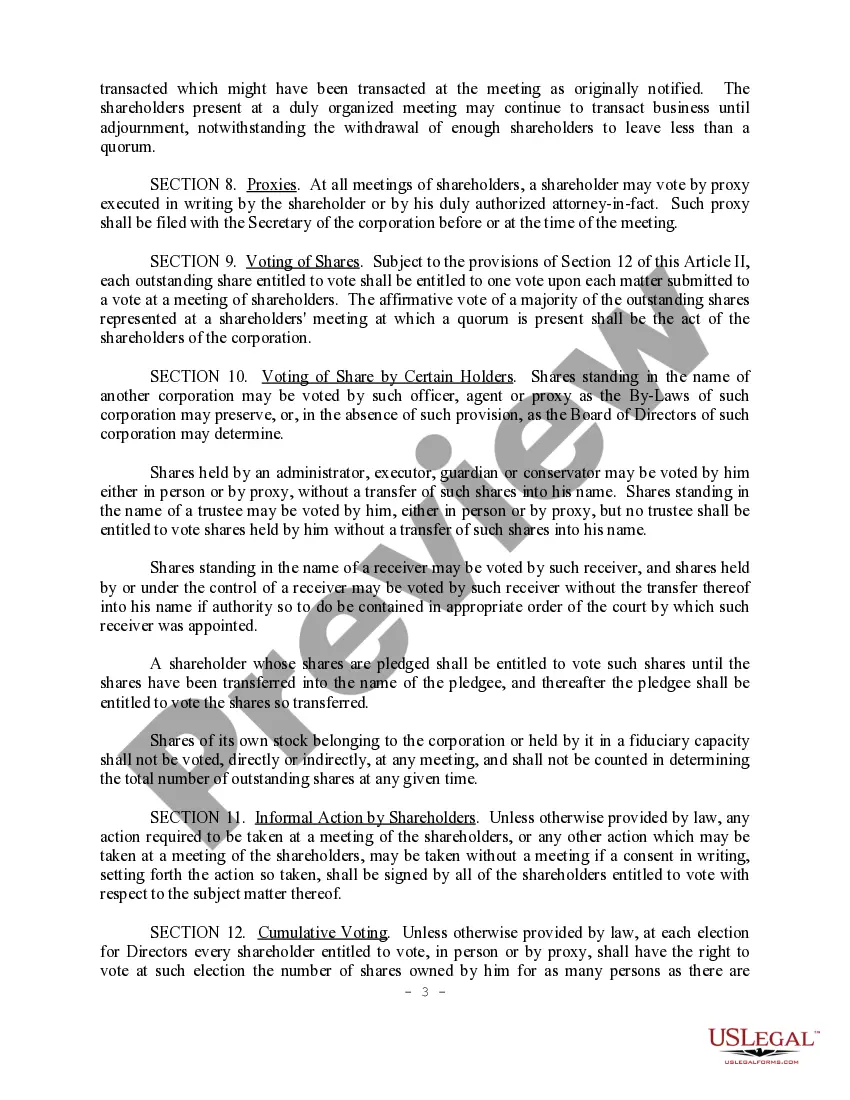
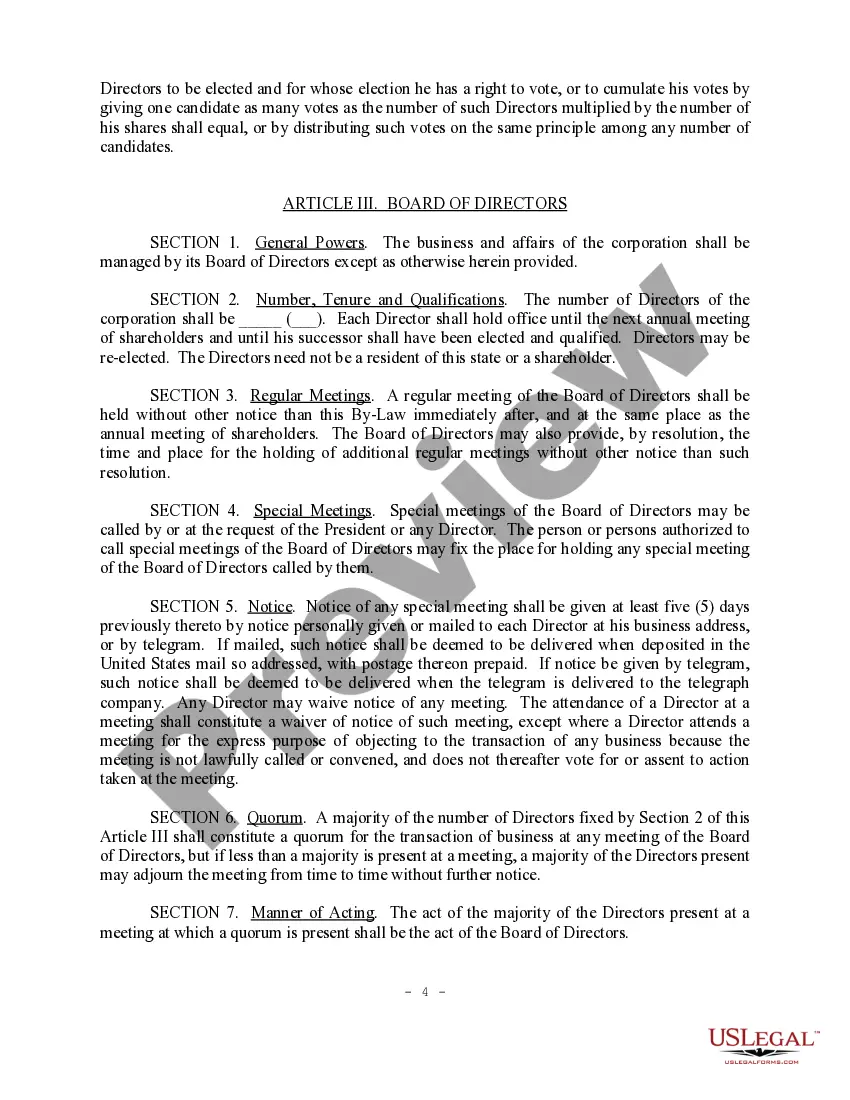
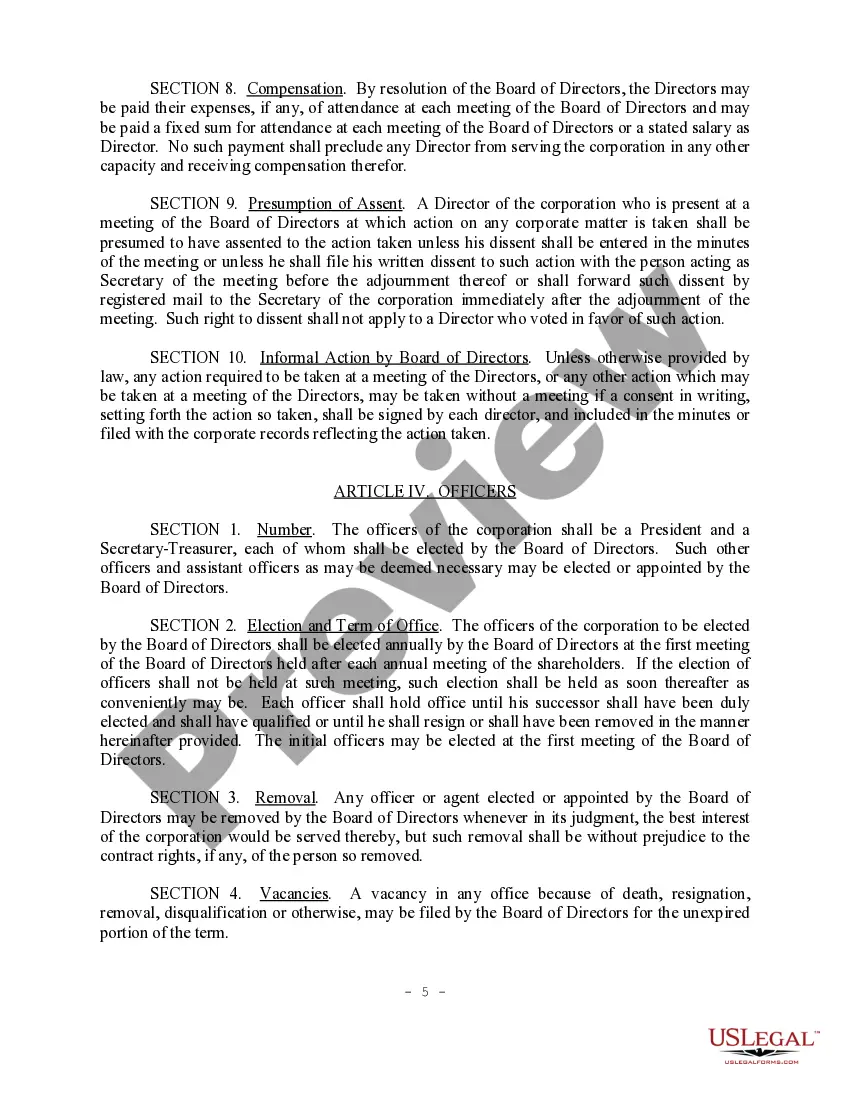
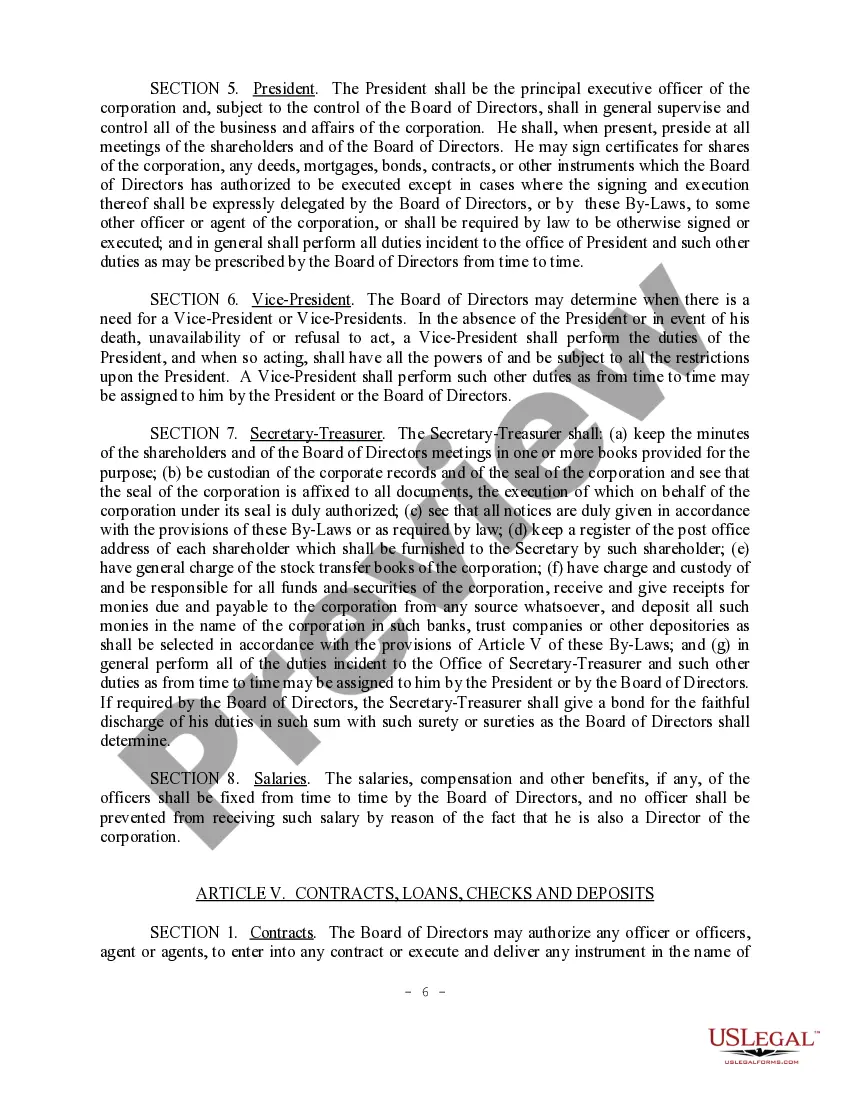
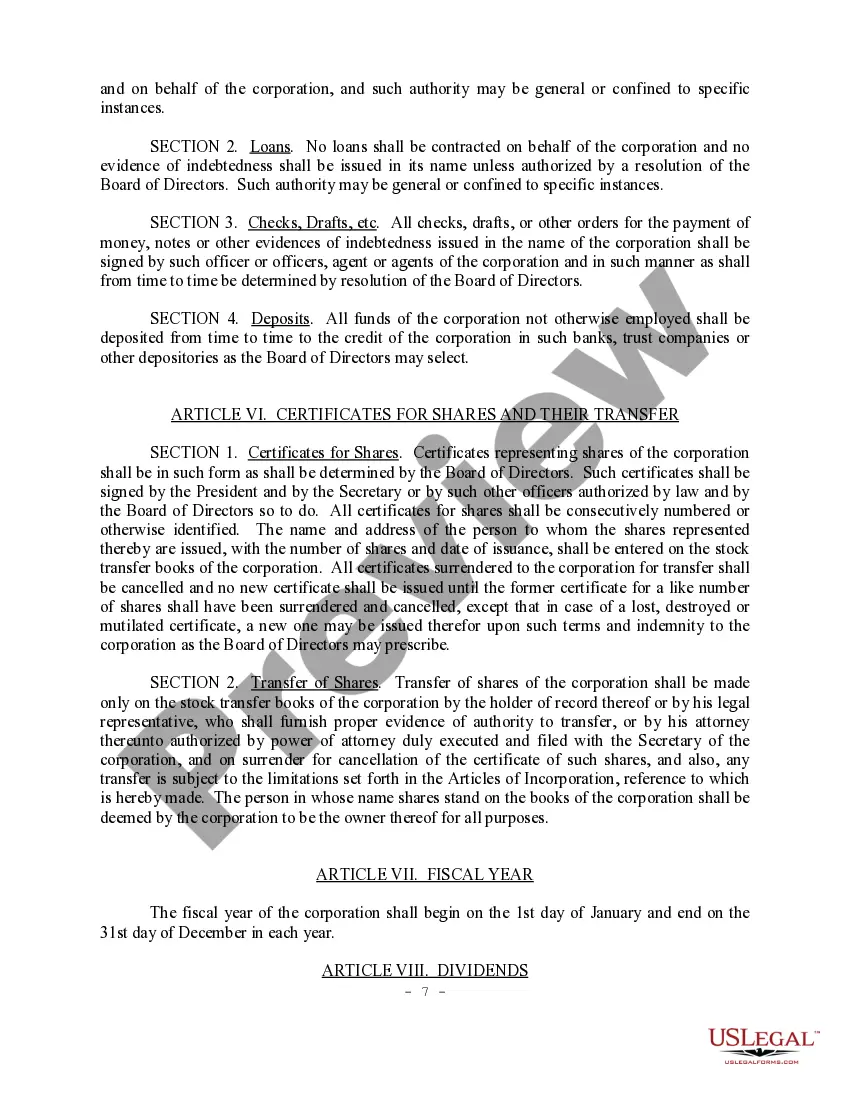
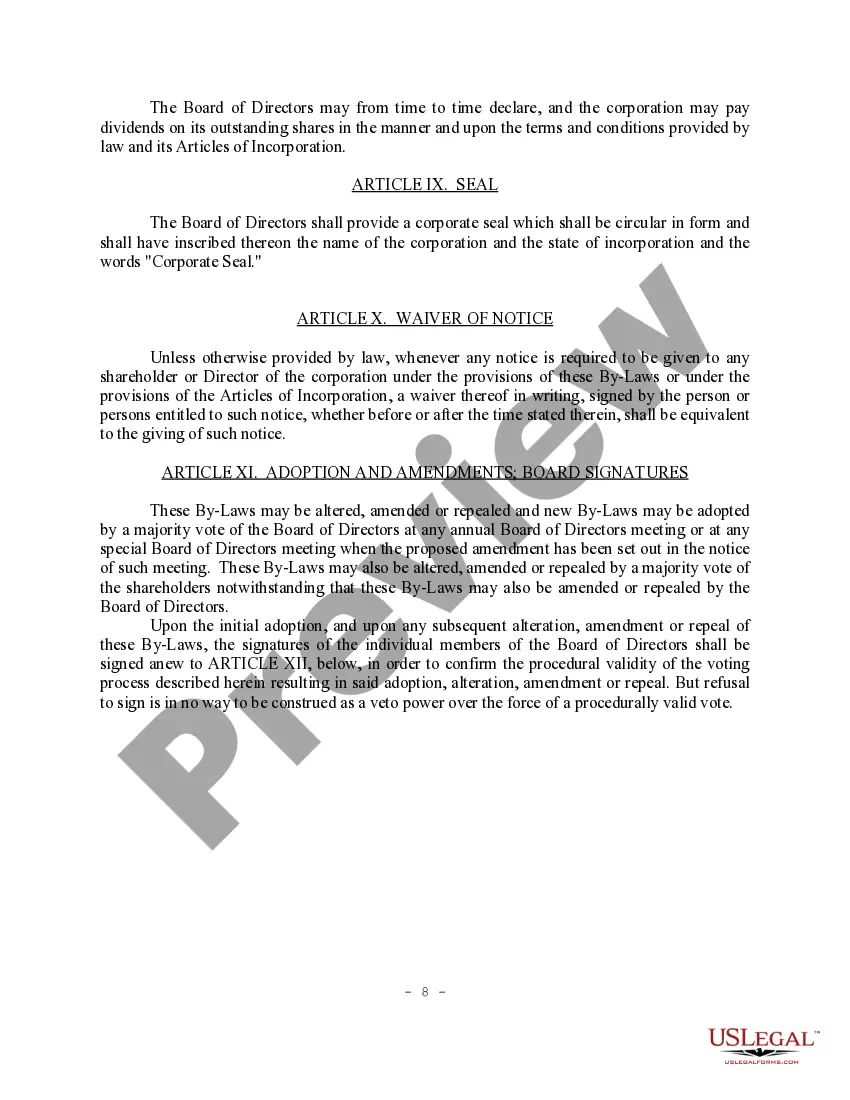
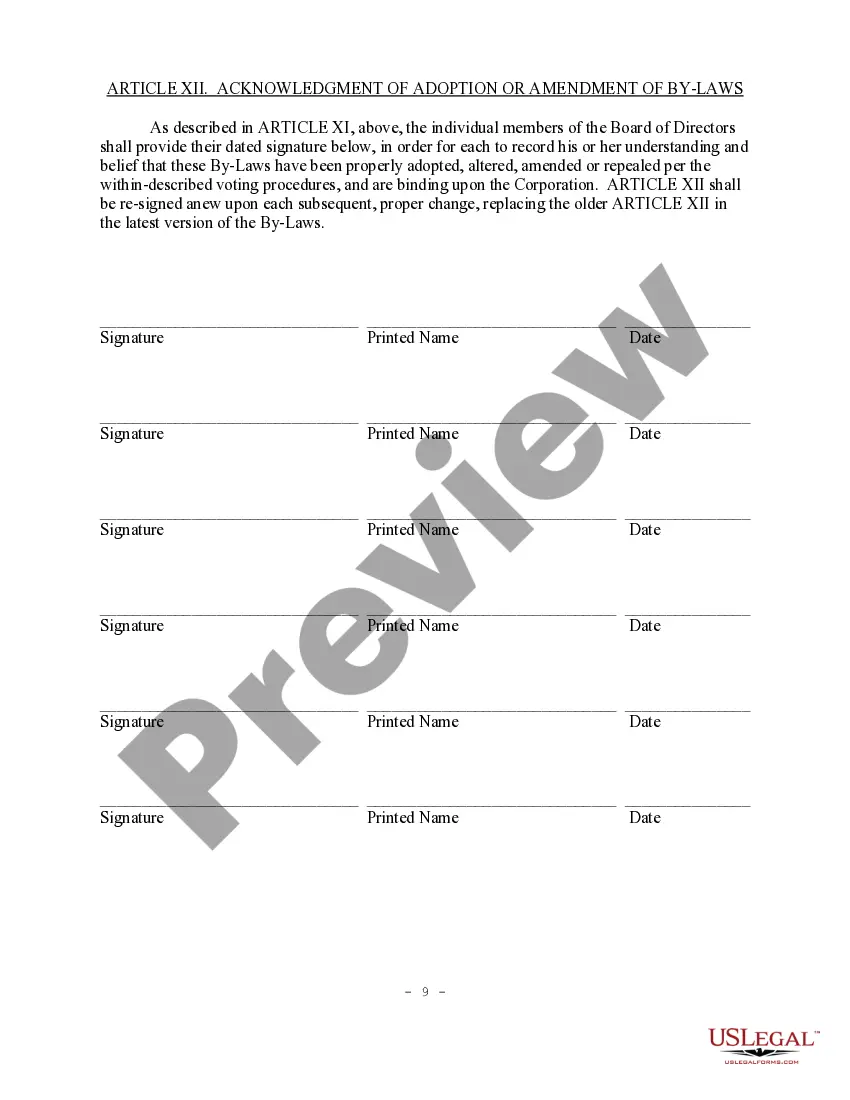

Get your form ready online
Our built-in tools help you complete, sign, share, and store your documents in one place.
Make edits, fill in missing information, and update formatting in US Legal Forms—just like you would in MS Word.
Download a copy, print it, send it by email, or mail it via USPS—whatever works best for your next step.
Sign and collect signatures with our SignNow integration. Send to multiple recipients, set reminders, and more. Go Premium to unlock E-Sign.
If this form requires notarization, complete it online through a secure video call—no need to meet a notary in person or wait for an appointment.
We protect your documents and personal data by following strict security and privacy standards.

Make edits, fill in missing information, and update formatting in US Legal Forms—just like you would in MS Word.

Download a copy, print it, send it by email, or mail it via USPS—whatever works best for your next step.

Sign and collect signatures with our SignNow integration. Send to multiple recipients, set reminders, and more. Go Premium to unlock E-Sign.

If this form requires notarization, complete it online through a secure video call—no need to meet a notary in person or wait for an appointment.

We protect your documents and personal data by following strict security and privacy standards.
Looking for another form?




Form popularity
FAQ
The Texas Business Organizations Code requires a nonprofit corporation to have at least three directors, one president, and one secretary. The same person cannot be both the president and secretary. Officers and directors must be natural persons, but may be known by other titles.
Can I form a nonprofit LLC in Texas? The Texas Business Organizations Code (BOC) does not recognize the term "nonprofit LLC" as describing a specific type of entity, but the BOC does allow for the formation of an LLC with a nonprofit purpose.
Traditionally, when starting a nonprofit, the best choice for legal structure is to form a nonprofit corporation at the state level and to apply for 501(c)(3) tax exemption at the federal level.
Corporate bylaws establish the rules and roles within your corporation. Bylaws dictate how many officers and directors you can appoint and what their powers and responsibilities will be. Bylaws also establish when and where board and shareholder meetings will be held and how voting will work.
To successfully start a nonprofit in Texas, the Texas Business Organizations Code requires that your nonprofit has at least three directors. You are allowed to have family members on the board, but if you're starting a public charity, you'll need a majority of board members to not be related to one another.
They are necessary. Your nonprofit does not need to file bylaws with the Texas Secretary of State, but they are required to obtain tax-exempt status with the IRS.
Ing to the IRS, you can change your bylaws whenever you like, but you will need to report all significant changes in Schedule O of Form 990. This form is filed annually for your financial compliance. This also applies to your articles of incorporation!
The board president should sign the bylaws and have the secretary attest to the signature or have all board members sign the bylaws. Drafting good nonprofit bylaws is an art that requires careful attention to legal and regulatory requirements.
The secretary of state does not maintain the bylaws or tax exempt filings of any nonprofit organization. Some organizations that have obtained tax-exempt status from the Internal Revenue Service are required to make certain documents available to the public.
LLCs are not required to have bylaws. However, they are governed by an operating agreement which is like a corporation's bylaws.
