Hoa Bylaws In Texas In Suffolk
Description

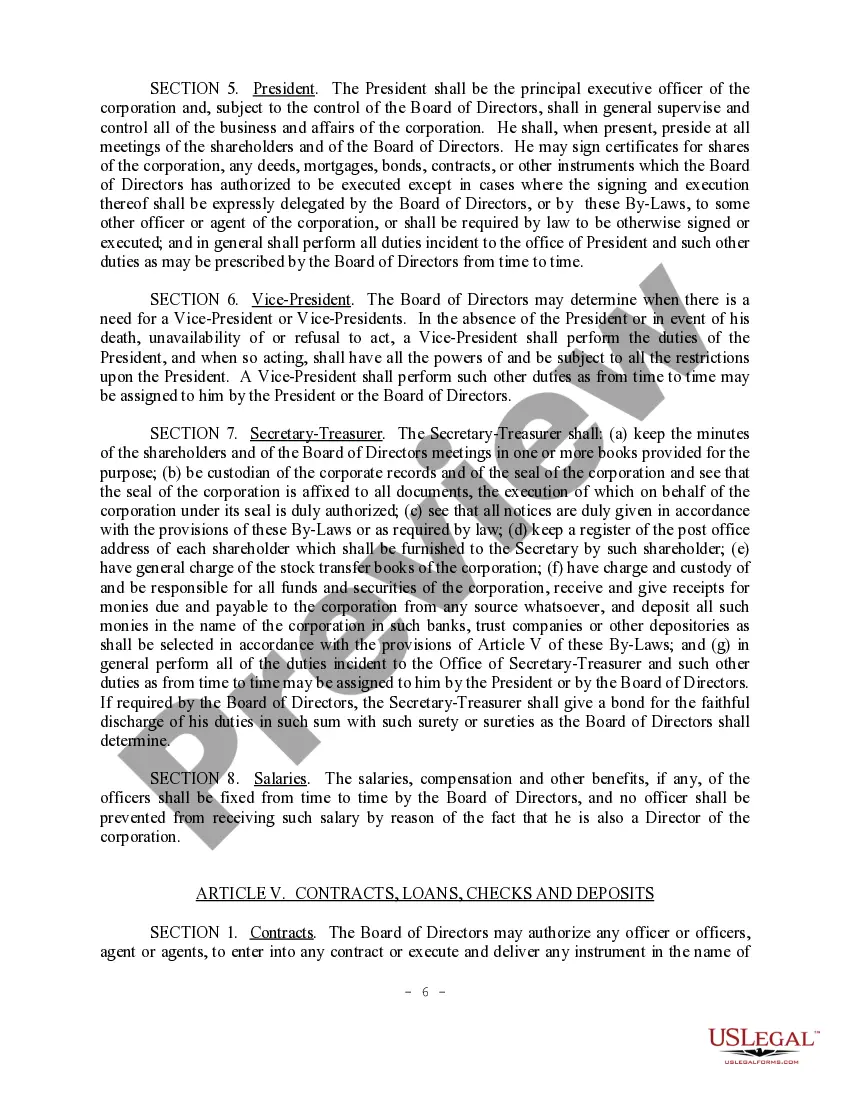
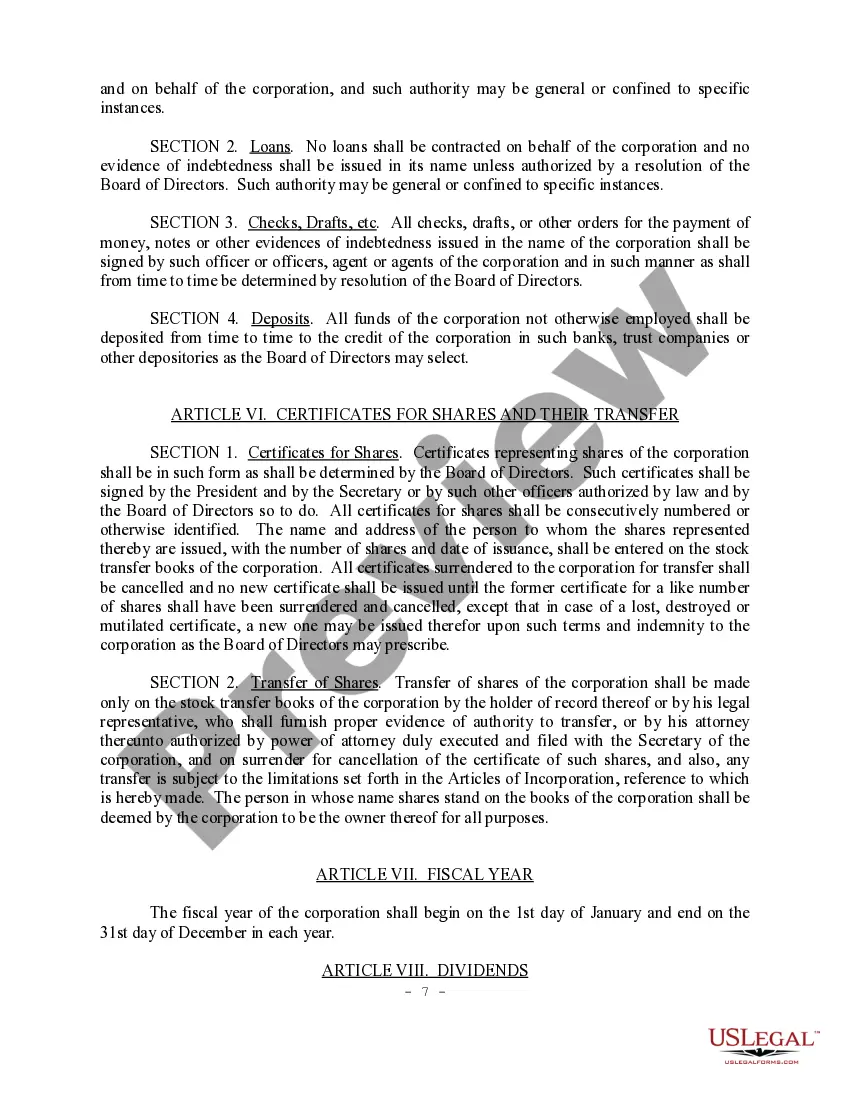
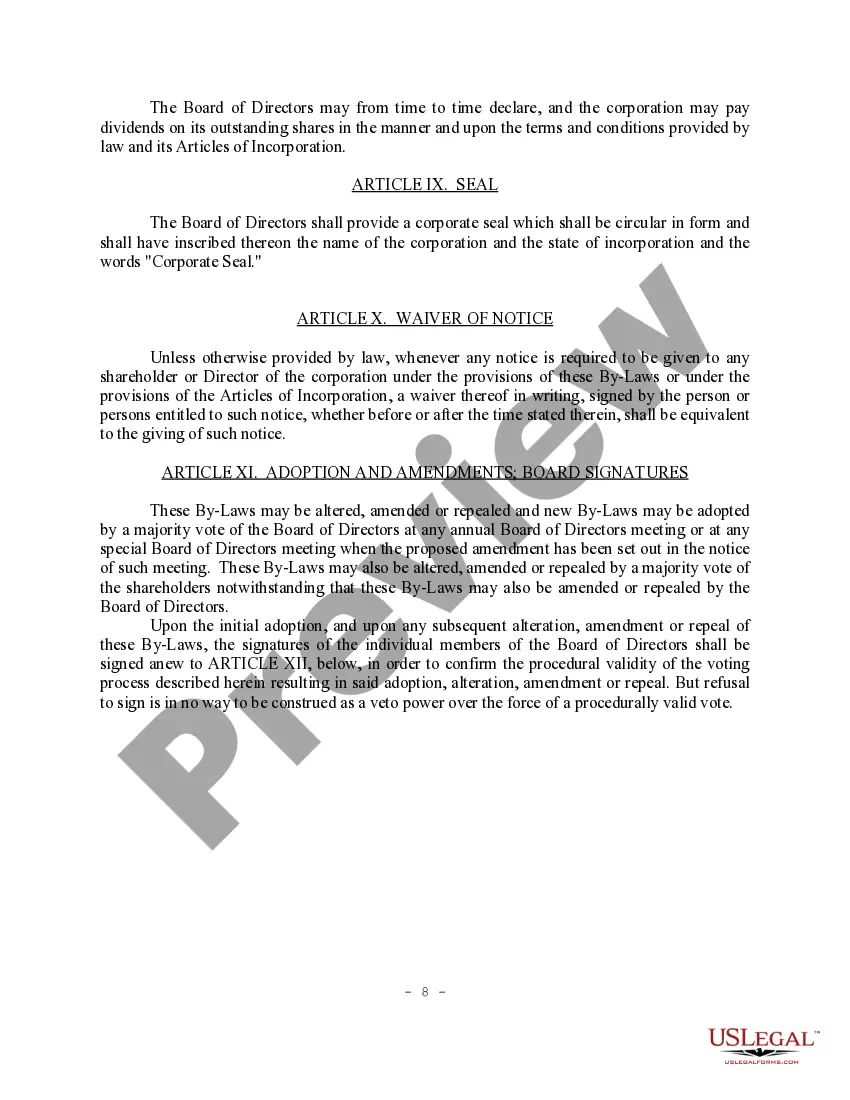
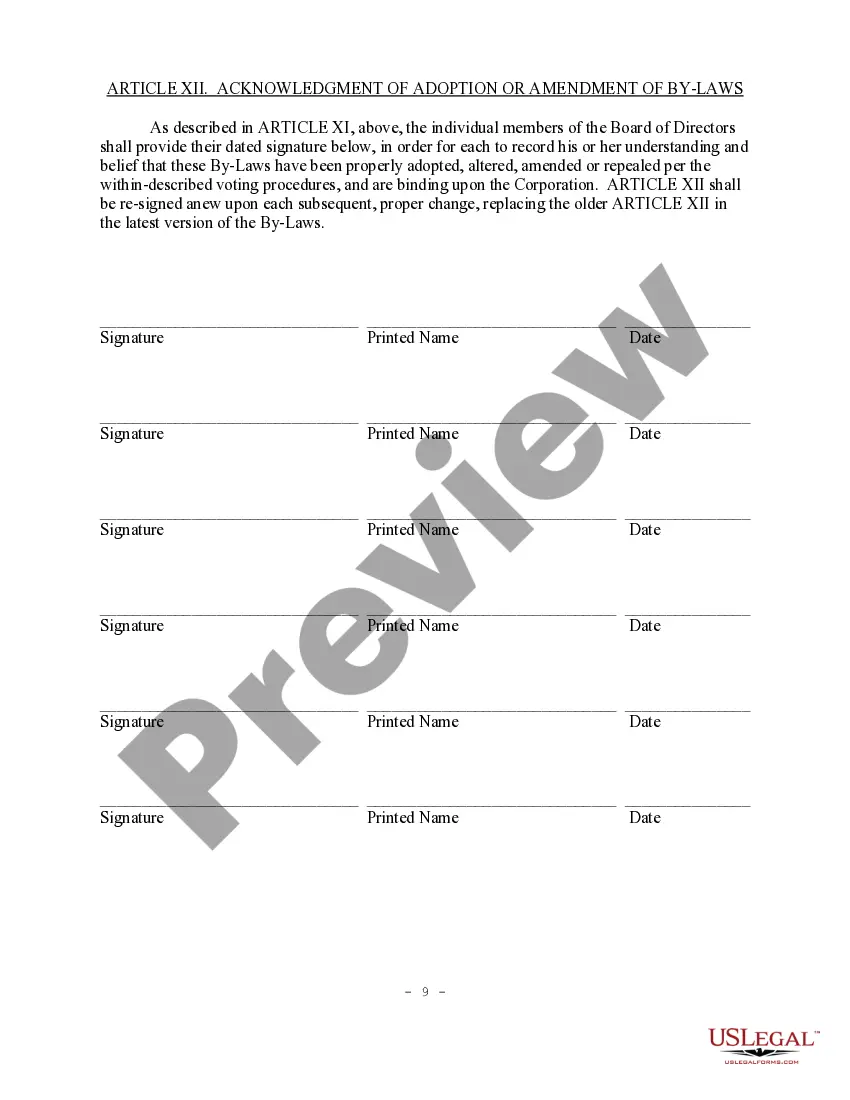


Get your form ready online
Our built-in tools help you complete, sign, share, and store your documents in one place.
Make edits, fill in missing information, and update formatting in US Legal Forms—just like you would in MS Word.
Download a copy, print it, send it by email, or mail it via USPS—whatever works best for your next step.
Sign and collect signatures with our SignNow integration. Send to multiple recipients, set reminders, and more. Go Premium to unlock E-Sign.
If this form requires notarization, complete it online through a secure video call—no need to meet a notary in person or wait for an appointment.
We protect your documents and personal data by following strict security and privacy standards.

Make edits, fill in missing information, and update formatting in US Legal Forms—just like you would in MS Word.

Download a copy, print it, send it by email, or mail it via USPS—whatever works best for your next step.

Sign and collect signatures with our SignNow integration. Send to multiple recipients, set reminders, and more. Go Premium to unlock E-Sign.

If this form requires notarization, complete it online through a secure video call—no need to meet a notary in person or wait for an appointment.

We protect your documents and personal data by following strict security and privacy standards.
Looking for another form?









Form popularity
FAQ
Disclosure Requirements Disclosure is mandated by law, often through public records and real property records. Before purchasing a home, buyers must receive a set of documents detailing the HOA's health, such as its covenants, conditions, restrictions, bylaws, rules, and financial statements.
The power of HOAs. An HOA has the authority to enforce the rules and regulations of the community using the community rules, or “bylaws and covenants.” These rules are considered “agreed upon” since homeowners approve them through board-elected representatives.
Texas law places limits on HOA power, including restrictions on their ability to prohibit certain types of construction like solar panels and rules against unreasonable fines or foreclosure practices. The exact limitations are outlined in state statutes, which are intended to protect homeowners' rights.
Duties and powers of an HOA's board, granted under the TPC and the community's declaration, include enforcing covenants, adopting budgets, assessing and collecting member fees, appointing of agents to act on the association's behalf, maintaining of commons areas, and acting on behalf of the association in legal matters ...
The association's governing documents will often provide a way to submit a complaint directly to the association. If a property owners' association violates a provision of the Texas Residential Property Owners Protection Act, the property owner may sue the association in a Justice of the Peace court.
Starting January 1, 2024, the HOA fines associated with things like overgrown landscaping, parking violation, house alterations and more become clearer. "Sometimes it's a matter of lack of communication that happens in some HOAs,” he said. “And the intent of this bill is to make sure that that communication happens."
Depending on the organizational form of the entity, however, the home or property owners' association may not be required to register with the secretary of state.
House Bill 614 guarantees your right to a hearing before the HOA board to contest the violation or the proposed fine. This ensures a fair and transparent process where you can voice your concerns and advocate for your interests.
Notably, Texas HOA's with 60 or more lots are legally required to have an HOA Website, ensuring transparency and accessibility for all members. The HOA Website Law in Texas is designed to facilitate better communication and provide a centralized location for important association information.
Certificates are filed in the county where the property is located and electronically in the Homeowners' Association Management Certificate Database. They often include contact information, mailing address, and website where governing documents can be found.
