Bylaws And Regulations For Nonprofits In Santa Clara
Description

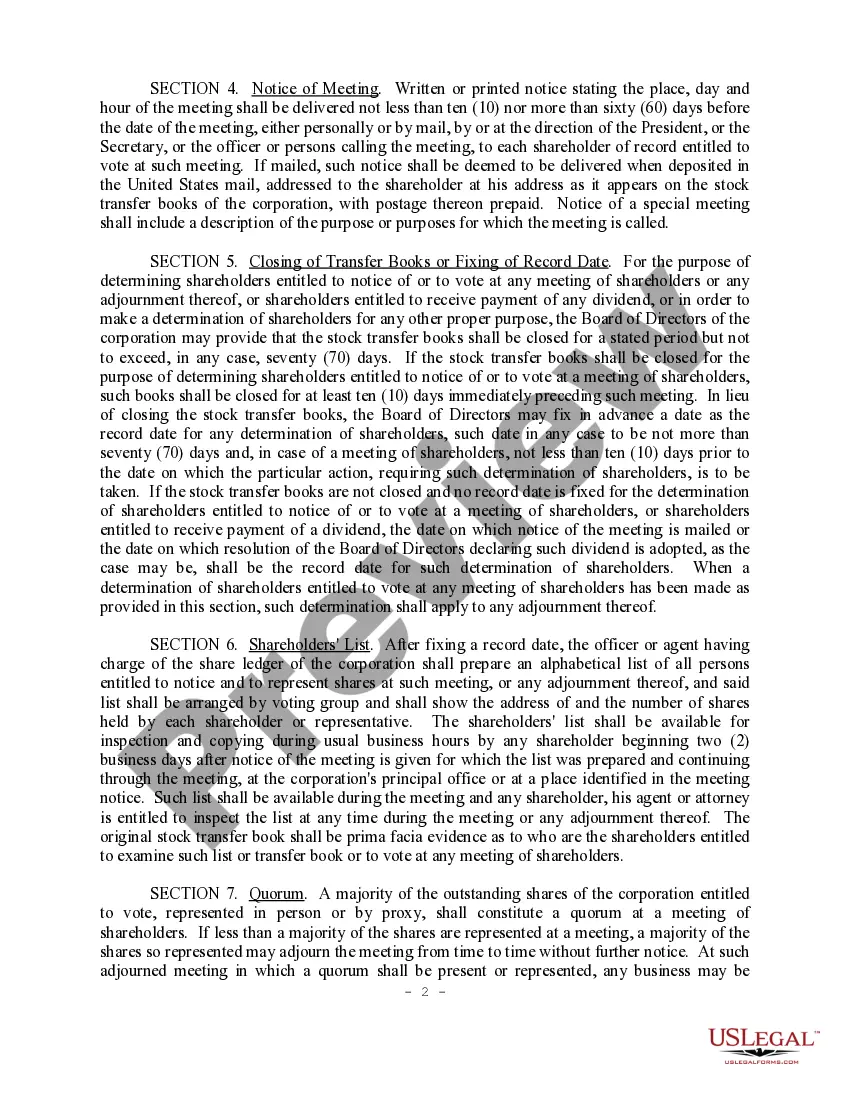
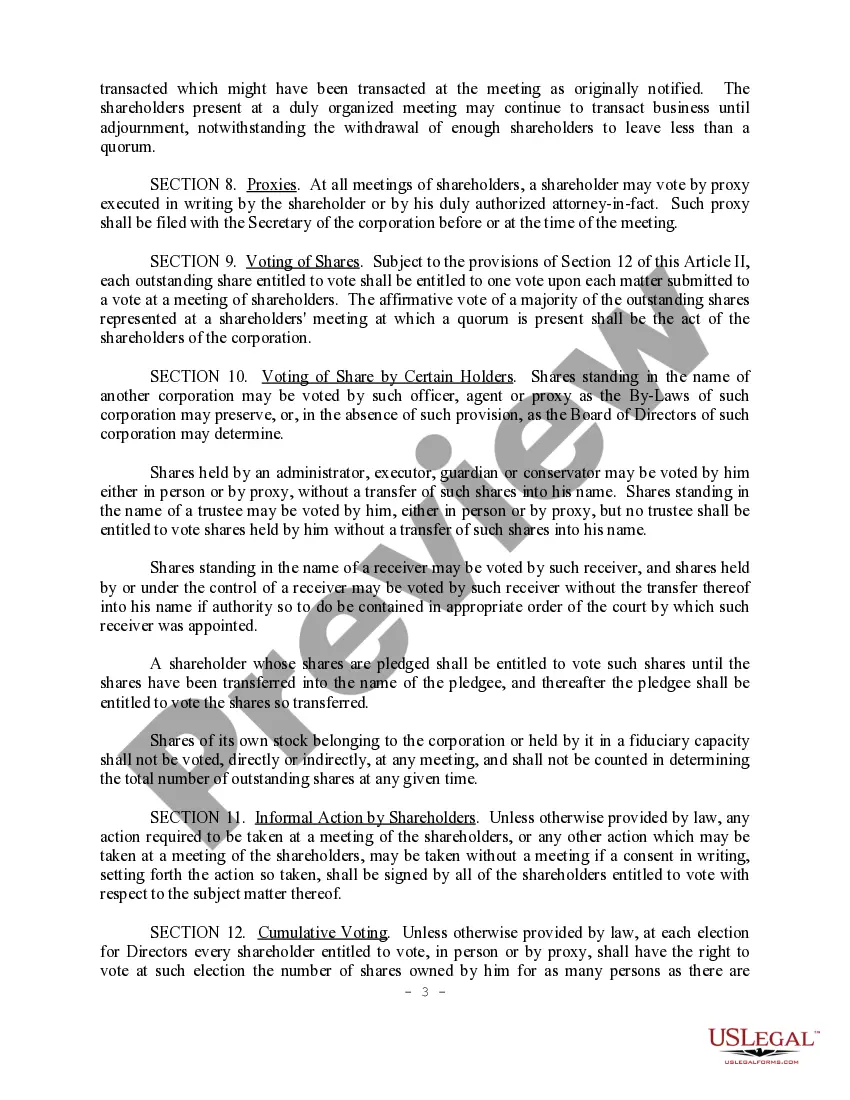
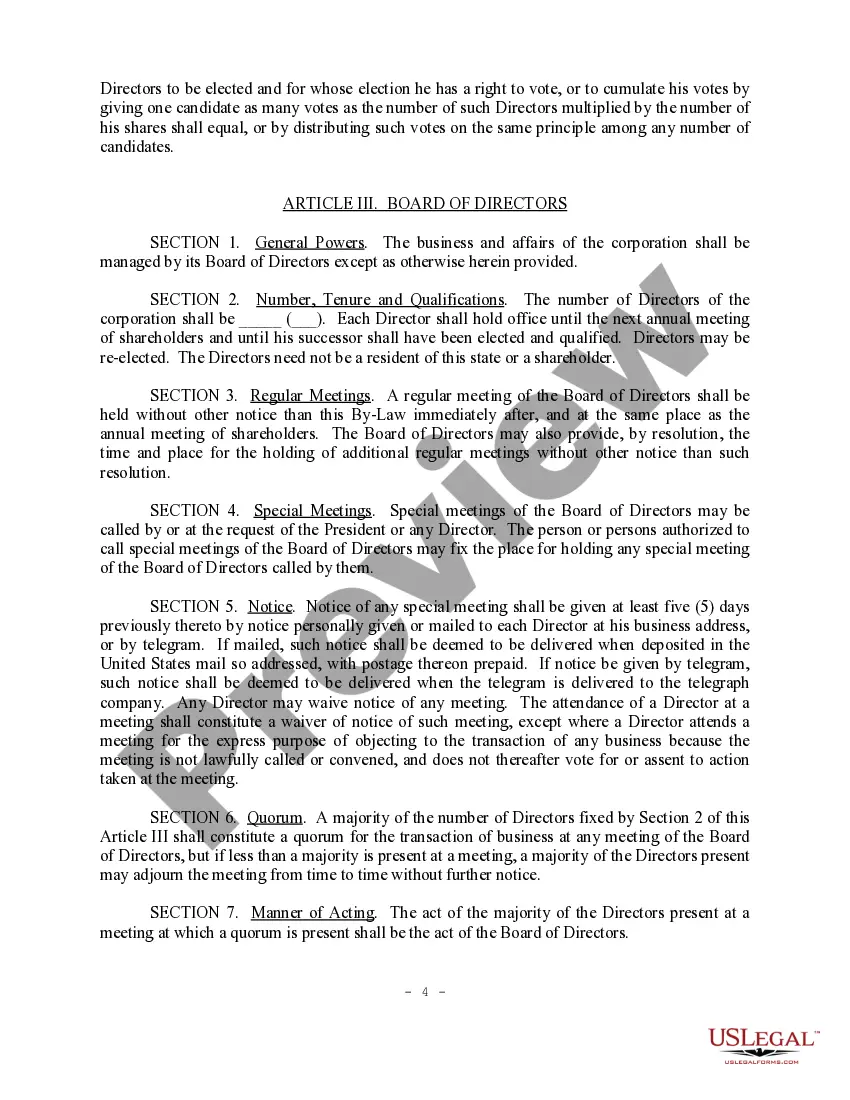
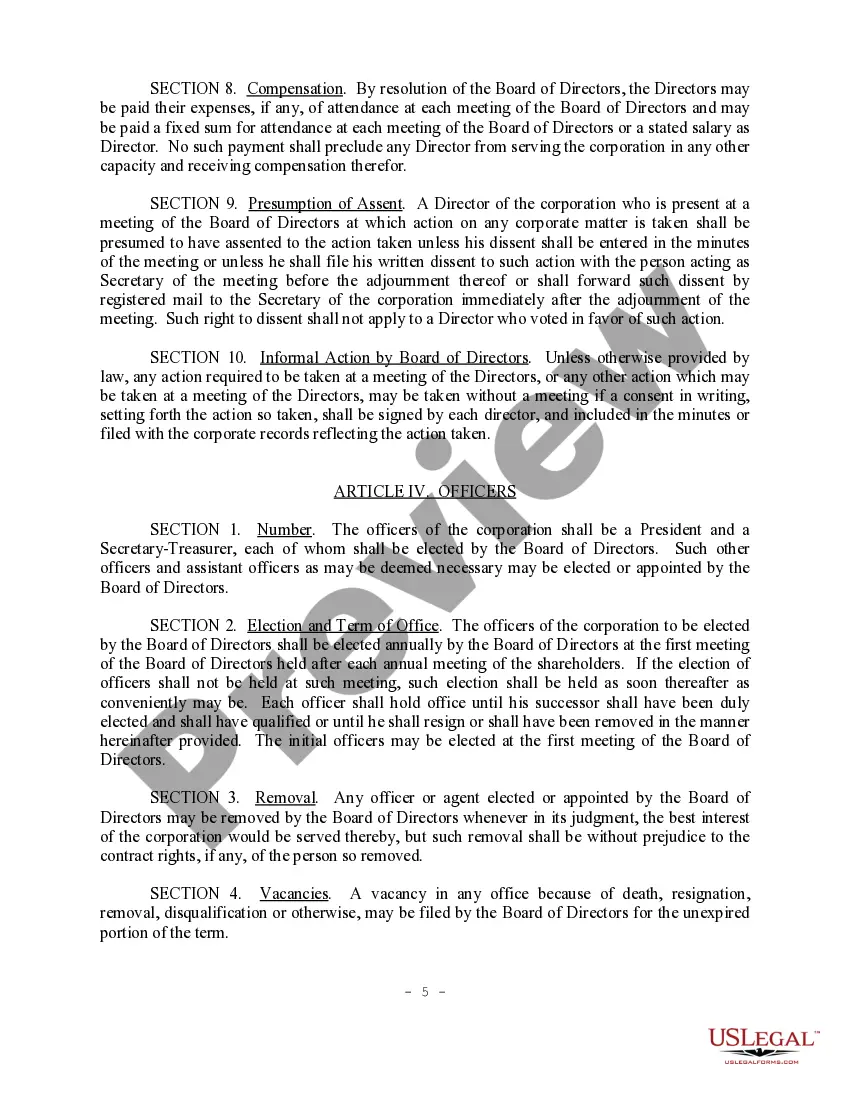
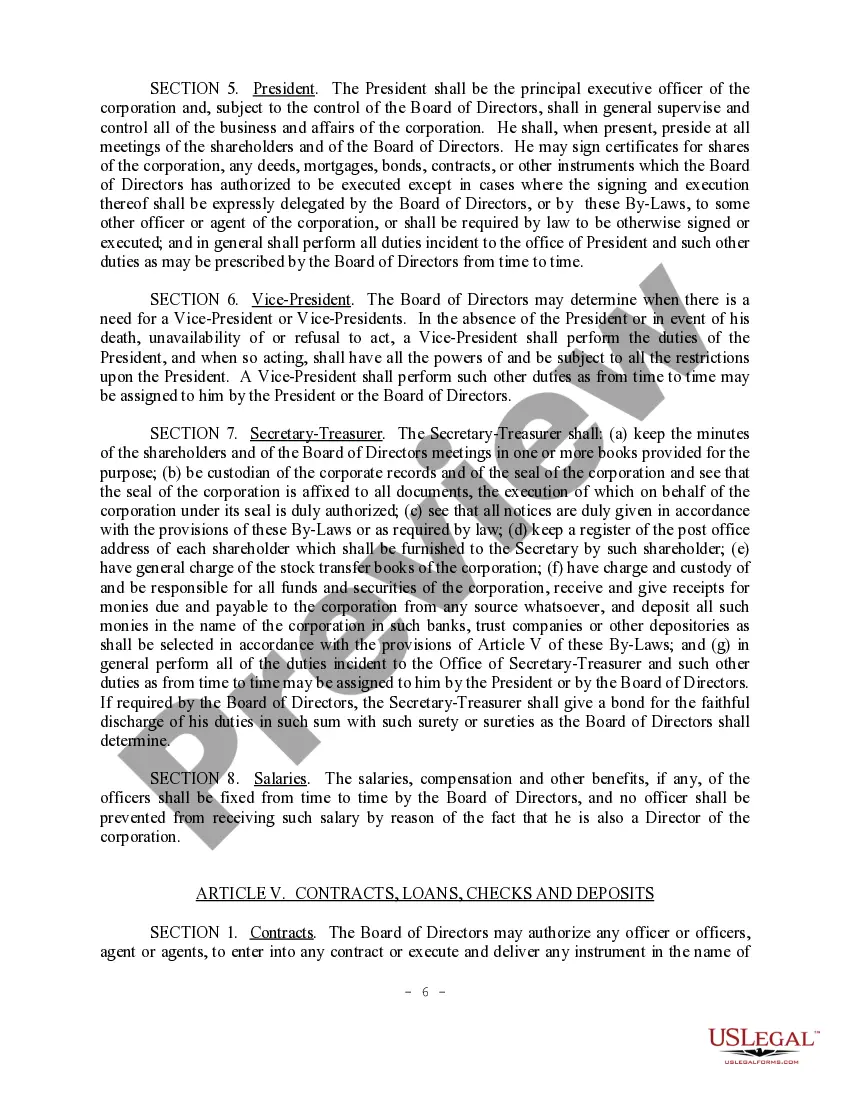
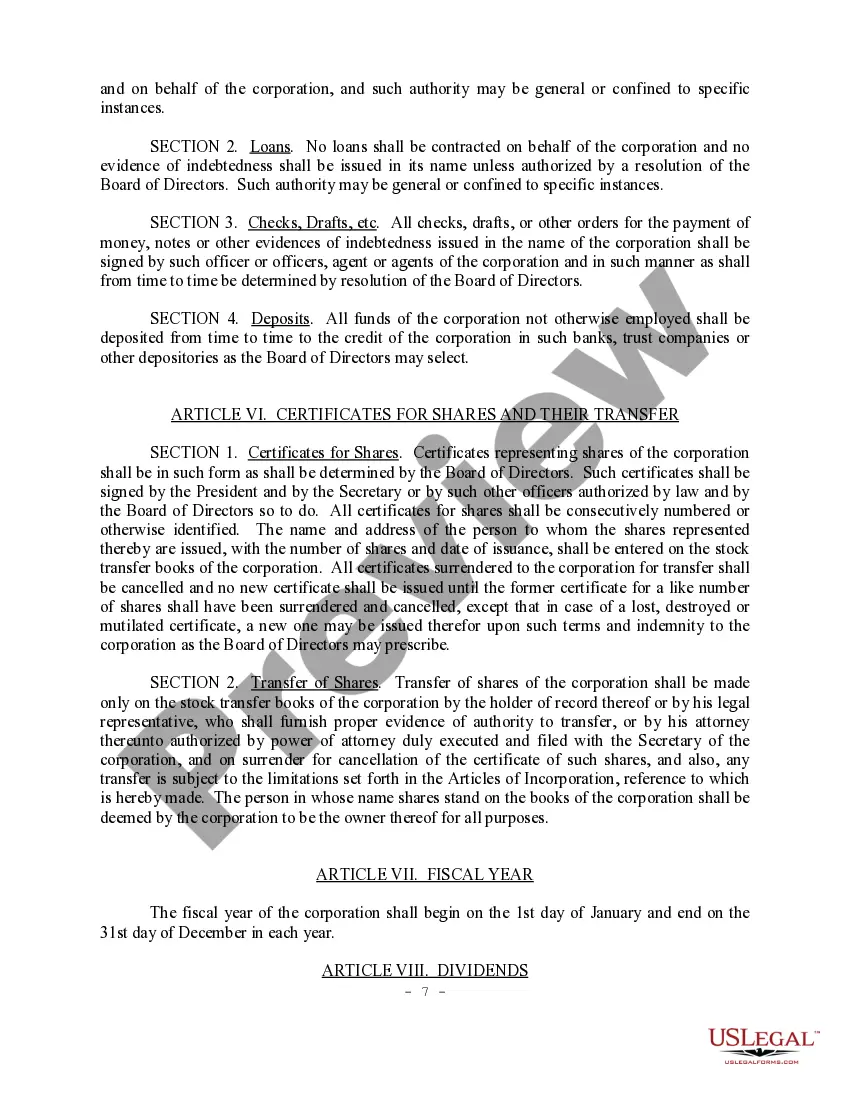
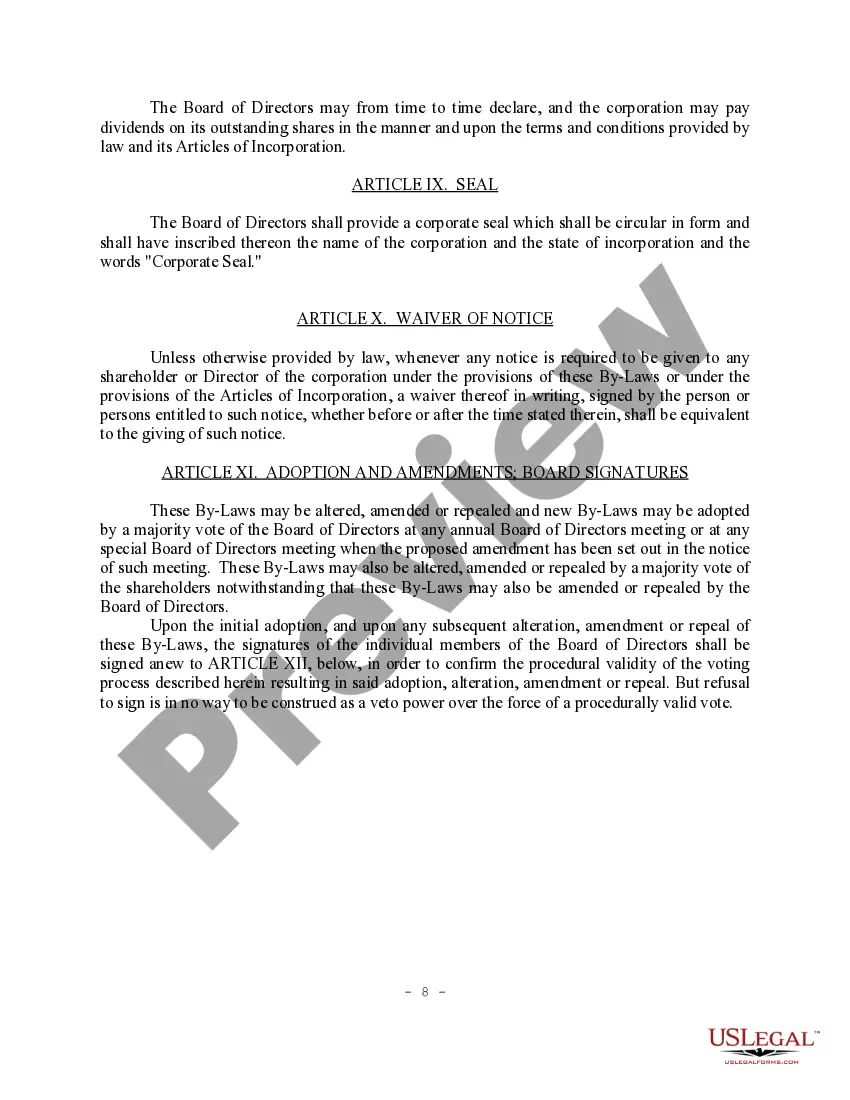
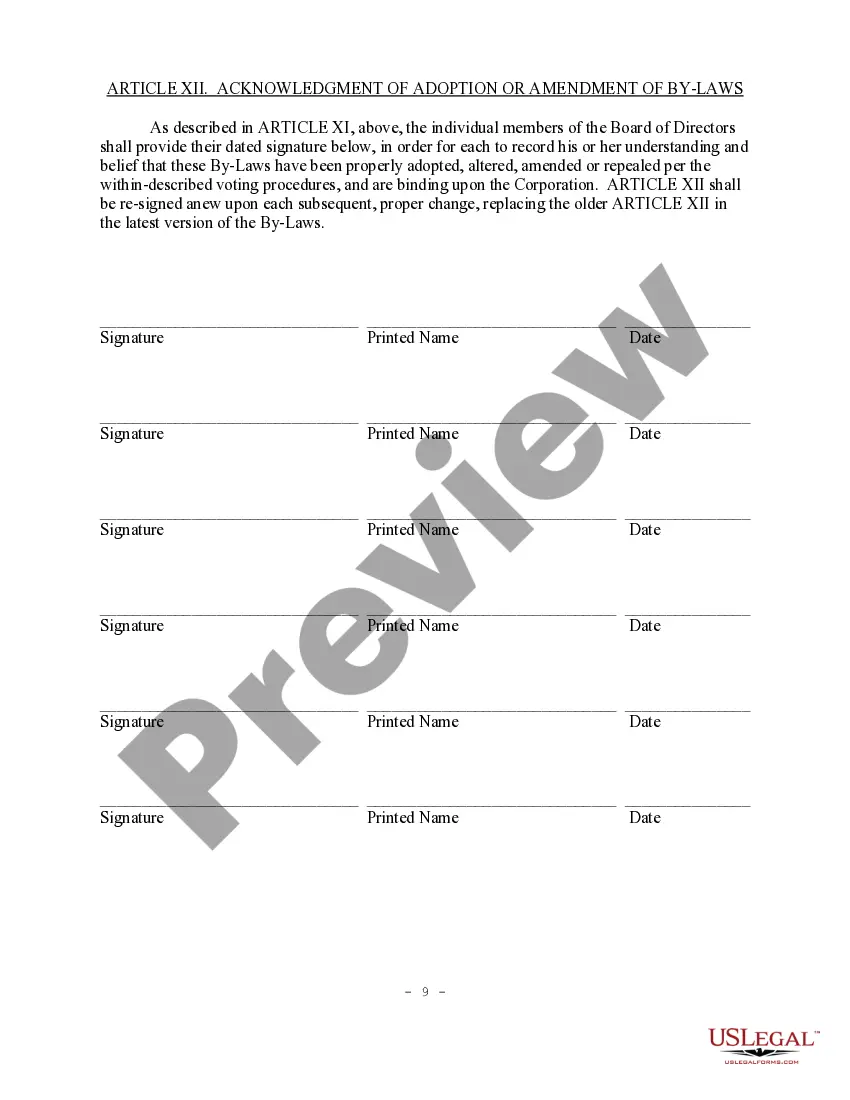
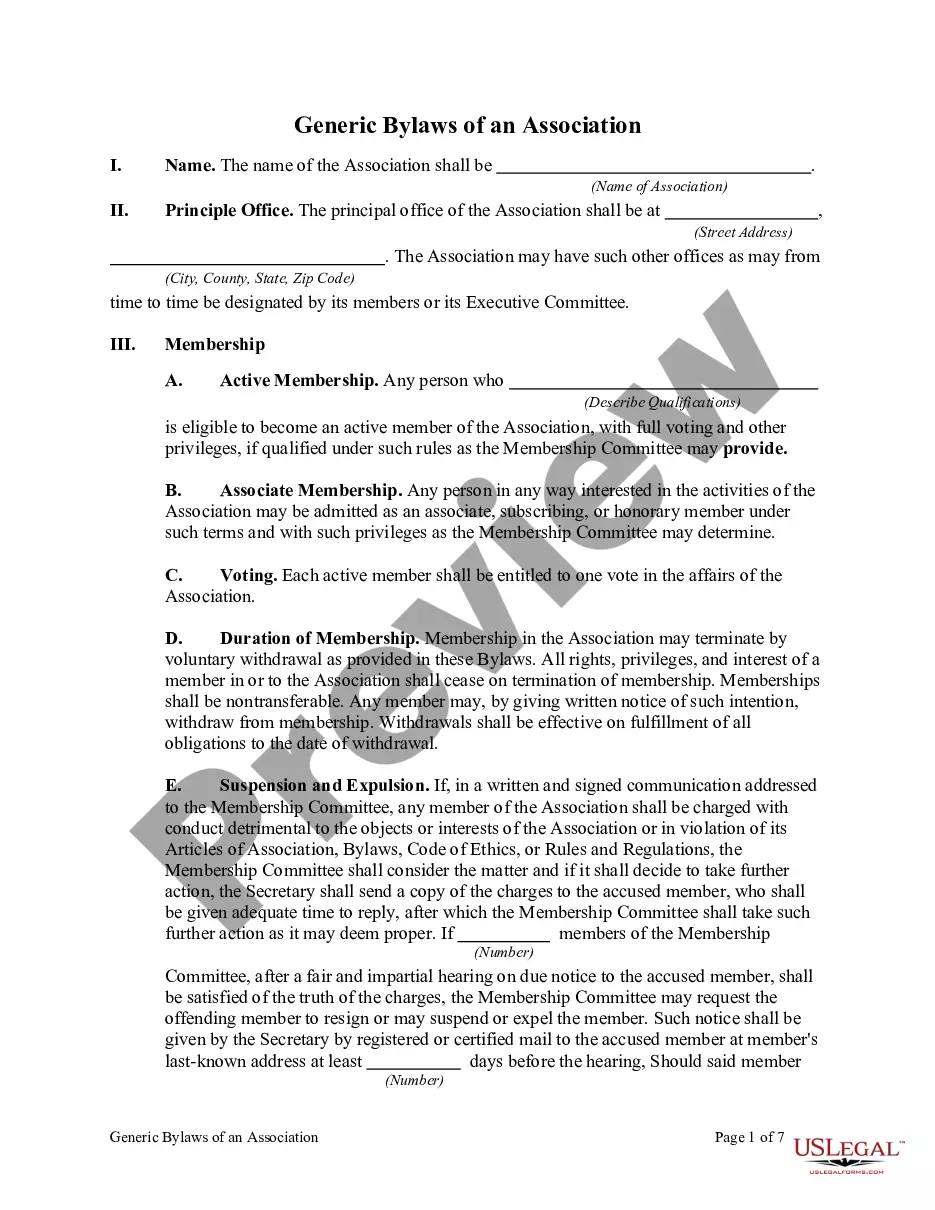
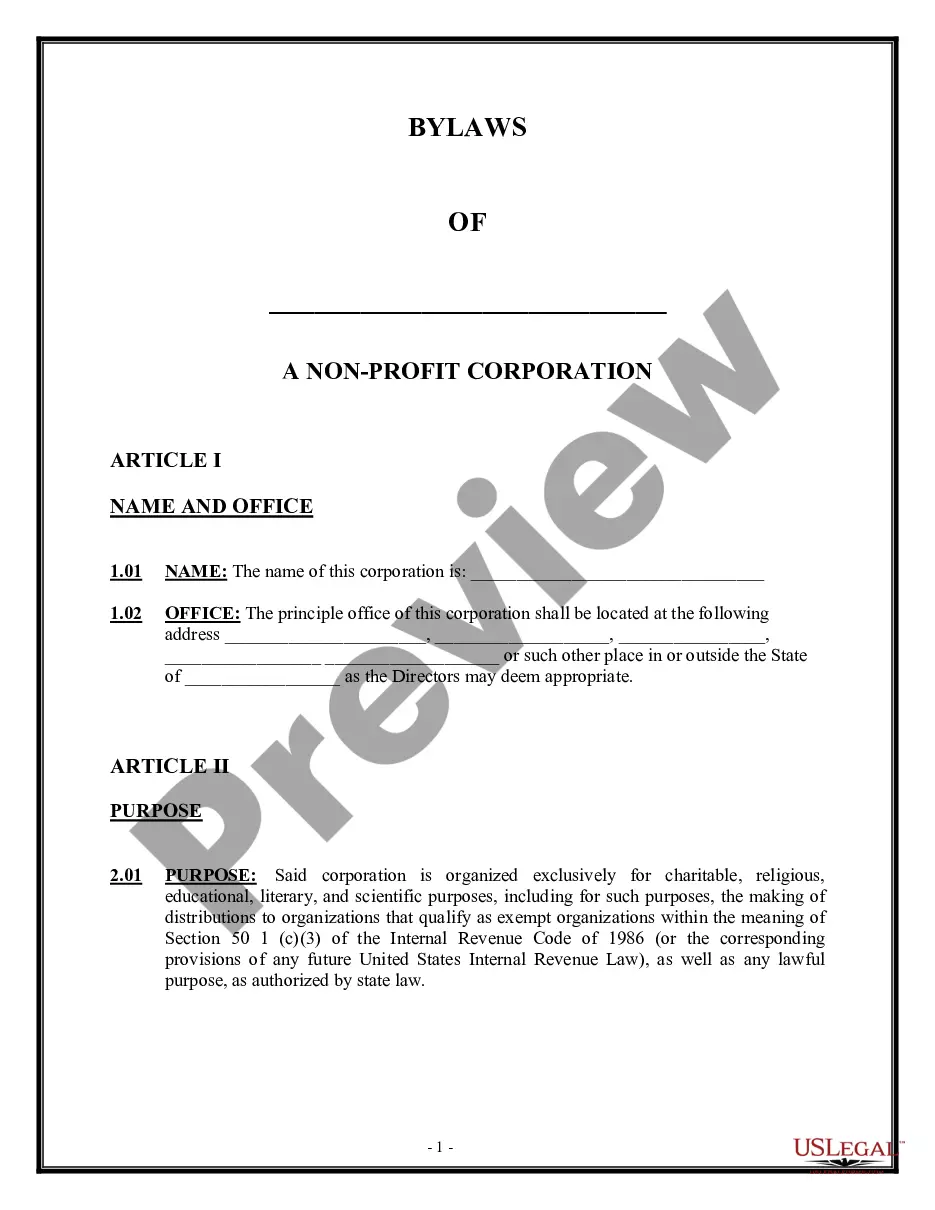
Get your form ready online
Our built-in tools help you complete, sign, share, and store your documents in one place.
Make edits, fill in missing information, and update formatting in US Legal Forms—just like you would in MS Word.
Download a copy, print it, send it by email, or mail it via USPS—whatever works best for your next step.
Sign and collect signatures with our SignNow integration. Send to multiple recipients, set reminders, and more. Go Premium to unlock E-Sign.
If this form requires notarization, complete it online through a secure video call—no need to meet a notary in person or wait for an appointment.
We protect your documents and personal data by following strict security and privacy standards.

Make edits, fill in missing information, and update formatting in US Legal Forms—just like you would in MS Word.

Download a copy, print it, send it by email, or mail it via USPS—whatever works best for your next step.

Sign and collect signatures with our SignNow integration. Send to multiple recipients, set reminders, and more. Go Premium to unlock E-Sign.

If this form requires notarization, complete it online through a secure video call—no need to meet a notary in person or wait for an appointment.

We protect your documents and personal data by following strict security and privacy standards.
Looking for another form?




Form popularity
FAQ
Charter and Bylaws respectively, mean with respect to any corporation, those instruments that, among other things, (i) define its existence, as filed or recorded with the applicable Authority, including such corporation's Articles or Certificate of Incorporation, and (ii) otherwise govern its internal affairs, in each ...
Charters are legal documents that legally set up corporate companies. Only national and regional governments are authorised to issue charters. For a company to be chartered, they must have established themselves as partnerships, sole proprietorship, or any other similar structures.
An organizational charter, often referred to as a “charter” for short, is a formal document that outlines an organization's purpose, mission, values, goals, and structure.
Although organizations don't need to file these bylaws with the state, California law requires that the treasurer or other designated member of the organization maintains a copy on file.
Stat. § 460/4 | Effective Jan. 1, 2024, a charitable organization with annual contributions more than $500,000 must file an audited financial statement prepared by an independent CPA. A charitable organization with contributions between $300,000 and $500,000 must file a financial statement with the Attorney General.
The Attorney General regulates charities and the professional fundraisers who solicit on their behalf. The purpose of this oversight is to protect charitable assets for their intended use and ensure that the charitable donations contributed by Californians are not misapplied and squandered through fraud or other means.
Charities must include a trustees' annual report alongside their financial statements, providing insights into the organisation's activities, achievements, and governance arrangements. The trustees' annual report should also include a statement of public benefit and other required disclosures.
§ 460/4 | Effective Jan. 1, 2024, a charitable organization with annual contributions more than $500,000 must file an audited financial statement prepared by an independent CPA. A charitable organization with contributions between $300,000 and $500,000 must file a financial statement with the Attorney General.
Although unusual there may be a requirement for an audit in your governing document, and the Charity Commission, or a funder may also require an audit report. If the above do not apply, you will require an independent examiner's report instead.
Charitable nonprofits that expend $750,000 or more in federal funds in a year are subject to special audit requirements. Some contracts with state and local governments to provide services in the community may require the nonprofit to conduct an independent audit.
