Hoa Bylaws Template With Regulations In Philadelphia
Description

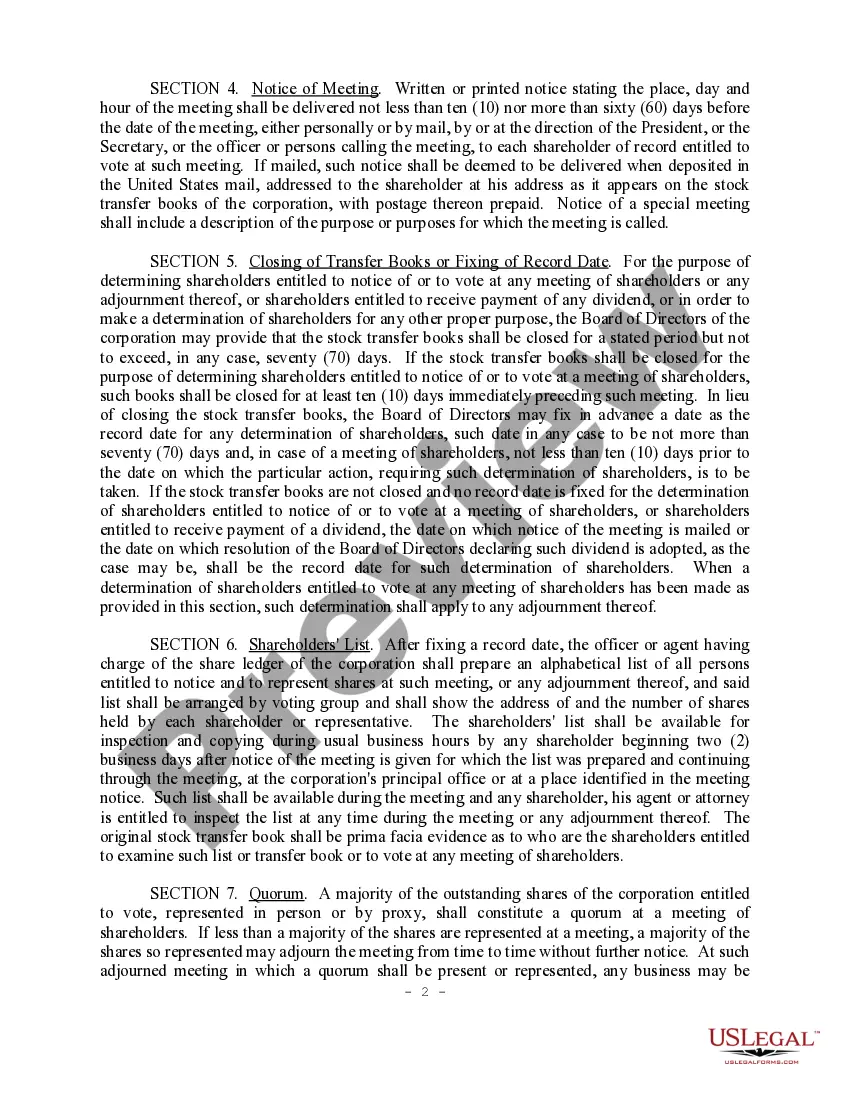
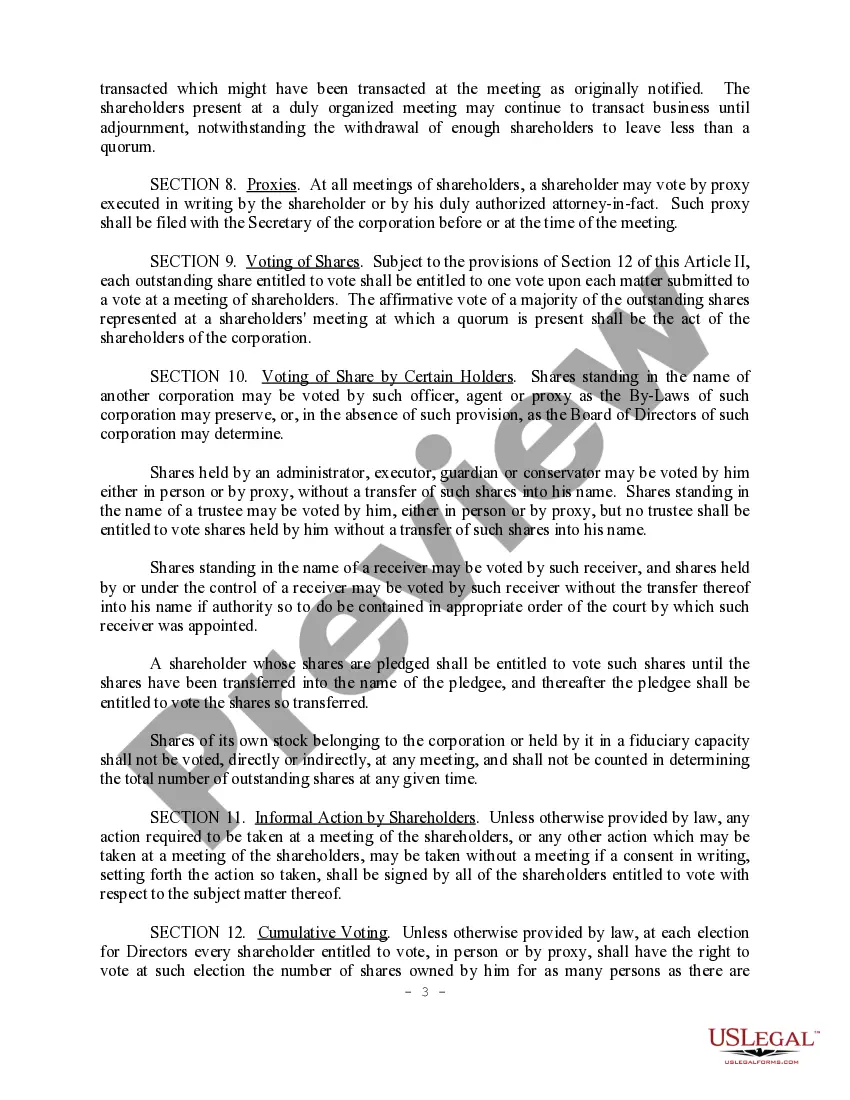
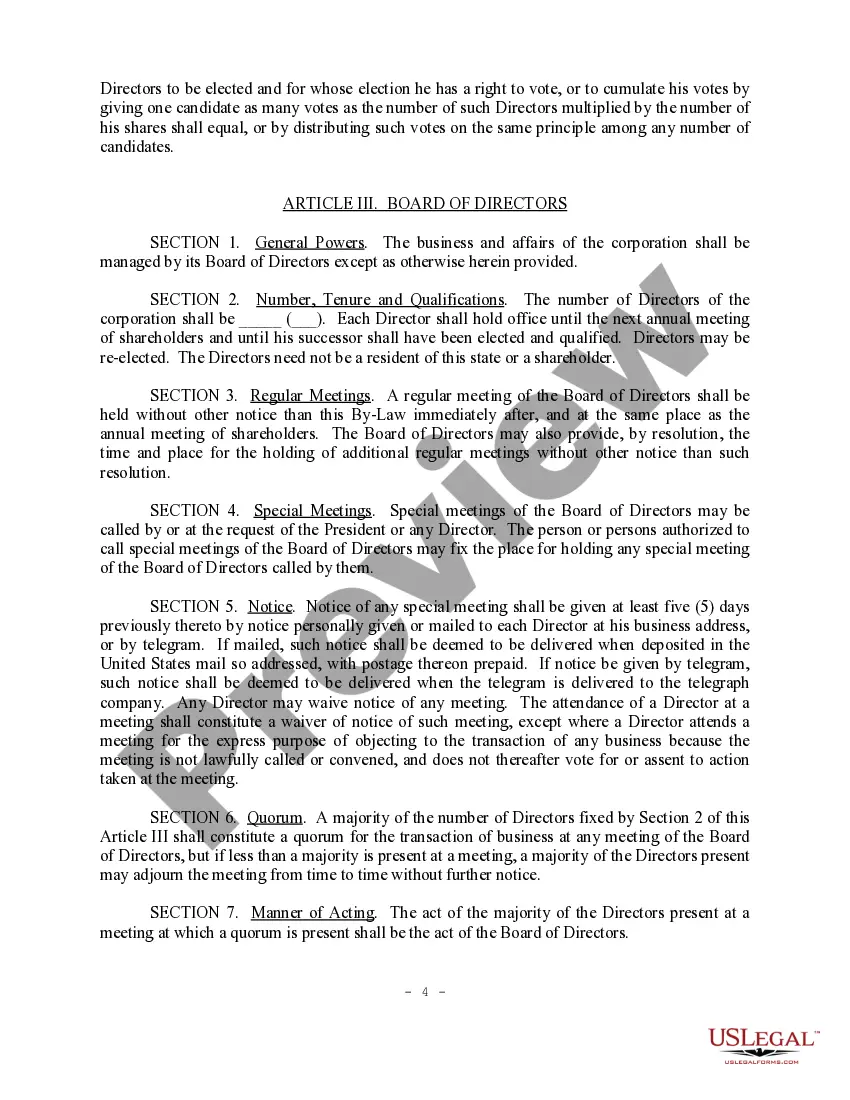
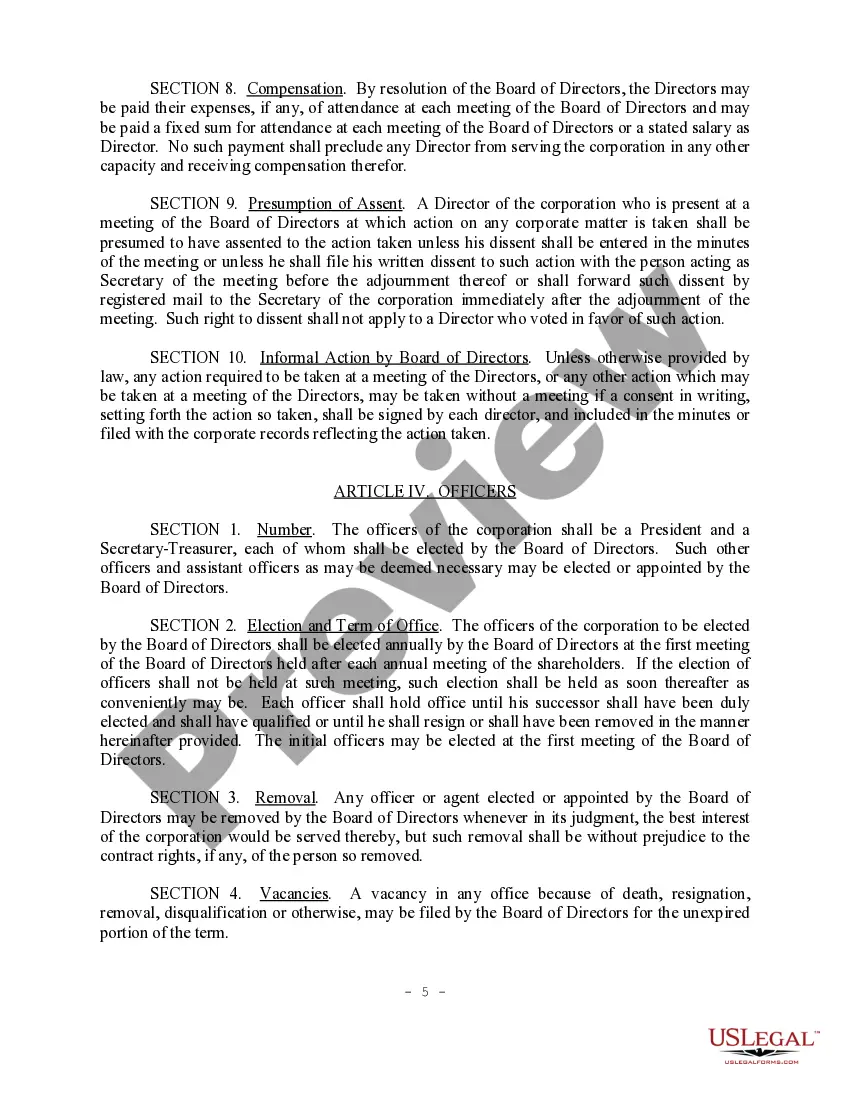


Get your form ready online
Our built-in tools help you complete, sign, share, and store your documents in one place.
Make edits, fill in missing information, and update formatting in US Legal Forms—just like you would in MS Word.
Download a copy, print it, send it by email, or mail it via USPS—whatever works best for your next step.
Sign and collect signatures with our SignNow integration. Send to multiple recipients, set reminders, and more. Go Premium to unlock E-Sign.
If this form requires notarization, complete it online through a secure video call—no need to meet a notary in person or wait for an appointment.
We protect your documents and personal data by following strict security and privacy standards.

Make edits, fill in missing information, and update formatting in US Legal Forms—just like you would in MS Word.

Download a copy, print it, send it by email, or mail it via USPS—whatever works best for your next step.

Sign and collect signatures with our SignNow integration. Send to multiple recipients, set reminders, and more. Go Premium to unlock E-Sign.

If this form requires notarization, complete it online through a secure video call—no need to meet a notary in person or wait for an appointment.

We protect your documents and personal data by following strict security and privacy standards.
Looking for another form?







Form popularity
FAQ
In Philadelphia, PA, homeowner associations (HOAs) must comply with both state and federal regulations. Enforcing the rules and resolving disputes are key responsibilities of an HOA. These tasks ensure fair treatment and address any violations within the community.
For instance, in Pennsylvania, HOAs are regulated by the Uniformed Planned Community Act (UPCA). This act applies to all planned communities with more than 12 units and creates responsibilities for HOAs to oversee these communities. That said, HOAs typically have documents that regulate themselves.
Finally, is an HOA considered a local government? No—HOAs are not considered a local government entity. While they do hold some administrative functions for a community, such as collecting assessments and enforcing rules, they do not possess the authority granted to real government bodies.
Federal Law Supersedes State Law. While a municipality can write local laws they can be stricter than the State law (as long as they do not run counter to the State or U.S. Constitution) But cannot contradict state law.
The local law supersedes the rules and regulations of the HOA, meaning that HOAs must ensure they are operating under the law.
Once you buy a home that's part of an HOA, you automatically become a member of the HOA. HOA rules are legally binding, and you must adhere to all rules and regulations in the governing document. Yes, there are bylaws that you may not like, but there are no HOA loopholes.
No, there is not a way to ``leave the HOA'' without moving. The HOA covenants are tied to the property permanently.
The best way to strategize on short-term rental restrictions is to speak to a board member. At the same time, you can consult the CC&Rs' (Covenants, conditions, and restrictions) advice. Knowing the potential risks of getting around HOA's restrictions is important. And we highly recommend doing it the legal way.
For instance, in Pennsylvania, HOAs are regulated by the Uniformed Planned Community Act (UPCA). This act applies to all planned communities with more than 12 units and creates responsibilities for HOAs to oversee these communities. That said, HOAs typically have documents that regulate themselves.
