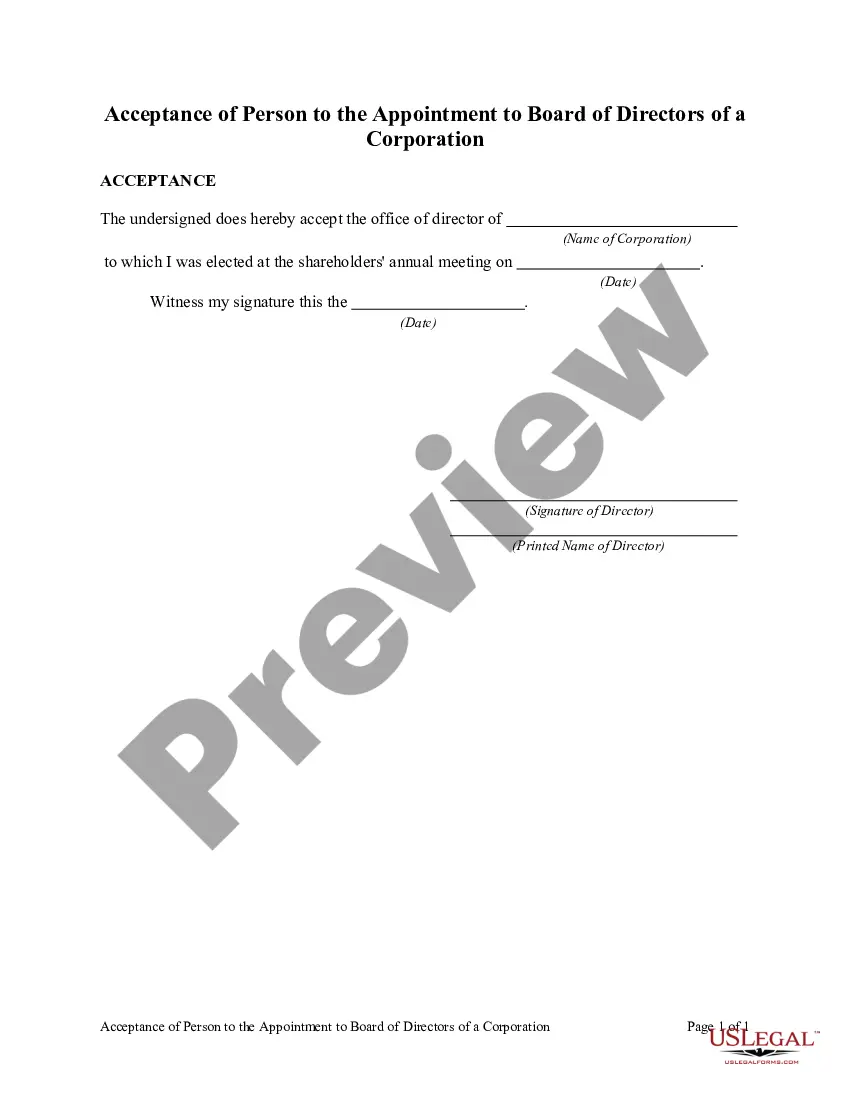
Hoa Bylaws Template For Corporation In Palm Beach
Description











Get your form ready online
Our built-in tools help you complete, sign, share, and store your documents in one place.
Make edits, fill in missing information, and update formatting in US Legal Forms—just like you would in MS Word.
Download a copy, print it, send it by email, or mail it via USPS—whatever works best for your next step.
Sign and collect signatures with our SignNow integration. Send to multiple recipients, set reminders, and more. Go Premium to unlock E-Sign.
If this form requires notarization, complete it online through a secure video call—no need to meet a notary in person or wait for an appointment.
We protect your documents and personal data by following strict security and privacy standards.

Make edits, fill in missing information, and update formatting in US Legal Forms—just like you would in MS Word.

Download a copy, print it, send it by email, or mail it via USPS—whatever works best for your next step.

Sign and collect signatures with our SignNow integration. Send to multiple recipients, set reminders, and more. Go Premium to unlock E-Sign.

If this form requires notarization, complete it online through a secure video call—no need to meet a notary in person or wait for an appointment.

We protect your documents and personal data by following strict security and privacy standards.
Looking for another form?
Form popularity
FAQ
An HOA's governing documents are usually in the form of a Declaration of Covenants, Conditions, and Restrictions (CC&Rs) and bylaws. The CC&Rs explain the rules of the HOA community, while the bylaws cover how the HOA operates.
While it's fine to have a home office business such as accounting or search engine optimization, your HOA won't allow you to use your home for obvious commercial use such as manufacturing, storing large equipment, or making or receiving frequent deliveries.
Florida House Bill 1203 introduces substantial reforms aimed at increasing transparency and accountability within HOAs. This bill mandates the online posting of governing documents, including covenants, restrictions, and financial records, ensuring that you, as a homeowner, have easy access to critical information.
You might be shocked to learn that, yes, just like a bank, a homeowners association (HOA) can foreclose on a home. This type of action affects thousands of Florida homeowners, sometimes over minor amounts of overdue memberships dues and late fees every year.
The Florida Homeowners' Association Act, Chapter 720 of the Florida Statutes, states that amendments to “governing documents” for homeowners' associations are not effective until they are recorded in the public records of the county in which the community is located.
In Florida, the statute of limitations for breach of contract (such as violating your HOA covenants) is five years. The time period within which the HOA could enforce the covenant has expired, at least as it pertains to those patios that were built more than five years ago.
The state law, passed in 2022, requires associations to have sufficient reserves to cover major repairs.
In an HOA, residents own their property, but the association owns and maintains common areas, such as lobbies, pools, clubhouses, and gyms. Conversely, in a COA, owners own their individual units and a percentage of all shared property, like tennis courts, pickleball courts, sidewalks, and parking lots.
Florida House Bill 1203 introduces substantial reforms aimed at increasing transparency and accountability within HOAs. This bill mandates the online posting of governing documents, including covenants, restrictions, and financial records, ensuring that you, as a homeowner, have easy access to critical information.