Property Owners Association Bylaws For Nonprofit In Montgomery
Description

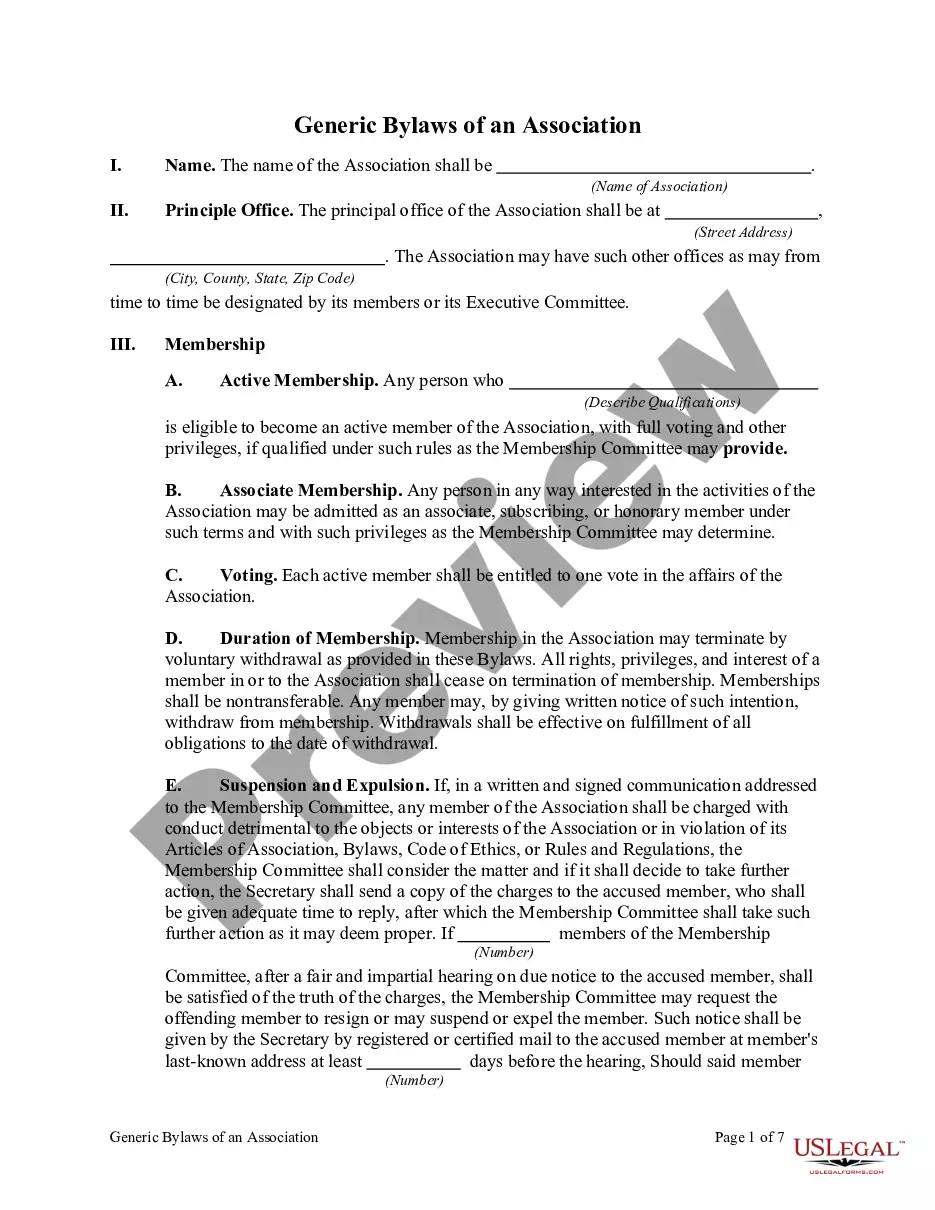
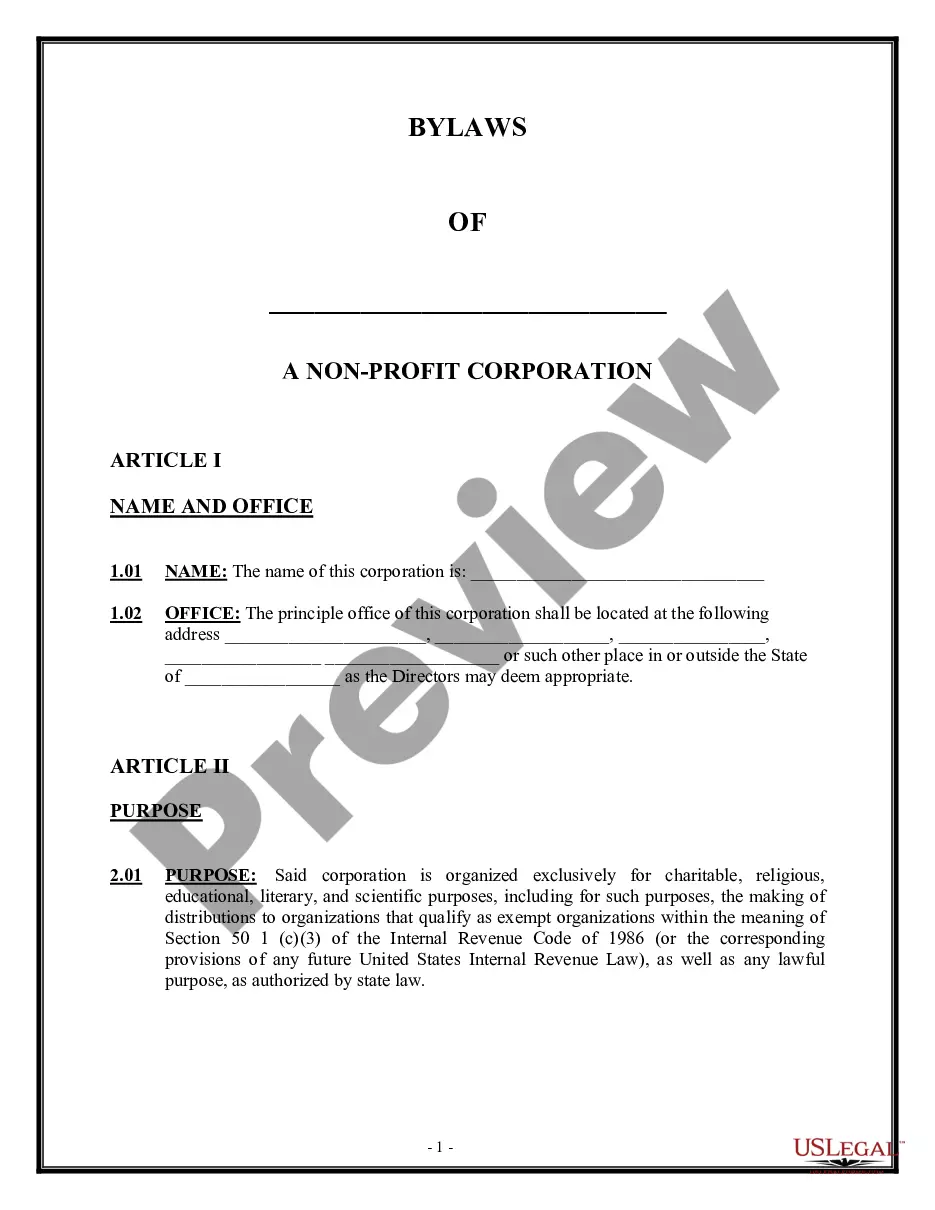
Get your form ready online
Our built-in tools help you complete, sign, share, and store your documents in one place.
Make edits, fill in missing information, and update formatting in US Legal Forms—just like you would in MS Word.
Download a copy, print it, send it by email, or mail it via USPS—whatever works best for your next step.
Sign and collect signatures with our SignNow integration. Send to multiple recipients, set reminders, and more. Go Premium to unlock E-Sign.
If this form requires notarization, complete it online through a secure video call—no need to meet a notary in person or wait for an appointment.
We protect your documents and personal data by following strict security and privacy standards.

Make edits, fill in missing information, and update formatting in US Legal Forms—just like you would in MS Word.

Download a copy, print it, send it by email, or mail it via USPS—whatever works best for your next step.

Sign and collect signatures with our SignNow integration. Send to multiple recipients, set reminders, and more. Go Premium to unlock E-Sign.

If this form requires notarization, complete it online through a secure video call—no need to meet a notary in person or wait for an appointment.

We protect your documents and personal data by following strict security and privacy standards.
Looking for another form?










Form popularity
FAQ
It is rare for the IRS to recognize an HOA as a 501(c)(3) organization. While HOAs and condo associations establish themselves as nonprofits, they are not tax-exempt organizations under 501(c)(3). The requirements for 501(c)(3) are very strict. To qualify, an organization must serve a broad public interest.
What is another word for homeowner's association? HOAcommunity association housing association neighborhood association property owners' association homeowner association property owner's association
Other states are more specific about rule change procedures. For instance, in California, Civil Code Section 4360 contains provisions on how an HOA board must go about rule changes. ing to these provisions, the board must provide the membership notice at least 28 days prior to changing the rules.
Clarity of Operating Rules An unincorporated association is recognized in California law as a legal entity. For example, it can sue and be sued. Incorporated homeowners associations likewise are recognized as legal “persons” with the power to take legal action, such as entering into contracts and bringing lawsuits.
The main difference is that covenants dictate property-related restrictions, while bylaws govern how the HOA operates — things like board elections, meeting procedures, and voting rights. Because covenants are recorded with the property deed and tied to real estate law, they generally hold more weight.
House Bill 614 guarantees your right to a hearing before the HOA board to contest the violation or the proposed fine. This ensures a fair and transparent process where you can voice your concerns and advocate for your interests.
There is no Texas state agency that oversees property owners' associations. Talking to the board or checking the association's rules can sometimes resolve misunderstandings and disagreements. The association's governing documents will often provide a way to submit a complaint directly to the association.
Step 1 Obtain a Name Reservation. - First pick a name. Step 2 File Alabama Nonprofit Certificate of Formation with Name Reservation. Step 3 Hold Organizational Meeting of the Directors to adopt Bylaws and Take Minutes. Step 4 Get a Federal Employer Identification Number (EIN) ... Step 5Apply for 501(c) (Optional)
Starting January 1, 2024, the HOA fines associated with things like overgrown landscaping, parking violation, house alterations and more become clearer. "Sometimes it's a matter of lack of communication that happens in some HOAs,” he said. “And the intent of this bill is to make sure that that communication happens."
Denial of Homeowner Applications HOAs typically have a process for homeowners to apply to make changes to their property. When the HOA does not approve of those changes, homeowners become upset and they may sue.
