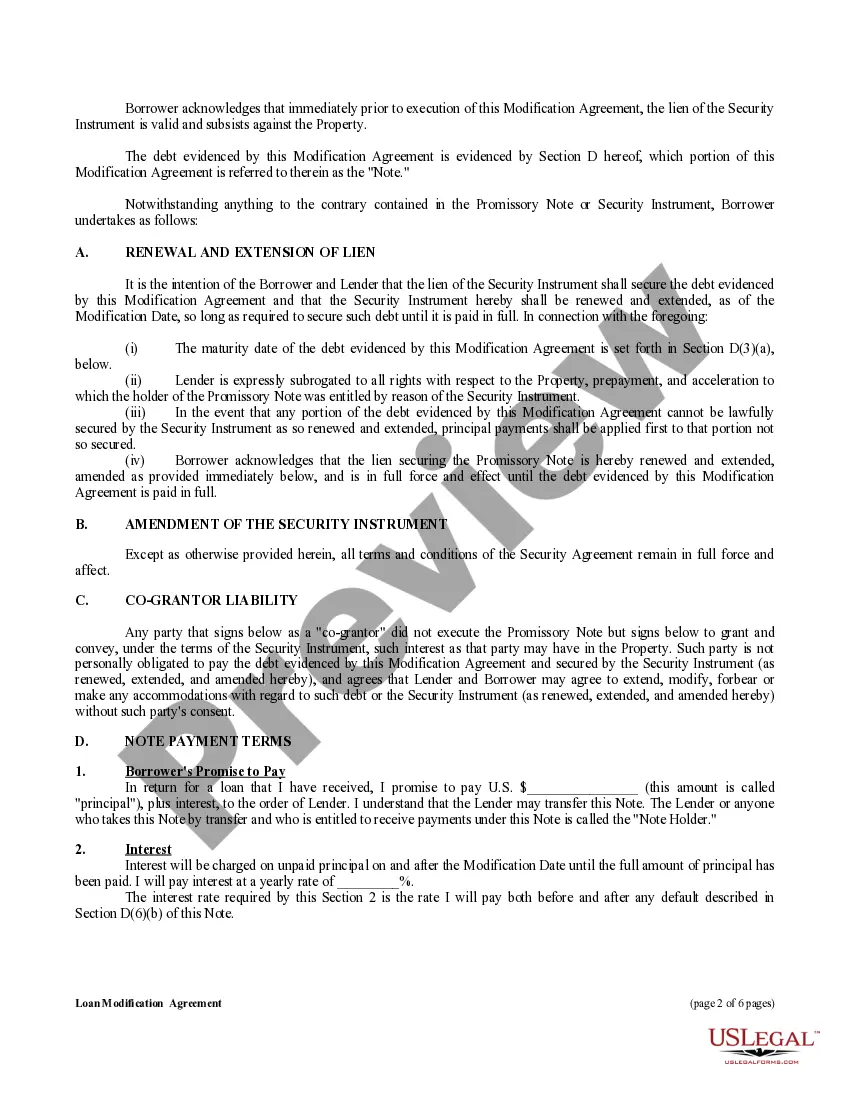
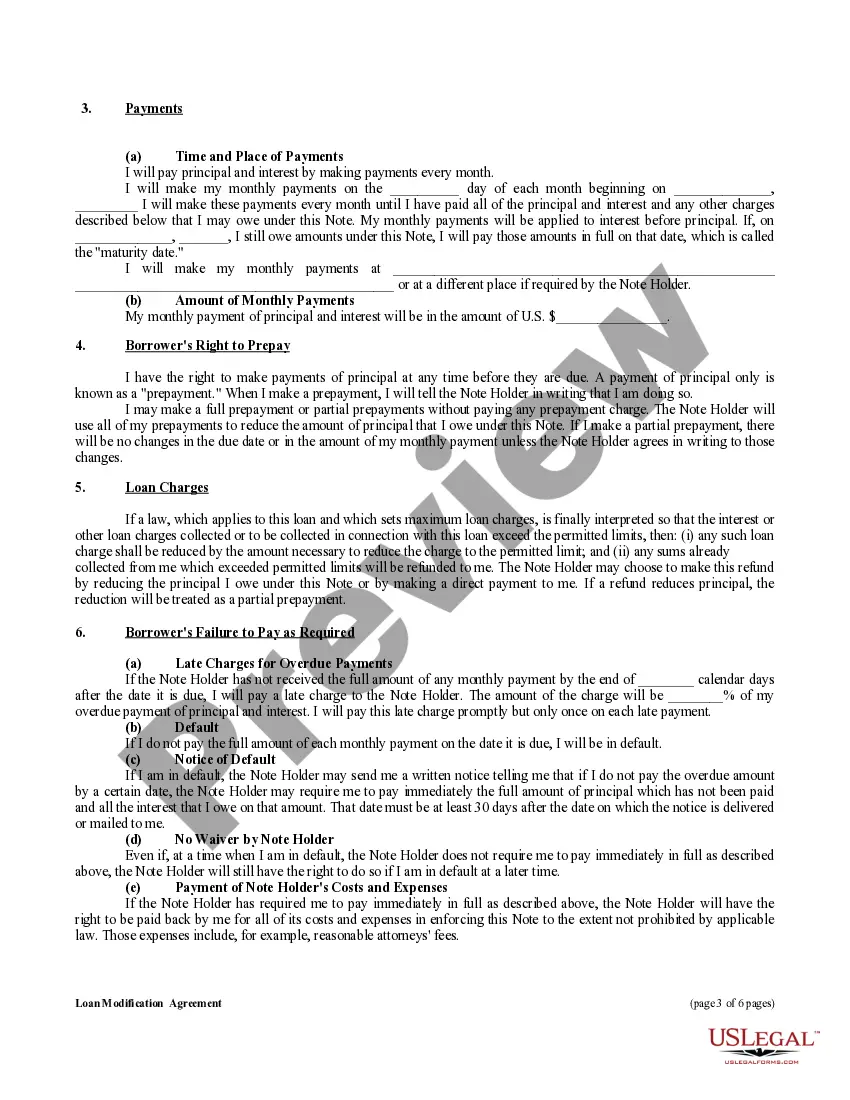
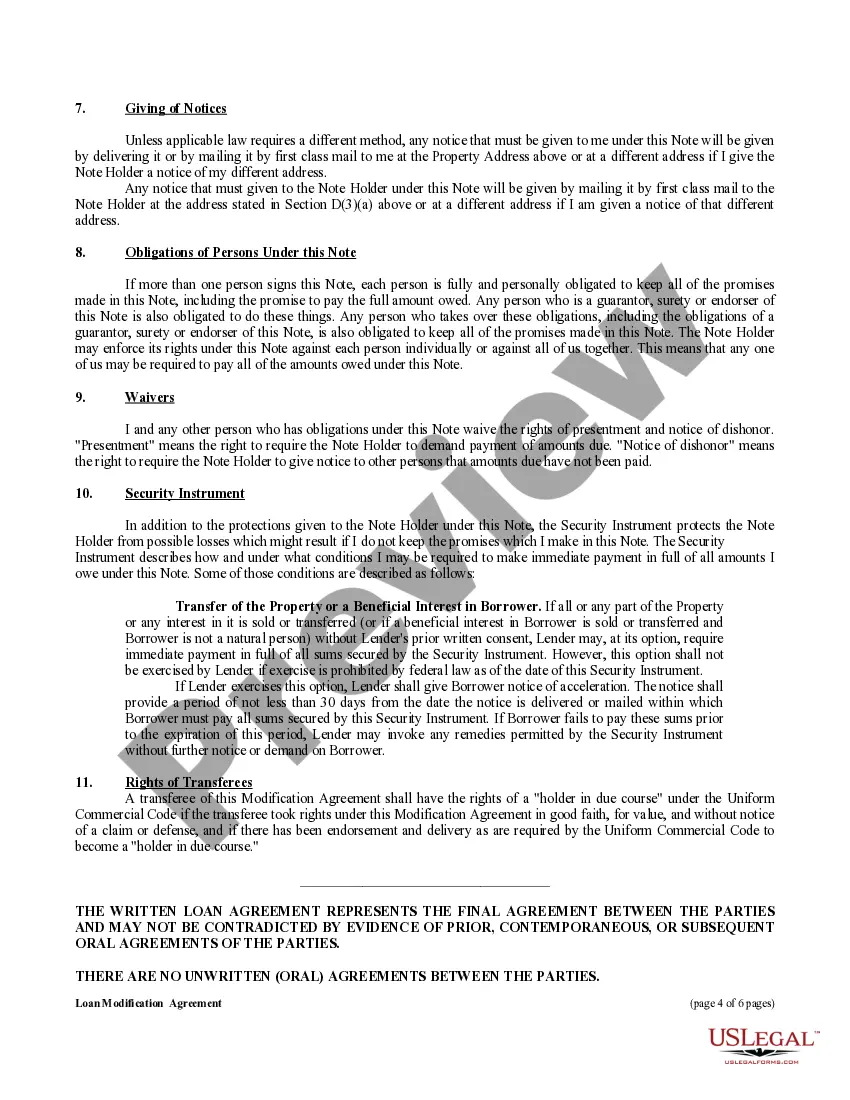
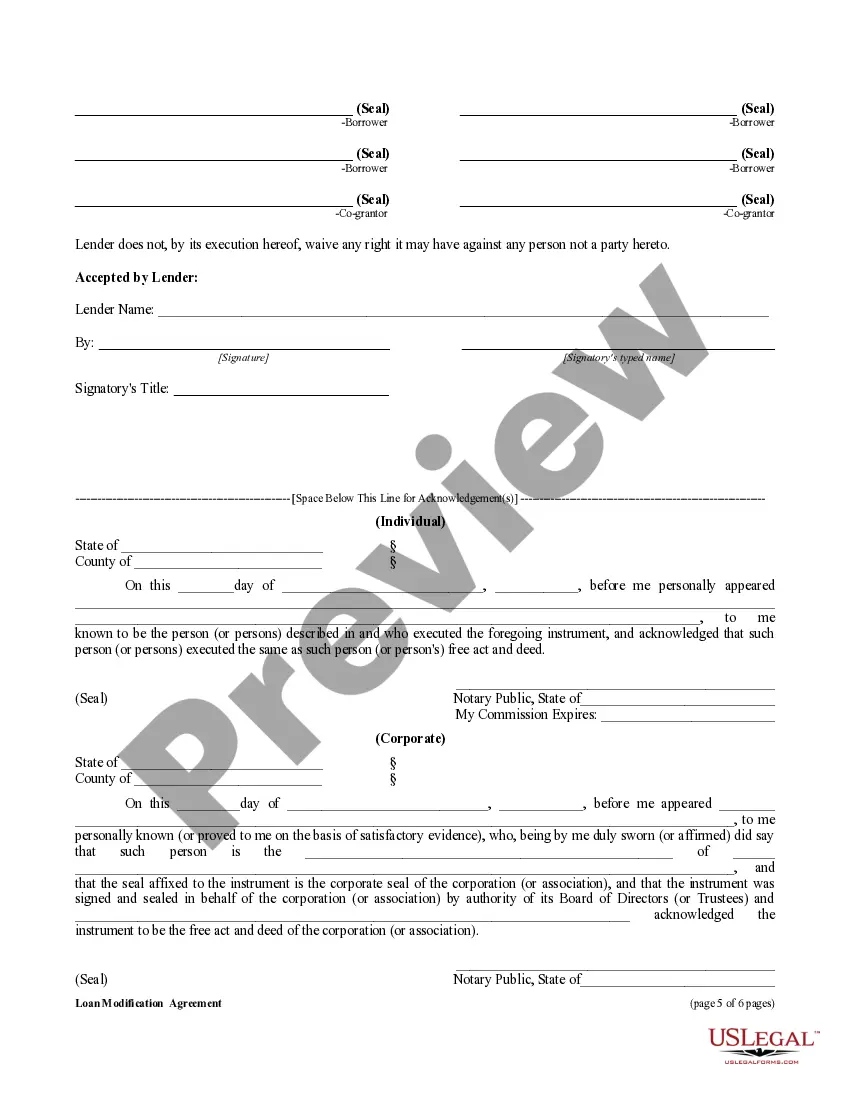
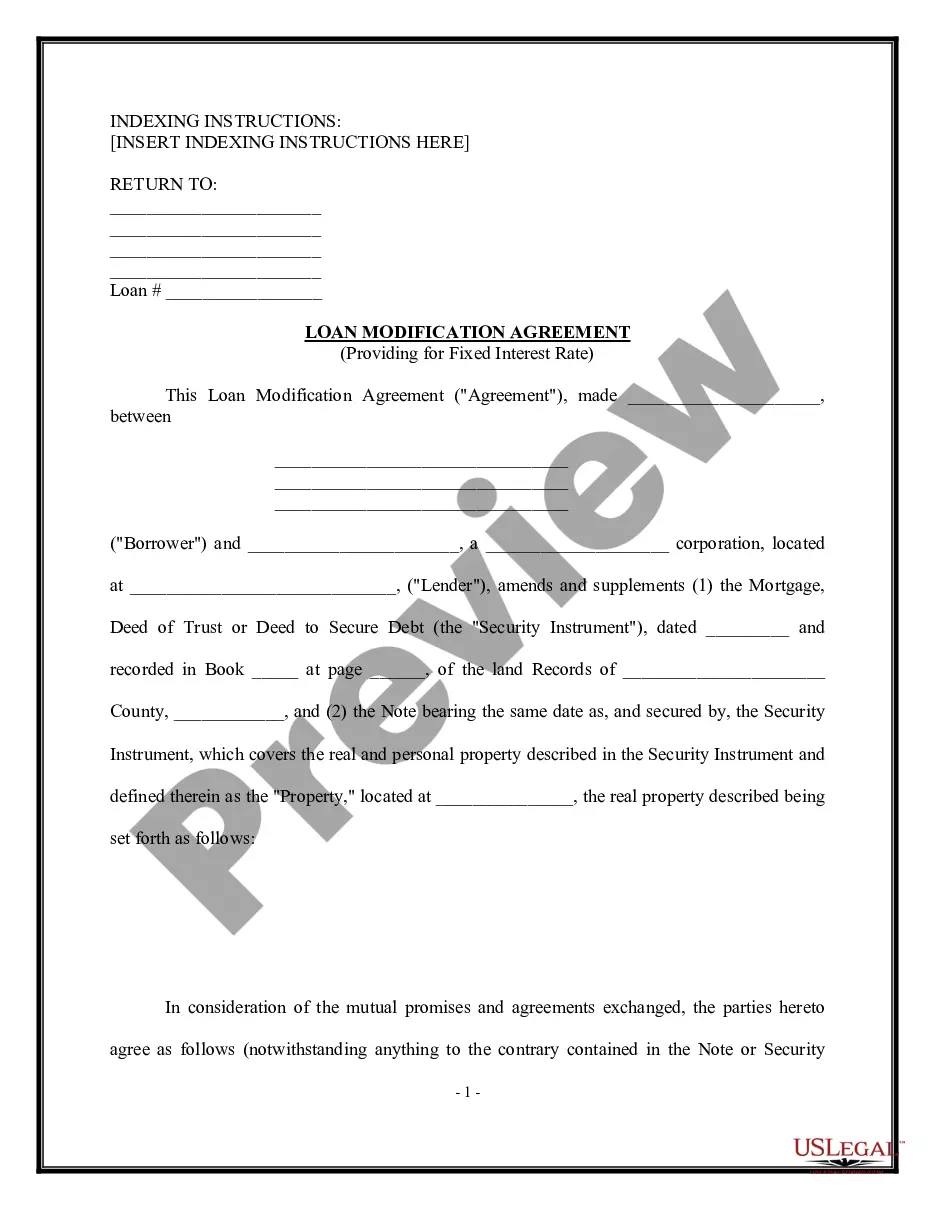
This form is a deed of trust modification. It is to be entered into by a borrower, co-grantor, and the lender. The agreement modifies the mortgage or deed of trust to secure a debt described within the agreement. Other provisions include: renewal and extension of the lien, co-grantor liability, and note payment terms.
Modification Deed Trust Form With Trust In Philadelphia
State:
Multi-State
County:
Philadelphia
Control #:
US-00183
Format:
Word;
Rich Text
Instant download
Description
Free preview







Form popularity
FAQ
Can I Transfer a Deed Without an Attorney? The state of Pennsylvania does not require an attorney, but we strongly recommend it.
In order to do this, you will need a current valuation of the property – that all the joint owners agree with. You can then agree the terms of the Deed of Trust and get it written up by a solicitor. The Deed will be legally binding from the date it is signed and witnessed.
This can only be done by recording a new deed showing the change. Many people think they can simply come into the office and change the present deed on record. However, once a paper is recorded, it cannot be changed. The new deed can be prepared by your attorney, title insurance company or a real estate office.
A Deed to Trust form used to transfer the grantor's title and interest in real property in Pennsylvania to a trustee of a trust for the grantor's benefit. This standard document allows the drafter to choose between warranty and quitclaim deed language.
Yes. But it is usually a good idea to have someone with certain expertise in the field such as an attorney or title company prepare it for you to make sure it's correct.
To add, remove, or change a name on a deed, have a lawyer, title company, or other real estate professional prepare the deed. Then, record the new deed with the Department of Records. Note: We recommend that you do not prepare a deed on your own. We also recommend that you get title insurance.
To add, remove, or change a name on a deed, have a lawyer, title company, or other real estate professional prepare the deed. Then, record the new deed with the Department of Records. Note: We recommend that you do not prepare a deed on your own. We also recommend that you get title insurance.