Property Owners Association Bylaws Format In Miami-Dade
Description

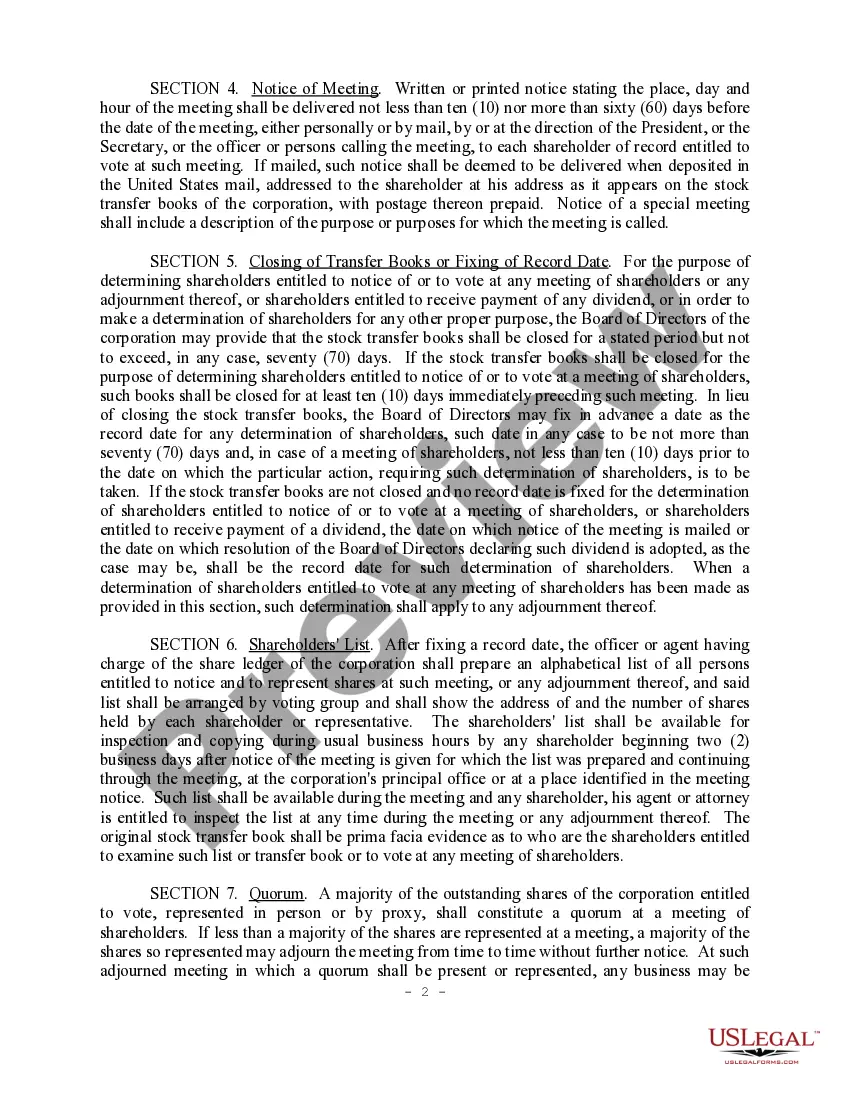
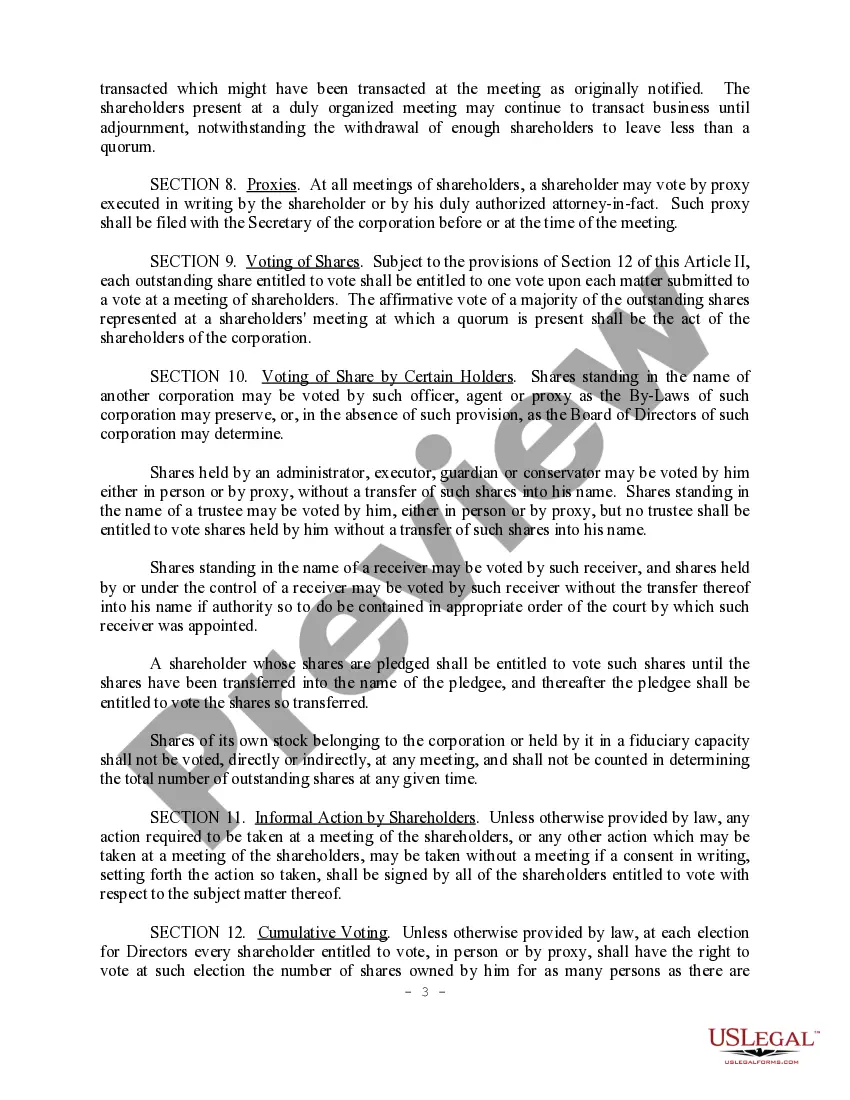
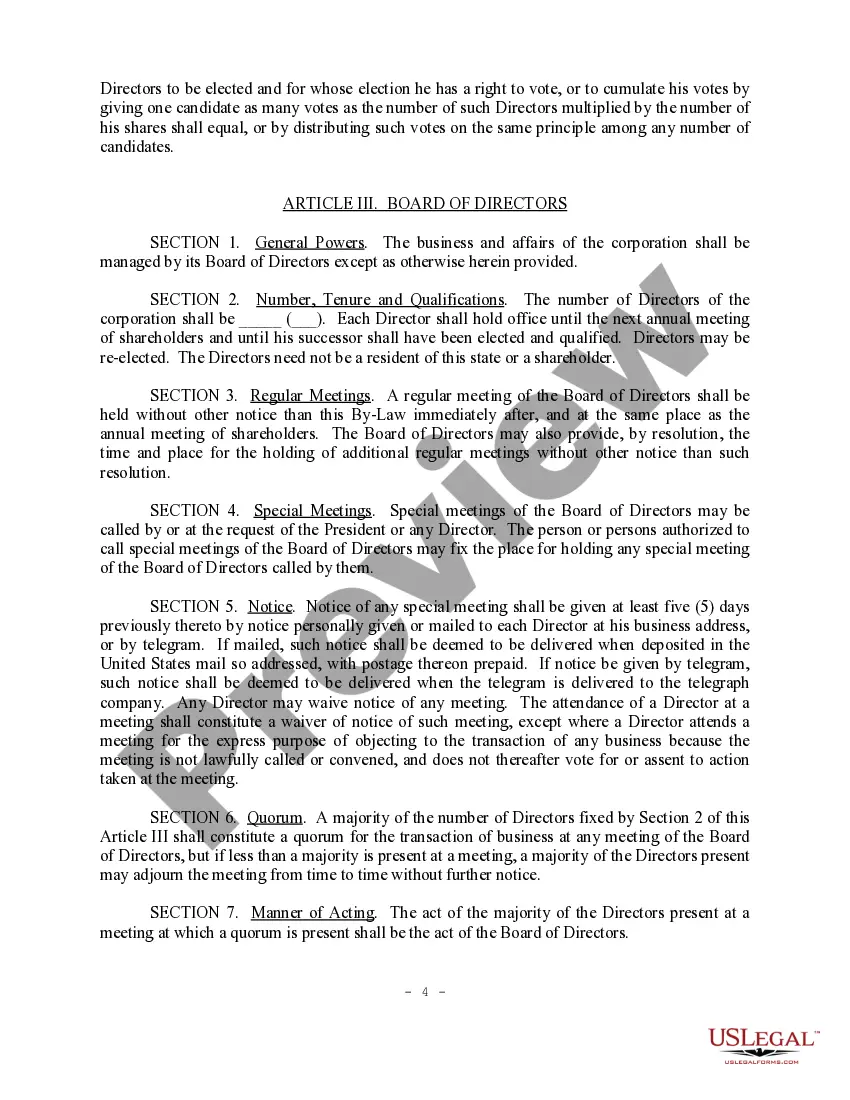
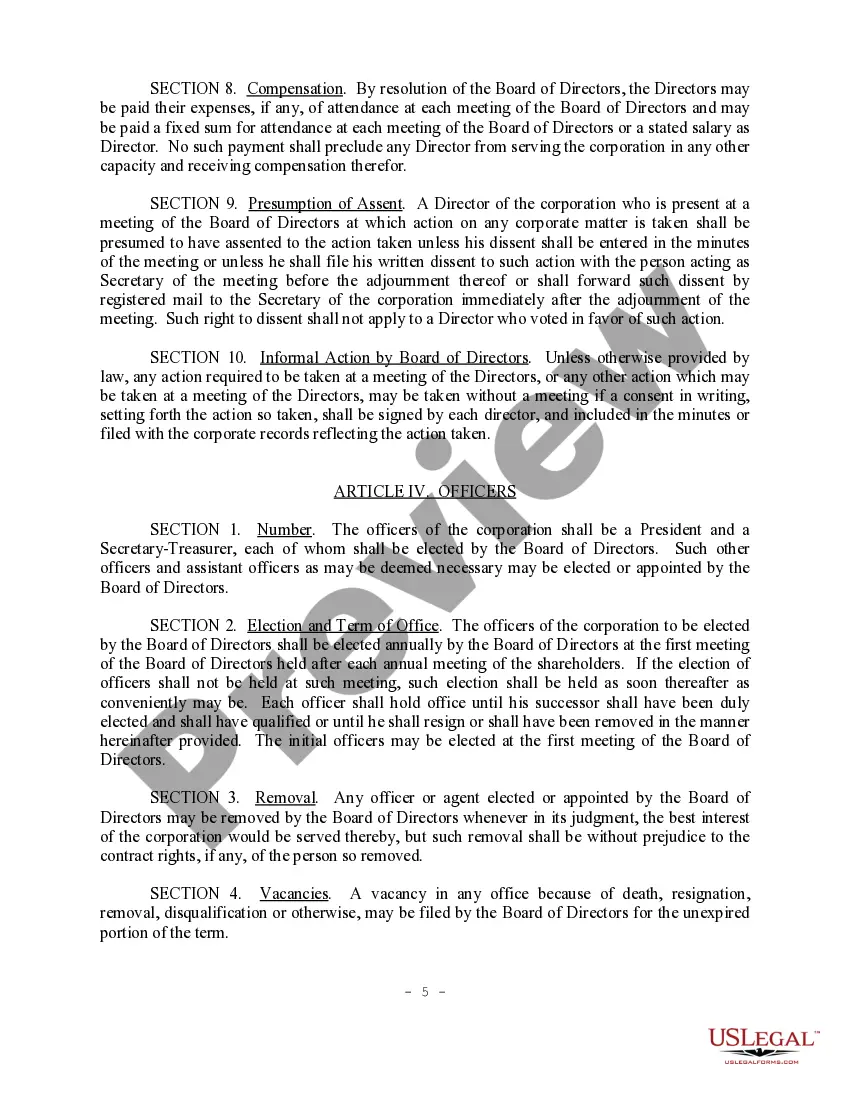
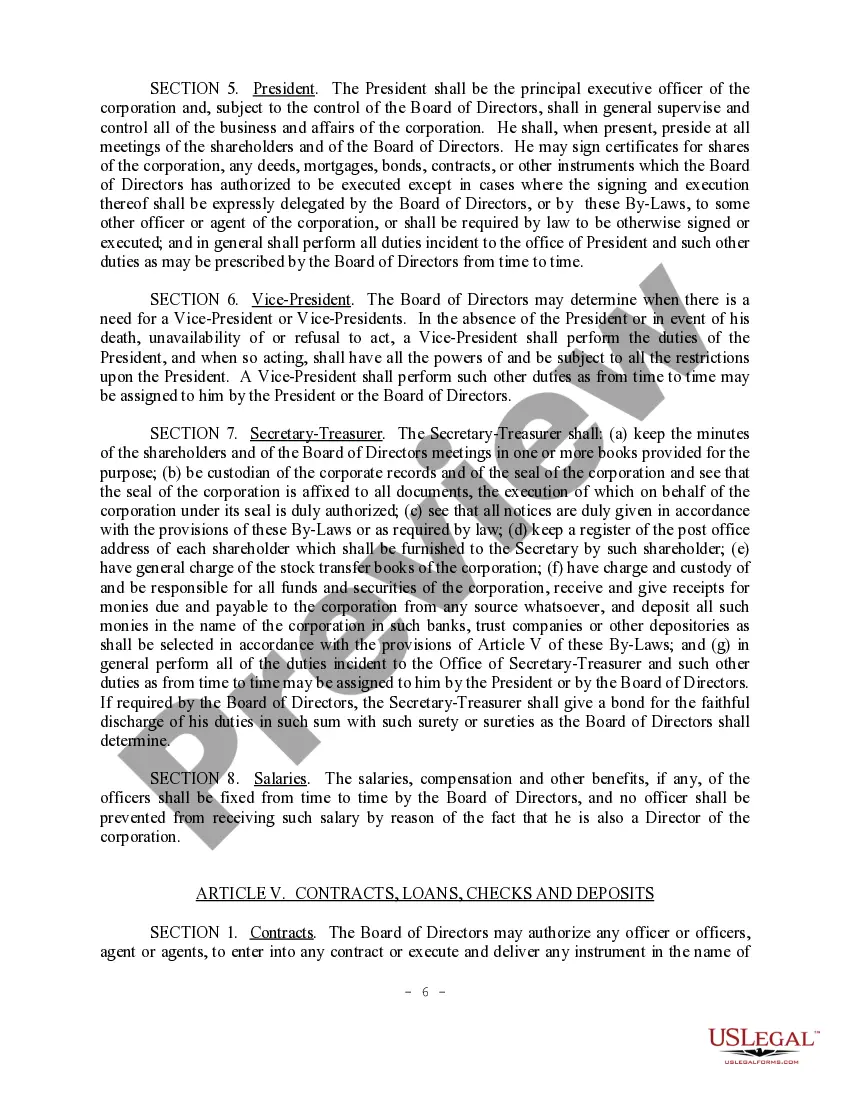
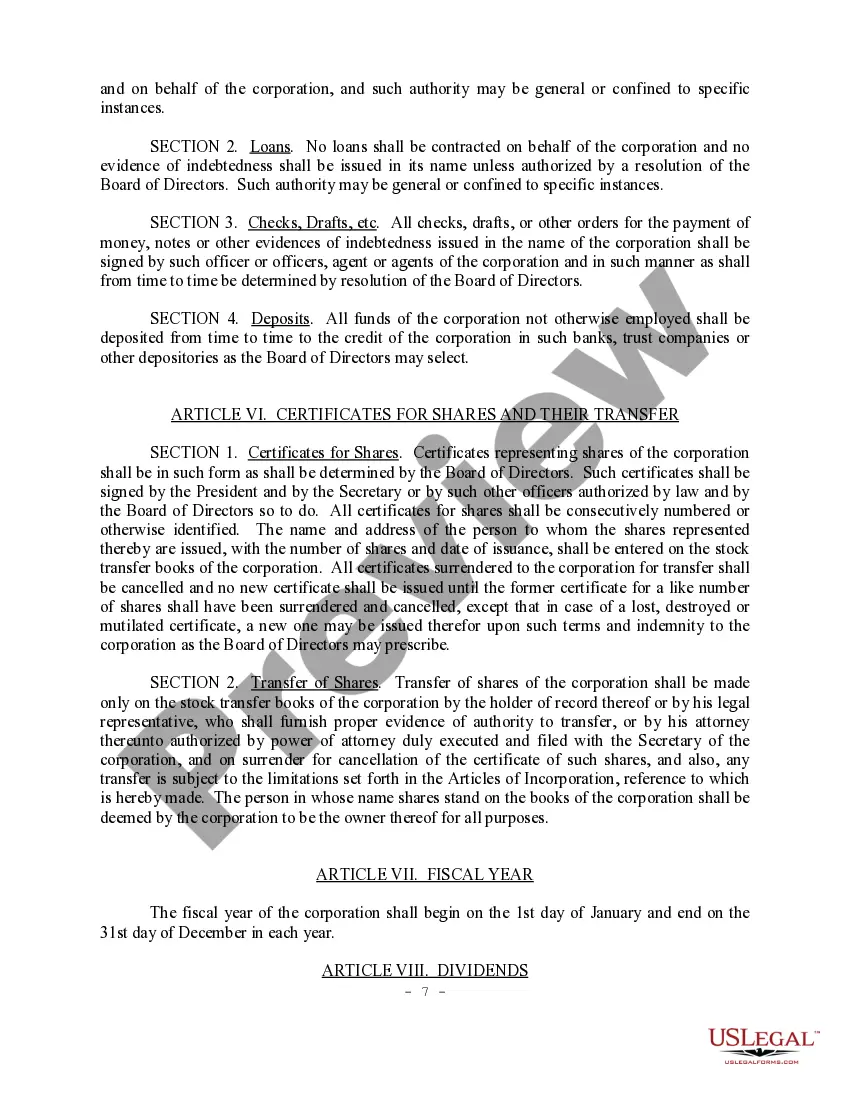
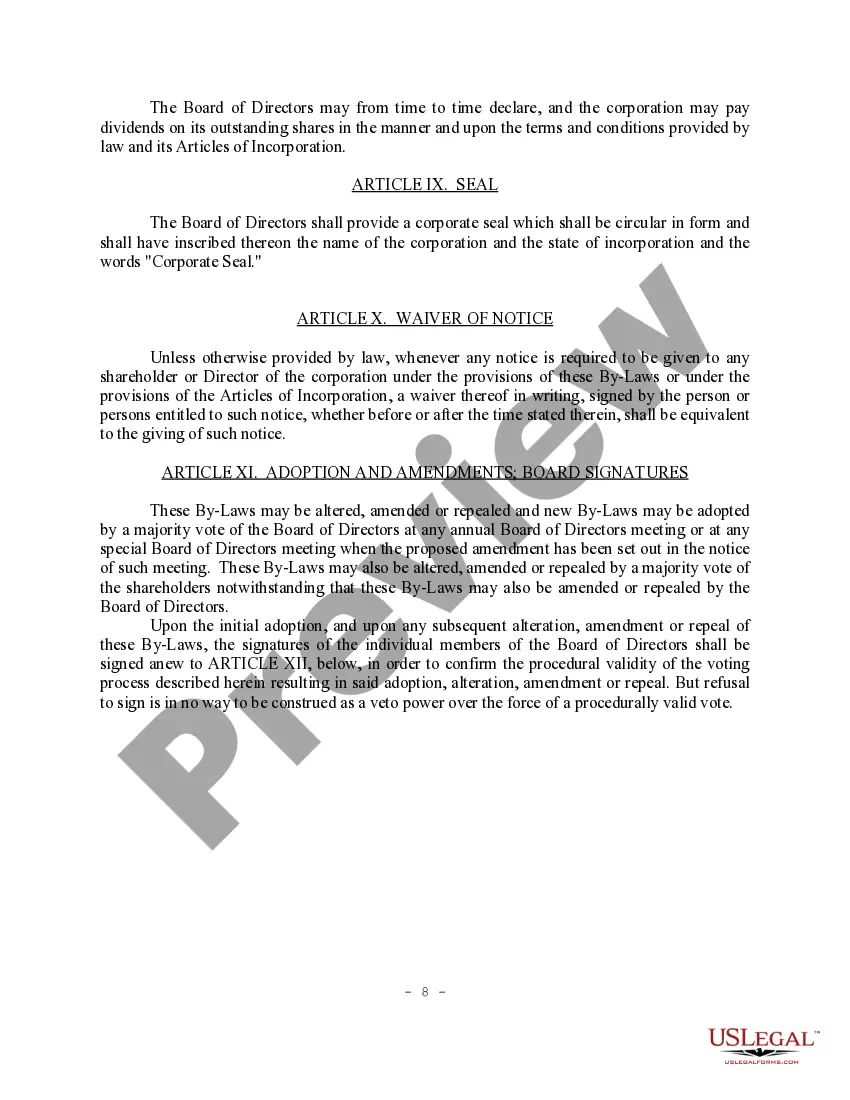
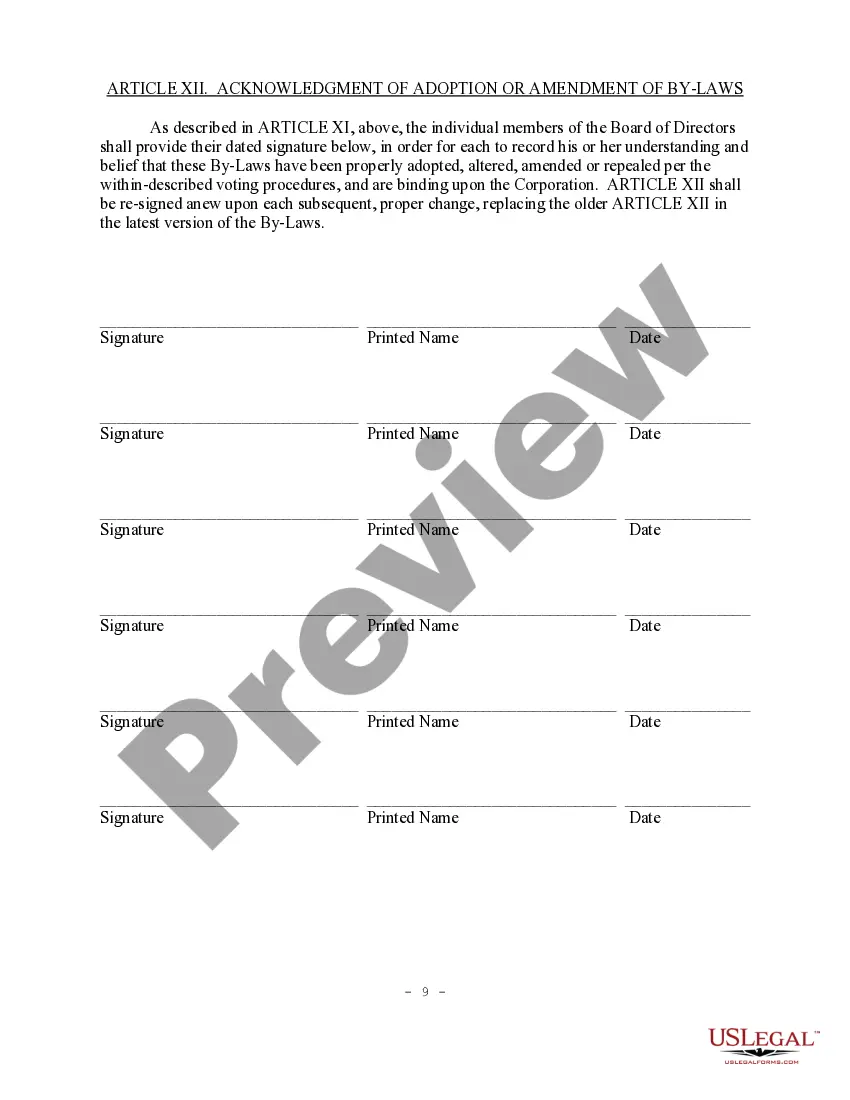
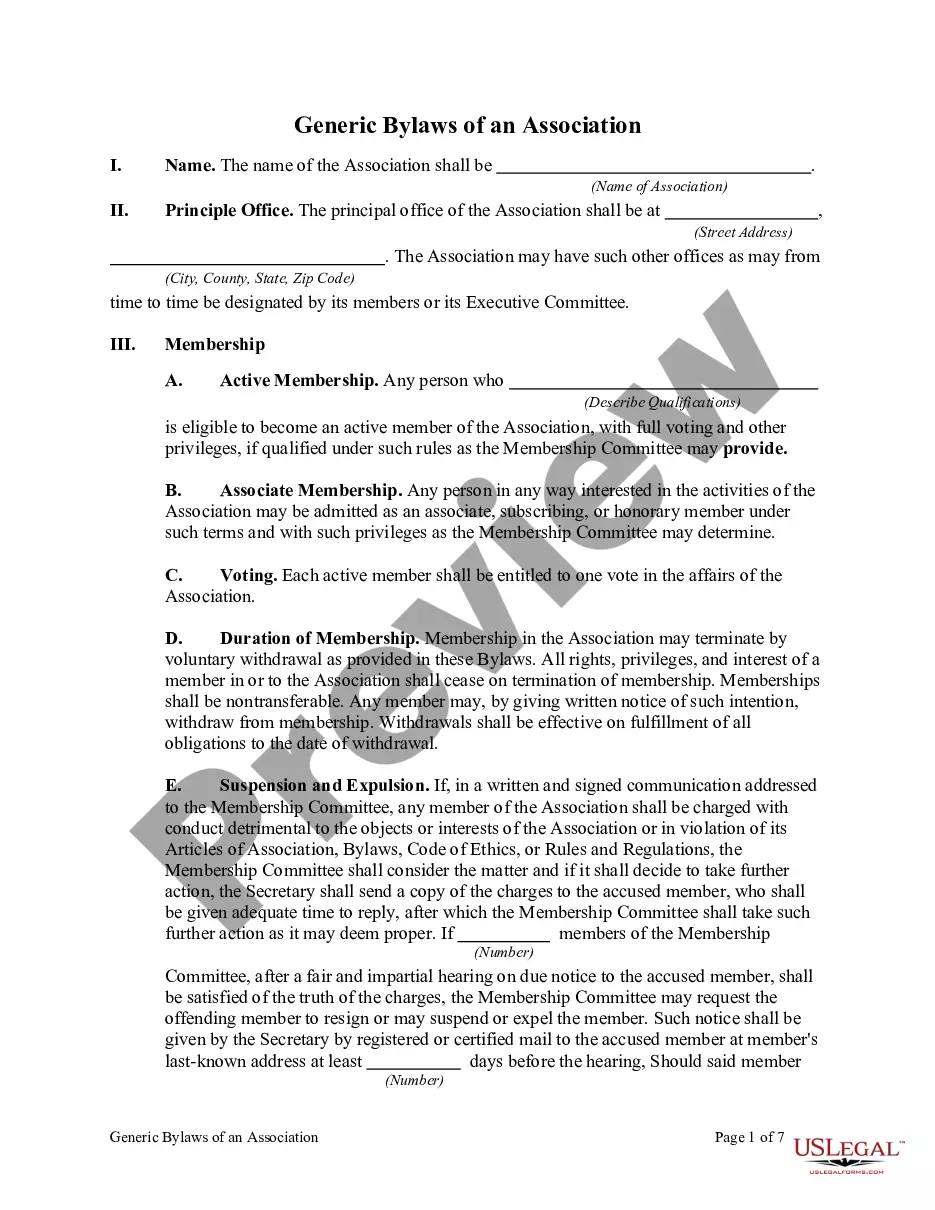
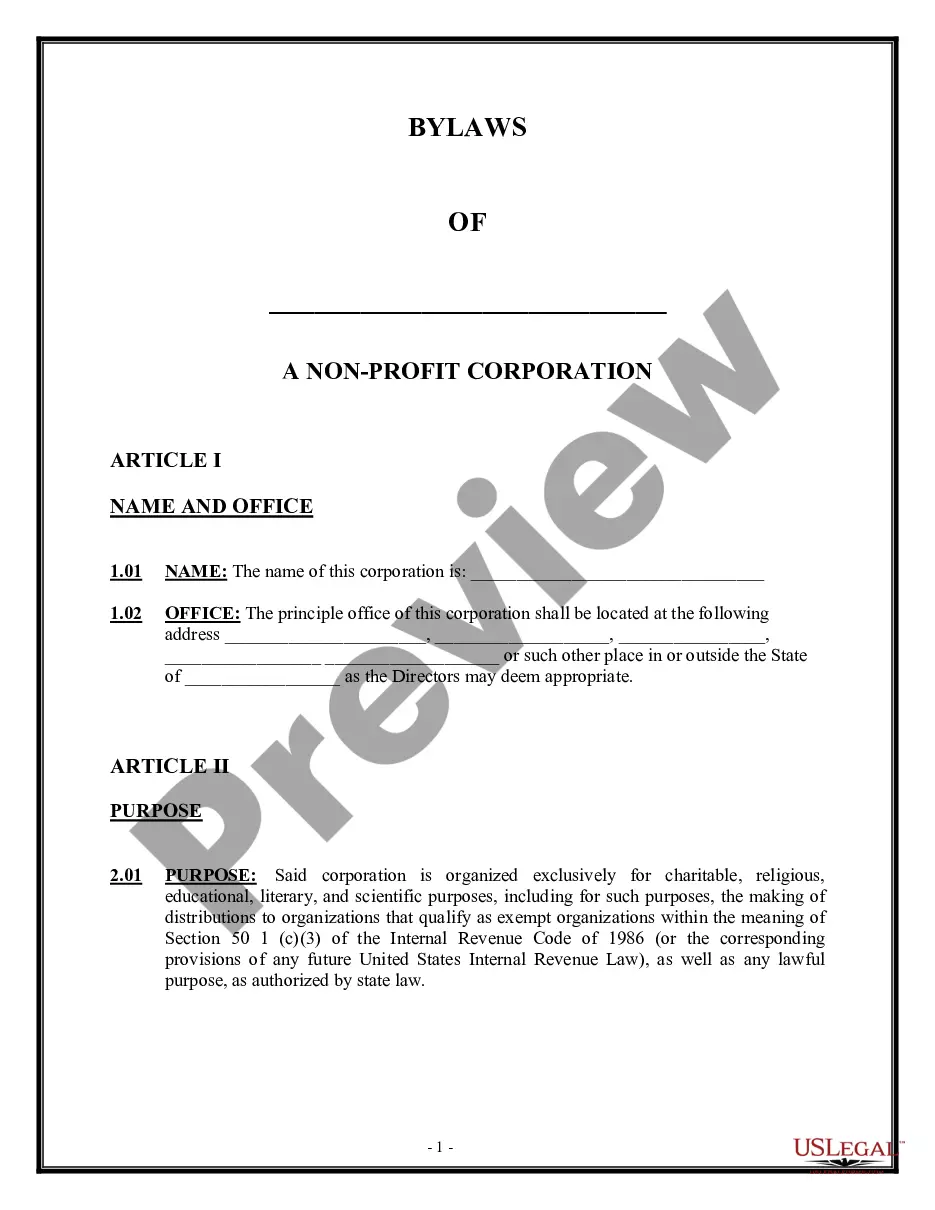
Get your form ready online
Our built-in tools help you complete, sign, share, and store your documents in one place.
Make edits, fill in missing information, and update formatting in US Legal Forms—just like you would in MS Word.
Download a copy, print it, send it by email, or mail it via USPS—whatever works best for your next step.
Sign and collect signatures with our SignNow integration. Send to multiple recipients, set reminders, and more. Go Premium to unlock E-Sign.
If this form requires notarization, complete it online through a secure video call—no need to meet a notary in person or wait for an appointment.
We protect your documents and personal data by following strict security and privacy standards.

Make edits, fill in missing information, and update formatting in US Legal Forms—just like you would in MS Word.

Download a copy, print it, send it by email, or mail it via USPS—whatever works best for your next step.

Sign and collect signatures with our SignNow integration. Send to multiple recipients, set reminders, and more. Go Premium to unlock E-Sign.

If this form requires notarization, complete it online through a secure video call—no need to meet a notary in person or wait for an appointment.

We protect your documents and personal data by following strict security and privacy standards.
Looking for another form?










Form popularity
FAQ
Copies of the Articles of Incorporation and bylaws of the homeowners association can be obtained from the Florida Department of State, Division of Corporations. Copies of the governing documents may also be obtained directly from the homeowners association.
Requests can be made by mail, email or in person. You may also call us at 786-331-4903 to submit your public records request. Email requests should have the individual or company name and "Public Records Request" in the subject line. Members of the media should use the media records email address.
Public Records Requests However, if you are unable to locate the records online, you may submit a Public Records Request form. This form may be submitted by mail to Records Management, Miami-Dade County Clerk of Courts, P.O. Box 14695, Miami, FL 33101 or by email to cocpubreq@miamidade.
The Florida Homeowners' Association Act, Chapter 720 of the Florida Statutes, states that amendments to “governing documents” for homeowners' associations are not effective until they are recorded in the public records of the county in which the community is located.
Public Records Requests for the Office of the Property Appraiser can be made: Many records maintained by the Miami-Dade Clerk of the Courts may be found online at . Completing a Public Records Request form and email to cocpubreq@miamidade.
Florida Recorded Document Search - Visit the county recorder's office where the property is located to find an association's Declaration of Covenants, Conditions, and Restrictions (CC&Rs), Amendments to CC&Rs, Bylaws, Lien Notices, HOA Notices, Plats, Maps, and other community documents.
In an HOA, residents own their property, but the association owns and maintains common areas, such as lobbies, pools, clubhouses, and gyms. Conversely, in a COA, owners own their individual units and a percentage of all shared property, like tennis courts, pickleball courts, sidewalks, and parking lots.
“As of July 1, HOAs will be prohibited from banning common-sense parking, fining residents for leaving garbage cans out on trash day, creating rules for the inside of structures or backyards (like prohibitions against gardens or clotheslines) that can't be seen from the street, neighboring property or common area, and ...
While they must file with the county government, homeowners' associations in Florida are not governed by a government agency. Community associations must operate within the guidelines of Chapter 720 and if they are out of compliance, it is up to the community members to litigate against the HOA.
An association has the duty to enforce the restrictions set forth in its CC&Rs. When it fails to do so, “a homeowner can sue the association for damages and an injunction to compel the association to enforce the provisions of the CC&Rs.” (Posey v.
