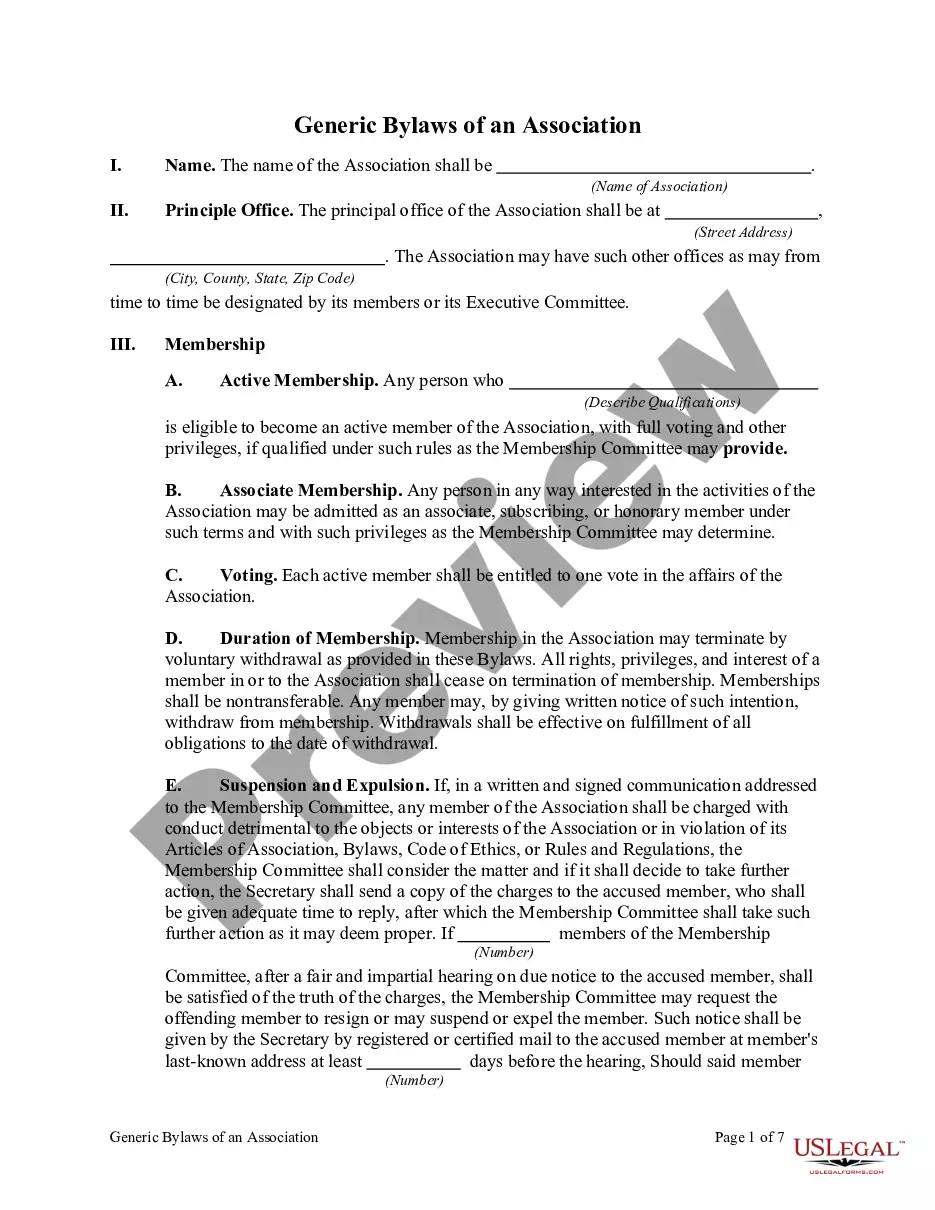
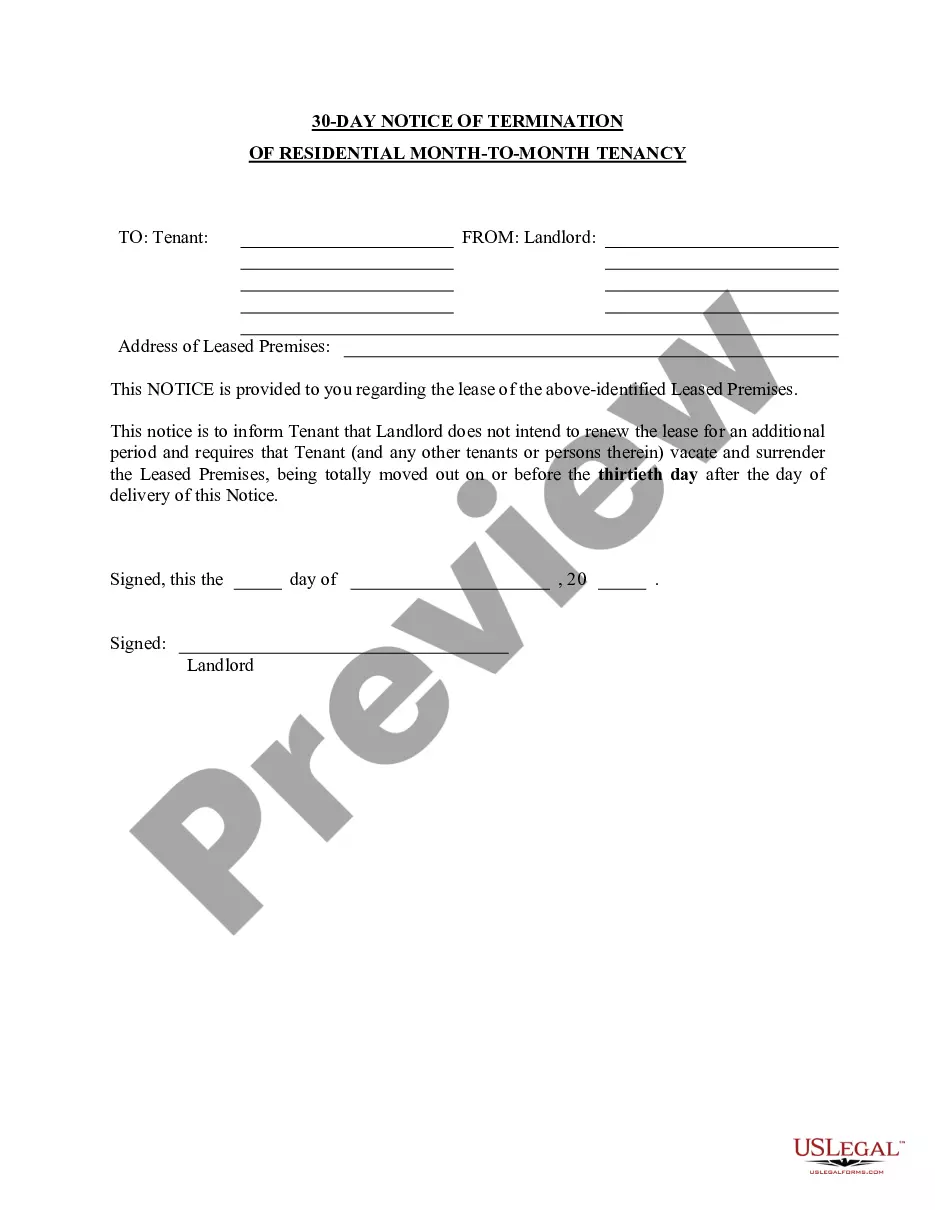
Hoa Bylaws Template Forest In Maricopa
Description

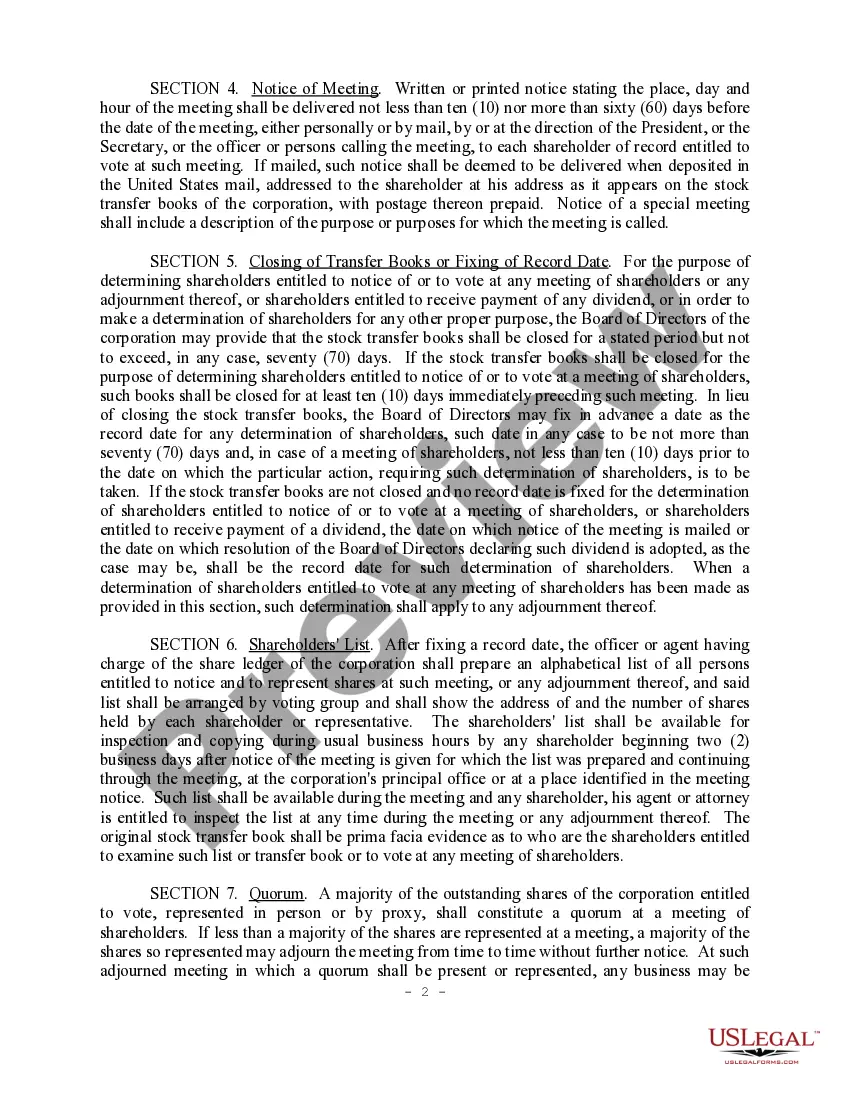
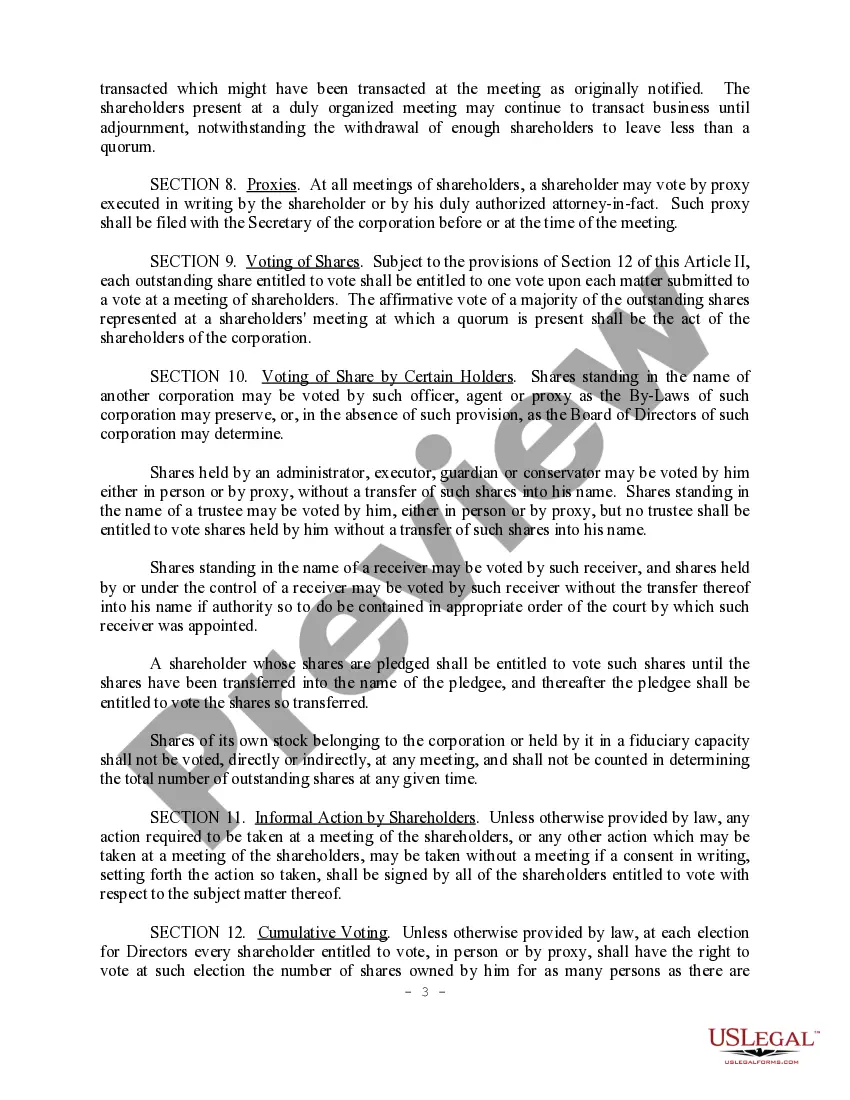
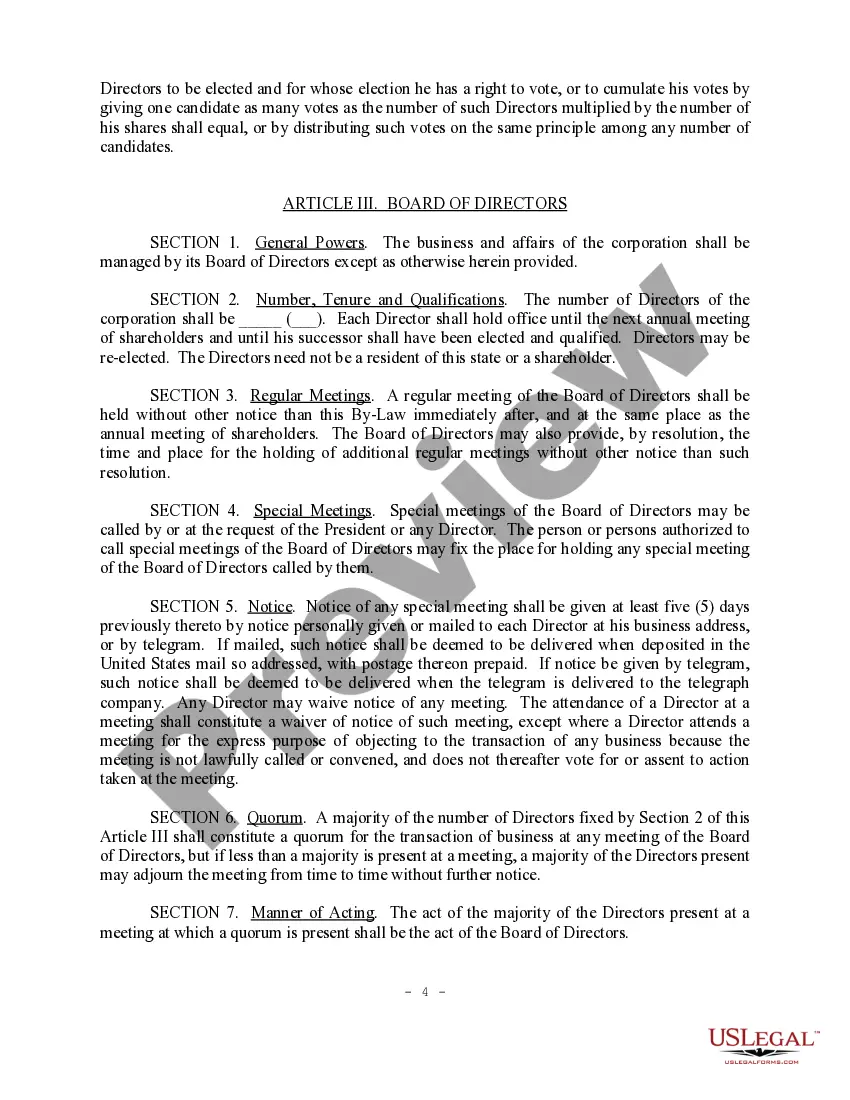
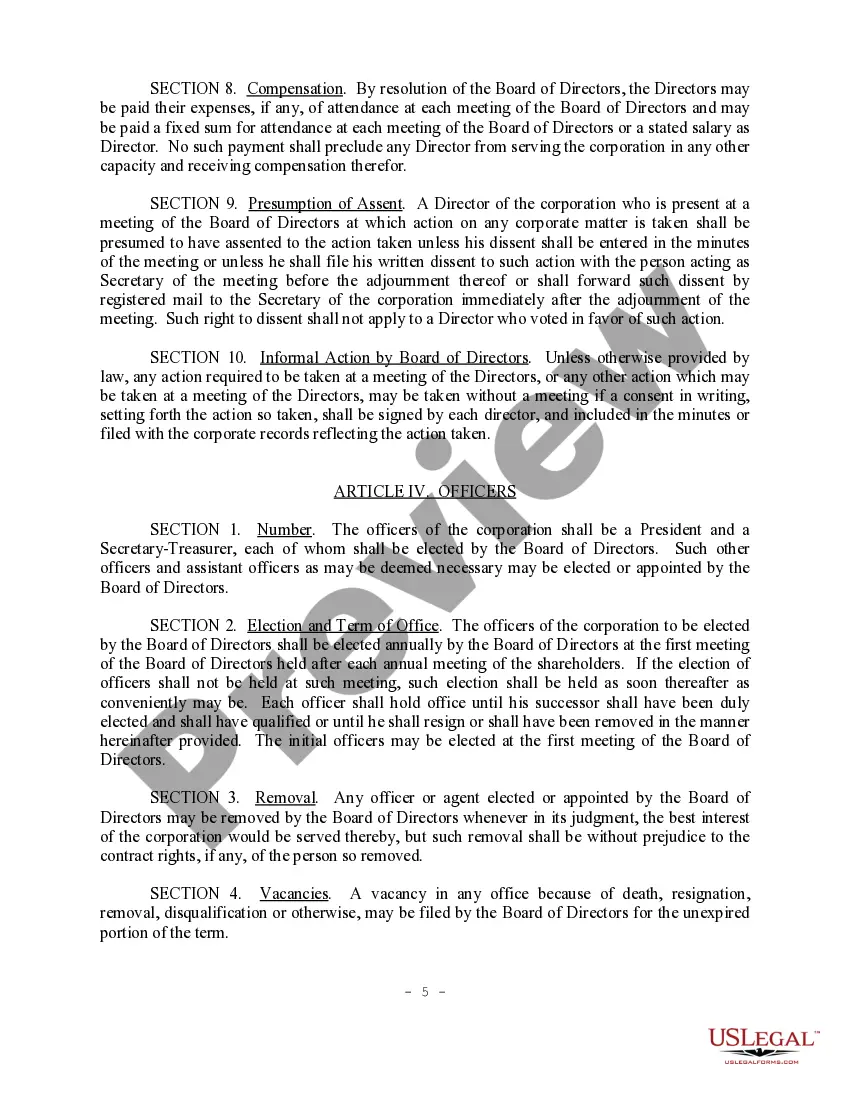
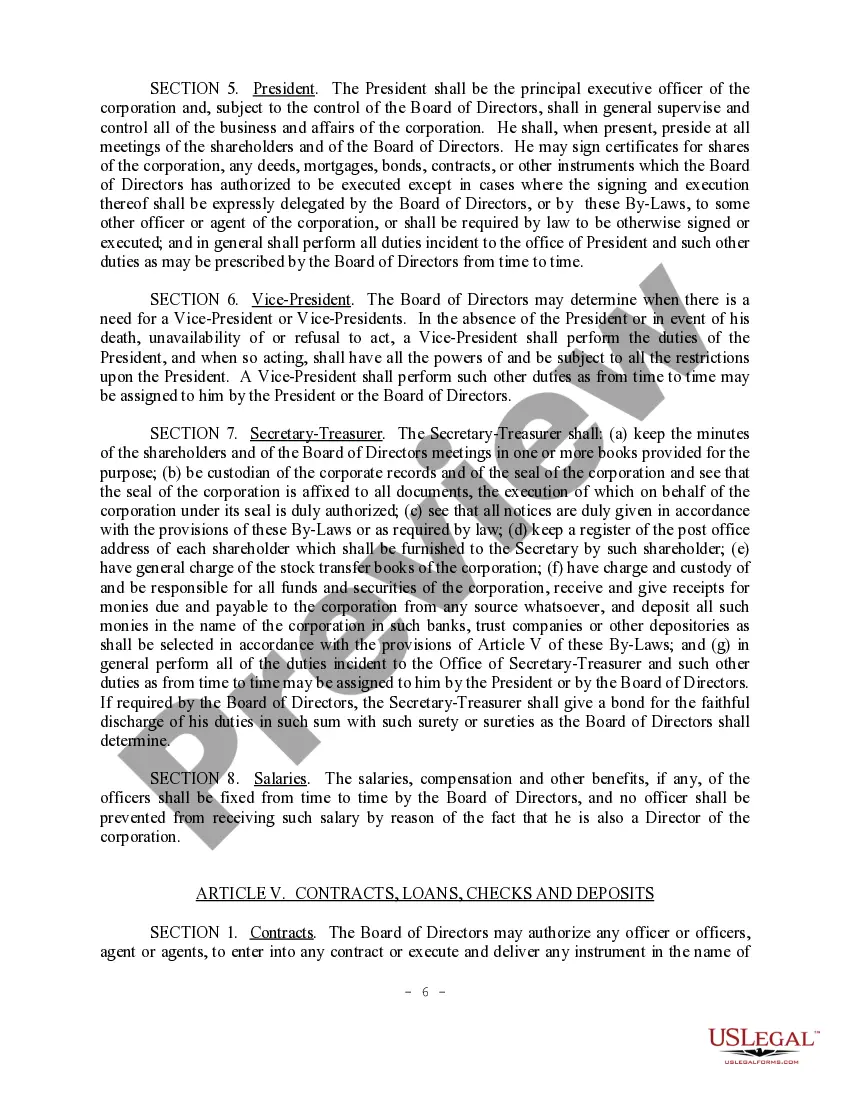
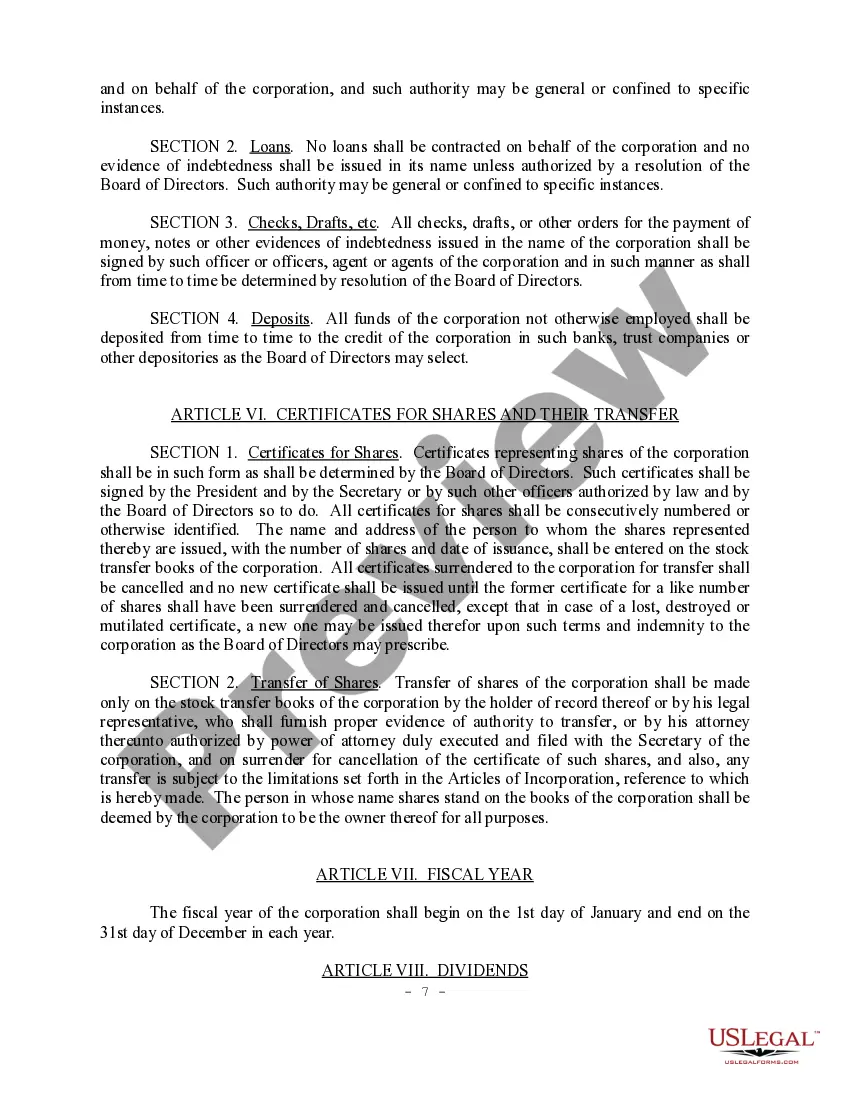
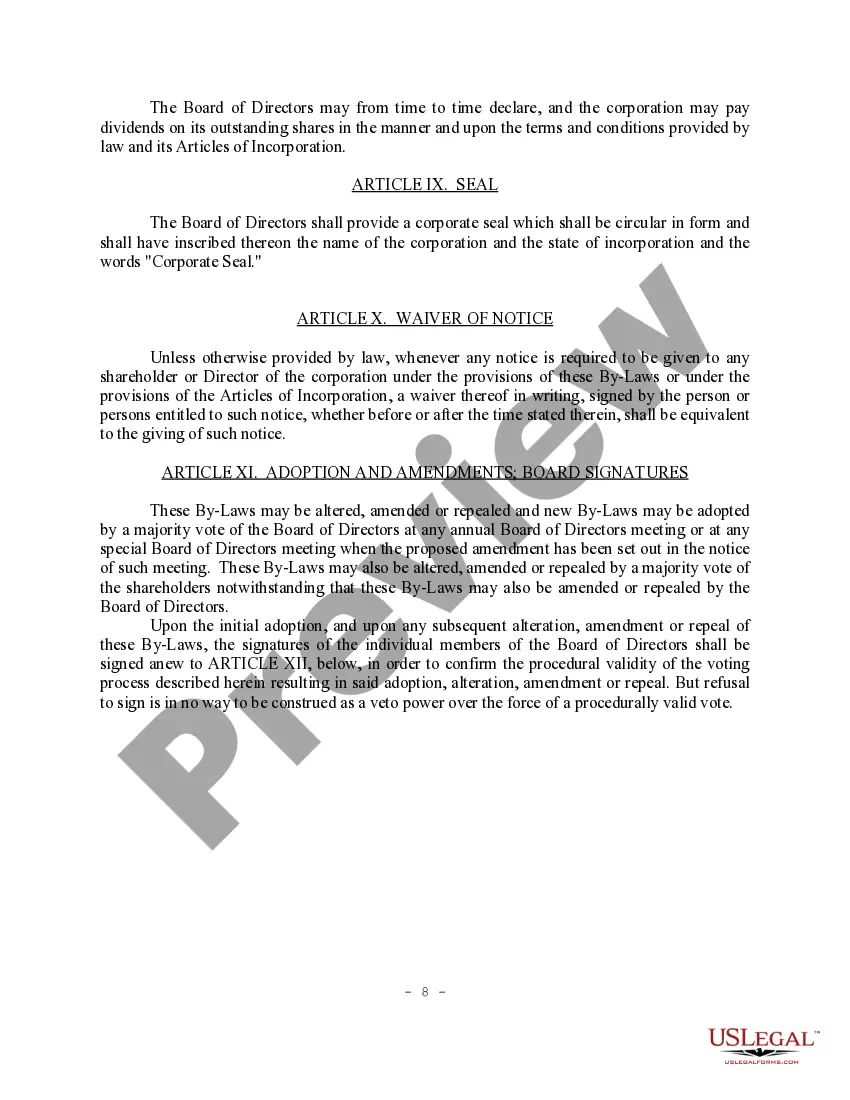
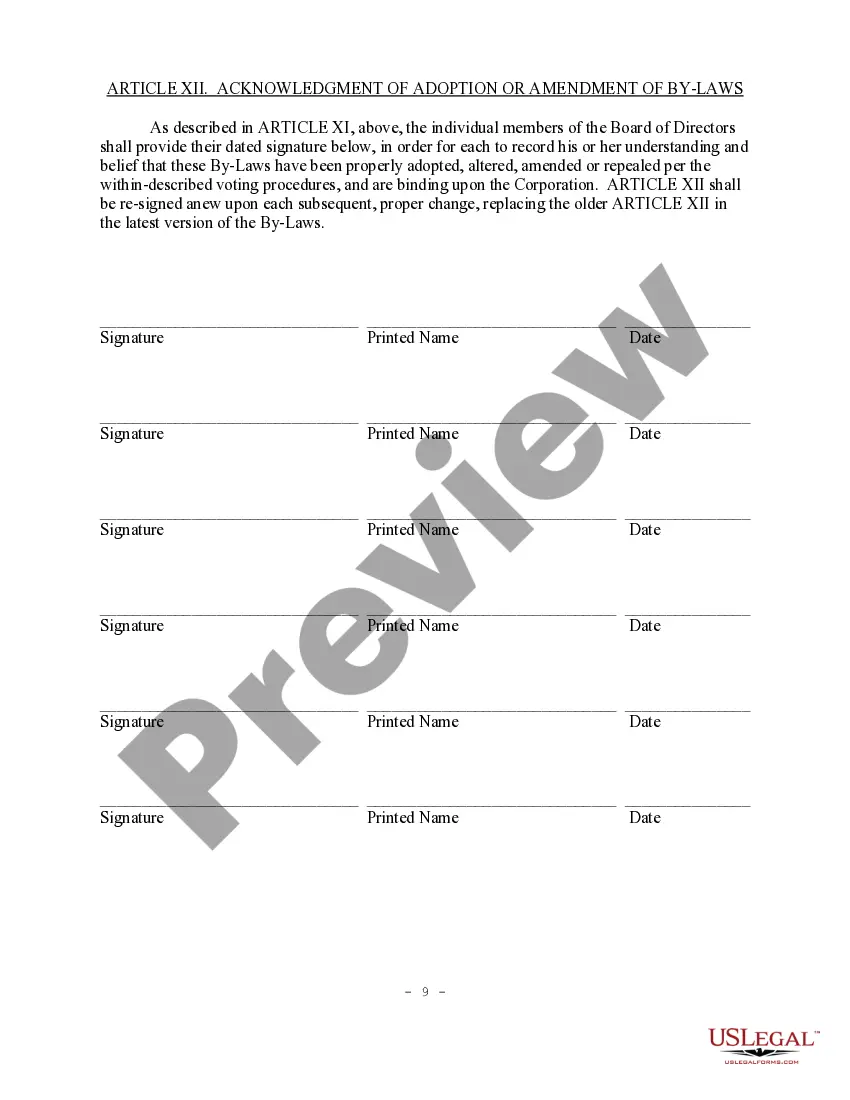

Get your form ready online
Our built-in tools help you complete, sign, share, and store your documents in one place.
Make edits, fill in missing information, and update formatting in US Legal Forms—just like you would in MS Word.
Download a copy, print it, send it by email, or mail it via USPS—whatever works best for your next step.
Sign and collect signatures with our SignNow integration. Send to multiple recipients, set reminders, and more. Go Premium to unlock E-Sign.
If this form requires notarization, complete it online through a secure video call—no need to meet a notary in person or wait for an appointment.
We protect your documents and personal data by following strict security and privacy standards.

Make edits, fill in missing information, and update formatting in US Legal Forms—just like you would in MS Word.

Download a copy, print it, send it by email, or mail it via USPS—whatever works best for your next step.

Sign and collect signatures with our SignNow integration. Send to multiple recipients, set reminders, and more. Go Premium to unlock E-Sign.

If this form requires notarization, complete it online through a secure video call—no need to meet a notary in person or wait for an appointment.

We protect your documents and personal data by following strict security and privacy standards.
Looking for another form?









Form popularity
FAQ
Accessory structures greater than 120 square feet for residential structures and 200 square feet for commercial structures shall require zoning administrator approval.
Storage sheds less than 120 square feet in area do not require a building permit.
The quick and simple answer is: you usually don't need a permit if the shed is 120 square feet or less. In California, most jurisdictions have adopted the 120 square foot rule. If your shed area is larger than 120 square feet, it needs a building permit. If it's less than that, it doesn't.
Building permits are NOT required for fences or walls under 7 feet, or retaining wall footings or less unless supporting a surcharge.
Accessory structures greater than 120 square feet for residential structures and 200 square feet for commercial structures shall require zoning administrator approval. I. Factory-Built Modular Buildings.
If your structure is less than 120 square feet, you will not require a building permit. Please refer to section 706 of the Zoning Ordinance for full text on accessory structures.
The Homeowners Association Dispute Process is administered by the Arizona Department of Real Estate, which has the statutory jurisdiction to hear issues between residents and homeowner or inium associations.
How to Seek Legal Action Consultation with an Attorney: Start by scheduling a consultation with an experienced Arizona HOA lawyer. Letter of Demand: In many cases, a letter of demand from your attorney to the HOA may lead to a resolution without going to court.
An HOA Board is held accountable by codes and laws. For example, homeowners associations in California are regulated by the California Corporation's Code, as well as other California state laws and codes. Some of these codes include: State of California Business and Professions Code.
Homeowners should direct their complaints against a board member to the HOA board or the community manager. An effective board or manager will handle the complaint properly, even if it concerns one of their own. If need be, homeowners can request to enter dispute resolution.