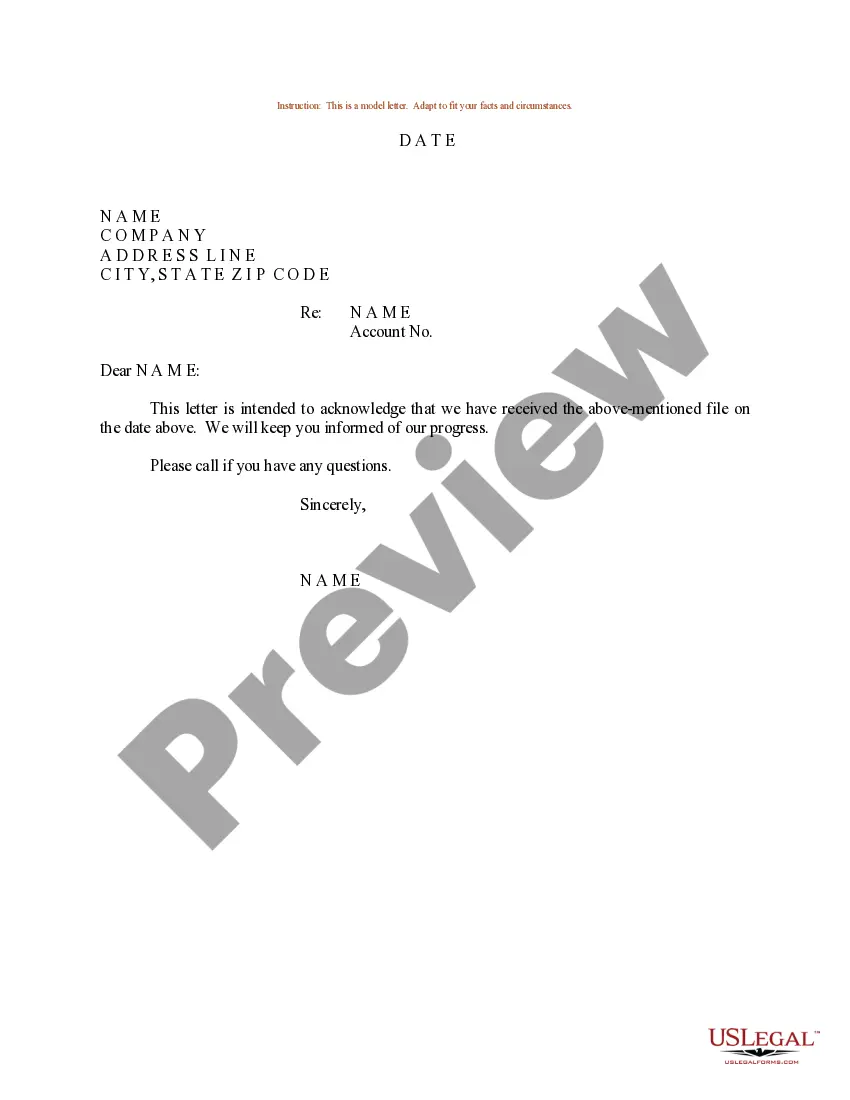
Sample Gift Acknowledgement Letters For Nonprofits In Florida
Description



Get your form ready online
Our built-in tools help you complete, sign, share, and store your documents in one place.
Make edits, fill in missing information, and update formatting in US Legal Forms—just like you would in MS Word.
Download a copy, print it, send it by email, or mail it via USPS—whatever works best for your next step.
Sign and collect signatures with our SignNow integration. Send to multiple recipients, set reminders, and more. Go Premium to unlock E-Sign.
If this form requires notarization, complete it online through a secure video call—no need to meet a notary in person or wait for an appointment.
We protect your documents and personal data by following strict security and privacy standards.

Make edits, fill in missing information, and update formatting in US Legal Forms—just like you would in MS Word.

Download a copy, print it, send it by email, or mail it via USPS—whatever works best for your next step.

Sign and collect signatures with our SignNow integration. Send to multiple recipients, set reminders, and more. Go Premium to unlock E-Sign.

If this form requires notarization, complete it online through a secure video call—no need to meet a notary in person or wait for an appointment.

We protect your documents and personal data by following strict security and privacy standards.
Looking for another form?









Form popularity
FAQ
Thank-you letters should always be written in a personal, down-to-earth voice. You want to show your appreciation for the effort your donor has made and show how far their donation has gone. You should always address the donor by name, and focus on how they've helped your organization.
Technically, donors don't need the substantiation until sometime before they file their personal tax returns for the year the gift was made. There are other ways to acknowledge a gift in addition to a written gift acknowledgment that is sent to the donor, whether via email or regular mail.
Quid pro quo contributions A charitable organization must provide a written disclosure statement to any donor of a quid pro quo contribution over $75.
While we recommend sending donation acknowledgment letters to all of your donors, you are legally obligated to send documentation to donors who have given a gift of $250 or more.
While we recommend sending donation acknowledgment letters to all of your donors, you are legally obligated to send documentation to donors who have given a gift of $250 or more. The IRS requires nonprofit organizations to provide a formal acknowledgment letter to these donors for tax purposes.
What To Include in Donor Acknowledgement Letters Donor's name. Address the donor by name. Organization's name. Clearly state your nonprofit's name to make the letter official and avoid confusion. Donation amount and date. Type of donation. Tax information. Mission impact. Closing with gratitude. Clear Subject Line.
Dear Name of Recipient: Thank you for contacting me to request a donation for Name of Charity. I appreciate your commitment to this cause, and I would be pleased to make a contribution toward this worthy organization. Enclosed is a check in the amount of Amount of Donation.
A donor can deduct a charitable contribution of $250 or more only if the donor has a written acknowledgment from the charitable organization. The donor must get the acknowledgement by the earlier of: The date the donor files the original return for the year the contribution is made, or.

