Bylaws And Regulations For A Group In Kings
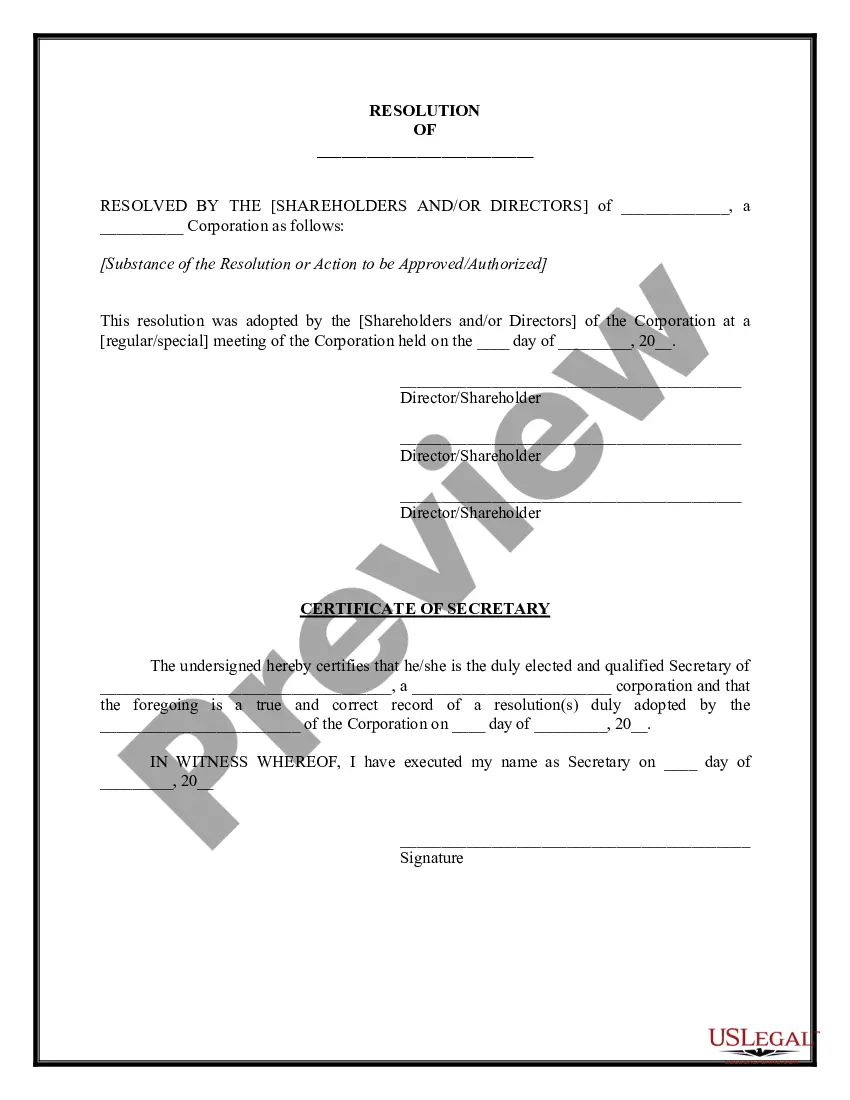
Description











Get your form ready online
Our built-in tools help you complete, sign, share, and store your documents in one place.
Make edits, fill in missing information, and update formatting in US Legal Forms—just like you would in MS Word.
Download a copy, print it, send it by email, or mail it via USPS—whatever works best for your next step.
Sign and collect signatures with our SignNow integration. Send to multiple recipients, set reminders, and more. Go Premium to unlock E-Sign.
If this form requires notarization, complete it online through a secure video call—no need to meet a notary in person or wait for an appointment.
We protect your documents and personal data by following strict security and privacy standards.

Make edits, fill in missing information, and update formatting in US Legal Forms—just like you would in MS Word.

Download a copy, print it, send it by email, or mail it via USPS—whatever works best for your next step.

Sign and collect signatures with our SignNow integration. Send to multiple recipients, set reminders, and more. Go Premium to unlock E-Sign.

If this form requires notarization, complete it online through a secure video call—no need to meet a notary in person or wait for an appointment.

We protect your documents and personal data by following strict security and privacy standards.
Looking for another form?







Form popularity
FAQ
Establishing Ground Rules for Groups Create ownership of the ground rules. Foster a culture of honesty. Remind group members that they don't have to like people to work with them. Affirm collective responsibility. Highlight the importance of developing and practising listening skills.
The No Kings Act would: Reaffirm that Presidents and Vice Presidents do not have immunity for actions that violate U.S. criminal law. No President or Vice President (former or sitting) would be entitled to immunity from criminal prosecution for actions that violate the criminal laws of the United States.
The King's Law set forth a type of agnatic succession law that only allows for the succession of cognates (relations through females) in the alternative after the extinction of all the entitled to inherit agnates of the royal house - even in the most distant genealogical lines.
The divine right of kings, or divine-right theory of kingship, is a political and religious doctrine of royal and political legitimacy. It asserts that a monarch is subject to no earthly authority, deriving his right to rule directly from the will of God.
The command to love our neighbors as we do ourselves is found often “ing to the Scripture.” James calls it the royal law, no doubt, because it is a command “of our Lord Jesus Christ, the Lord of glory” (James ).
In an absolute monarchy, the monarch rules as an autocrat, with absolute power over the state and government—for example, the right to rule by decree, promulgate laws, and impose punishments. In a constitutional monarchy, the monarch's power is subject to a constitution.