Bylaws For Nonprofit In Illinois
Description

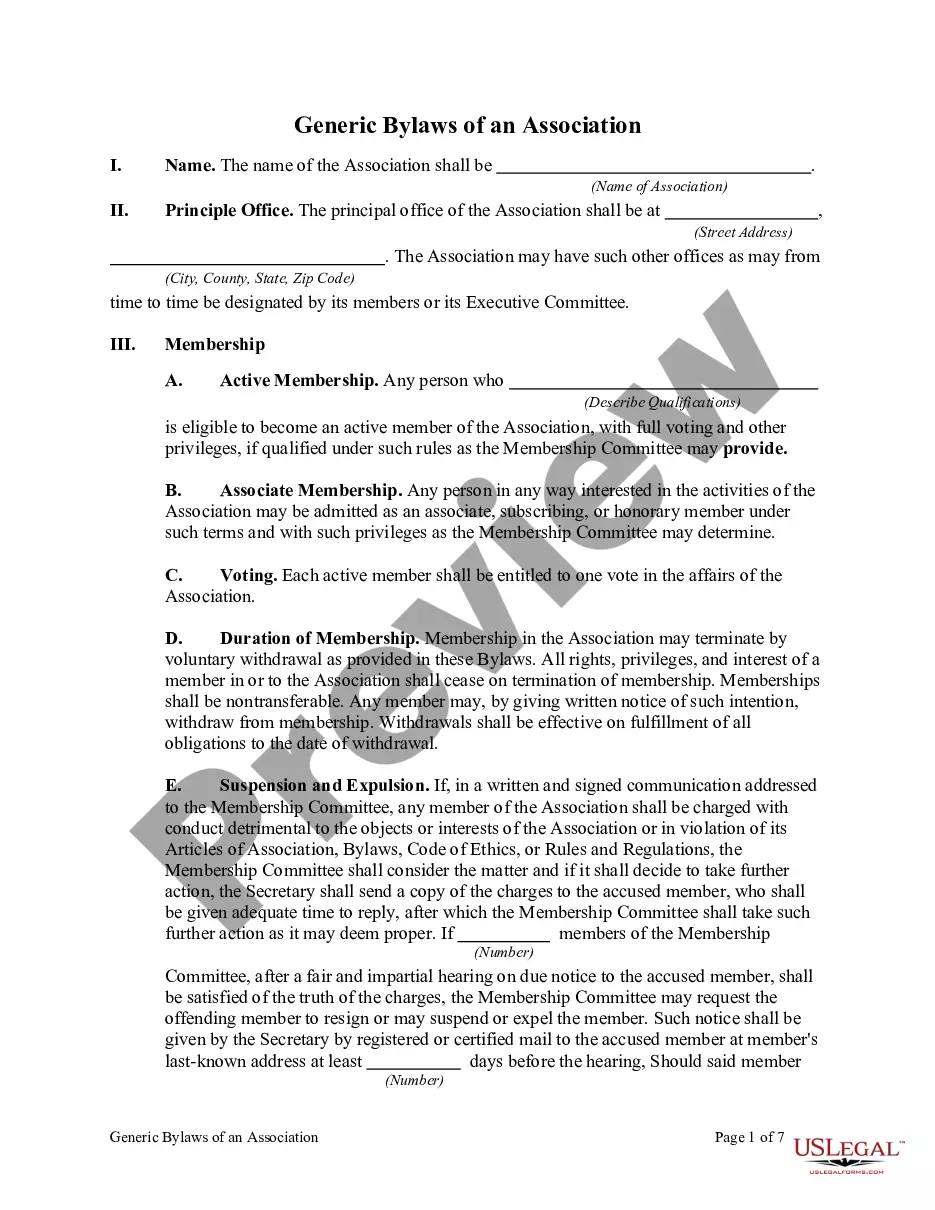

Get your form ready online
Our built-in tools help you complete, sign, share, and store your documents in one place.
Make edits, fill in missing information, and update formatting in US Legal Forms—just like you would in MS Word.
Download a copy, print it, send it by email, or mail it via USPS—whatever works best for your next step.
Sign and collect signatures with our SignNow integration. Send to multiple recipients, set reminders, and more. Go Premium to unlock E-Sign.
If this form requires notarization, complete it online through a secure video call—no need to meet a notary in person or wait for an appointment.
We protect your documents and personal data by following strict security and privacy standards.

Make edits, fill in missing information, and update formatting in US Legal Forms—just like you would in MS Word.

Download a copy, print it, send it by email, or mail it via USPS—whatever works best for your next step.

Sign and collect signatures with our SignNow integration. Send to multiple recipients, set reminders, and more. Go Premium to unlock E-Sign.

If this form requires notarization, complete it online through a secure video call—no need to meet a notary in person or wait for an appointment.

We protect your documents and personal data by following strict security and privacy standards.
Looking for another form?










Form popularity
FAQ
NOTE: Failure to maintain a registered agent and a registered office will ultimately result in the involuntary dissolution of the company. The registered agent must be: • An individual who resides in Illinois OR • A business entity authorized to transact business in this state.
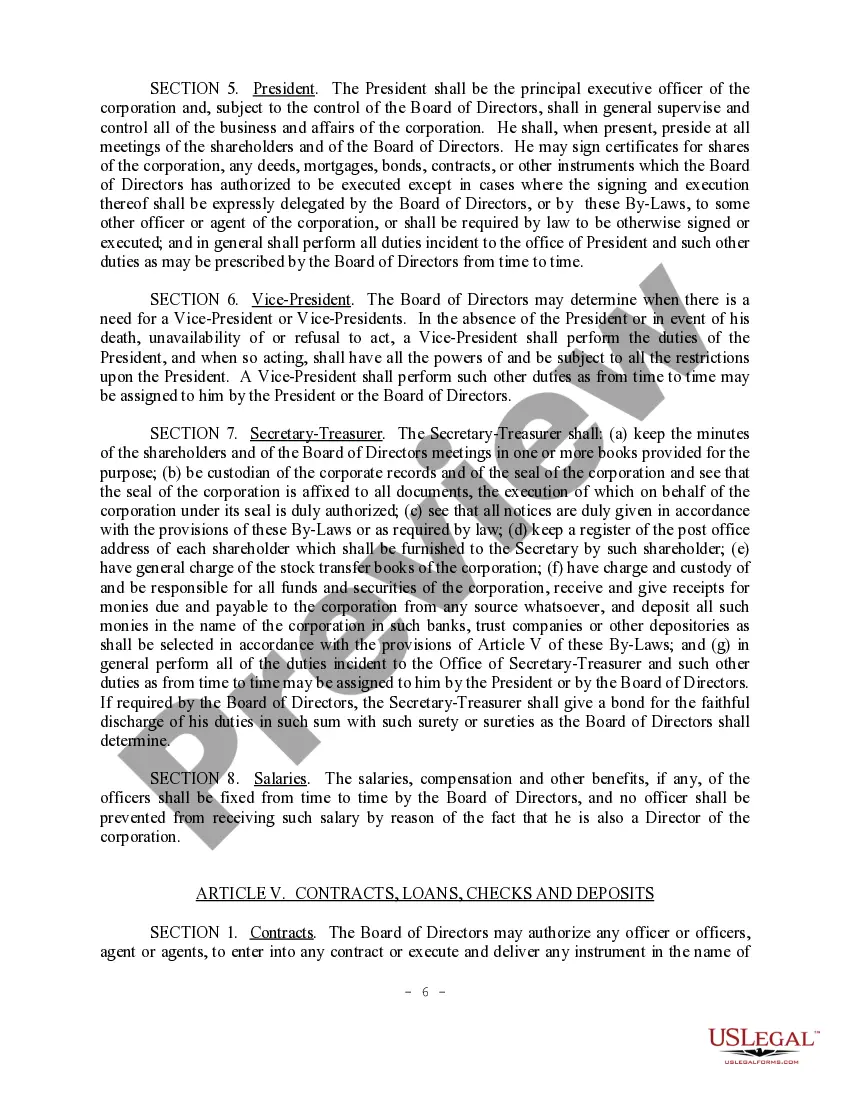
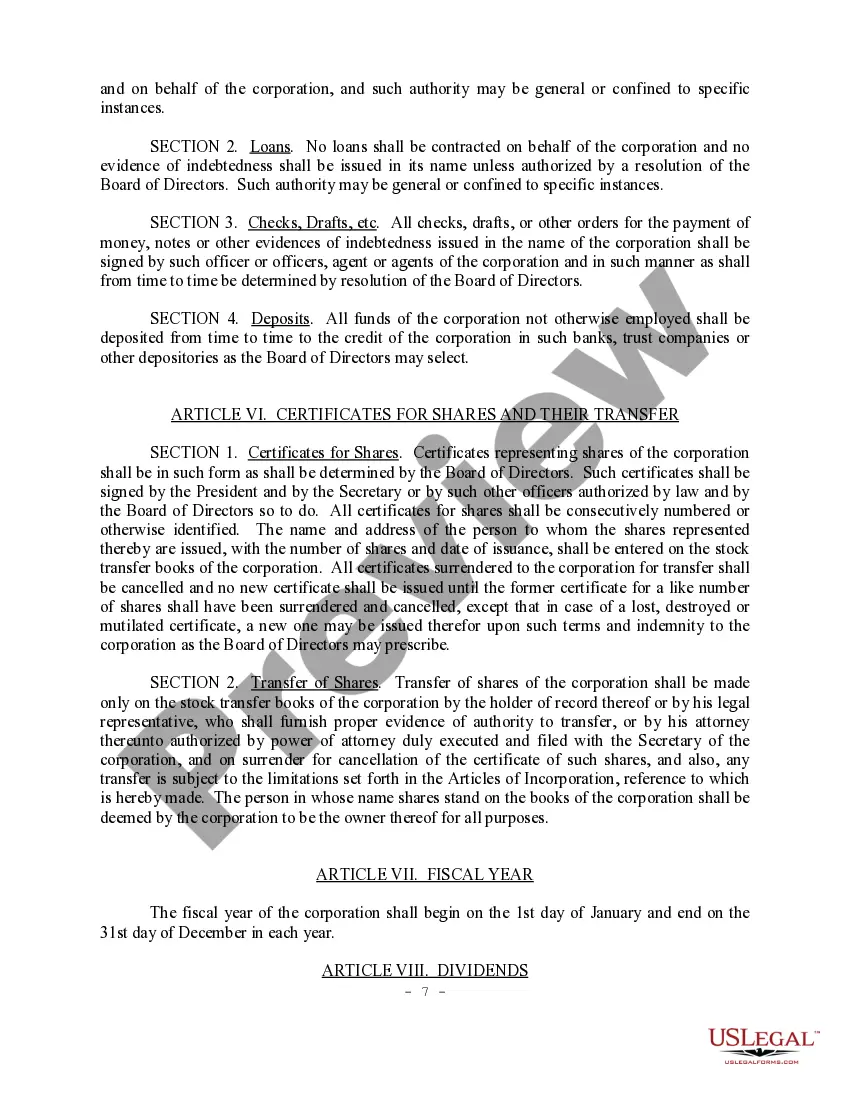
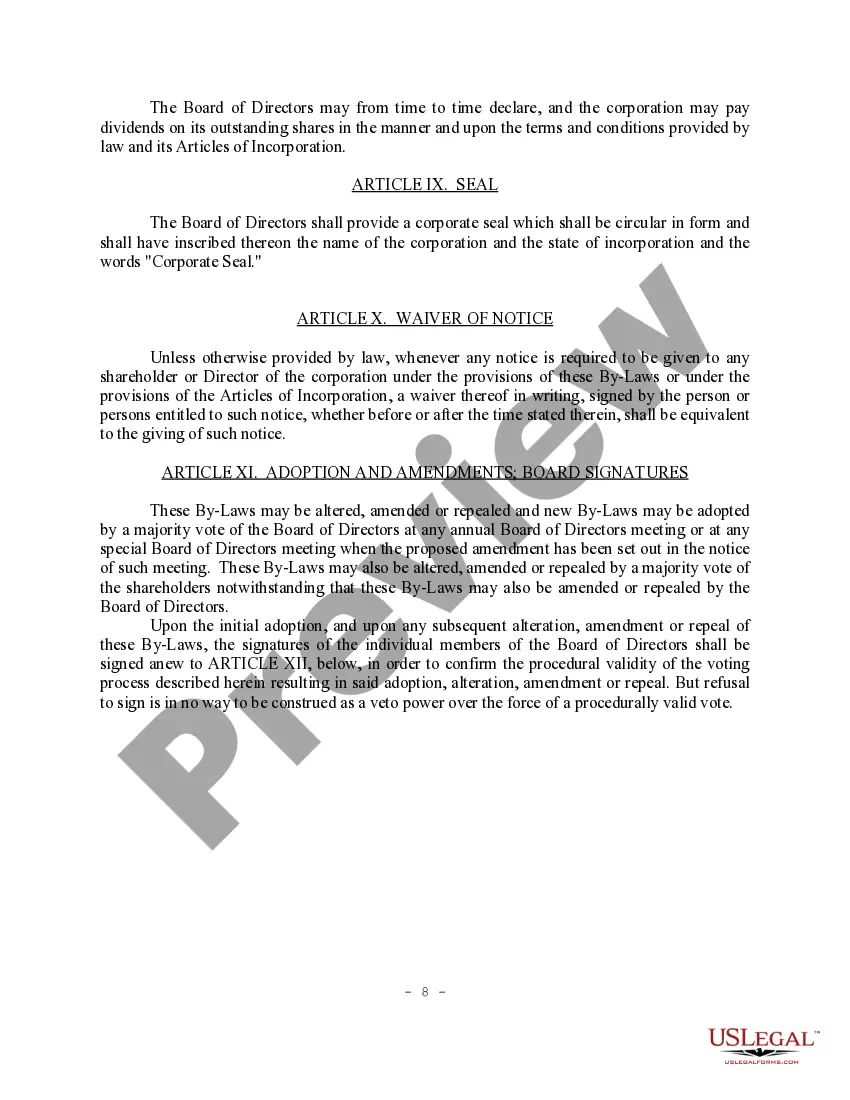
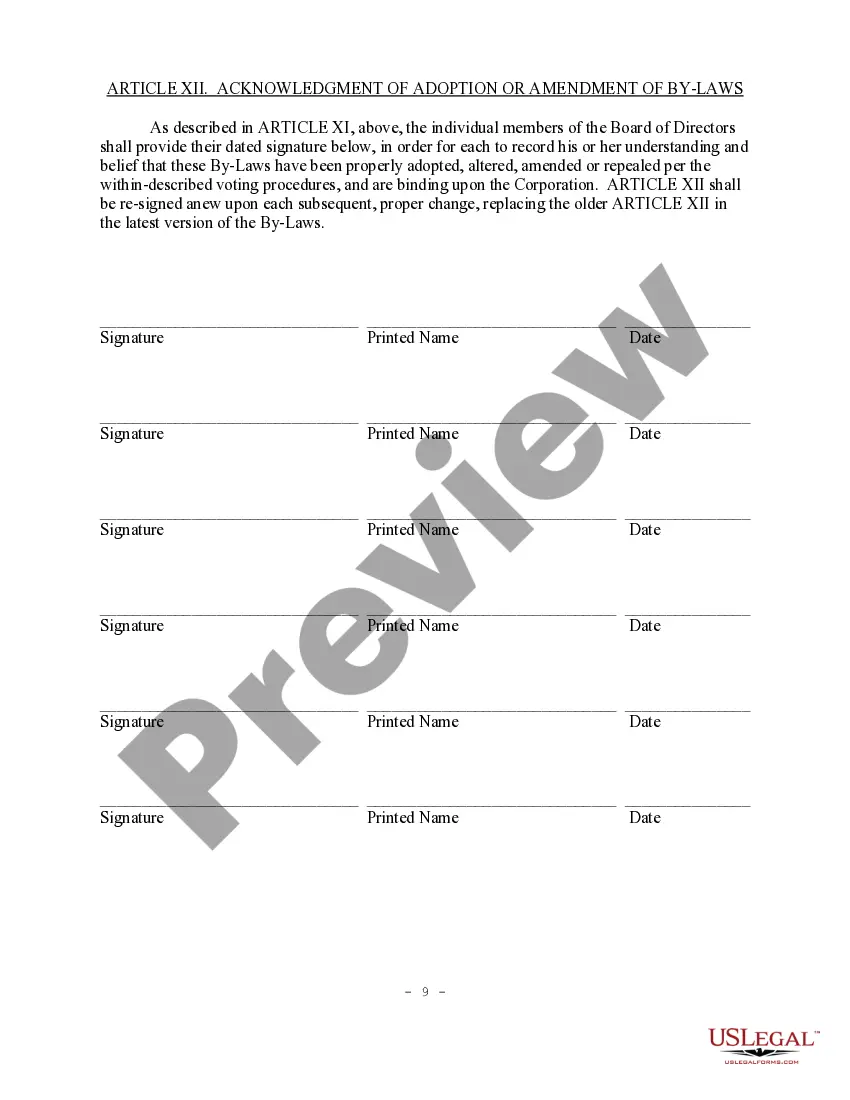
The Big Picture Follow the steps below to start a nonprofit organization in Illinois. Pick a name. The name must be unique. Appoint a registered agent. Choose your board of directors. State your charitable purpose. File your articles of incorporation. Create bylaws.
The text of these two statutes is available on the Illinois Attorney General's Web site. The Charitable Trust Act applies to all trustees that hold property in excess of $4,000 for charitable purposes. The Solicitation of Charity Act governs the solicitation and collection of charitable funds in Illinois.
All charities that solicit in Illinois should be registered with the Office of the Attorney General. The Attorney General's Office can tell you if a charitable organization is registered and current in its reporting requirements.
Stat. § 460/4 | Effective Jan. 1, 2024, a charitable organization with annual contributions more than $500,000 must file an audited financial statement prepared by an independent CPA. A charitable organization with contributions between $300,000 and $500,000 must file a financial statement with the Attorney General.
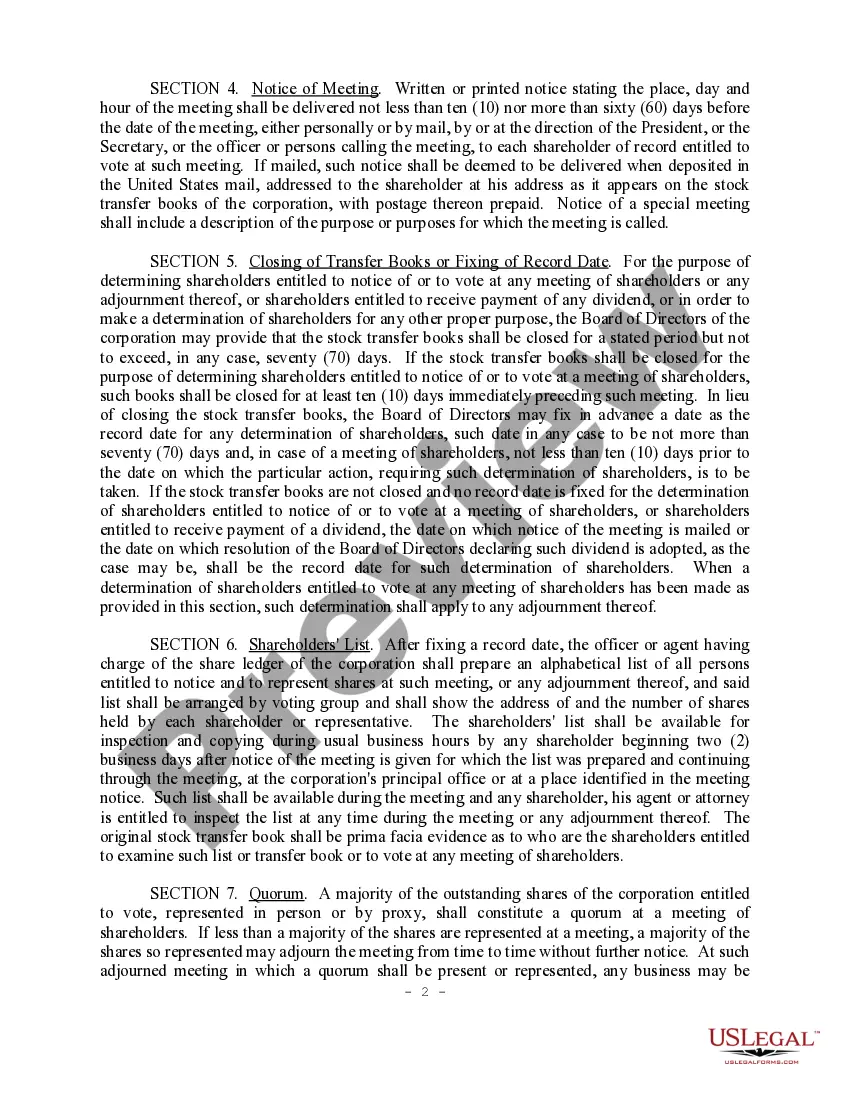
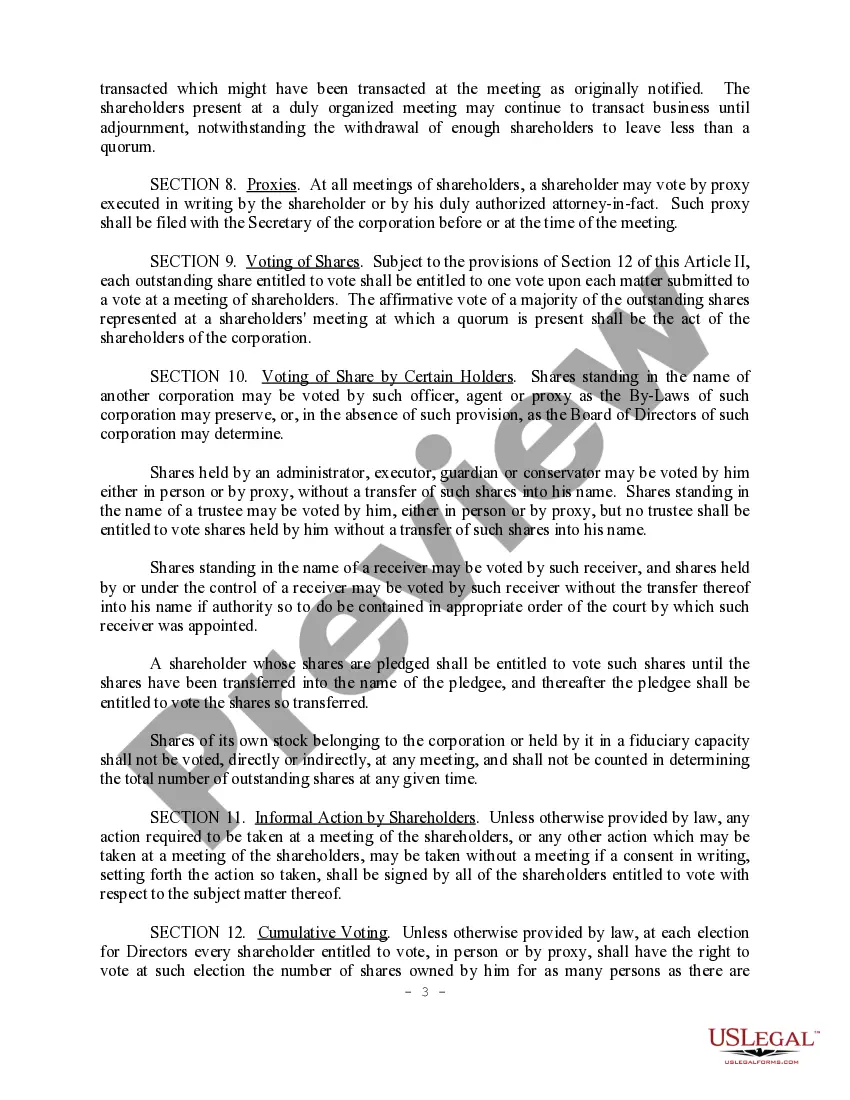
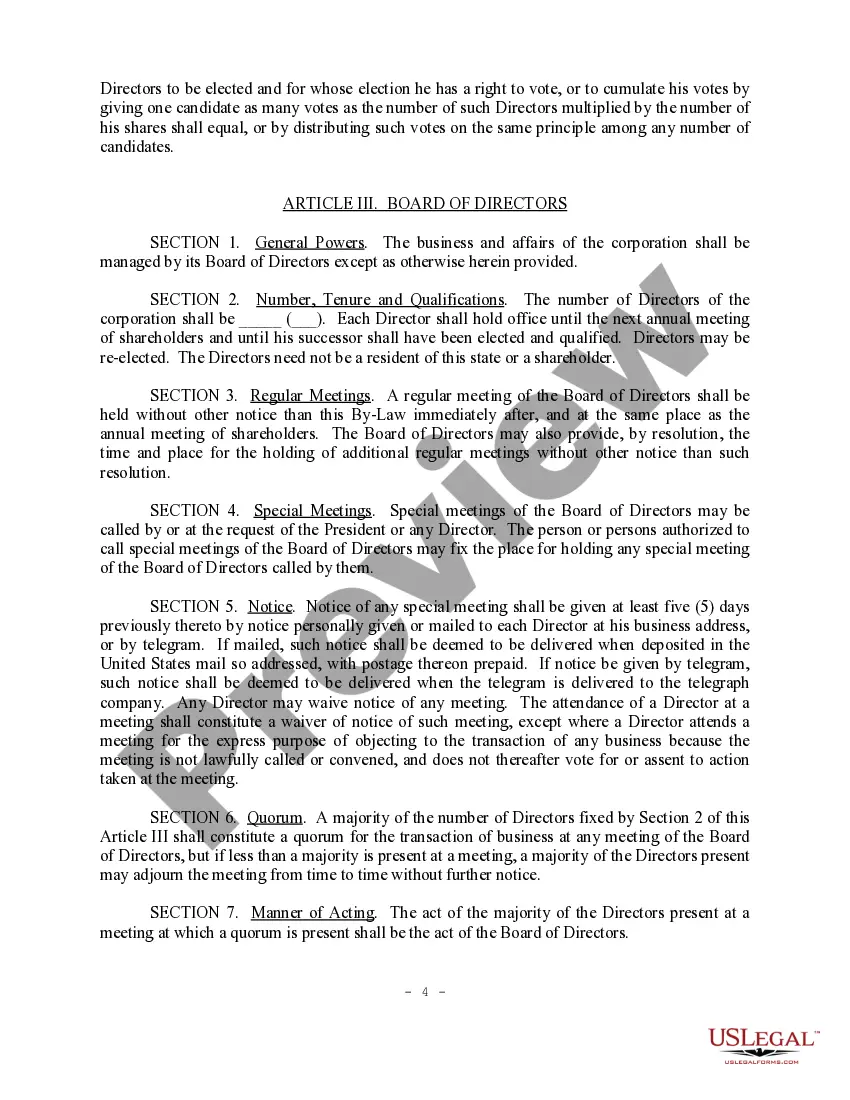
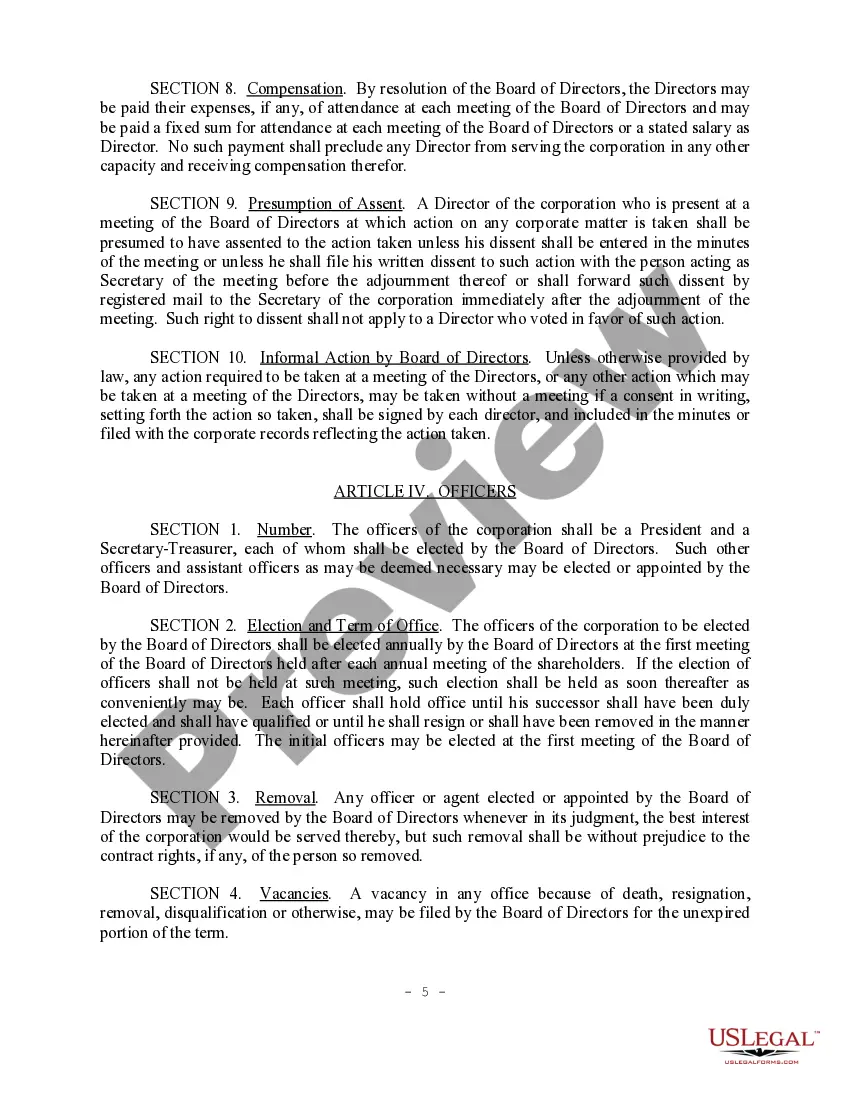
There must be at least three directors. They do not have to be Illinois residents or corporation members, but you may require these and any other qualifications you choose.
Illinois. The IRS lists 77,545 active tax-exempt organizations operating in Illinois, including 58,746 501(c)(3)s, to which you can make a tax-deductible donation. Illinois nonprofit organizations reported $136 billion in revenue on their most recent tax filings.
The IRS generally requires a minimum of three board members for every nonprofit, but does not dictate board term length. What is important to remember is that board service terms aren't intended to be perpetual, and are typically one to five years.
