Bylaws Draft Withdrawal In Hennepin
Description











Get your form ready online
Our built-in tools help you complete, sign, share, and store your documents in one place.
Make edits, fill in missing information, and update formatting in US Legal Forms—just like you would in MS Word.
Download a copy, print it, send it by email, or mail it via USPS—whatever works best for your next step.
Sign and collect signatures with our SignNow integration. Send to multiple recipients, set reminders, and more. Go Premium to unlock E-Sign.
If this form requires notarization, complete it online through a secure video call—no need to meet a notary in person or wait for an appointment.
We protect your documents and personal data by following strict security and privacy standards.

Make edits, fill in missing information, and update formatting in US Legal Forms—just like you would in MS Word.

Download a copy, print it, send it by email, or mail it via USPS—whatever works best for your next step.

Sign and collect signatures with our SignNow integration. Send to multiple recipients, set reminders, and more. Go Premium to unlock E-Sign.

If this form requires notarization, complete it online through a secure video call—no need to meet a notary in person or wait for an appointment.

We protect your documents and personal data by following strict security and privacy standards.
Looking for another form?



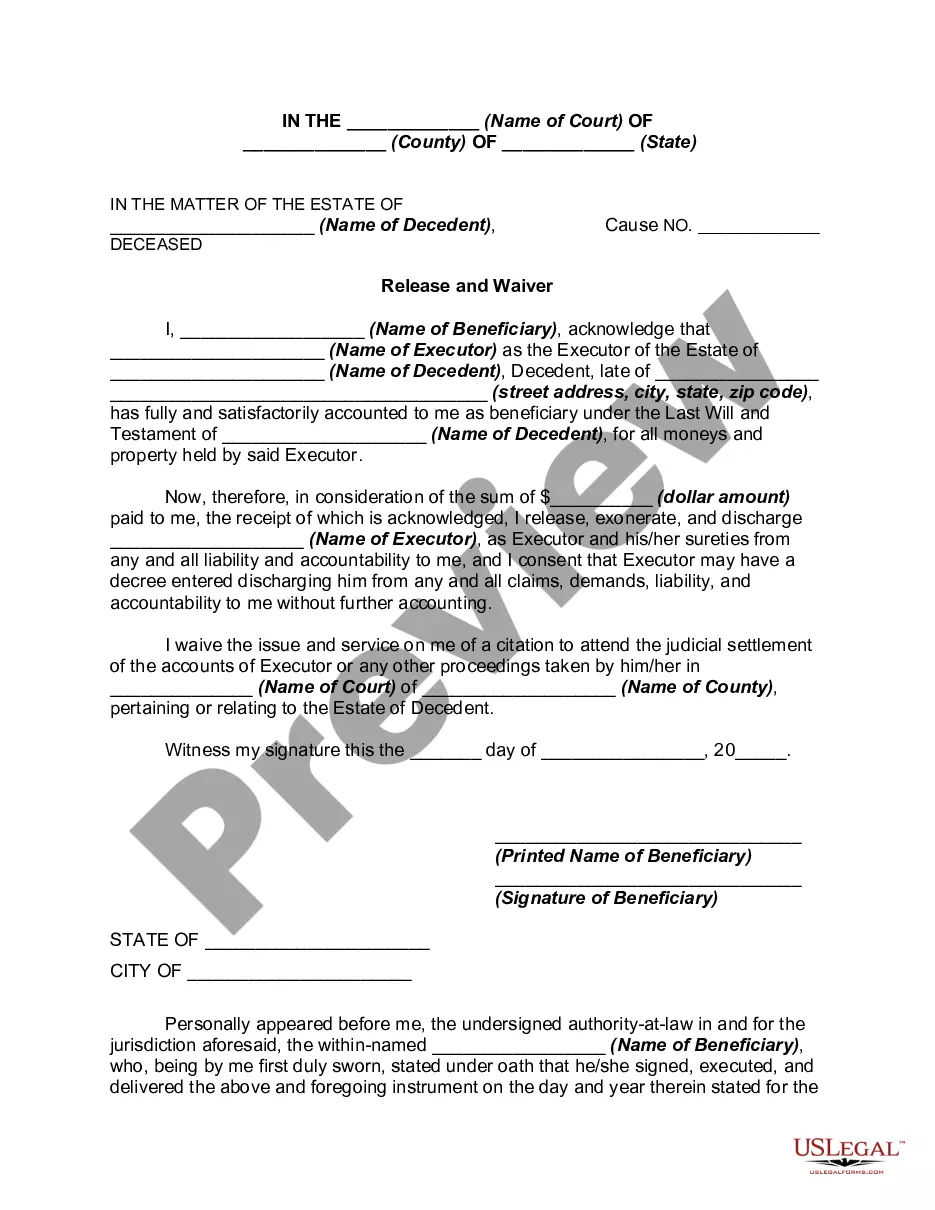
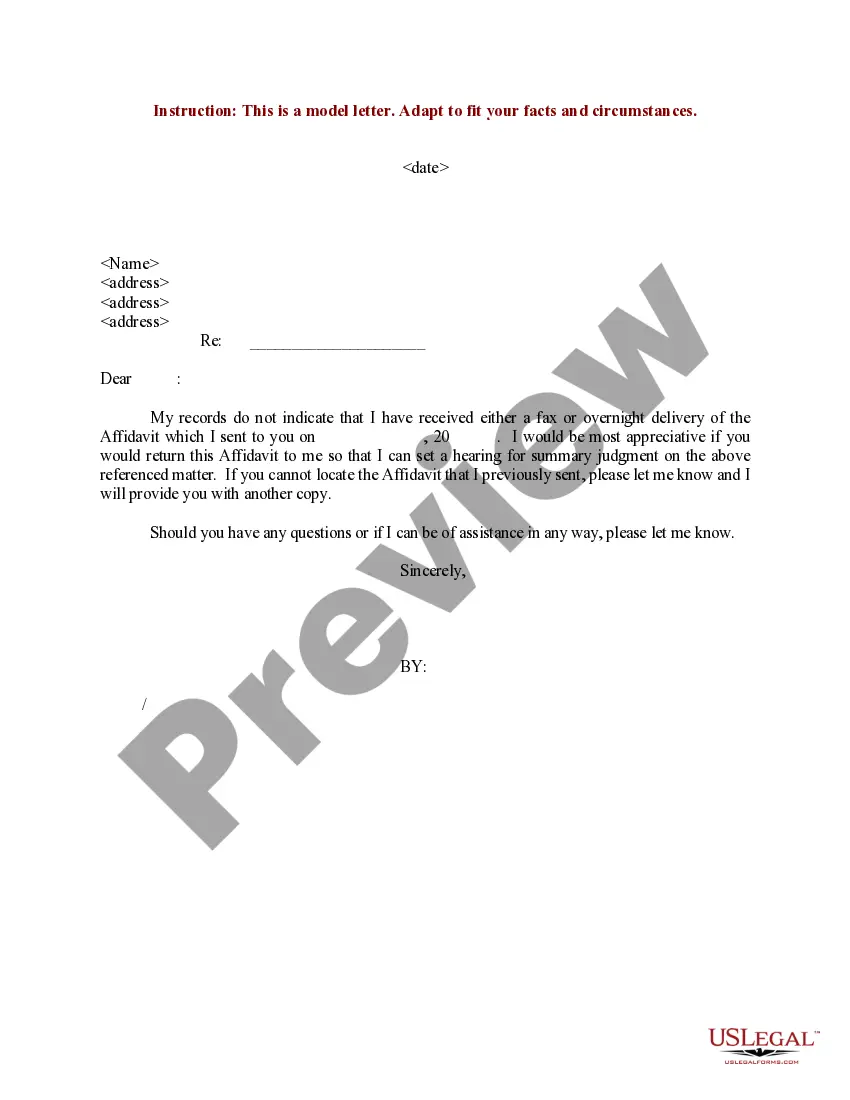
Form popularity
FAQ
Rule 521 - Removal (Appeal) to District Court (a)Trial de novo. Any person aggrieved by an order for judgment entered in conciliation court after contested trial may remove the cause to district court for trial de novo (new trial). An "aggrieved person" may be either the judgment debtor or creditor.
Rule 16 is amended to allow the court to include provision for discovery of electronically stored information. Although this discovery may not require special attention in a pretrial order, in many cases it may be helpful to address this subject separately.
A lawyer must comply with applicable law requiring notice to or permission of a tribunal when terminating a representation. When ordered to do so by a tribunal, a lawyer shall continue representation notwithstanding good cause for terminating the representation.
A lawyer must comply with applicable law requiring notice to or permission of a tribunal when terminating a representation. When ordered to do so by a tribunal, a lawyer shall continue representation notwithstanding good cause for terminating the representation.
Rule 5 prescribes the procedure at the defendant's initial appearance. In most misdemeanor cases, the initial appearance will also be the time of arraignment and disposition. Rule 5.02 requires the appointment of a qualified interpreter for a defendant disabled in communication.
After a lawyer has appeared for a party in any action, withdrawal will be effective only if written notice of withdrawal is served on all parties who have appeared, or their lawyers if represented by counsel, and is filed with the court administrator if any other document in the action has been filed.
Rule 5.03 sets forth the requirements for submitting the application to the Minnesota Board of Law Examiners. The application must be verified in the manner required by the Board of Law Examiners.
Service by mail shall be made only by the sheriff or by any other person who is at least 18 years of age who is not a party to the proceeding. Pursuant to Minnesota Statutes 2006, section 518A. 46, subdivision 2, paragraph (c), clause (4), an employee of the county agency may serve documents on the parties.
School Attendance is Required by Law Minnesota law requires that every child between 7 and 17 years of age must receive an education. Minnesota State Statute 120. A22 requires that every child from age 7, or upon enrollment in school, is required to attend school each and every day and every class period.
After a lawyer has appeared for a party in any action, withdrawal will be effective only if written notice of withdrawal is served on all parties who have appeared, or their lawyers if represented by counsel, and is filed with the court administrator if any other document in the action has been filed.
